
Measuring Nocturnal Vagal Tone Suppression From Covert Organizational Monitoring
Covert organizational monitoring triggers continuous autonomic threat detection, causing sustained nocturnal vagal suppression and preventing parasympathetic recovery.
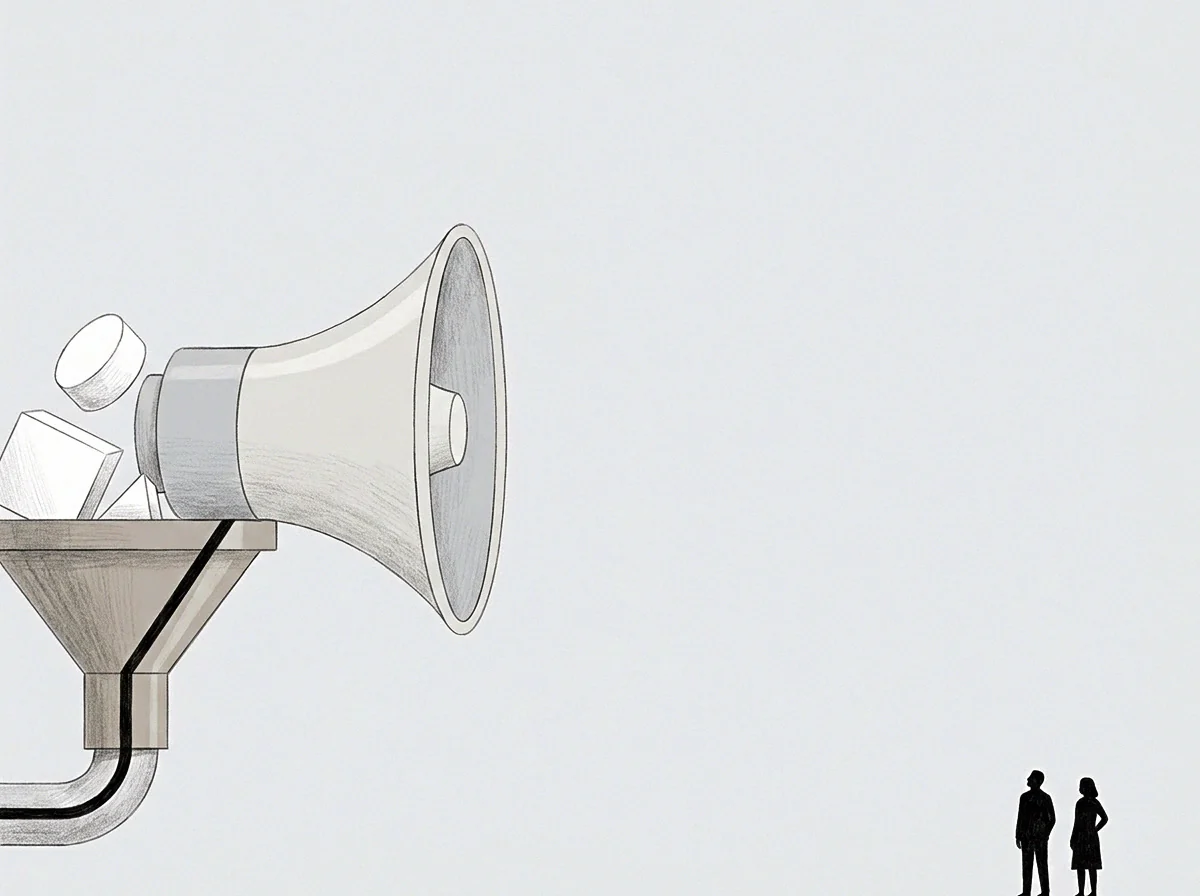
Depth
Four unread alerts sit on an executive dashboard at two in the morning while someone wearing an electrocardiogram sensor shows steady low-frequency sympathovagal dominance in stage three sleep. The nervous system registers institutional oversight well before conscious thought frames it as stress. With continuous tracking, presence detection, and read-receipt monitoring running in the background, the brain treats the possibility of disruption as an active environmental threat.
In undisturbed sleep, the vagus nerve directs parasympathetic dominance, lowering the heart rate, increasing the root mean square of successive differences between successive beats, and depressing cardiac inotropy so vascular tissue can repair.
Passive tracking shifts that architecture without any active work taking place. If an employee knows that activity logs, response times, or online status are silently captured, the central nervous system stays on guard. The prefrontal cortex keeps tonic inhibition on the amygdala, which stops the system from shifting fully into parasympathetic recovery.
High-frequency heart rate variability falls, low-frequency oscillations stay high across non-rapid eye movement sleep, and the body burns metabolic energy holding autonomic readiness while lying motionless in bed.
The human cardiac conduction system registers potential organizational oversight as an uninterrupted autonomic threat during non-REM sleep cycles.
Continuous physiological recordings show consistent vagal suppression under these conditions. Respiratory sinus arrhythmia, which typically peaks during deep slow-wave sleep, flattens under covert surveillance. The circadian drop in nighttime core temperature blunts.
With sympathetic tone holding sway, resting heart rate stays three to seven beats per minute above baseline. Over a single night the gap seems negligible, but sustained over weeks, the physiological cost mounts.
The pathway runs through the central autonomic network. Internalized monitoring expectations engage the anterior cingulate cortex and the bed nucleus of the stria terminalis, sending excitatory signals into the rostral ventrolateral medulla. That keeps sympathetic tone engaged while dampening vagal motor output from the nucleus ambiguus.
The vagal brake that slows the sinoatrial node in safe environments stays partly disengaged. An actigraphy band might log eight hours of sleep, but restorative autonomic depth never materializes.
Clinical cohorts have yet to settle how cleanly passive tracking separates the imprint of covert workplace monitoring from personal financial risk.
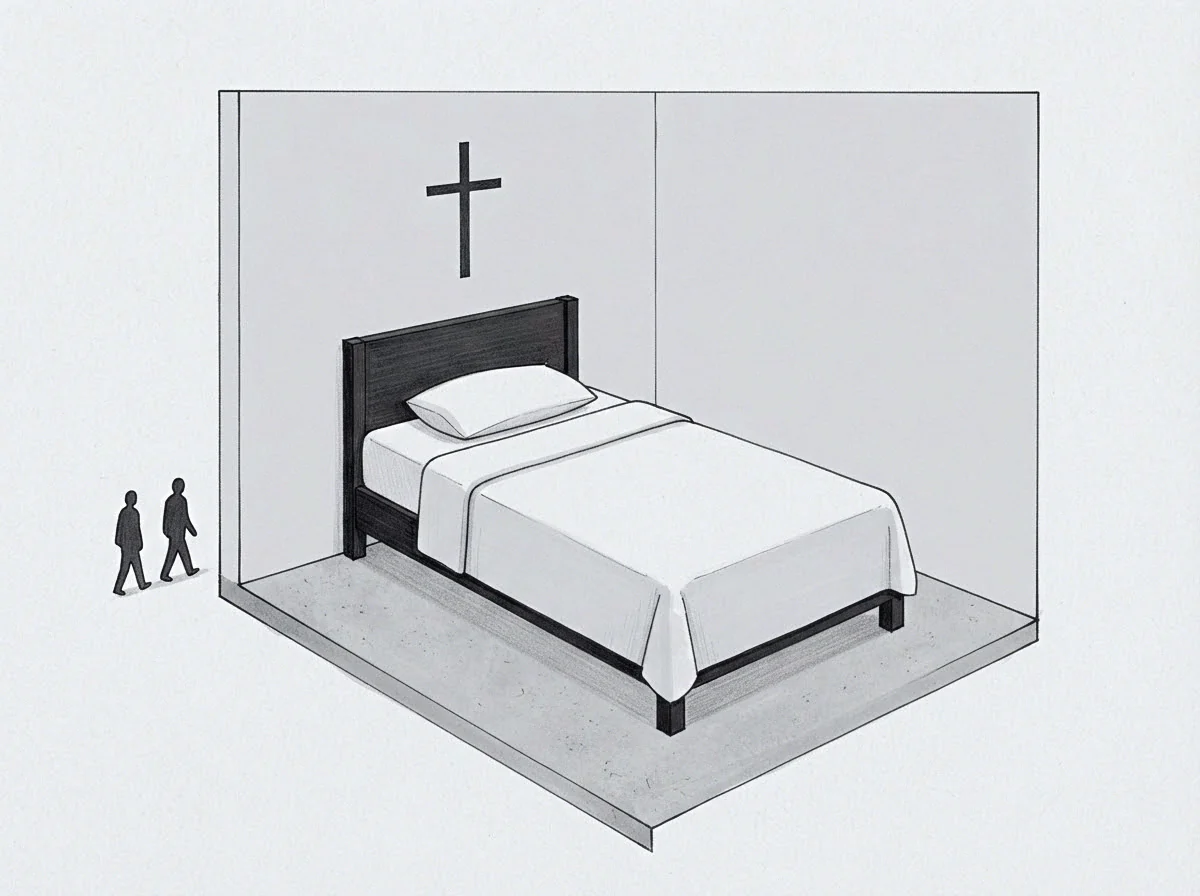
Radar
Separating immediate operational work from peripheral threat detection comes down to how the autonomic nervous system budgets energy. Direct tasks have clear starts, distinct demands, and definite endpoints. Peripheral threat detection runs uninterrupted whenever passive workplace surveillance is present, turning sensory processing into a background radar that scans incoming cues for risks to standing or security.
That background monitoring exacts an energy cost without producing any visible work. An operator might read a briefing while running mental checks against several implicit surveillance loops at once. Holding that divided state exhausts executive control and prevents the autonomic downshifting needed for rest later in the evening.
- Unbounded Latency Monitoring leaves response expectations undefined, compelling the nervous system to hold signal readiness through personal hours.
- Asymmetric Telemetry Tracking harvests performance data continuously without giving the individual visibility into when or how those logs are reviewed.
- Presence Indicator Anxiety stems from automated status markers that publish availability to colleagues and management, penalizing brief steps away from the desk.
Running that background filter drains daily cognitive capacity. The prefrontal cortex spends hours sorting ambient digital traffic, separating harmless pings from potential escalations. That chronic vigilance wears on the neural circuits needed for self-regulation, reasoning, and deliberate choices.
By evening, the central executive network is depleted, leaving the autonomic system unable to drop into a parasympathetic state.
Sustained peripheral observation keeps demanding an autonomic price hours after the inputs stop.

Profile
Biomarkers show a clear split in how different organizational stressors register physically. Direct deadline pressure provokes acute sympathetic spikes that resolve into parasympathetic rebound once the task ends. Covert surveillance produces an unbroken, low-level autonomic suppression that keeps recovery from starting at all.
| Biomarker Indicator | Explicit Operational Pressure | Covert Organizational Monitoring |
|---|---|---|
| High-Frequency HRV Shift | Transient drops during tasks, rapid post-task rebound | Sustained depression extending into nocturnal NREM sleep |
| Pre-Ejection Period (PEP) | Acute shortening during active task execution | Moderate, persistent shortening without baseline reset |
| Nocturnal Core Temp Dip | Normal circadian curve preserved post-workday | Attenuated temperature drop indicating incomplete recovery |
| Salivary Cortisol Awakening | Elevated acute post-waking peak, sharp recovery curve | Flattened morning curve with elevated late-evening baseline |
Under ongoing surveillance, the profile reflects steady hypothalamic-pituitary-adrenal axis activation alongside depressed parasympathetic tone. Without distinct boundary cues, the physiology never initiates its standard recovery cascade. Over time, this elevates overall allostatic load, straining vascular tissues, disrupting metabolic markers, and eroding immune resilience.
Continuous passive monitoring produces a persistent physiological threat state that prevents the execution of normal nocturnal recovery cascades.
As autonomic regulation hits its limit, cognitive performance falls apart along regular lines. Executive control slips first, then working memory capacity and emotional restraint. Clinical intake notes often mislabel this picture as unipolar depression or idiopathic fatigue, missing the chronic threat processing sustained by implicit surveillance protocols.
Mistaking sustained parasympathetic withdrawal for ordinary mental fatigue often prompts compensatory work habits that compress nighttime recovery even further.

Drain
Take an operator managing a distributed engineering division under constant implicit monitoring. The employer logs workstation activity, tracks message response latency, and maintains central audit records on every communication channel. Nobody demands answers at midnight, and company policy explicitly promises flexible schedules and autonomy.
Yet the tracking apparatus runs silently in the background, surfacing only in periodic productivity dashboards from human resources.
The team includes forty engineers distributed over three time zones, and the operator leaves communication channels open on a phone for unexpected outages. With telemetry feeding into performance reviews, status indicators stay marked active, and incoming queues get checked every twenty minutes well into the evening. Consciously, it feels like routine administrative housekeeping; autonomically, every vibration registers as a risk to standing.
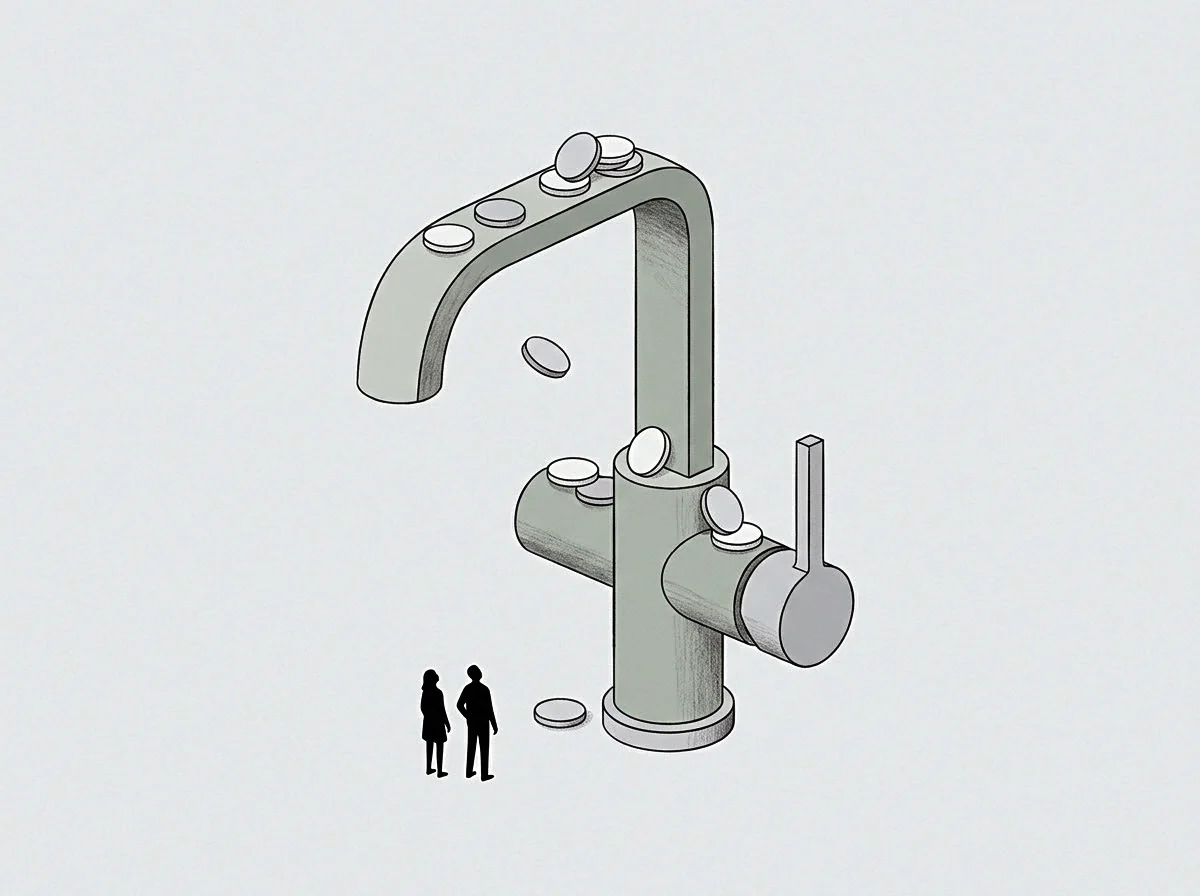
Why does passive monitoring impair nocturnal autonomic recovery?
The failure centers on continuous amygdala-sympathetic activation. An alert at eleven at night pulls the nervous system straight out of restoration into threat assessment. Even if the notification needs no reply, the physiological surge has already happened: heart rate accelerates, pre-ejection period shortens, and peripheral vessels constrict.
Clearing that surge takes sixty to ninety minutes of quiet in an environment free of threat cues.
When pings or queries land every forty minutes, the reset never finishes. The operator falls asleep at midnight with the autonomic system still locked in hypervigilance. Slow-wave sleep contracts.
High-frequency HRV through the first two cycles stays depressed close to waking levels. The body idles at high RPM all night rather than settling into cellular maintenance.
An open monitoring thread converts ordinary physiological off-hours into an active threat detection period.
Micro-arousals surface by three in the morning. These shifts into light sleep happen without conscious waking, yet they break apart normal sleep architecture. Cortisol and norepinephrine pulse into circulation, elevating blood glucose and interrupting tissue repair.
After eight hours in bed, the operator wakes with sympathetic tone still elevated and deep parasympathetic recovery largely absent.
After six months, the accumulation shows up as physical depletion. Routine administrative tasks still get done, but higher-order reasoning falters, and emotional patience during contentious meetings frays. Resting heart rate stays elevated, digestion stalls, and muscle tension sets into the neck and shoulders.
The organism is simply running out of headroom, operating against its biological limit while managing normal organizational demands.
The status marker stayed active on the team directory because no formal operational window defined off-hours.
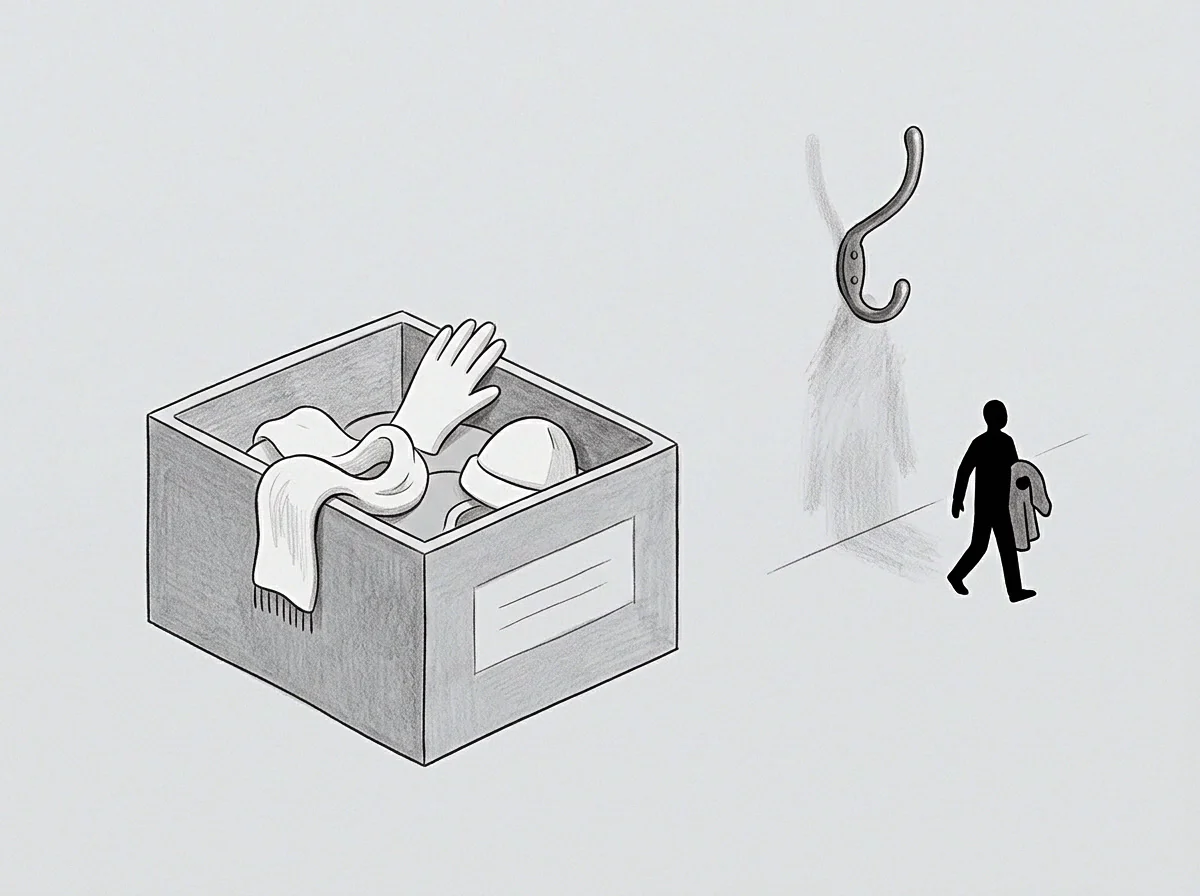
Gate
Restoring nocturnal vagal tone takes concrete interventions that dismantle the surveillance context itself. Mindfulness practice, reframing, and coaching do not clear vagal suppression while the tracking infrastructure is still running; physiology answers to physical reality rather than cognitive reframing. Regaining parasympathetic sleep requires enforceable boundaries that remove passive monitoring during off-hours entirely.
The essential change is replacing open-ended availability with gated communication. Gating sets definite rules for when telemetry is logged, assessed, and referenced. Once an operator institutes a nightly blackout reinforced by hardware-level disconnection, the central autonomic network reads the environment as secure.
Amygdala excitation drops, clearing the path for normal parasympathetic tone during sleep.
Establishing hard operational air-gaps removes the environmental threat signals that drive nocturnal vagal tone suppression.
- Hard Air-Gapping removes corporate messaging applications from personal phones to cut off nocturnal telemetry collection entirely.
- Explicit Operational Terms formalize contractual Service Level Agreements detailing the exact hours during which status markers, response times, and output metrics are logged.
- Batch Synchronous Processing confines message triage to dedicated daytime blocks, ending the micro-arousals triggered by streaming notifications.
- Asynchronous Escalation Protocols establish a single high-threshold pathway for true emergencies, allowing general operational feeds to stay muted overnight.
Instituting these structural boundaries shifts the baseline markers within days. Heart rate variability rises in stage three sleep as the vagal brake re-engages. Resting pulse falls back toward baseline, and the circadian core temperature curve recovers its nocturnal dip.
With recovery restored, executive function returns for complex problem solving and self-regulation. Removing the background surveillance threat lets the body leave emergency vigilance and resume metabolic repair.
A contract clause guaranteeing twelve uninterrupted off-hours turns an open-ended surveillance loop into a bounded operating environment.