Meaning
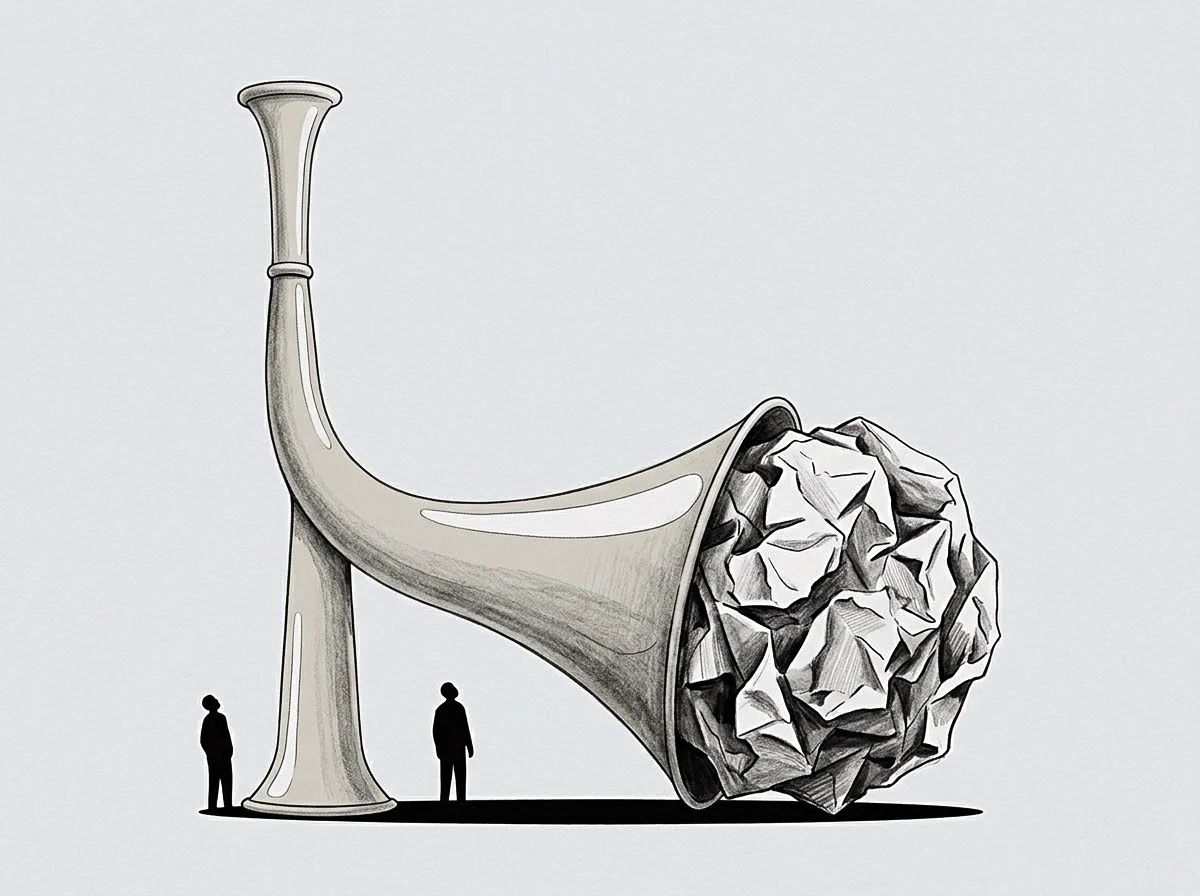
The frequency of incoming requests or events occurring within a specified window represents the arrival rate of a system. This metric gauges the pace at which a founder must process incoming streams to maintain stability. External inputs define this flow, making it a function of demand rather than internal speed.
A steady volume allows for predictable processing, while bursty patterns create queues that consume operational capacity.
Capacity Threshold
Constraints on the physical or mental throughput of a human actor determine how this flow behaves under stress. When the volume of events exceeds the number of tasks an individual performs per hour, backlog develops as a tangible cost of attention. Resources drain as the brain switches between pending items to prevent system collapse.
Constant maintenance of this equilibrium requires precise calibration of inflow channels to protect remaining cognitive availability.
Regulatory Mechanism
Formal rules often govern how this rate interacts with the stability of a business architecture. Founders implement throttling procedures to discard or defer excess demand when the incoming load threatens to degrade performance. Such interventions separate high priority items from the ambient noise of lower value tasks.
Managing this frequency effectively prevents the exhaustion of personal reserves by shielding the actor from continuous, high intensity inputs.
Operational Consequence
Efficiency fluctuates based on how well the incoming frequency matches the actual output capabilities of the person in charge. High rates require complex filtering processes that increase the total hours spent on coordination. Low rates suggest idle time but may mask inefficiencies in the pipeline that connects inputs to final execution.
Stable arrival patterns simplify the planning of daily work schedules by establishing a reliable rhythm for the allocation of focus.