Meaning
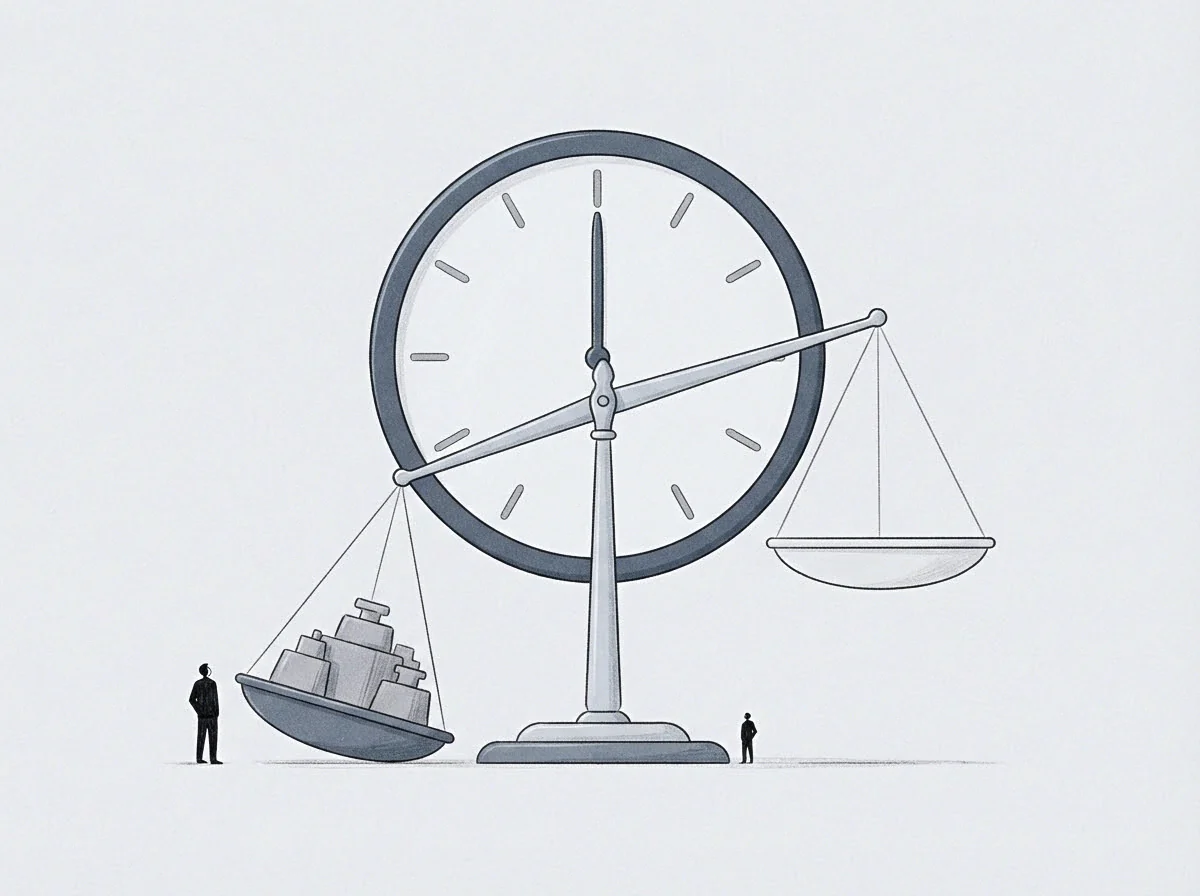
Direct application of equity or liquid reserves to acquisition or internal expansion defines a specific mode of corporate growth. Unlike external financing, balance sheet deployment utilizes the existing financial strength of a company to fund its operations. Use of internal funds allows for immediate action without the delay of securing outside investors.
The balance sheet deployment of capital often occurs when a company seeks to buy a competitor or invest in new equipment. It shifts the risk of the venture entirely onto the existing equity holders and the cash reserves of the business.
Capital Utilization
Using internal funds allows for immediate action without the delay of securing outside investors. The balance sheet deployment of capital often occurs when a company seeks to buy a competitor or invest in new equipment.
Liquidity Impact
Reducing cash on hand to fund growth changes the risk profile of the whole enterprise. Rapid balance sheet deployment can leave an organization vulnerable to sudden market shifts or revenue drops. Maintaining a buffer is necessary to handle unexpected obligations that arise during the normal course of business.
Regulatory Limit
Internal policies often cap the amount of capital that can be committed to a single venture. Effective balance sheet deployment requires a clear understanding of the minimum cash requirements for daily operations and debt service. Excessive use of reserves for long term assets can lead to a technical insolvency if the assets cannot be quickly converted back to cash.