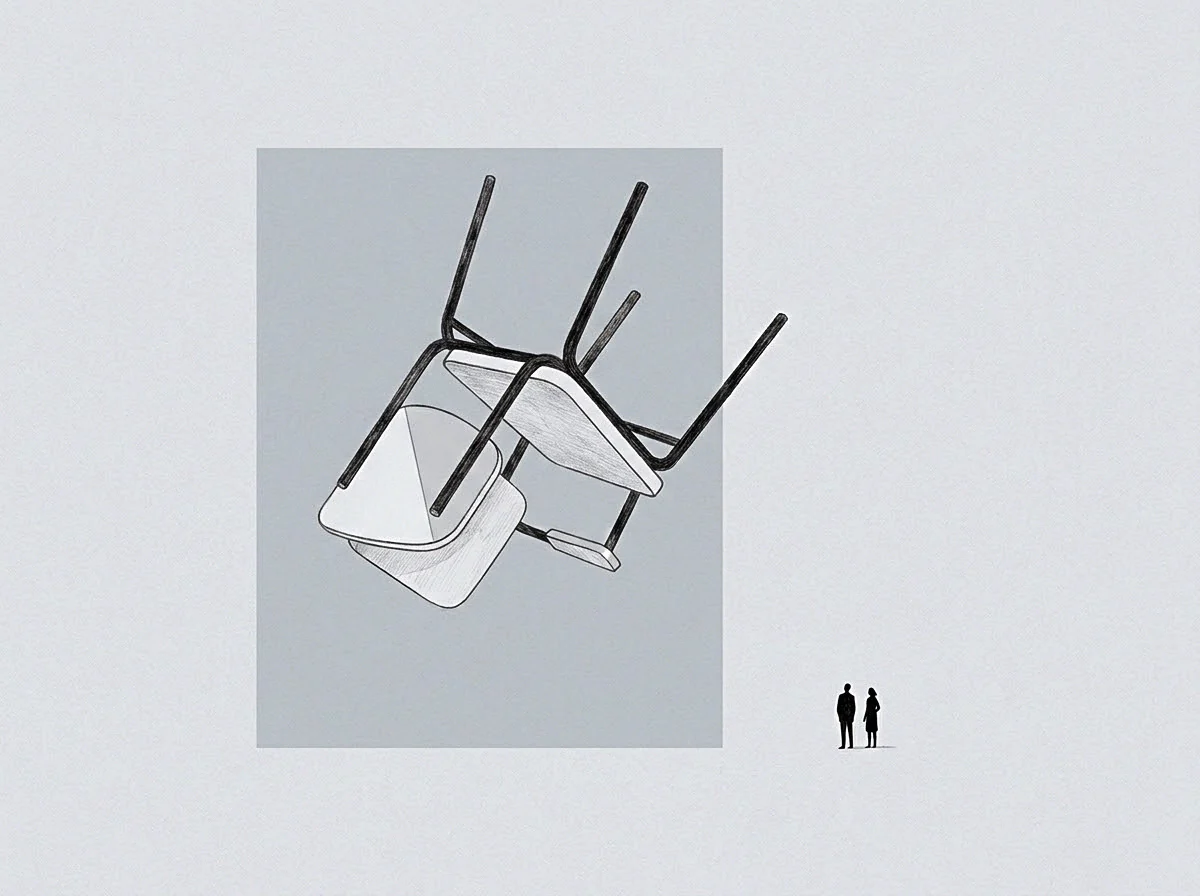
Meaning
Operational inefficiency occurs during the transfer of task responsibility, domain context or authority from one individual or team to another. Within scaling enterprises, handoff friction arises when original founders transition daily operational duties to professional management teams. Unspoken context, historical precedents and implicit technical knowledge fail to transfer across structural boundaries cleanly.
Disruption introduces errors, rework and delays during execution transitions.
Knowledge Loss
Tacit domain understanding and informal operational shortcuts disappear when responsibility moves across institutional boundaries. As handoff friction manifests during delegation, new team leaders misinterpret inherited procedures or overlook established client nuances. An incoming department head spends weeks deciphering undocumented workflows created by the founding team.
The resulting knowledge deficit slows baseline processing times and increases operational error rates.
Alignment Disruption
Structural handoffs create temporary ambiguity regarding ownership, accountability and execution standards. When handoff friction complicates executive transitions, strategic initiatives stall while incoming managers re-evaluate inherited team priorities. Cross-functional friction increases as functional units dispute handoff protocols and boundary responsibilities.
Energy capacity spent resolving delegation disputes reduces the time available for core market execution.
Process Degradation
Transfer processes degrade during authority transitions as receiving managers establish new reporting norms. Minimizing handoff friction requires structured shadowing periods and standardized context documentation.