Meaning
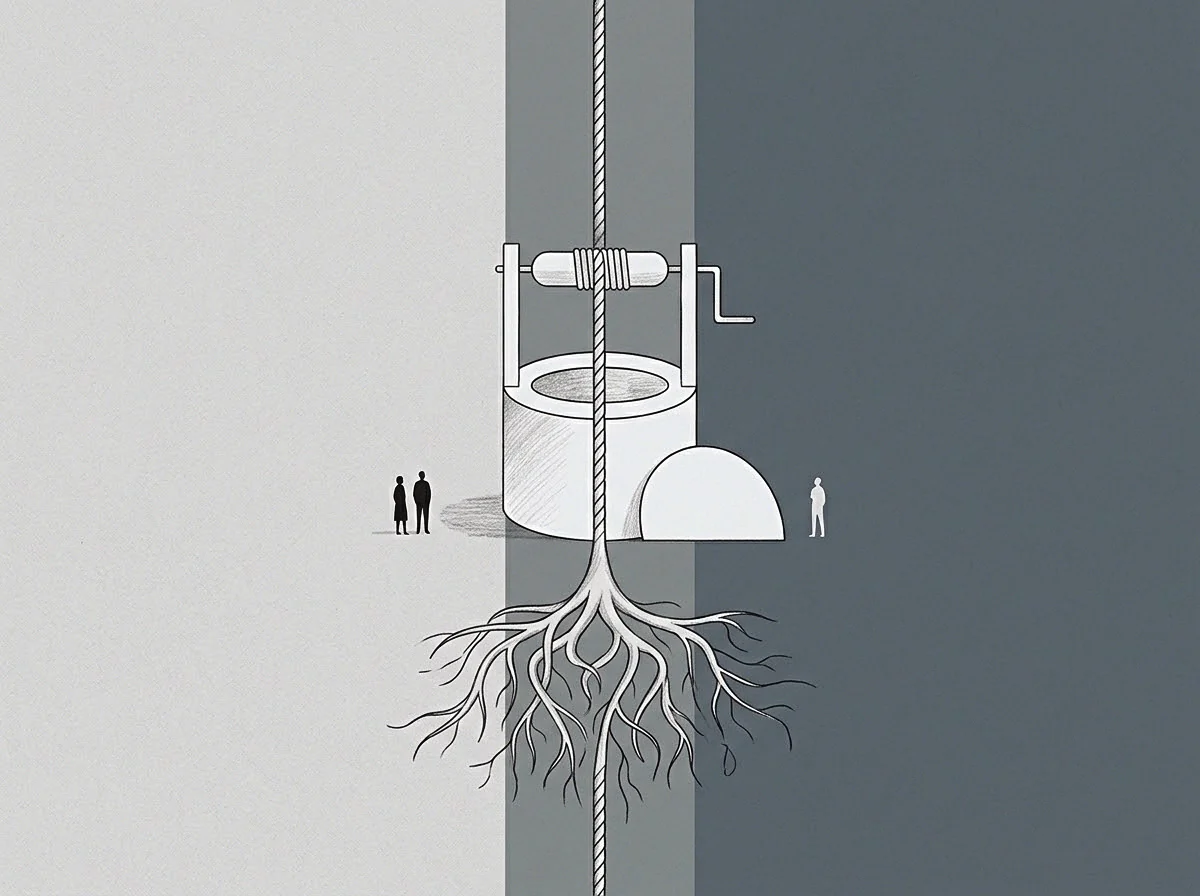
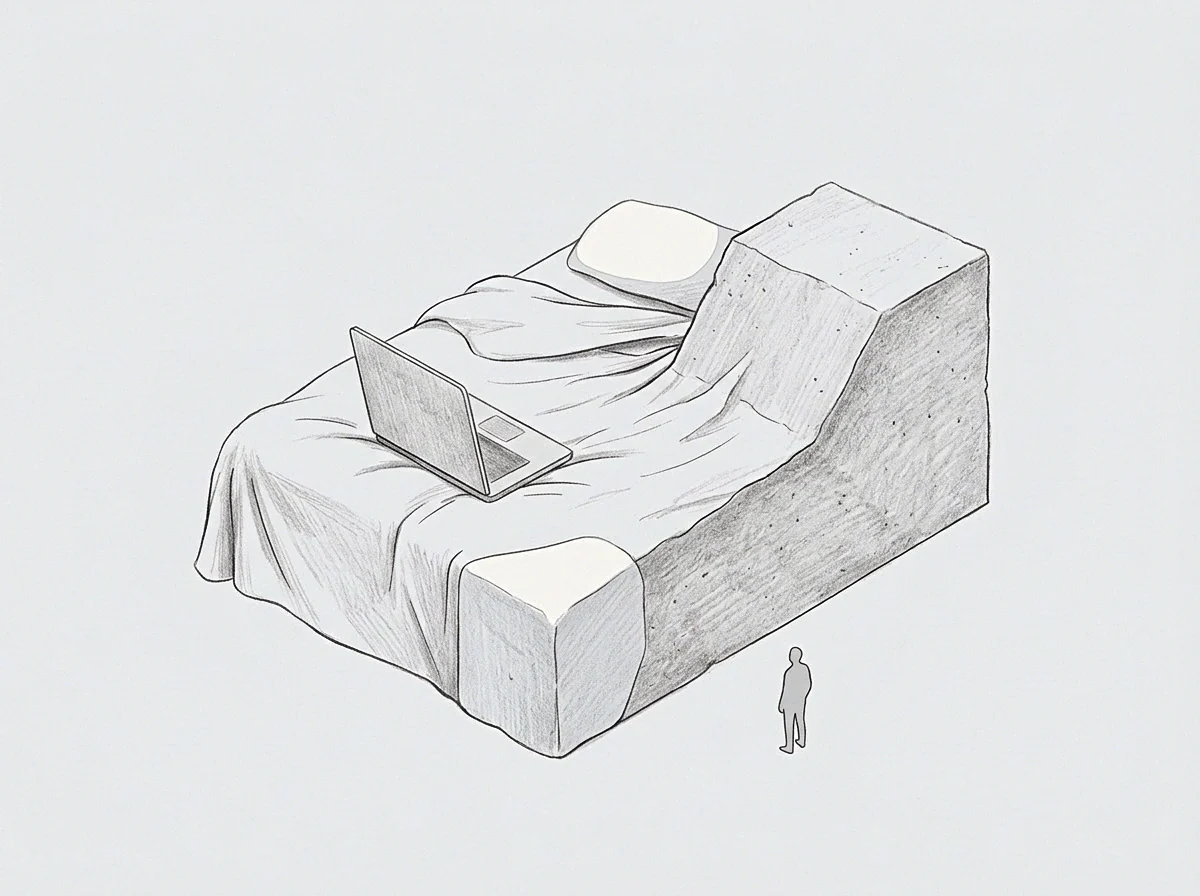
Volumetric reduction in the spare capacity available to absorb sudden operational shocks describes a critical loss of resilience. In many cases headroom depletion occurs when the baseline load rises to meet the maximum available output of the system. This leaves no room for the unexpected errors or market shifts that occur in any complex environment.
Buffer Loss
Safety margins disappear as the daily requirements for attention and energy consume all available reserves. Headroom depletion means that every task must go perfectly for the system to function. The loss of this buffer increases the emotional and physical cost of every decision because the consequences of a mistake are amplified.
Stress Vulnerability
Systems operating at their limit are highly sensitive to even minor perturbations. Because headroom depletion removes the ability to damp down oscillations, a small problem can quickly spiral into a major crisis. The person in this state lacks the time to analyze the situation and must react with whatever energy remains, which often results in poorly considered actions that exacerbate the original issue.
Failure Point
Total exhaustion of spare capacity leads to a state where the system can no longer maintain its current level of output. When headroom depletion is complete, the individual loses the ability to distinguish between high and low priority tasks. This state often precedes a total withdrawal from the role.