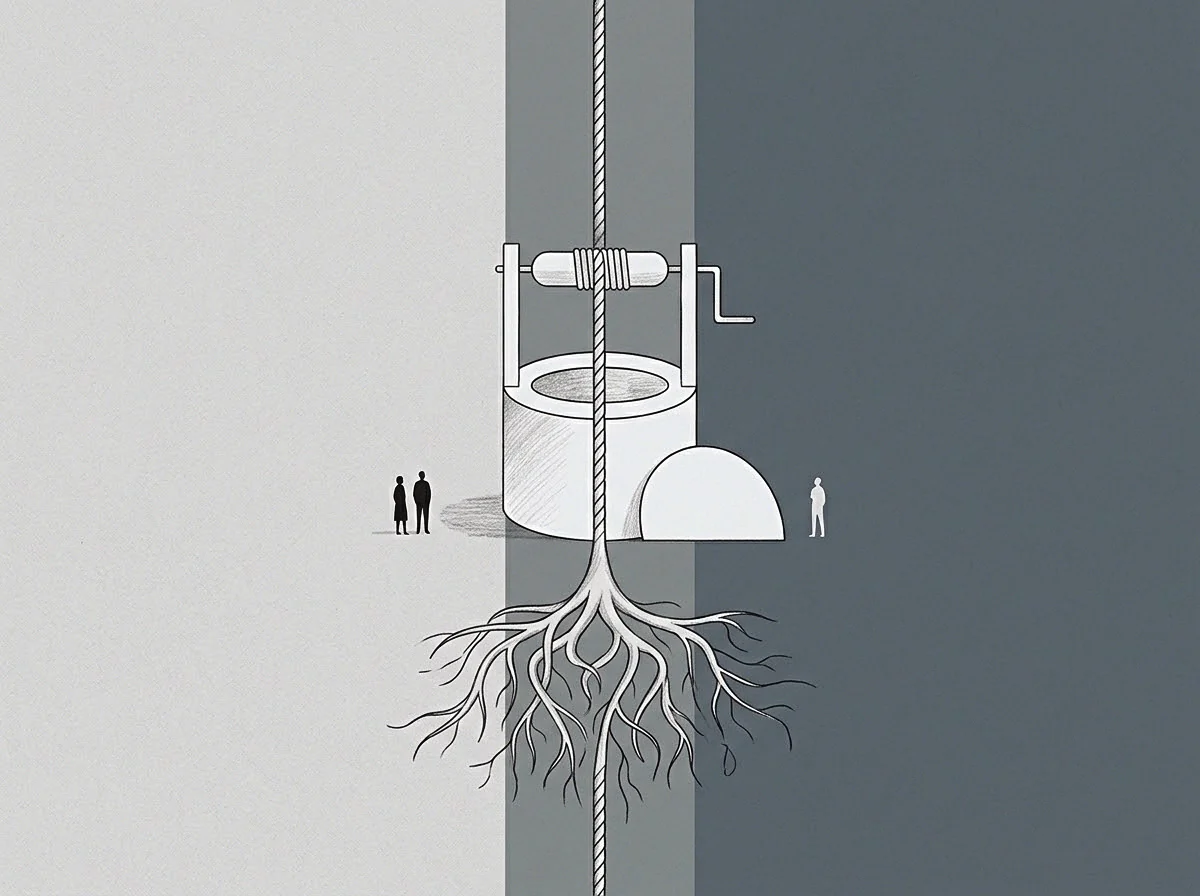
Meaning
An internal feedback loop enables an individual to evaluate their own energy levels and cognitive performance without relying on external cues. This self-assessment process relies on intrinsic monitoring to track changes in fatigue, focus, and emotional strain during long operational periods. By maintaining this awareness, a leader can adjust their workload before exhaustion occurs.
Feedback Mechanism
Self-regulation depends on accurate internal data regarding personal limits. When a founder ignores these signals, the ability to make complex decisions diminishes. Daily tracking of energy levels helps to identify when cognitive fatigue begins to impair judgment.
Operational Cost
Maintaining this internal awareness requires a steady allocation of mental bandwidth and quiet reflection time. When administrative tasks overwhelm the day, the brain focuses entirely on external demands, suppressing the internal signals that warn of impending burnout. This suppression leads to a sudden drop in performance, as the leader fails to notice gradual declines in their own capacity.
To prevent this, structured pauses must be built into the daily routine, ensuring that self-assessment remains active.
Capacity Maintenance
Regular evaluation of internal limits allows for proactive adjustments to the daily schedule. Leaders who adjust their tasks based on these measurements maintain high performance over longer periods. This practice preserves cognitive capital for critical strategic decisions.