Meaning
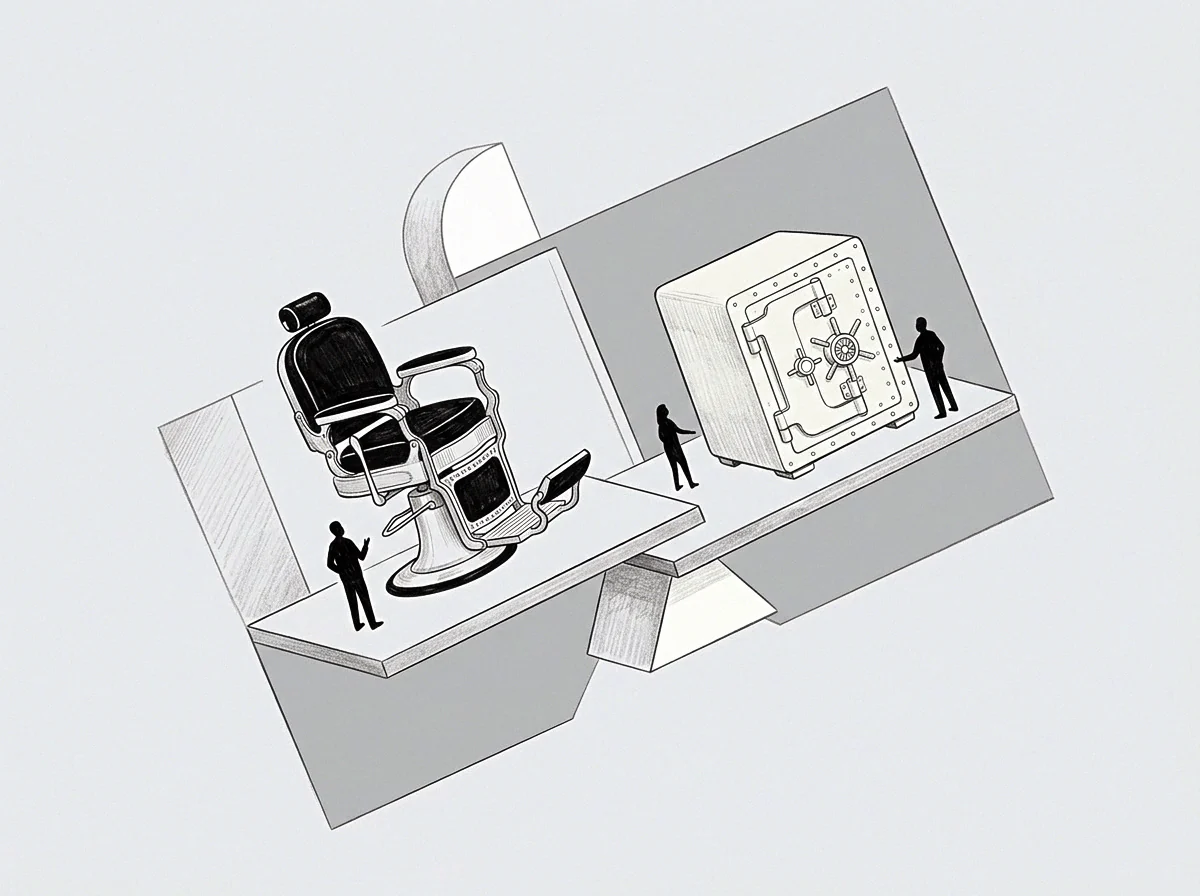
An organizational pattern where all monitoring and security decisions are handled by a single high-level leader concentrates risk at the top. This vigilance centralization places a massive mental and operational load on the founder, who must watch everything themselves. To prevent fatigue and oversight errors, the company needs to distribute these responsibilities among a broader leadership group, ensuring that no single person is responsible for checking every operational detail.
Executive Burden
Carrying all the responsibility for risk management leads to fatigue and slower decision times. In systems with high vigilance centralization, the primary leader has less time for strategic tasks and long-term planning. This pressure can cause the founder to miss critical warning signs in the business.
Systemic Risk
Relying on one person to spot all threats creates a major vulnerability for the company. If that individual is tired, ill, or focused on other matters, the organization’s defense against risk is severely weakened.
Delegated Security
Establishing clear guidelines and giving team members the authority to monitor risk reduces the burden on the founder. By sharing these monitoring tasks, the company can identify problems faster and build a more resilient security structure. This collaborative approach protects both the business and its leaders.