
Long Term Autonomic Recovery Path For Primary Regulators After Complete Relational Working Model Snap
Relational working model snaps trigger dorsal vagal throttling in primary regulators, requiring structured sensory isolation and micro-paced co-regulation to rebuild neural receptor slots.

Breach
Four unanswered messages sat open on a glowing screen at two in the morning while the person in the primary seat stared at a blank wall. The capacity to construct a coherent response to an operational crisis had vanished three hours earlier. For thirty-six consecutive months, three senior team leaders and a co-founder had drawn their daily physiological stability from this single person’s presence during high-stakes negotiations, capital restructuring, and structural re-organizations.
The primary regulator had absorbed incoming alarm, smoothed relational tensions, and projected a steady internal state that others used to anchor their own nervous systems. On this specific night, an internal circuit broke cleanly, leaving the primary regulator unable to process a routine email or tolerate the physical sound of a incoming notification.
The system shut down.
When an internal working model of relationship undergoes a complete snap, the physiological baseline of the primary regulator converts instantly from active management to deep autonomic protection. Attachment theory establishes that an internal working model functions as a predictive neurological map governing expectations of safety, responsiveness, and mutual support. In high-performing organizations or long-term partnerships, a primary regulator frequently operates on an asymmetrical reversed template.
The primary regulator internalizes a model where safety comes exclusively from providing stability to others, while containing no expectation of receiving regulatory support in return. When structural pressure exceeds the physiological threshold of the central nervous system, this protective architecture fails completely. The cognitive map breaks because the internal computation reveals that no external resource exists to offset the accumulated operational load.
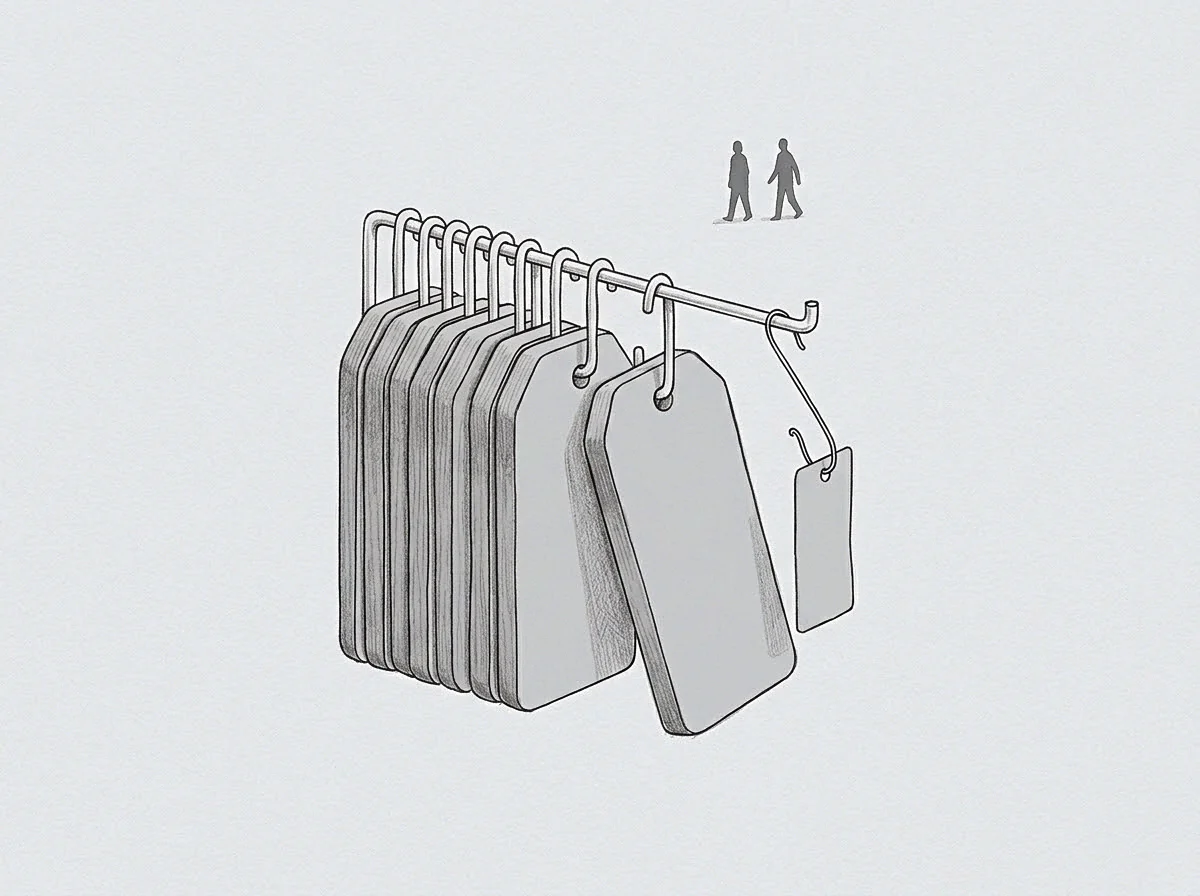
The Sudden Autonomic Throttling Event
Dorsal vagal dominance takes over when sympathetic mobilization fails to resolve prolonged structural pressure. Blood pressure drops, peripheral vascular resistance alters, and cognitive executive function narrows dramatically to preserve core metabolic resources. The baseline had collapsed.
The primary regulator experiences this shift as a sudden, terrifying loss of agency. Tasks that previously took minutes, such as reviewing a contract term or returning a call, suddenly demand an impossible energy expenditure. Physiological studies measuring heart rate variability and cortisol dynamics show that when autonomic throttling occurs, the brain treats ordinary relational demands as direct survival threats.
The primary regulator cannot maintain the previous baseline because the physiological substrate supporting that state has been depleted to baseline floor levels.
The primary regulator’s sudden withdrawal is an involuntary physiological protective shutdown triggered when operational load permanently exhausts baseline neural capacity.
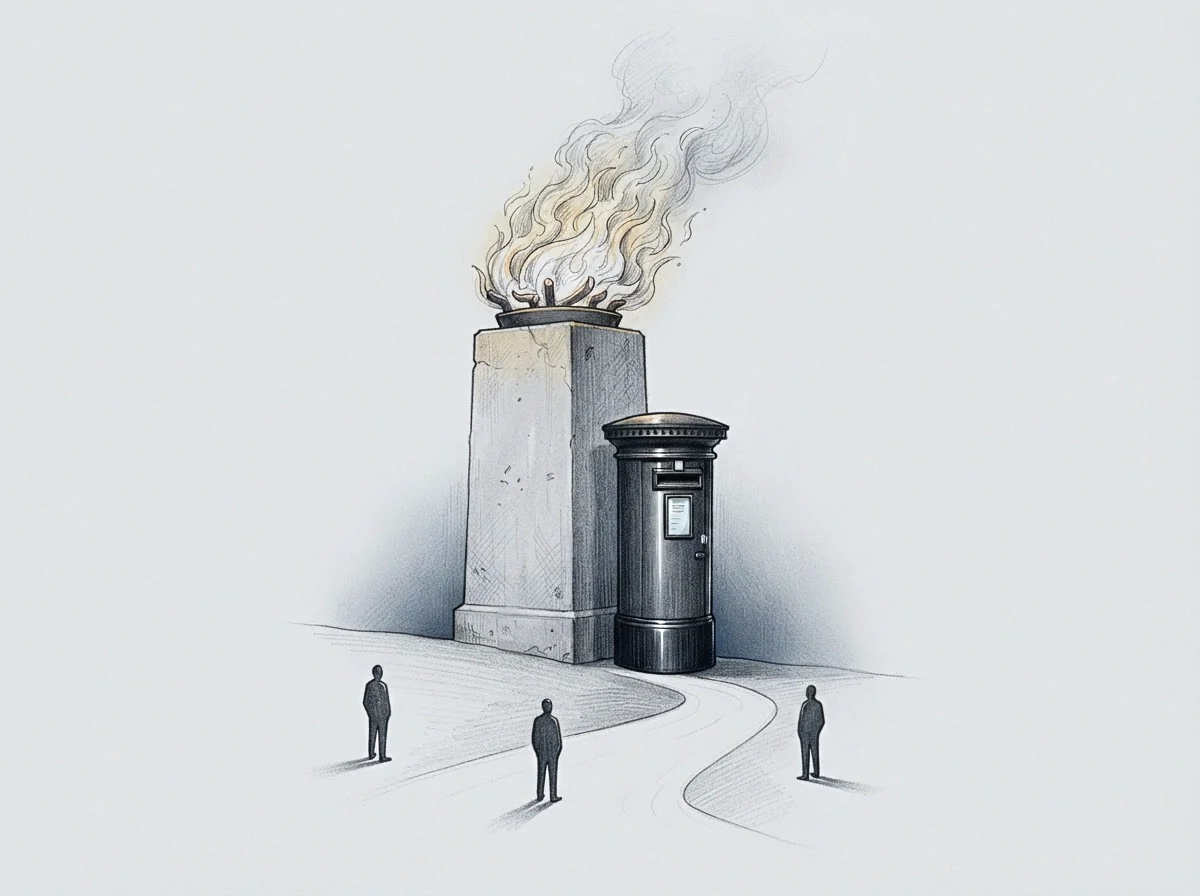
Structural Collapse of the Relational Model
Expectations held by surrounding team members clash immediately with the primary regulator’s sudden incapacity. For years, the surrounding team operated on an unwritten operational assumption: the primary regulator possesses infinite emotional headroom and requires zero external holding. When the snap occurs, the surrounding environment initially treats the withdrawal as a temporary bad mood or an intentional withholding of support.
The primary regulator’s brain, however, has rewritten its baseline rules. The internal working model no longer calculates relational engagement as a manageable cost. Relational engagement now registers as an immediate threat to autonomic stability.
The body paid the bill.
Team members who relied on the primary regulator’s steady state find themselves suddenly forced to bear their own nervous system baseline without a borrowed buffer. The resulting tension often triggers systemic alarm across the entire organization, leading to panicked attempts to force the primary regulator back into the active baseline seat.
The other party asks why the person who held the entire operational floor for three straight years suddenly refuses to answer a simple question about tomorrow’s agenda.
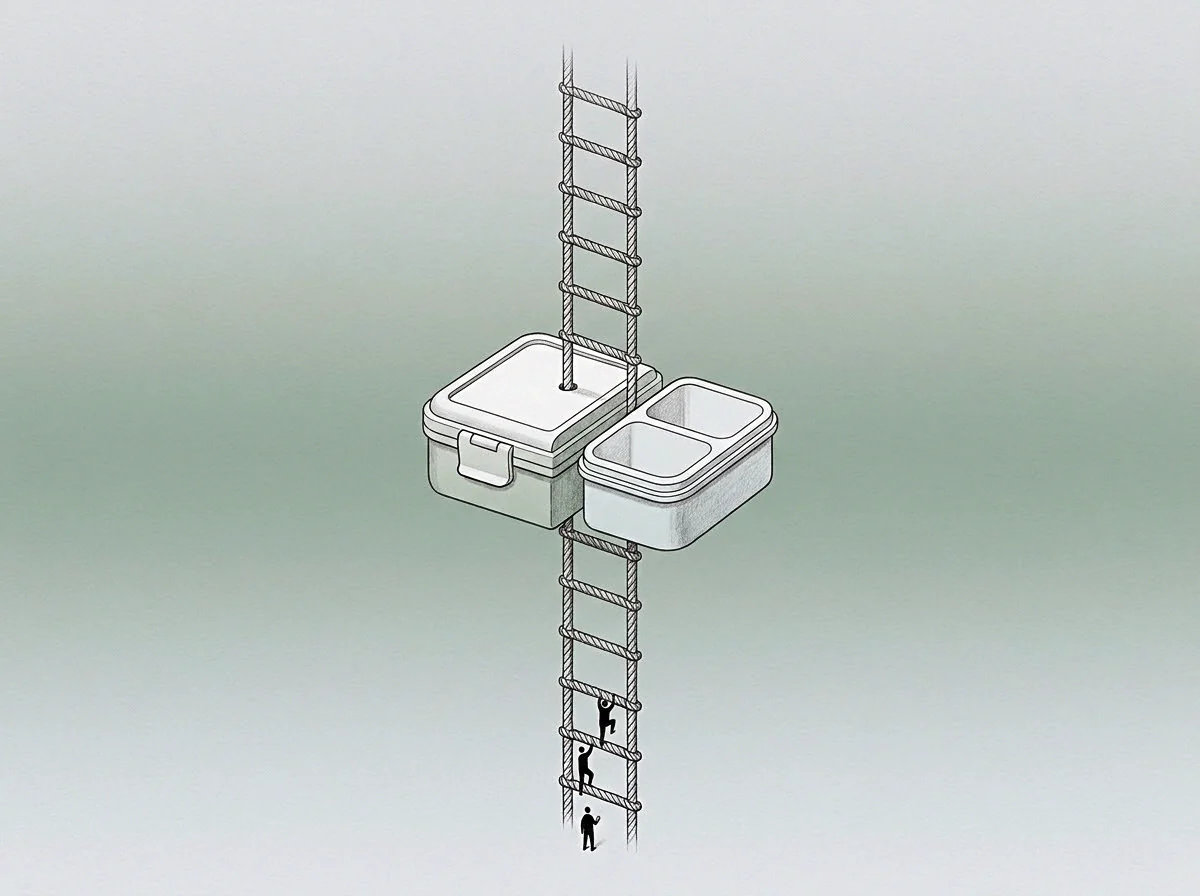
Conduit
The brain budgets biological resources based on environmental cues and physical proximity to reliable partners. Social baseline theory demonstrates that the human nervous system is hardwired to assume shared load distribution. When a primary regulator operates in proximity to people who only consume stability without contributing to the shared pool, the primary regulator’s brain must continuously expend high metabolic power to maintain homeostasis.
Physiology registers proximity instantly.
Under normal conditions, co-regulation operates as a reciprocal biological circuit. Two or more individuals down-regulate threat responses through vocal tone, eye contact, and physical presence. In asymmetrical organizations, this biological conduit runs in only one direction.
The primary regulator functions as the sole stabilizer, effectively lending physiological calm to the surrounding team while absorbing their unmodulated alarm signals. Over extended periods, this continuous energy outflow drains glycogen stores, disrupts sleep architecture, and degrades hypothalamic-pituitary-adrenal axis responsiveness.
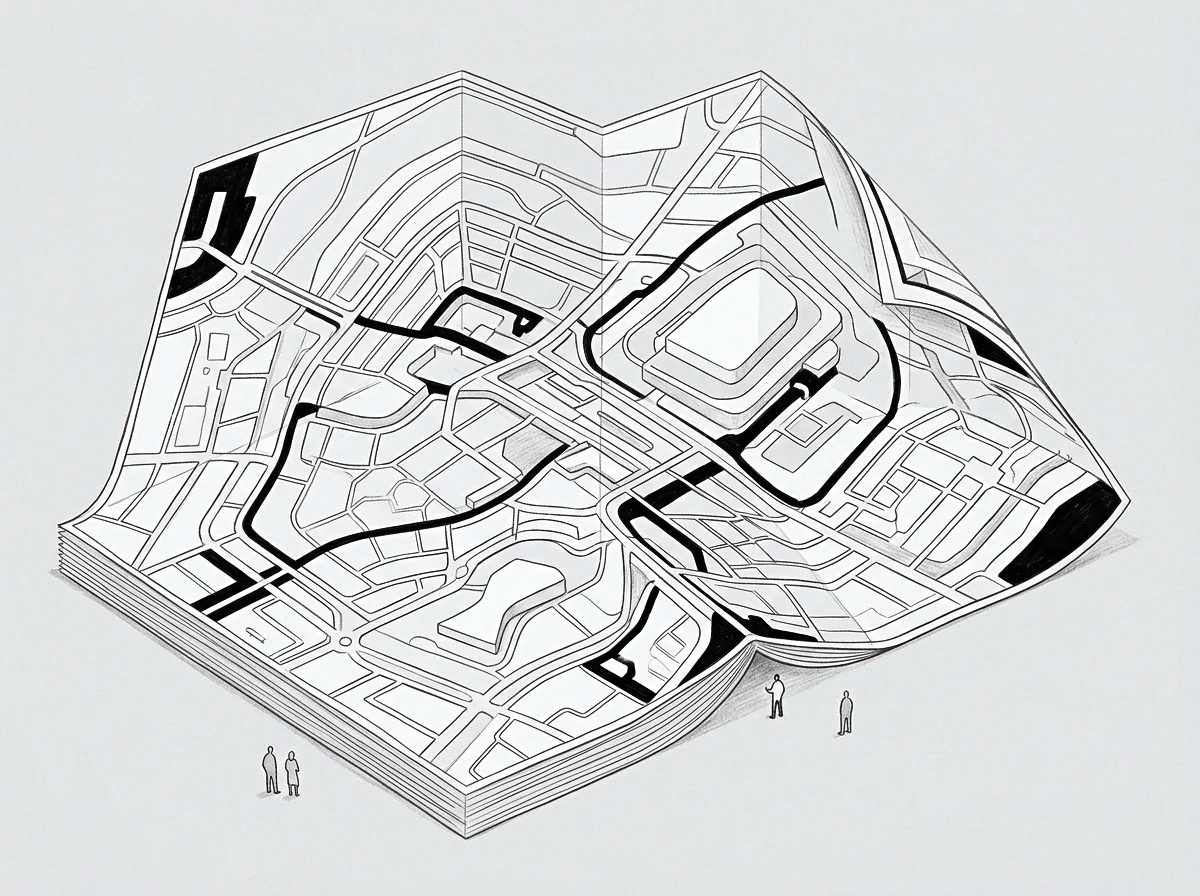
Neural Economy of Borrowed Baseline States
Team members frequently attach to a primary regulator’s calm state rather than engaging in their own self-regulation practices. The primary regulator’s steady presence lowers the ambient threat level for everyone else in the room. This phenomenon creates an invisible metabolic transfer where the surrounding team experiences lower cognitive friction, while the primary regulator bears an unrecorded physiological debt.
The regulatory budget emptied completely.
This biological exchange creates an addictive organizational dependency. Because the primary regulator appears unflappable under pressure, executives and partners continuously transfer higher operational stress onto that single desk. The regulatory load escalates until the primary regulator’s physiological capacity is completely breached.
Borrowed calm acts as an unrecorded metabolic loan that the primary regulator pays for with continuous central nervous system exhaustion.
Primary regulators who experience a complete relational snap present a distinct constellation of physiological and behavioral indicators:
- Vagal Shutdown manifests as an inability to speak, mobilize executive function, or process incoming verbal requests during minor operational friction.
- Affective Flattening serves as an involuntary protective buffer, dampening both positive and negative emotional responses to shield the nervous system from incoming sensory input.
- Proximity Aversion drives the primary regulator to seek total physical isolation, experiencing any incoming communication or physical presence as an unbearable metabolic demand.
- Cognitive Throttling reduces complex problem-solving capacity down to basic survival choices, rendering long-term strategic thinking functionally impossible.
- Somatization Patterns appear as chronic joint pain, gastrointestinal disruption, severe sleep fragmentation, and immune dysregulation caused by sustained high baseline cortisol levels.
Allostatic Throttling and Systemic Energy Deficits
Allostatic load represents the cumulative wear and tear on tissues and biological systems resulting from chronic stress exposure. When a primary regulator reaches the absolute limit of allostatic capacity, the brain initiates a protective throttling process. Throttling is an active biological intervention designed to prevent structural organ damage and total biological breakdown.
The primary regulator cannot override this protective state through willpower or intellectual understanding. Attempting to force the primary regulator to resume active co-regulation during an allostatic throttle triggers severe autonomic panic and profound physical exhaustion.
When an organization attempts to solve a primary regulator’s autonomic collapse using standard productivity tools or motivational directives, the central nervous system registers the intervention as renewed hostility and extends its shutdown duration by several months.

Drain
Evaluating physiological resource expenditure requires comparing how a human nervous system operates when regulating independently versus when participating in genuine co-regulation. The metabolic cost of maintaining internal stability while surrounded by dysregulated individuals is exceptionally high. Threat evaluation costs real power.
The primary regulator who has experienced a complete working model snap loses access to both modes simultaneously. Autonomous self-regulation is depleted because glycogen stores and neurotransmitter balances are exhausted. Co-regulation is blocked because the internal relational map has classified other people as biological drains rather than sources of rest.
Comparative Expenditure in Solitary and Shared States
Understanding the difference between autonomous regulation and borrowed regulation requires precise structural tracking. The following table details the biological costs and systemic capacities associated with each regulatory state for a primary regulator.
| Evaluation Metric | Autonomous Self-Regulation | Borrowed Regulation (Providing) | Reciprocal Co-Regulation |
|---|---|---|---|
| Metabolic Energy Expenditure | High constant expenditure; continuous prefrontal cortex activation required. | Extreme expenditure; primary regulator covers own cost plus external deficit. | Low biological expenditure; shared threat processing reduces individual cost. |
| Threat Processing Latency | Moderate delay; internal cognitive checks slow down response times. | Rapid processing; elevated vigilance to protect surrounding team members. | Minimal latency; shared neural feedback loops stabilize threat perception quickly. |
| Autonomic Headroom | Restricted headroom; vulnerable to sudden operational spikes. | Zero headroom; operating continuously at or near autonomic ceiling. | Substantial headroom; baseline buffers allow rapid recovery from acute shocks. |
| Systemic Concurrency Limit | Single-thread processing; limited ability to manage multiple complex inputs. | Overloaded concurrency; managing multiple dysregulated individuals at once. | Distributed processing; high systemic capacity across all participants. |
| Data reflects physiological baseline measurements under continuous operational stress. | |||
Concurrency Limits Under Prolonged Relational Load
Human beings possess a strict concurrency limit regarding how many open relational loops their autonomic nervous system can track simultaneously. When a primary regulator attempts to maintain stability for four key operators, two investors, and a personal relationship, the total concurrency load exceeds human physiological boundaries. The brain attempts to manage this impossible computation by continuously elevating baseline cortisol and adrenaline levels.
The state history resets slowly.
Eventually, the total information processing demand overwhelms the prefrontal cortex’s capacity to synthesize input. The relational snap occurs at the exact intersection where incoming operational demands collide with an exhausted neural architecture. Once snapped, the concurrency limit drops down to zero.
The primary regulator can no longer manage a single external relational thread without triggering immediate autonomic distress.
A stated limit is the first physical barrier an over-allocating nervous system presents to a culture built on continuous biological extraction.
Restoring concurrency capacity demands a long period of complete operational disconnection. If the primary regulator attempts to return to the active seat before the autonomic baseline has fully reset, the central nervous system re-triggers the protective shutdown within seventy-two hours of exposure to high-load operational environments.
If an organization fails to alter its relational extraction patterns, any attempted recovery path converts directly into a chronic, permanent autonomic disability for the primary regulator.

Socket
The core structural vulnerability of a primary regulator lives inside the internal working model itself. Most primary regulators developed early life adaptation strategies where being valuable, calm, and strong was the mandatory condition for maintaining connection. This developmental path produces an internal template with a missing biological component: the receptor slot for receiving co-regulation from another person.
No second slot was built.
The primary regulator’s internal system excels at outputting stability but lacks the physiological receiving hardware to accept co-regulation when it is offered. When a supportive partner or team member attempts to provide presence, warmth, or holding, the primary regulator’s nervous system registers the incoming signal as an anomaly or a potential trap. The primary regulator reflexively deflects the offer, remaining isolated in the active baseline seat.

The Missing Slot for External Co-Regulation
This structural deficit guarantees eventual autonomic snap. Because the primary regulator cannot take in regulation from external sources, the internal battery can only drain over time. The primary regulator treats self-care activities like exercise, meditation, or isolation as maintenance routines, but these solitary activities carry a much higher metabolic price than genuine reciprocal co-regulation.
The internal template resisted input.
Solitary self-regulation is expensive. Proximal co-regulation with a trusted, stable equal is biologically cheap. Lacking the internal receiving slot, the primary regulator relies entirely on the expensive mode until metabolic reserves are completely exhausted.
Insight into an internal working model explains why the snap happened, but only repeated physical experiences of safe co-regulation can build the missing receptor slot.

When Does the Receptor Slot Reopen?
Reopening the receptor slot requires a primary regulator to survive the complete breakdown of their old performance-based relational map. The snap, while terrifying, is a mandatory physiological prerequisite for structural recovery. As long as the old working model functioned, the primary regulator could bypass their own biological limits through continuous performance and willpower.
Once the snap breaks the old template permanently, the primary regulator faces a stark reality: continue attempting to run an exhausted operational engine or build an entirely new internal template. Building a new template demands that the primary regulator practice remaining in physical proximity with an equal partner while remaining completely non-functional.
This experience is profoundly uncomfortable for a primary regulator. Sitting in a room with someone while unable to produce value, project calm, or solve a problem triggers intense shame and autonomic alarm. Yet, staying present during this exact discomfort is what gradually builds the neural pathways for earned security.
How long can a human nervous system survive in complete operational isolation before the complete absence of reciprocal co-regulation creates irreversible somatic degradation?
Recoupling
Long term autonomic recovery for a primary regulator is not a matter of cognitive reframing or simple stress management. It demands a systematic, multi-year recalibration of the physical nervous system and a complete replacement of the internal relational working model. The recovery path requires moving from performance-based self-sufficiency to genuine earned security.
The second template forms slowly.
The recalibration sequence proceeds through distinct physiological phases that must be navigated in strict order. Attempting to jump directly to high-level operational engagement without laying the baseline autonomic foundation guarantees structural relapse.
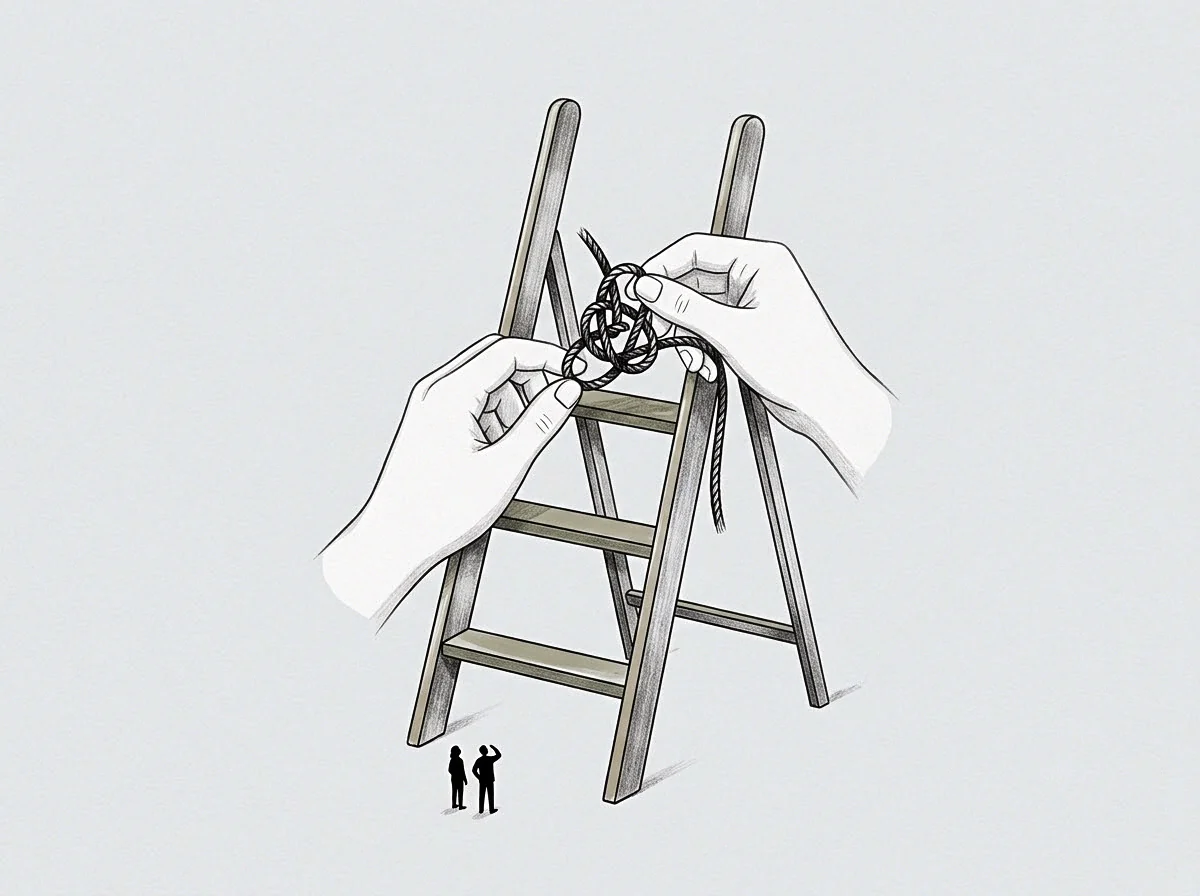
Earned Security Through Micro-Pacing Sequence
Safety demands repeated physical proof.
The primary regulator builds a second template by experiencing small, controlled doses of relational connection where zero performance is required. This micro-pacing strategy allows the nervous system to process low-level co-regulatory inputs without triggering the protective shutdown mechanism.
- Complete operational disconnection for a minimum of ninety days to allow allostatic load levels to clear the acute danger threshold.
- Establishment of somatic baseline stability using basic sensory grounding, predictable physical routines, and complete elimination of high-concurrency digital communications.
- Engagement in low-stakes somatic co-regulation with safe equals, focusing exclusively on shared physical presence without verbal processing or problem-solving demands.
- Active construction of explicit boundary conditions, defining precise operational limits and testing environmental responses to those limits.
- Integration of the missing receptor slot through repeated experiences of receiving care while remaining functionally non-productive.
- Gradual re-entry into selected operational environments with a strict concurrency ceiling and an absolute refusal to occupy the unbuffered baseline seat.
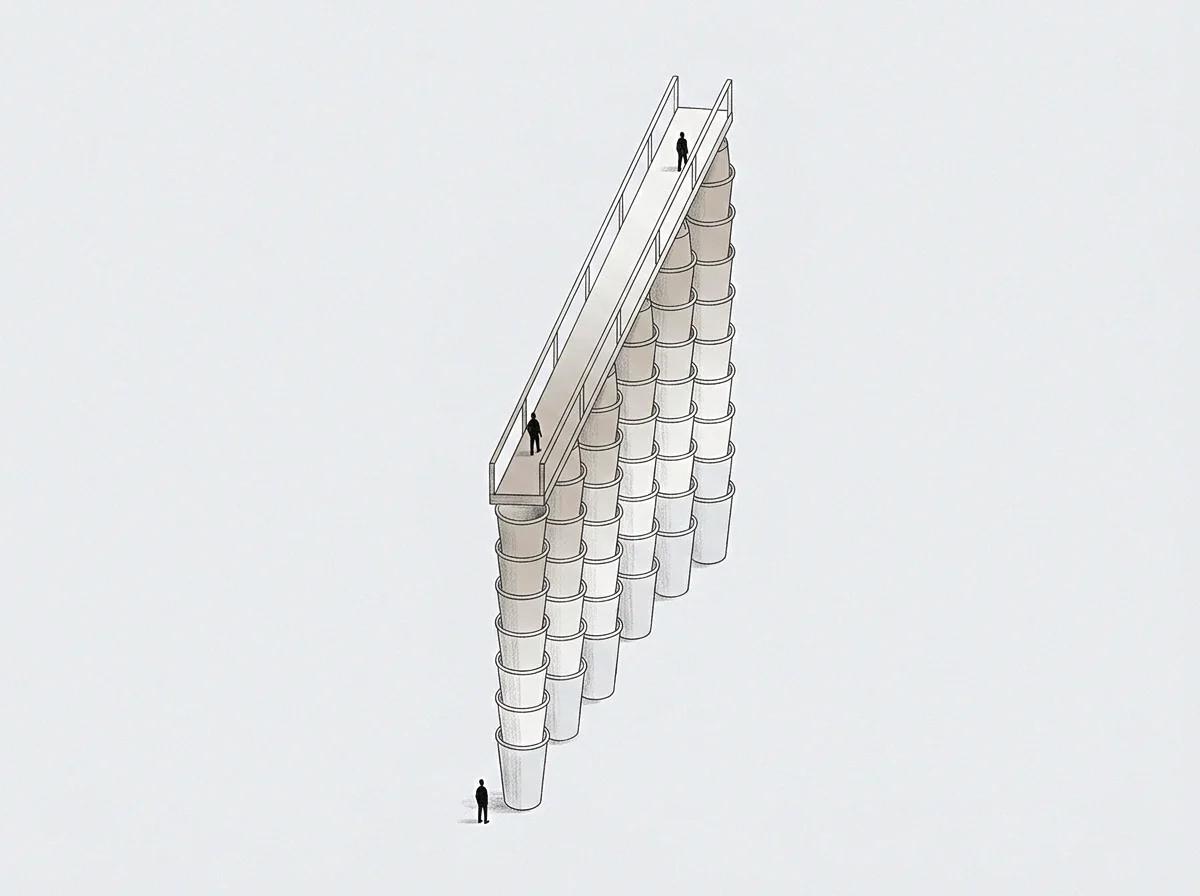
Long Term Autonomic Recalibration Dynamics
The delta over time between a primary regulator operating on their old template and one operating on earned security is profound. The old template relied on continuous availability, high tolerance for relational extraction, and absolute suppression of personal physiological limits. The updated template prioritizes autonomic integrity over organizational convenience.
The capacity returns in steps.
A recalibrated primary regulator looks fundamentally different to an organization. The recalibrated regulator no longer functions as an infinite biological buffer for dysregulated team members. When panic enters the room, the recalibrated regulator does not automatically absorb the shockwave.
Instead, the recalibrated regulator holds their own steady baseline while requiring others to manage their own emotional states.
This operational shift often causes initial friction across an organization accustomed to free biological regulation. Some team members who were attached exclusively to the primary regulator’s state will leave when forced to pay their own metabolic costs. Those who remain are forced to develop their own internal regulatory capacity, resulting in a significantly more resilient organizational structure.
The primary regulator who completes this long-term recovery path no longer measures personal strength by how much unbuffered stress they can carry alone, but by how cleanly they protect the integrity of their own physiological baseline.
A primary regulator who refuses to absorb unbuffered stress will always be misread as distant by team members who relied on consuming their baseline for free.