
Managing Allostatic Load In High Capacity Technical Leadership
Allostatic load accumulates when technical leaders absorb operational volatility alone, depleting metabolic reserves until structural limits enforce biological recovery.
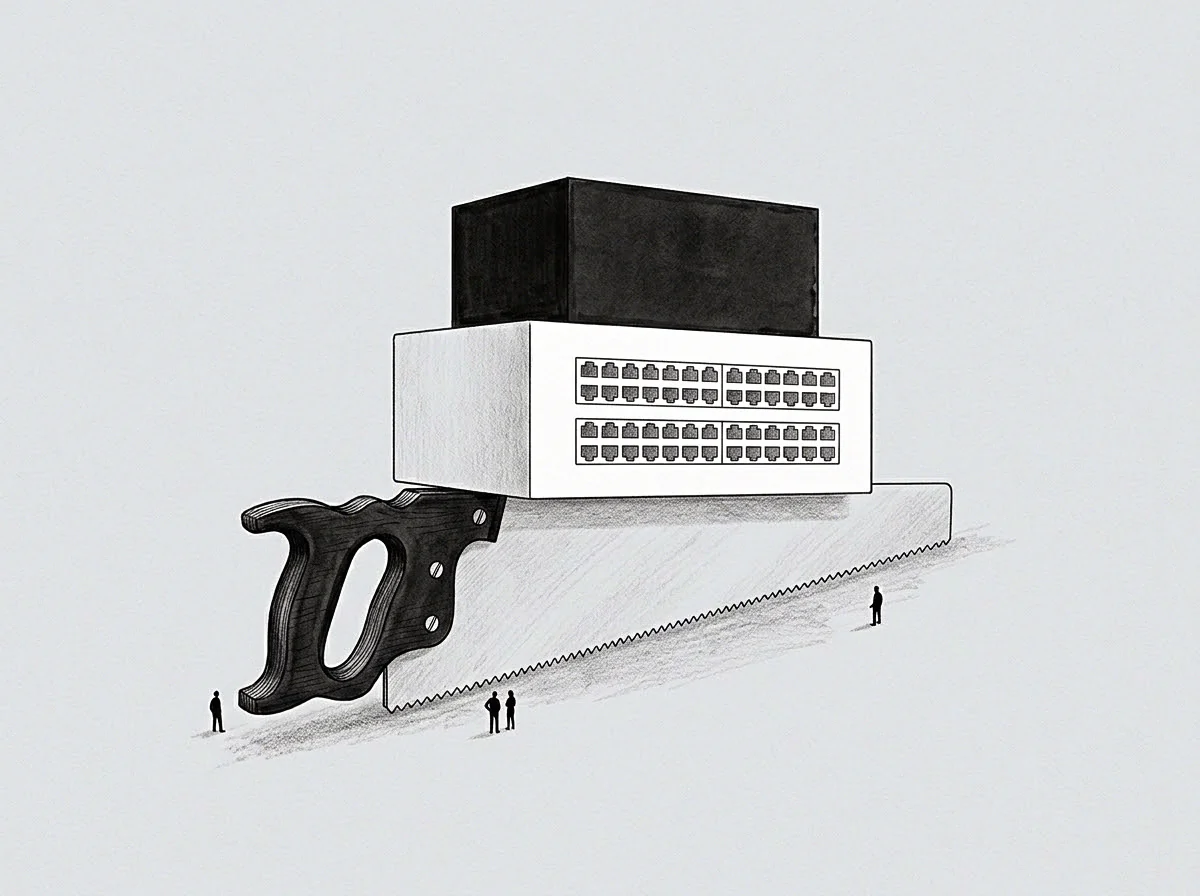
Toll
Four terminal windows remain open alongside twenty direct messages after a midnight database degradation. The technical leader tracks connection pool exhaustion while three separate engineering managers ask whether customer data suffered corruption. Nobody in the exchange observes the shallow breathing or the elevated heart rate of the person answering the queries.
The team sees only prompt execution, clean decisions, and steady cadence. Every reply settles an engineer down, returns an operational unit to normal pacing, and strips panic out of the incident room.
The human nervous system metabolizes operational turbulence through biological adaptation. In stress physiology, allostatic load names the cumulative wear on cardiovascular, neuroendocrine, and metabolic tissues caused by sustained physiological mobilization. When an enterprise experiences continuous production incidents, architectural deadlock, or organizational churn, the person sitting at the technical apex functions as a biological damper.
That damping action carries a measurable toll.
A technical leader bears the biological invoice whenever an organization treats human stability as an infinite operational damper.
Social baseline theory establishes that the human brain budgets energy under the assumption of social proximity and shared burden. Solitary oversight burns glucose at rates far exceeding shared vigilance. When an individual manages technical crises without a peer capable of shouldering cognitive weight, neural circuits treat the environment as hostile and poorly resourced.
The anterior cingulate cortex and amygdala stay continuously primed. Cortisol secretion stops following its healthy diurnal drop, remaining flat and elevated into the pre-dawn hours. The body stays mobilized for physical threat while sitting motionless in an office chair.
Repeated operational vigilance without physiological downshifts degrades cellular repair cycles. Memory consolidation in the hippocampus deteriorates, which forces the leader to write down details that previously stayed readily accessible. Sustained sympathetic activation hardens arterial walls, disrupts restorative sleep stages, and alters immune surveillance.
The organization receives architectural clarity, but the nervous system of the regulator pays for that stability in unrecovered cellular damage.
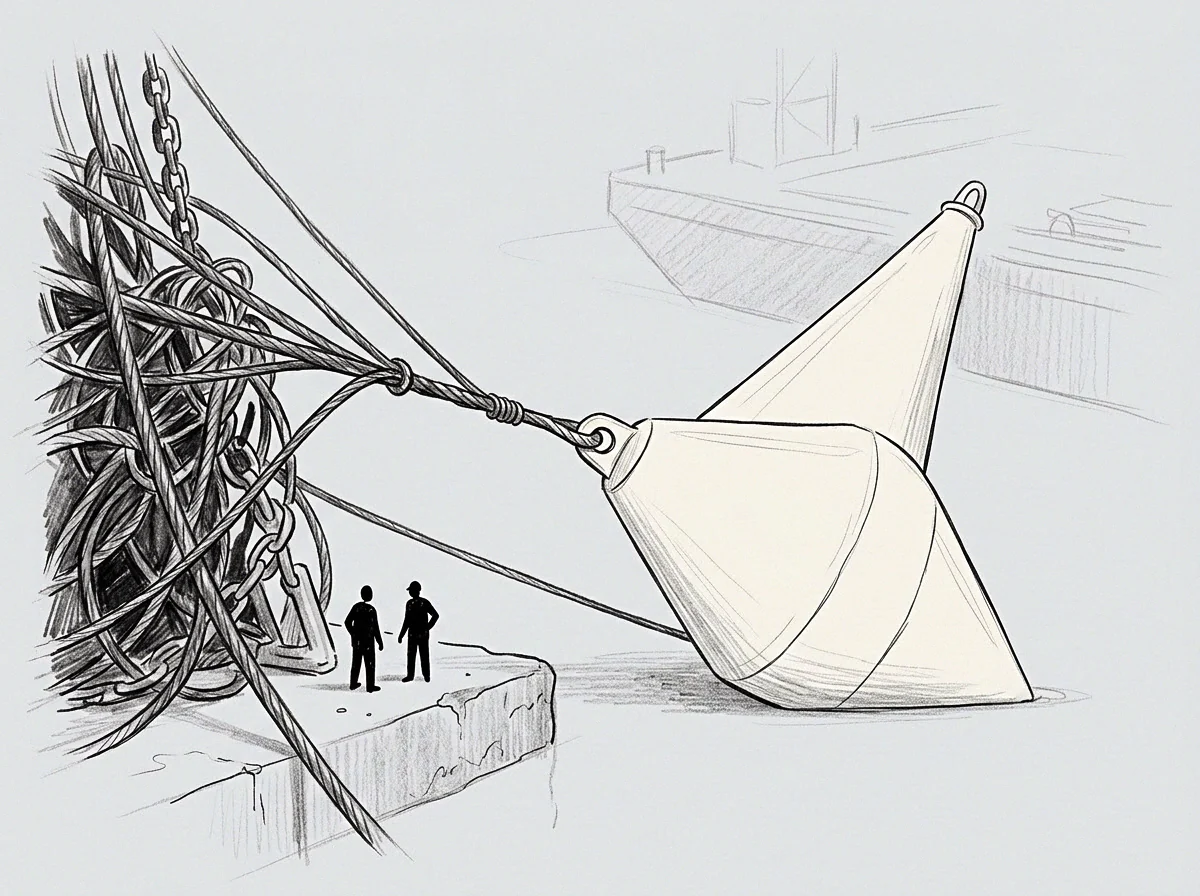
Metabolic Expense of Asymmetric Vigilance
Technical organizations frequently design escalation hierarchies that funnel ambiguity upward to a single senior operator. This topology creates an asymmetric regulation economy. Subordinates ping the lead engineer to offload their uncertainty; the lead engineer absorbs the panic, processes the architectural variables, and returns calm certainty.
The subordinate walks away relieved, their cortisol dropping within minutes. The lead engineer absorbs the transferred tension, holds it without an outlet, and returns to code review.
Sustained neuroendocrine stimulation alters baseline cognitive functioning over extended quarters. When glucocorticoid receptors in the prefrontal cortex become saturated by continuous cortisol exposure, executive working memory contracts. High capacity engineers notice this shift when complex distributed system states become difficult to hold simultaneously in active attention.
The technical executive begins avoiding complex refactoring proposals, delaying difficult vendor re-negotiations, and defaulting to defensive system designs.
Protracted physiological strain ultimately forces systemic metabolic collapse across multiple organ systems.
Seat
Responsibility settles where stability resides. Junior personnel and company directors observe an engineer remaining composed during service disruptions, so they route harder dilemmas toward that individual. The room misreads an absence of panic as an abundance of capacity.
Because the leader displays no visible fractures, executive teams assume the technical workload remains within tolerable bounds. Steadiness under fire becomes an invitation for heavier volume.
This dynamic operates through borrowed regulation. Humans instinctively tether their emotional state to the calmest nervous system in the room. In high-stakes engineering environments, direct reports borrow the leader’s composure to regulate their own panic about deadlines, production failures, or career standing.
The leader acts as an external prefrontal cortex for twenty or fifty people at once. Supplying external stability to others depletes the supplier’s internal reserves, particularly when no lateral peers exist to offer reciprocal regulation.
| Operating Dimension | Solitary Containment Stance | Distributed Regulation Stance |
|---|---|---|
| Escalation Gateway | Direct personal alerts via private messages | Explicit operational tiers with on-call rotations |
| Incident Damping | Leader absorbs anxiety to keep teams calm | Teams follow documented playbooks with shared oversight |
| Ambiguity Clearance | Unbounded ad-hoc consults during late hours | Scheduled architectural office hours with written agendas |
| Metabolic Recovery | Fragmented rest interrupted by operational monitors | Guaranteed disconnected recovery intervals between incidents |
Holding this position year after year reshapes relational architecture. When all incoming interactions require containment, the person in the seat learns to keep their internal state entirely partitioned. The engineering executive stops mentioning fatigue to colleagues, recognizing that any admission of strain creates organizational vertigo.
The team requires the leader to remain unshakeable, so the leader maintains an unbroken presentation of competence. The silence protects the company while isolating the person maintaining it.
A team borrows calm from the lead engineer without calculating the metabolic invoice incurred by the lender.
We see you holding the entire system together without breaking a sweat, so we brought you the infrastructure migration as well.

Surge
Technical crises rarely arrive in isolation. A database lock contention typically lands alongside a security disclosure or an engineering departure. Physiological systems handle acute surges through transient activation of the sympathetic-adreno-medullary axis, flooding muscle and brain tissue with epinephrine.
Once the immediate system outage resolves, healthy physiology drops back to baseline. Chronic allostatic saturation occurs when incidents overlap so closely that biological recovery windows drop to zero.
The technical leader enters a state of continuous low-grade emergency. Blood pressure spikes during daytime meetings and fails to dip at night, an anomaly clinicians call non-dipping nocturnal hypertension. Autonomic flexibility contracts, measured directly through compressed heart rate variability.
Low heart rate variability indicates that the vagal brake has failed, leaving the cardiovascular system trapped in persistent sympathetic drive.

What Signals An Exhausted Baseline?
Physical exhaustion in high capacity leaders rarely manifests as overt lethargy. It shows up as brittle decision-making, irritability during routine code reviews, and sudden reluctance to delegate technical authority. When allostatic load approaches ceiling, the nervous system prioritizes survival heuristics over long-term strategic analysis.
Leaders begin rejecting technical proposals out of hand, perceiving novelty as threat rather than opportunity.
Cognitive bandwidth drops under biological fatigue. The technical manager finds themselves rereading architectural documents three times without absorbing schema relationships. Working memory slots dwindle.
Tasks that once took twenty minutes now require two hours of fragmented effort because interruptions trigger intense visceral annoyance.
Scientific measurements in occupational health literature evaluate allostatic state through composite biological indexes. These panels track twelve distinct biomarkers across neuroendocrine, cardiovascular, metabolic, and immune domains: serum cortisol, dehydroepiandrosterone sulfate, epinephrine, norepinephrine, systolic blood pressure, diastolic blood pressure, waist-to-hip ratio, glycated hemoglobin, high-density lipoprotein cholesterol, total cholesterol, interleukin-6, and C-reactive protein. When high capacity operators test across these panels, high scores consistently cluster in individuals who report feeling mentally sharp despite experiencing severe somatic depletion.
The conscious mind insists that capacity remains intact, yet cellular telemetry indicates advancing biological exhaustion.
Does the technical organization recognize when an executive’s biological damper has reached structural failure before critical systems drop?
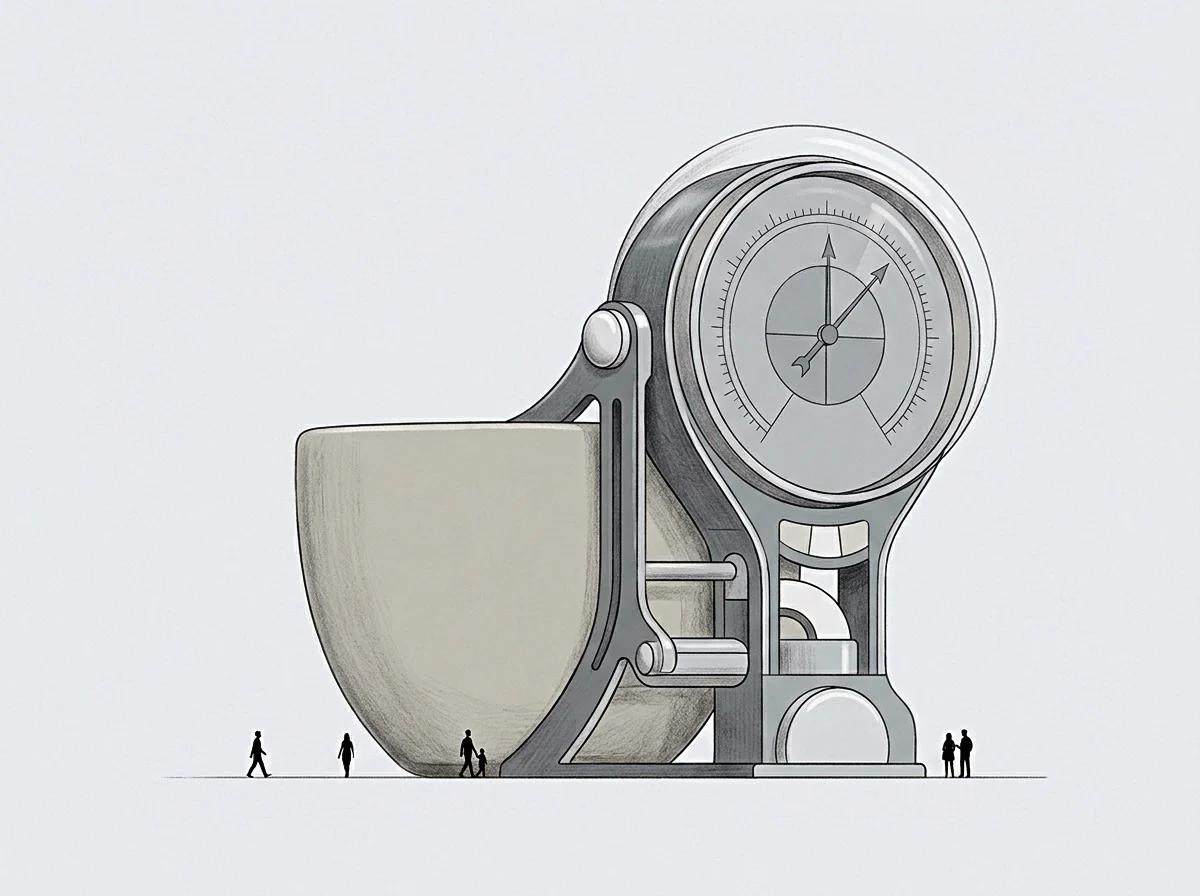
Drift
The habit of bearing load alone usually predates the executive title. Many high-performing engineers developed early life adaptations where stability was scarce, requiring them to become the predictable stabilizer for their households. In attachment research, this adaptation forms a regulator template run backwards.
The individual internalizes a model where safety exists only when they maintain complete control over surrounding chaos. Being held, supported, or protected by others registers as unfamiliar or unsafe.
This early adaptation creates a professional tragedy. The engineer builds extraordinary technical mastery precisely because over-preparation defends against catastrophic surprise. They rise swiftly to chief architect or vice president of engineering because their operational vigilance makes them exceptionally dependable.
The very trait that drove technical excellence becomes a lethal vulnerability when combined with corporate scale. The leader possesses an immense capacity to regulate others, but contains zero internal receptor slots for receiving support.
Structural adjustments alter how this leadership posture impacts organizational flow:
- Hard concurrency ceilings cap the volume of active technical investigations permitted per engineering lead at any given hour.
- Decoupled triage rotations route incident alerts through anonymous rotational schedules rather than named executive channels.
- Asynchronous operational handovers force incident commanders to step down after four hours of active containment regardless of incident severity.
- Formal boundary definitions specify which architectural tiers warrant executive waking alerts and which wait for morning triage.
When an executive operates without personal receptor slots, offers of assistance from peers or board members register as administrative friction or competence assessments. If a chief executive offers to absorb operational issues, the technical leader declines, convinced that explaining the underlying infrastructure would take more energy than fixing it personally. The leader remains trapped in solitary execution by their own psychological wiring.
A backwards regulator template reads offers of help as threats to competence.
Modifying this dynamic requires building earned security through repetitive physical proof rather than cognitive insight. Intellectual comprehension of allostatic load changes nothing in stress physiology. The autonomic nervous system updates its defensive posture only when a leader repeatedly surrenders operational control to a capable peer and discovers that the production cluster remains standing.
Over time, that repeated proof builds new neural expectations, permitting actual co-regulation to occur.
A written handover agreement specifying that production monitoring transfers entirely to an alternate engineering director at six in the evening alters the physiological stress baseline within three weeks.
Slack
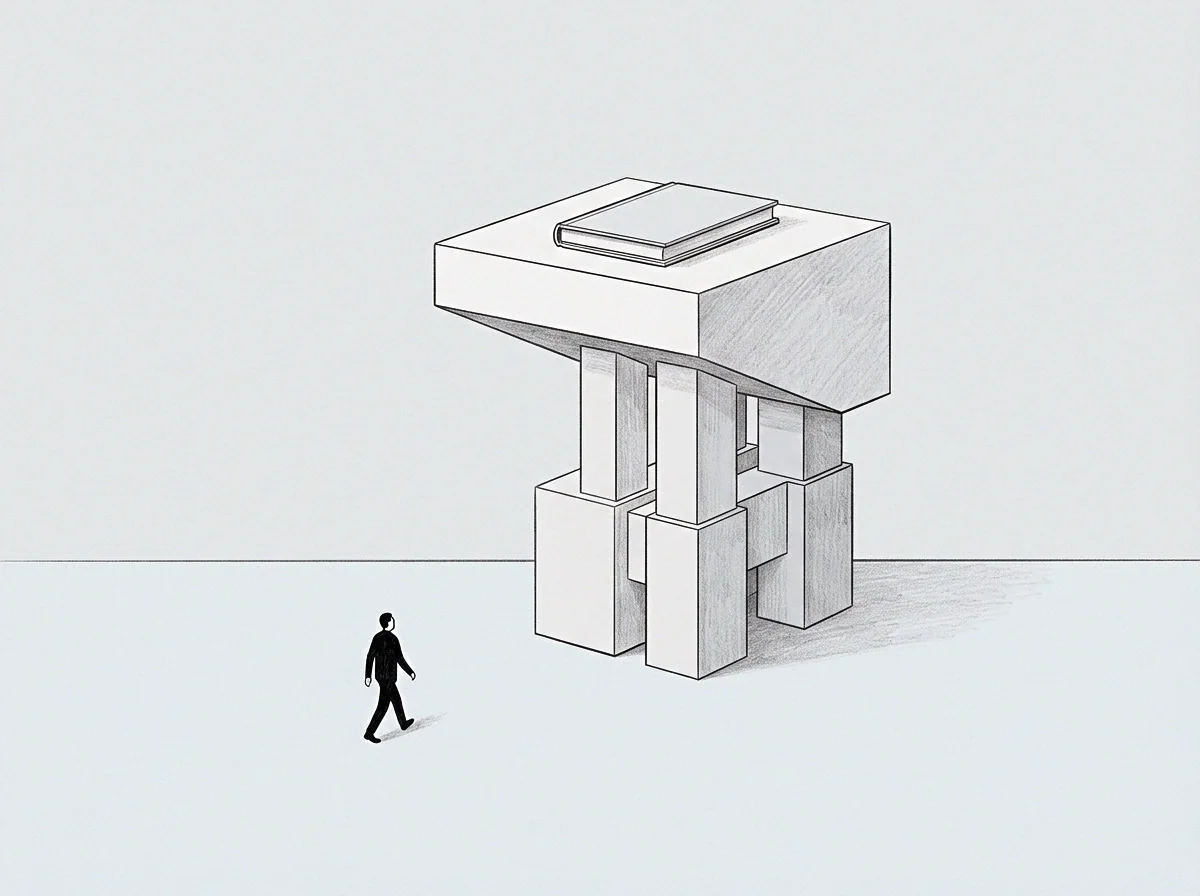
Technical leadership requires structural slack to remain biologically sustainable. Slack represents unused operational capacity deliberately held in reserve to absorb unpredictable system volatility without tapping emergency physiological reserves. An engineering executive who runs at ninety-five percent utilization during normal weeks will inevitably experience biological damage during operational incidents.
Sustainable technical stewardship treats human physiological capacity identically to infrastructure provisioning: over-provision headroom to survive peak traffic events.
Creating this headroom demands concrete operational changes. The technical leader must decline seats on secondary committees, stop attending non-essential planning rituals, and reject informal mentoring sessions that offer no reciprocal regulation. High capacity leaders resist this pruning because competence makes every problem look solvable.
Competence is not a mandate for involvement. Every unpruned operational thread draws continuous background attention, keeping the autonomic nervous system quietly mobilized throughout the week.
The executive seat must transition from continuous personal damping to structural redundancy. When an engineering leader designs automated failover, distributed logging, and resilient microservices, identical design principles belong in human staffing arrangements. Redundancy means having at least two individuals fully capable of holding incident triage, architectural arbitration, and board communications.
Without human redundancy, distributed technical systems remain dangerously fragile at the human intersection.
Recovery requires true physiological disengagement. Looking at production dashboards while on vacation prevents autonomic downshifts; the brain remains tethered to threat detection circuits. True downtime involves long stretches of low-stimulation activities: manual physical labor, extended wilderness immersion, or quiet presence with people who care nothing about technical architecture.
In these spaces, parasympathetic vagal activity reactivates, blood pressure restores healthy nocturnal dips, and allostatic load begins its slow, cellular retreat.
Headroom in technical leadership is maintained by what an executive refuses to touch rather than by what they execute.