

Designing Operational Filters To Lower Executive Cortisol And Stress Wear
Operational filters reduce executive cortisol wear by converting ungated incoming threads into structured tasks with defined scope and completion dates.
Operational filters reduce executive cortisol wear by converting ungated incoming threads into structured tasks with defined scope and completion dates.

Stated concurrency limits restrict context switching across isolated operational threads to prevent cross-stream allostatic load accumulation.
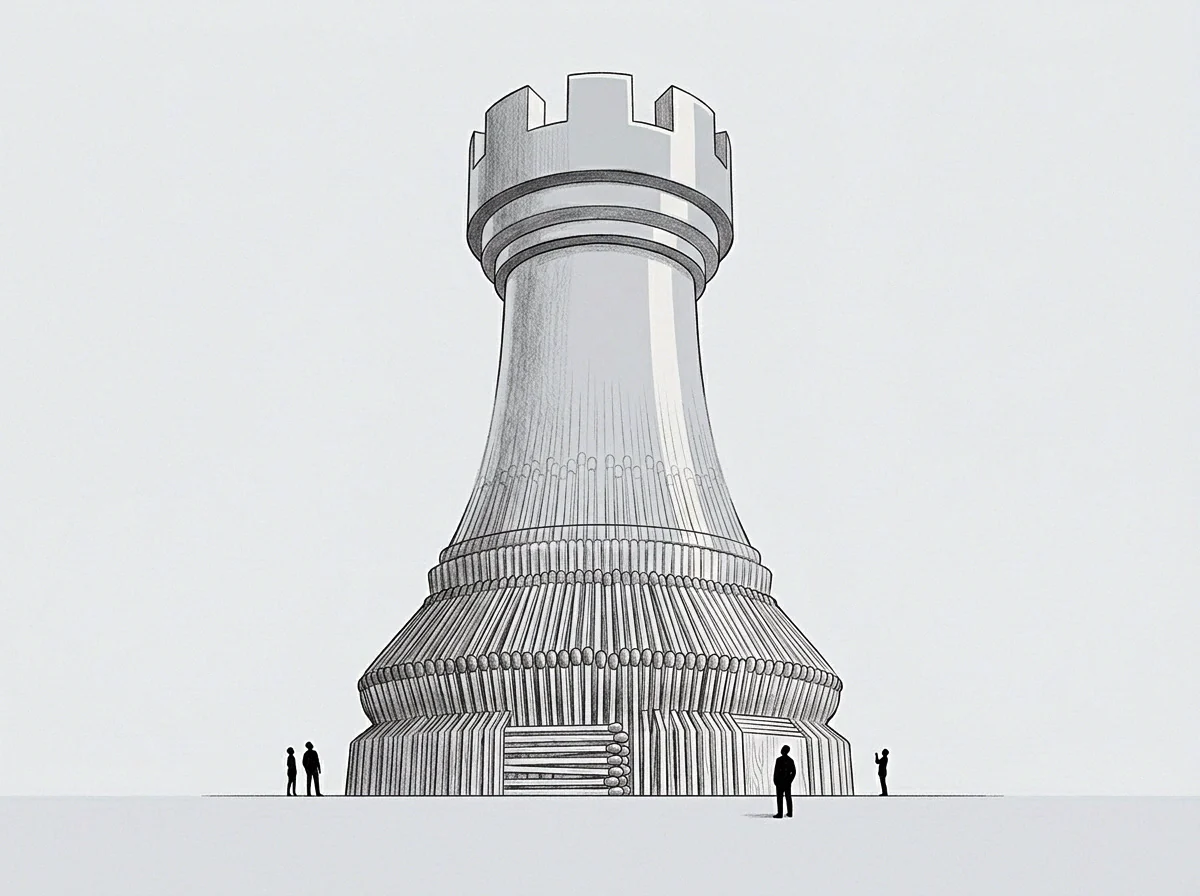
Solitary threat monitoring forces continuous autonomic elevation, whereas social baseline proximity distributes regulation costs across trusted counterparties.

Allostatic load transfers across executive coalitions when dysregulated officers continuously rely on baseline-stable peers to down-regulate sympathetic arousal.
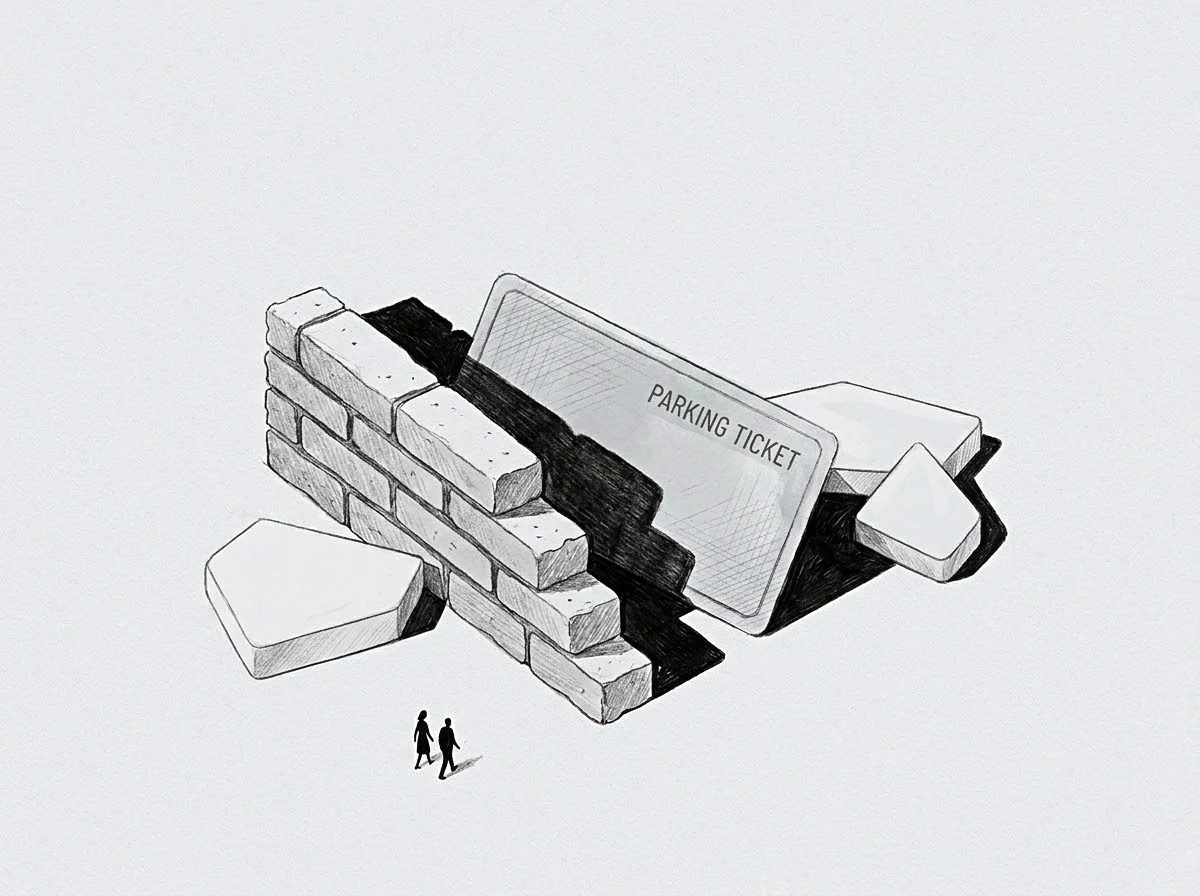
An isolation interval breaks when external signaling penetrates set boundaries, requiring explicit state gated filters to reestablish focused synthesis.

Calibrated interpersonal receptivity protects executive autonomic reserves by replacing unbudgeted emotional containment with structured operational intake.

Setting structural intake limits caps concurrent open cognitive threads, preventing elevated allostatic load and maintaining executive strategic capacity.

Proximity to a steady partner lowers the metabolic cost of baseline threat regulation by offloading prefrontal expenditure onto a shared physiological baseline.
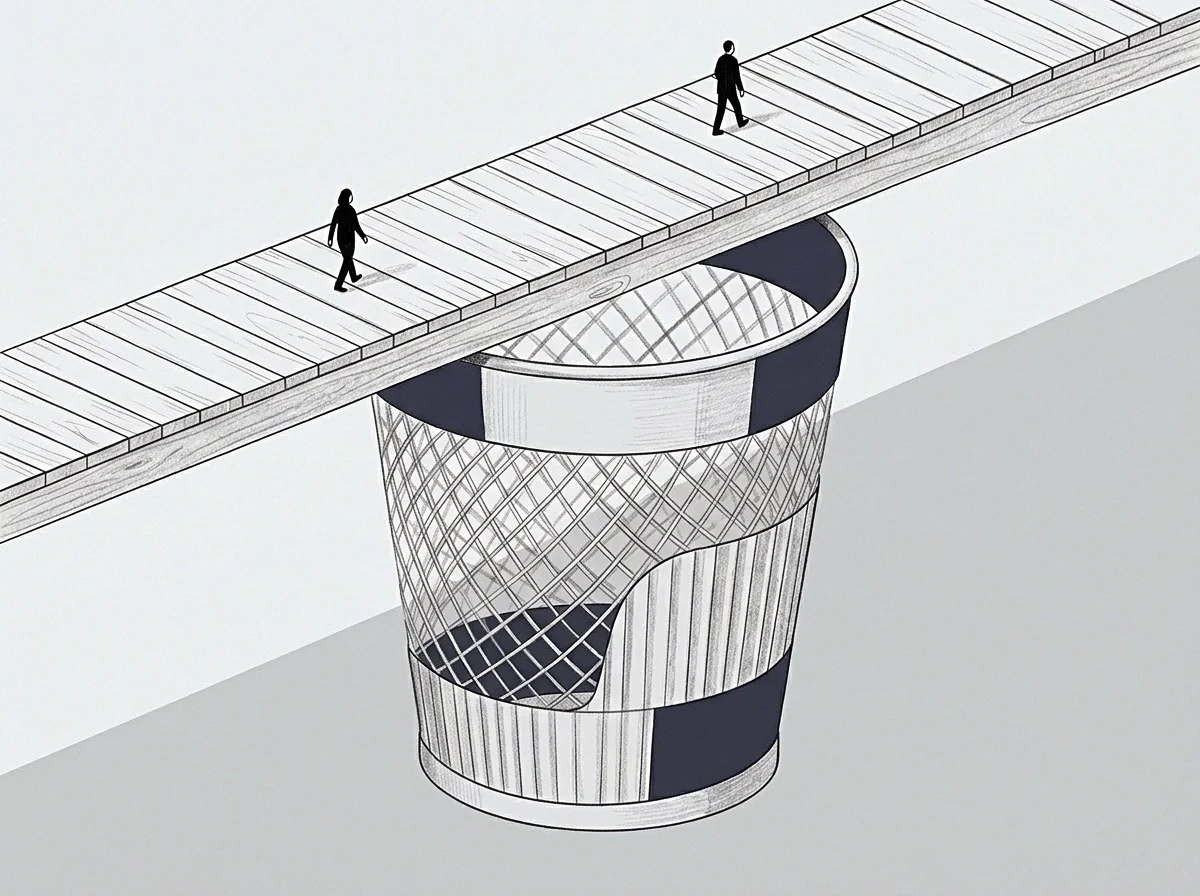
Calibrating operating limits involves bounding decision scope, setting hard escalation thresholds, and gating ungated loops under asymmetric authority.
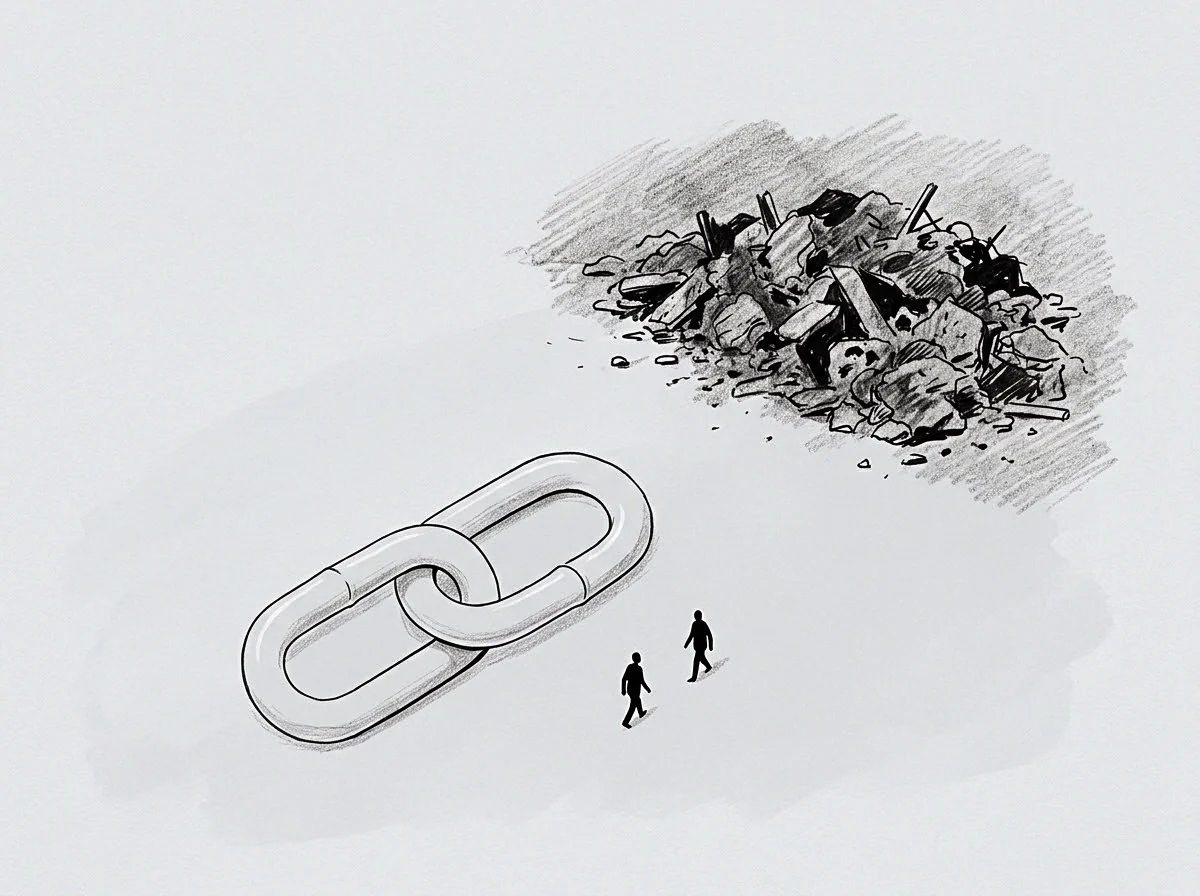
Gating real time availability limits active cognitive threads, preventing executive physiological collapse while driving distributed team self-regulation.
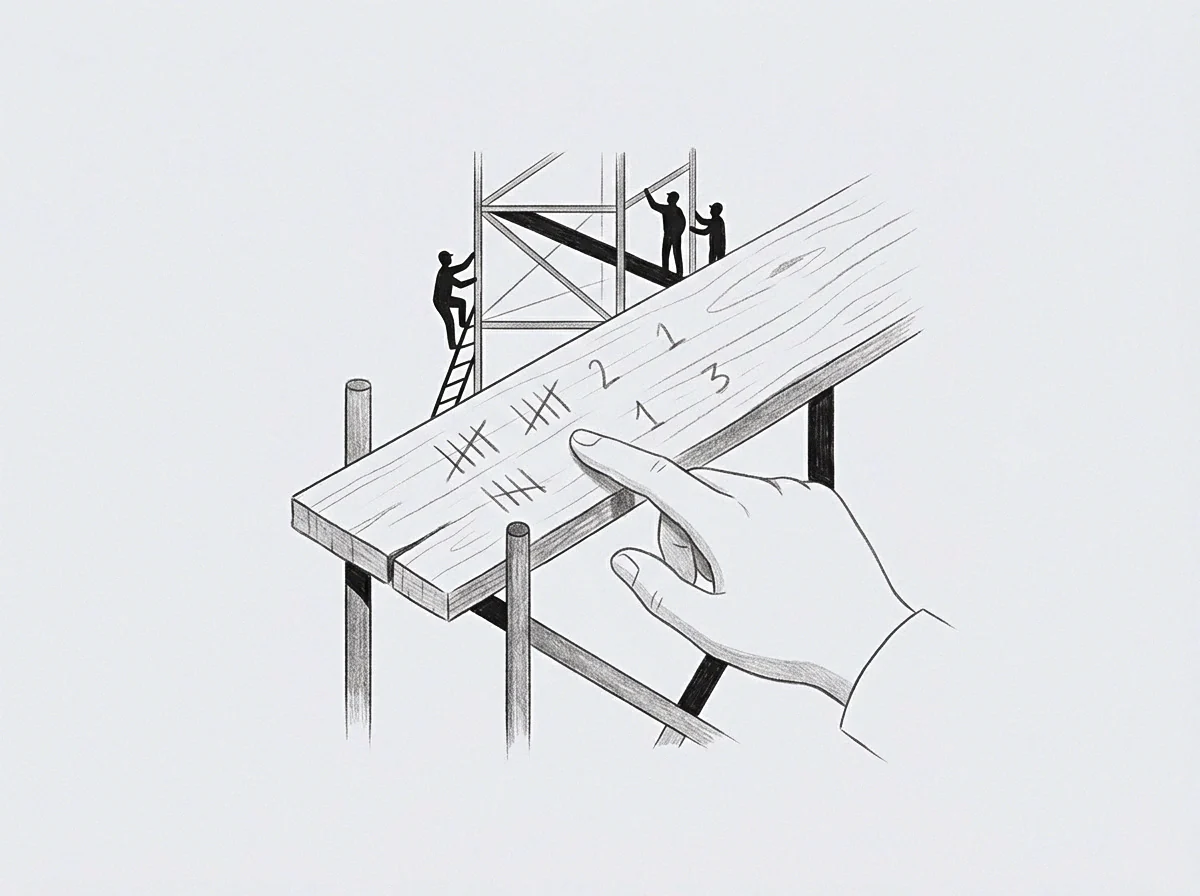
Executive team autonomy depends on replacing direct founder co-regulation with structural governance boundaries that absorb operational risk stress.

Stated response limits decouple intake from execution, reducing allostatic wear by converting continuous interruptions into bounded processing windows.

Social baseline theory shows human brains treat proximate reliable state as energy savings, concentrating operational strain onto whoever remains regulated.
The terms are written where they belong. Each field holds three desks, and every entry a desk writes raises the terms it uses, each term given a meaning, a mechanism and the places it appears. The record on these pages stays first person and hand made; the fields grow the nomenclature.