
Preserving Relational Baseline Stability During Rapid Expansion
Preserving relational stability during rapid expansion requires distributing co-regulatory load across operational peers to prevent solitary nervous system collapse.
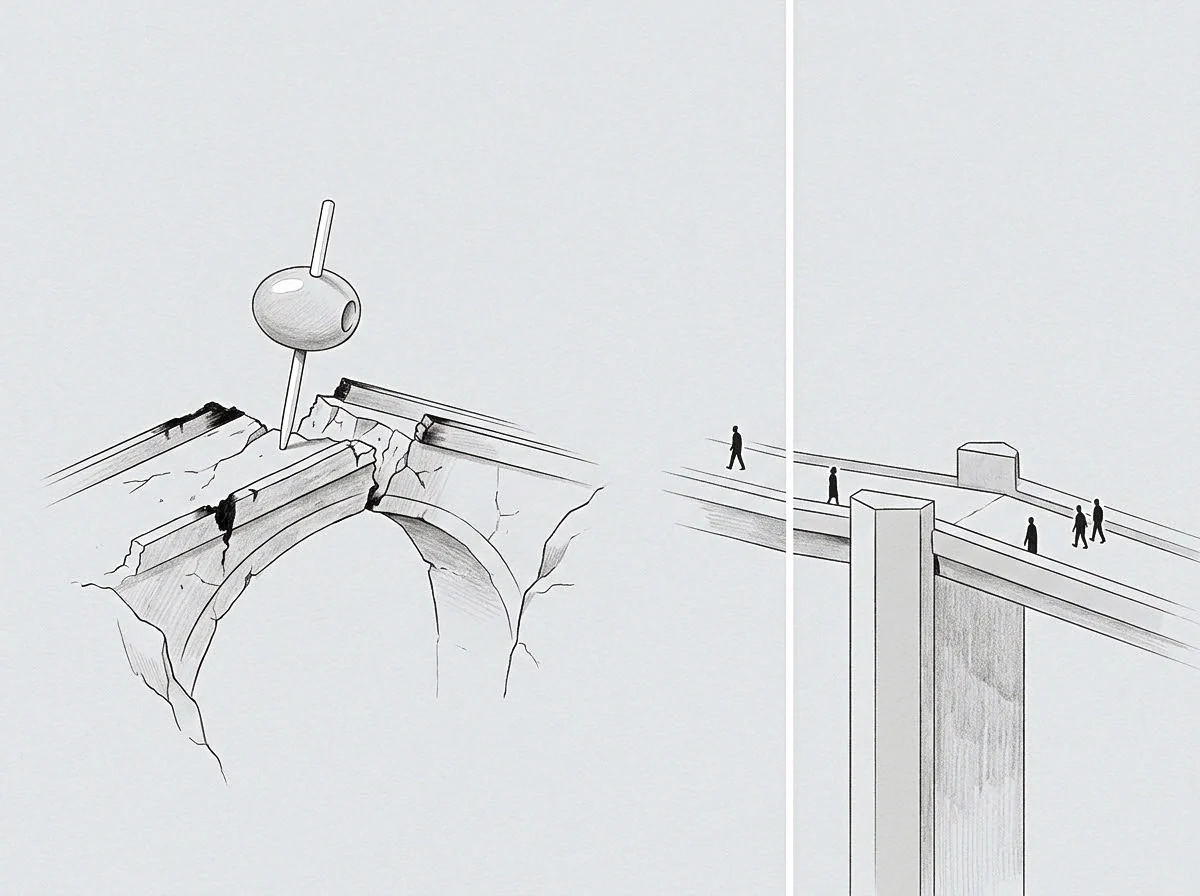
Intake
Four communication threads running simultaneously during a sprint will saturate the working capacity needed for autonomic equilibrium. The nervous system constantly weighs operational demand against available co-regulatory support. When company velocity triples within a single quarter, incoming distress signals outpace prefrontal processing.
A founder absorbs panic from team leads, hesitation from capital partners, and drag from operations with no secondary nervous system to distribute the load, leaving the biological cost to accumulate behind otherwise steady metrics.
The brain conserves metabolic energy by assuming baseline support from familiar peers. Under social baseline theory, physical or relational proximity to dependable figures measurably drops neural activity in the dorsal anterior cingulate cortex and anterior insula when anticipating threats. When head count expands from eight operators to eighty, interpersonal friction signals multiply tenfold while direct access to grounding peers thins out.
Every incident then demands isolated personal effort, simply because the sheer count of nodes outruns the trust required to outsource autonomic regulation.
Threat appraisal rises predictably whenever interpersonal proximity drops beneath the rate of incoming structural friction.
A founder in the middle of rapid growth often mistakes this somatic toll for personal inefficiency. Without predictable relational buffering, the central nervous system defaults to an emergency state, directing baseline metabolic reserves into vigilance and immediate triage. Cortisol and catecholamines stay elevated to keep up constant scanning.
Sleep architecture breaks down as slow-wave cycles shorten, which chips away at executive functioning and emotional containment capacity. Biological depletion ends up funding the company’s acceleration.
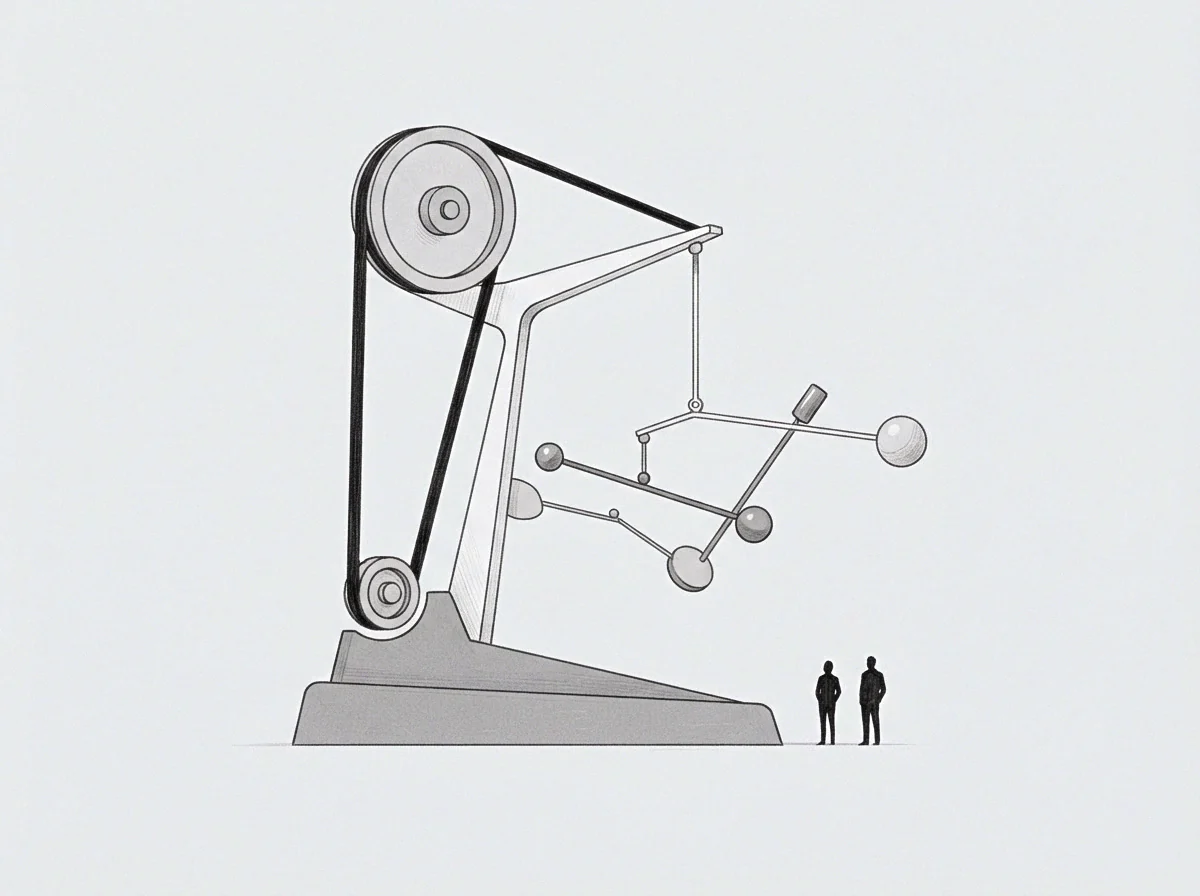
Metabolic Consequences of Unbuffered Growth
Scaling an operation forces an abrupt reallocation of executive attention. A founder managing fifteen direct reports faces unbroken micro-threat signals across fragmented status threads, rapid escalations, and unverified assumptions. Without a secondary peer in the executive tier to absorb operational friction, the primary operator acts as an ungrounded terminal.
Rapid expansion introduces three distinct structural burdens upon the regulatory baseline:
- Relational dilution diminishes the depth of familiar communicative shorthand across operational leads, forcing explicit verbal negotiation for decisions that previously occurred through shared intuition.
- Attentional fragmentation scatters executive focus across twenty competing priorities simultaneously, elevating baseline allostatic load through relentless contextual switching.
- Isolation under load removes the physical presence of peers capable of witnessing operational stress without demanding regulatory containment in return.
Left unbuffered, continuous operational intake pushes the neuroendocrine system into protective shut-down, showing up as sharp executive detachment and erratic operational swings across the business.

Cord
Physical proximity is the basic mechanism human nervous systems use to balance threat responses. When two operators sit at the same desk during a crisis, non-verbal cues steady heart rate variability and breathing cadences without a word spoken. The brain registers a co-present body as pooled metabolic capacity.
Take that presence away, and the operator spends twelve working hours compensating alone.
Remote teams communicating through asynchronous tools lose these equalizers entirely. Text channels remove vocal prosody, pupil dilation, and subtle postural shifts from tense decisions. A sudden digital notification lands neurobiologically as an ambiguous threat, triggering an adrenergic response until context catches up.
An executive taking in forty asynchronous pings an hour remains in sustained reactivity, cut off from the physical feedback of a peer.
A silent room shared with a grounded colleague lowers baseline autonomic expenditure across an operational crisis.
Founders often try to counter this exhaustion by packing the calendar with more meetings. But tightly structured video calls add cognitive strain through fixed screen focus and performative attention. Discharging baseline stress requires low-demand co-presence.
Sitting in the same room while working on separate problems lets the dorsal vagal system settle into safety, where the physical presence of a calm colleague serves as an autonomic ground.

Establishing Structural Proximity Under Load
Maintaining baseline stability means building deliberate spaces for physical or synchronous stillness into the working schedule, protecting against total relational erosion under pressure.
- Synchronous focus windows establish uninterrupted hours where core partners work alongside one another without agenda items or status reporting.
- Unfiltered status exchanges permit raw situational naming before operational triage begins, preventing the accumulation of masked affective tension.
- Protected off-grid hours disconnect primary operators from digital inputs simultaneously, resetting collective hypervigilance through mutual absence from the network.
Working side by side in silence protects executive capacity far more effectively than another alignment meeting.
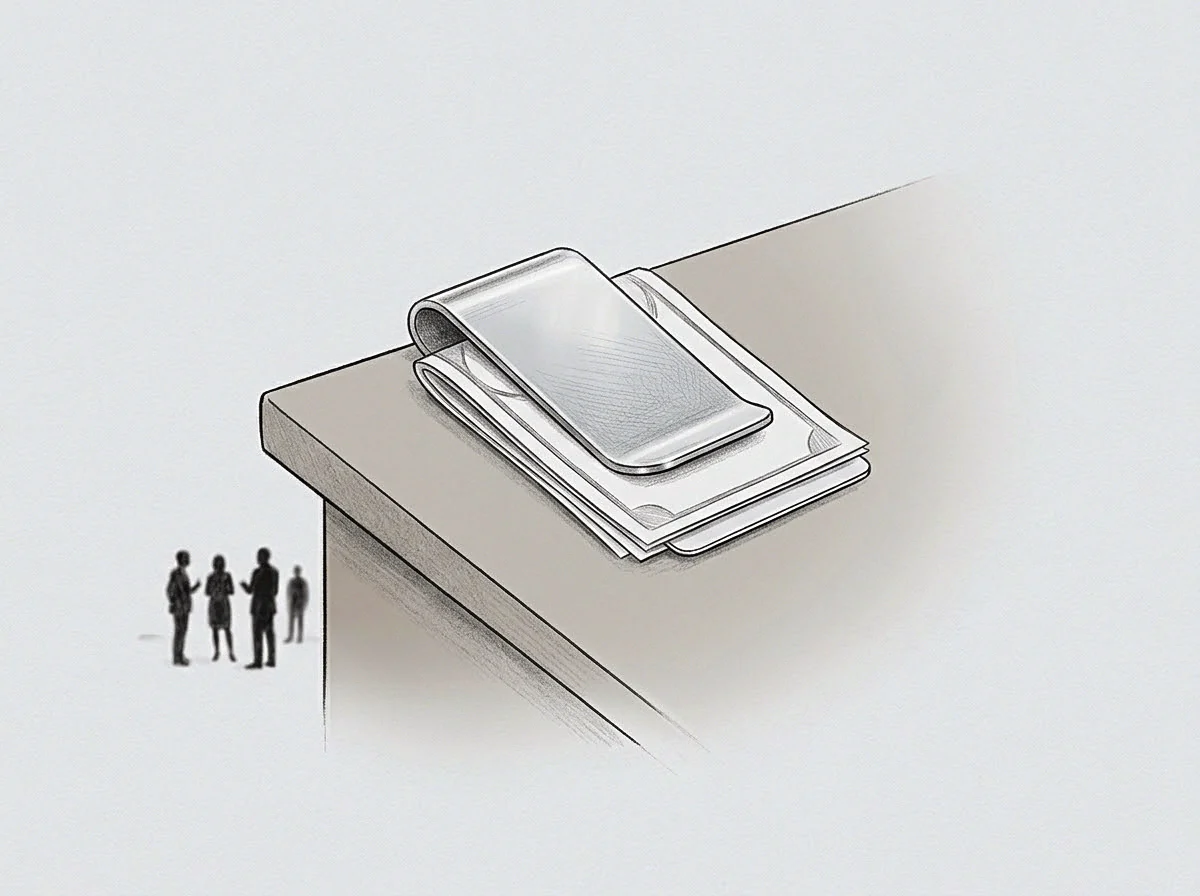
Ceiling
Every nervous system has a ceiling for absorbing interpersonal friction. When operational demands cross that threshold, executive function narrows from long-term synthesis to damage control. A founder who previously absorbed team anxiety starts showing clear signs of strain: terse replies, stalled decisions, or sudden emotional withdrawal.
Spotting this limit early is what prevents a wider operational stall.
Rapid expansion multiplies inbound relational demands while individual recovery capacity stays flat. Seeing a founder handle pressure calmly, the team assumes unlimited bandwidth and pushes more unresolved conflict upward. This forms a destructive loop: the more effectively an executive steadies the company, the more friction gets routed straight to their desk.
Solitary habits often keep an operator from stating hard capacity limits until something breaks.
Capacity stated too late registers across the organization as sudden abandonment.
The table below contrasts an integrated relational baseline against a depleted baseline pushed to its ceiling.
| Operational Domain | Integrated Baseline State | Depleted Ceiling State |
|---|---|---|
| Threat Processing | Contextual evaluation with measured physiological return to resting state | Chronic hyperarousal with persistent catastrophizing and reactive decisions |
| Interpersonal Tone | Neutral, grounded vocal cadence and open physical posture during escalations | Monosyllabic directives, clipped electronic messages, and physical withdrawal |
| Relational Reception | Receptive capacity for operational feedback without defensive posturing | Immediate externalization of structural blame and affective shut-down |
| Executive Scope | Long-term strategic synthesis maintained alongside crisis management | Tunnel vision focused strictly on immediate fire suppression and survival |
When that regulatory ceiling is breached, direct reports often interpret the executive’s withdrawal as indifference or a sudden loss of operational control.

Signal
Explicit relational boundaries act as functional regulators during growth sprints. A clearly defined operational limit protects executive physiological capacity from exhaustion. When an operator draws definite lines around accessibility, teams learn to resolve local friction themselves instead of routing every tremor to the top.
Ambiguity around availability simply invites an endless stream of inbound demands.
Early-stage teams naturally default to continuous access, and founders frequently worry that setting limits signals detachment or slows momentum. In practice, establishing predictable schedules for availability lowers anxiety across the team. When direct reports know exactly when and how escalations will be handled, their working rhythms stabilize around dependable intake windows rather than remaining in perpetual standby.

The Architecture of Stated Parameters
Defending baseline capacity requires explicit operating parameters. These conditions establish clear limits that keep working relationships functional under load.
Specific structural parameters maintain equilibrium during hyper-growth:
- Asynchronous escalation thresholds mandate that operational issues below a defined commercial value stay within local operational circles.
- Triage communication windows restrict unstructured direct-messaging pings to two scheduled daily intervals, preserving continuous cognitive flow.
- Sole-operator decision rights distribute final accountability across designated operational leads, eliminating redundant executive approvals.
Setting a firm rule that cuts off executive availability after seven in the evening compels operational leads to build their own containment capacity, turning reactive escalation into independent resolution.
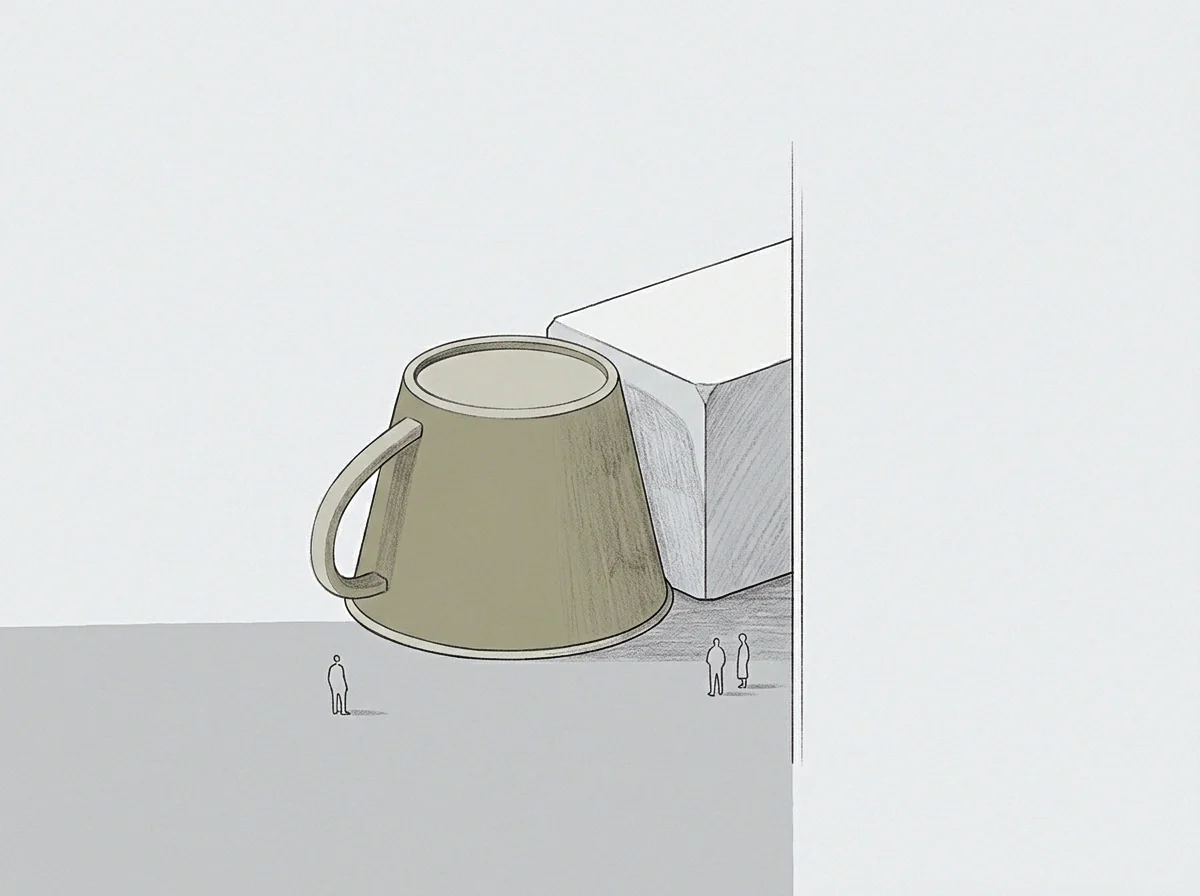
Shift
Maintaining baseline stability through rapid expansion requires rethinking the mechanics of leadership. Early company building rewards total self-reliance and individual endurance. At scale, however, that habit becomes a severe physiological liability.
Sustained growth demands shifting from solitary containment to a distributed operational network.
Earned operational security comes from repeated, firsthand proof that relying on capable peers does not lead to failure. Intellectual understanding of these mechanisms does not alter autonomic responses on its own. The prefrontal cortex can readily justify delegation while the amygdala stays hypervigilant.
The nervous system resets its threat budgeting only after watching partners repeatedly absorb and resolve real crises.
A second regulatory template forms through repeated physical experiences of distributed containment.
This adjustment demands deliberate tolerance of discomfort at the executive level. An operator has to endure unmade decisions, unread messages, and minor errors without stepping in immediately. Allowing teams to work through friction within defined guardrails trains the nervous system to trust the wider network, expanding capacity from an individual bottleneck into an institutional foundation.
How many cycles of safe, shared containment must a hyper-vigilant nervous system endure before it permanently relinquishes solitary regulation during an existential corporate crisis?