
Social Baseline Adaptation Following Extended Solitude
Extended solitude shifts neural budgeting to solo threat monitoring, rendering initial co-regulatory presence an energetic load rather than calm.
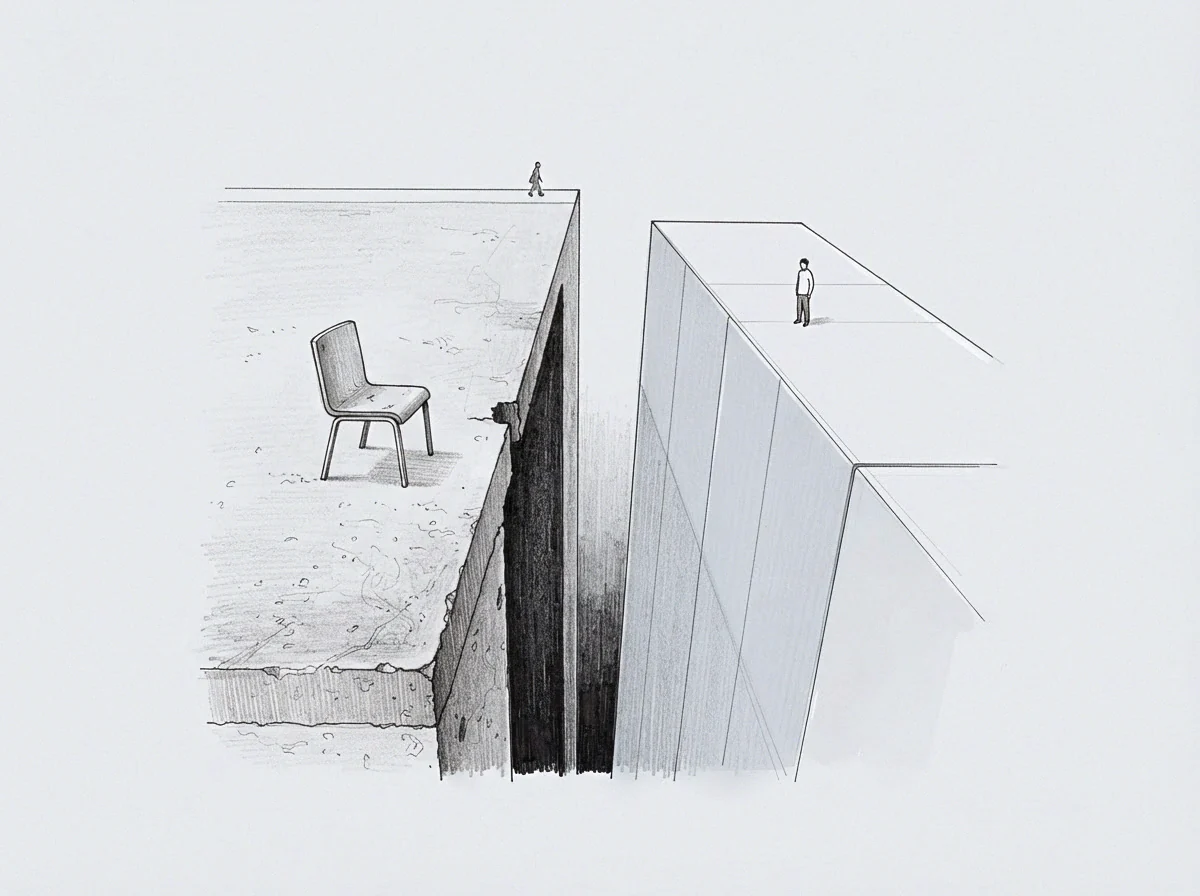
Economy
Four months of continuous solo building alter the internal baseline through which the brain evaluates safety and threat. Operating without regular interpersonal contact leads the nervous system to reallocate metabolic resources away from social processing and into vigilant self-preservation. Under social baseline theory, human physiology assumes proximity to familiar, reliable peers as its default energy-saving state, relying on the group to share the work of threat monitoring and metabolic regulation.
When that presence disappears, the solitary brain takes on the entire budget itself, keeping autonomic arousal high to handle environmental risks alone.
This adaptation reorganizes how neural resources are directed. Autonomic vigilance climbs, basal cortisol secretion changes pattern, and sustaining that level of attention becomes metabolically expensive. An individual working alone settles into a localized balance where safety rests strictly on personal control and predictability.
When other people re-enter that workspace, the nervous system does not automatically register their presence as a relief mechanism.
Shared regulatory capacity lowers autonomic arousal only when the internal model registers the secondary actor as reliable.
Incoming social cues still demand active interpretation: intent, tone, and physical movement all require deliberate processing. What theoretically functions as a resource instead acts as an immediate monitoring overhead. The brain treats new interpersonal inputs as stimuli to track rather than external support, so operating from a solo baseline inside an active team drives allostatic load up and leads to fast exhaustion.
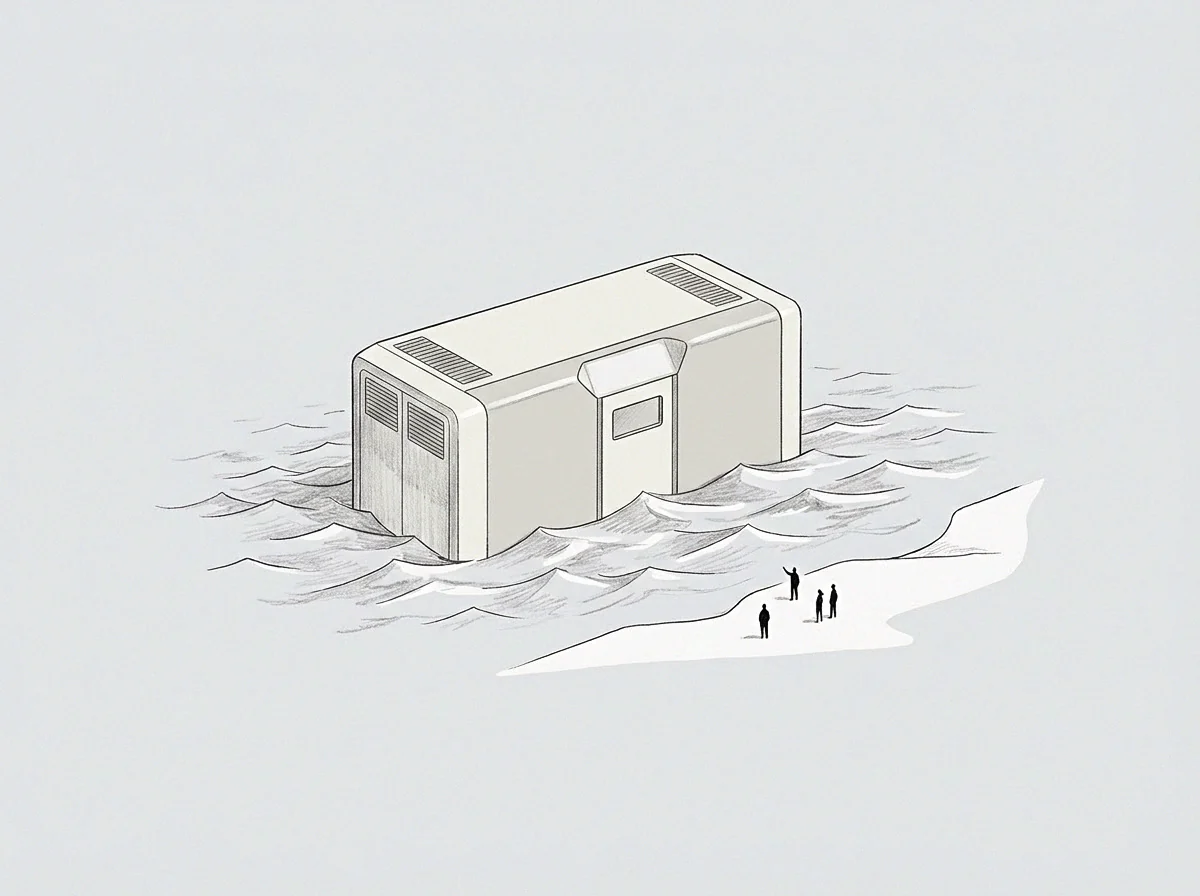
Seat
Prolonged isolation reshapes how the nervous system handles physical space and interpersonal distance. A person accustomed to months of working alone establishes an insular spatial and working rhythm, where ambient noise, movement, and timing remain predictable because they all stem from one person. Physical proximity from a new operator or colleague breaks that predictable loop, setting off defensive orienting reactions in the nervous system.
Close physical quarters force the brain to spend attention on sensory information it previously could ignore. Silent co-working still introduces continuous micro-updates: breathing patterns, minor posture shifts, and peripheral movement. Instead of settling alongside an adjacent colleague, a solo-adapted nervous system reads those physical cues as potential interruptions.
- Vigilance Persistence maintaining heightened environmental scanning despite the absence of overt hazards.
- Regulatory Desynchronization experiencing incoming conversational pacing as an intrusive metabolic demand.
- Signal Throttling suppressing social outreach cues to conserve immediate cognitive reserves.
Transitioning out of solo work brings distinct breakdowns where autonomic overload leads to defensive posture. Direct eye contact and sudden questions demand considerable cognitive processing. On a solo baseline, the brain throttles social channels to prevent saturation, showing up as flat affect, clipped replies, or withdrawal.
A quiet presence meant as support ends up processed as an ongoing demand.
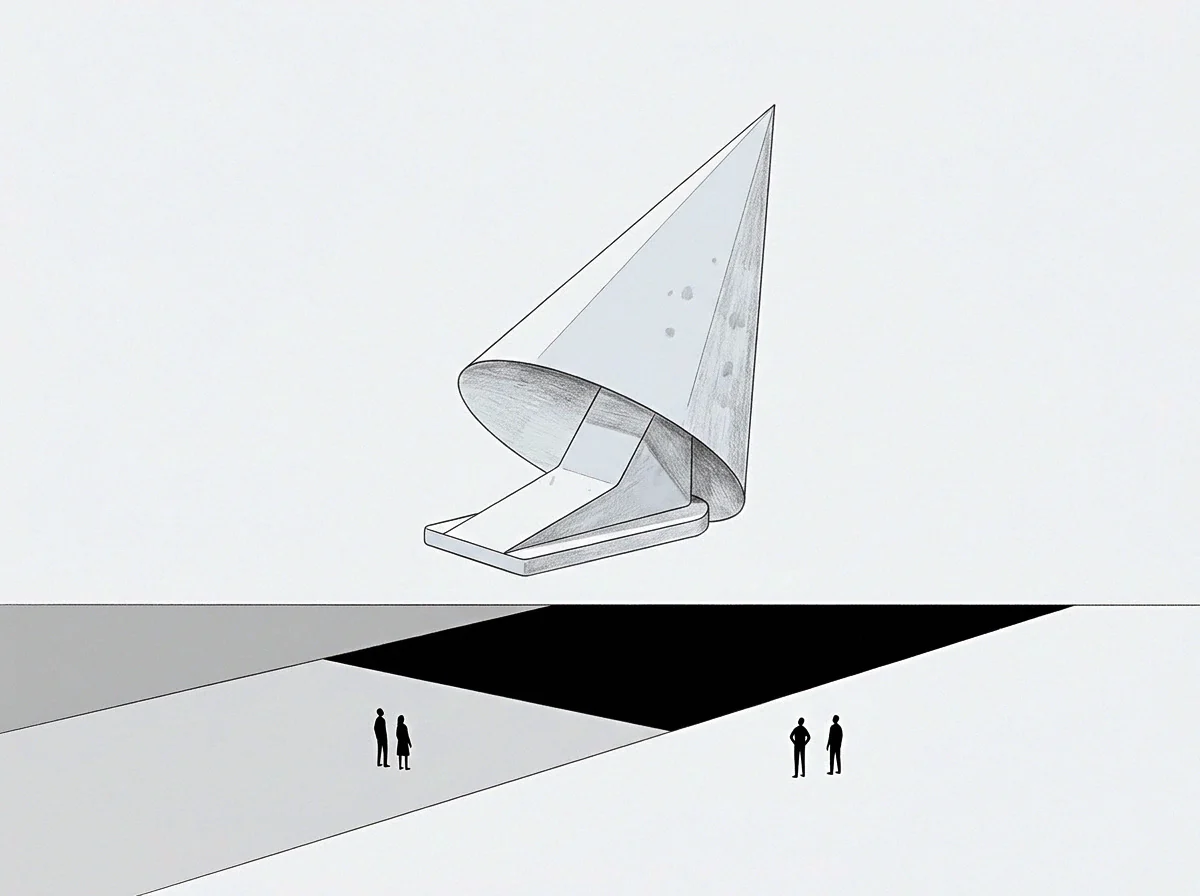
Template
Internal working models develop out of relational history and govern how another person’s presence is cataloged. Extended solitude resets these models downward, muting the neural pathways that accept external emotional regulation. When left unengaged, that receptive capacity closes, leaving an individual dependent on self-regulation during acute operational stress.
When a calm peer enters a high-pressure setting alongside an isolated operator, regulatory transfer does not simply happen on contact. The isolated operator lacks the neural priming required to draw composure from the peer’s physiological state.
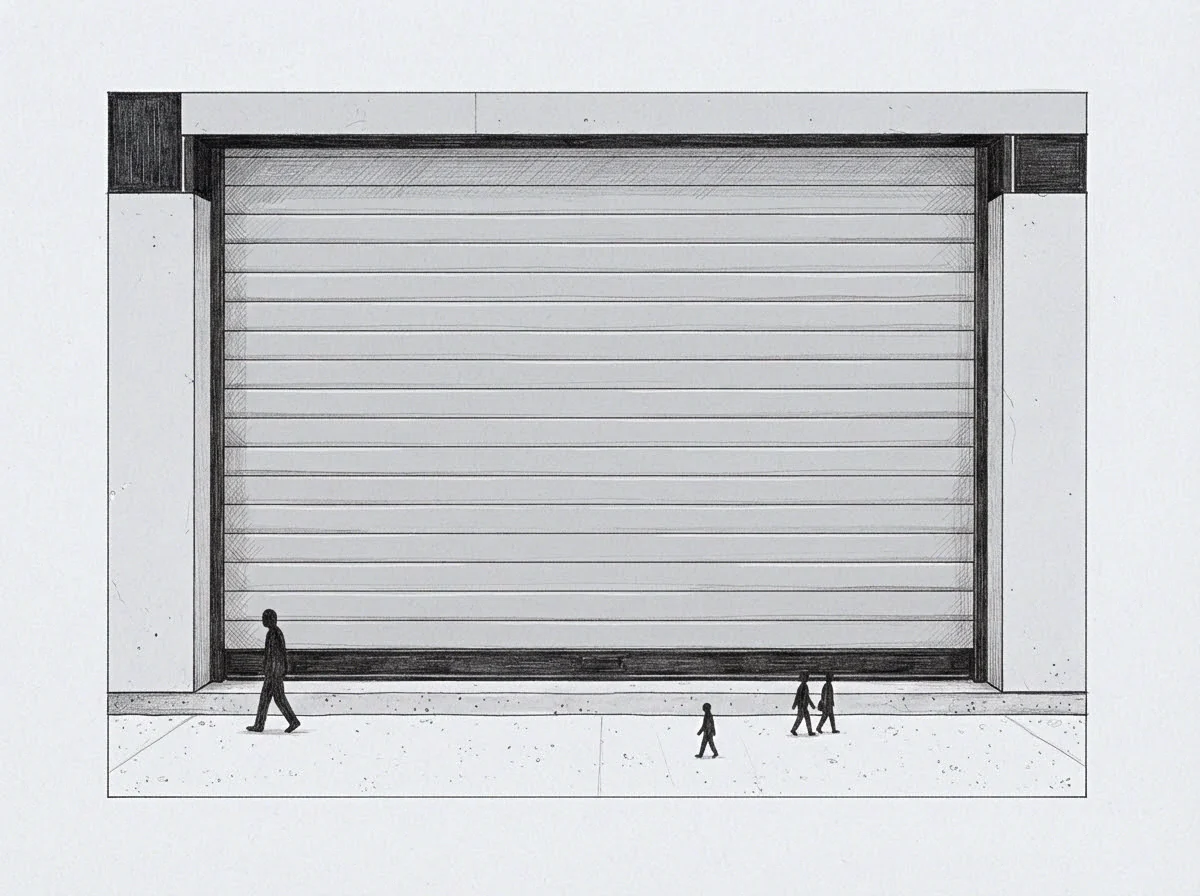
Why Does Proximity Fail to Induce Calm?
A second person might enter the room with steady heart rate variability and relaxed musculature, assuming composure will transmit naturally. Yet borrowing that regulation requires a working neural receptor that translates low threat cues in someone else into an internal safety signal. Prolonged isolation closes that channel, causing the nervous system to treat another person’s relaxed posture with suspicion or friction.
A closed receptor slot forces the nervous system to process supportive presence as ambient cognitive load.
The brain treats the peer’s composure as an unvetted external variable rather than a stabilizing point. Until the internal model recalibrates through consistent, confirmed safety, the other person’s calm remains something to monitor rather than a source of relief. Developing that security requires predictable, non-coercive interactions across consecutive weeks before neural threat baselines begin to decline.
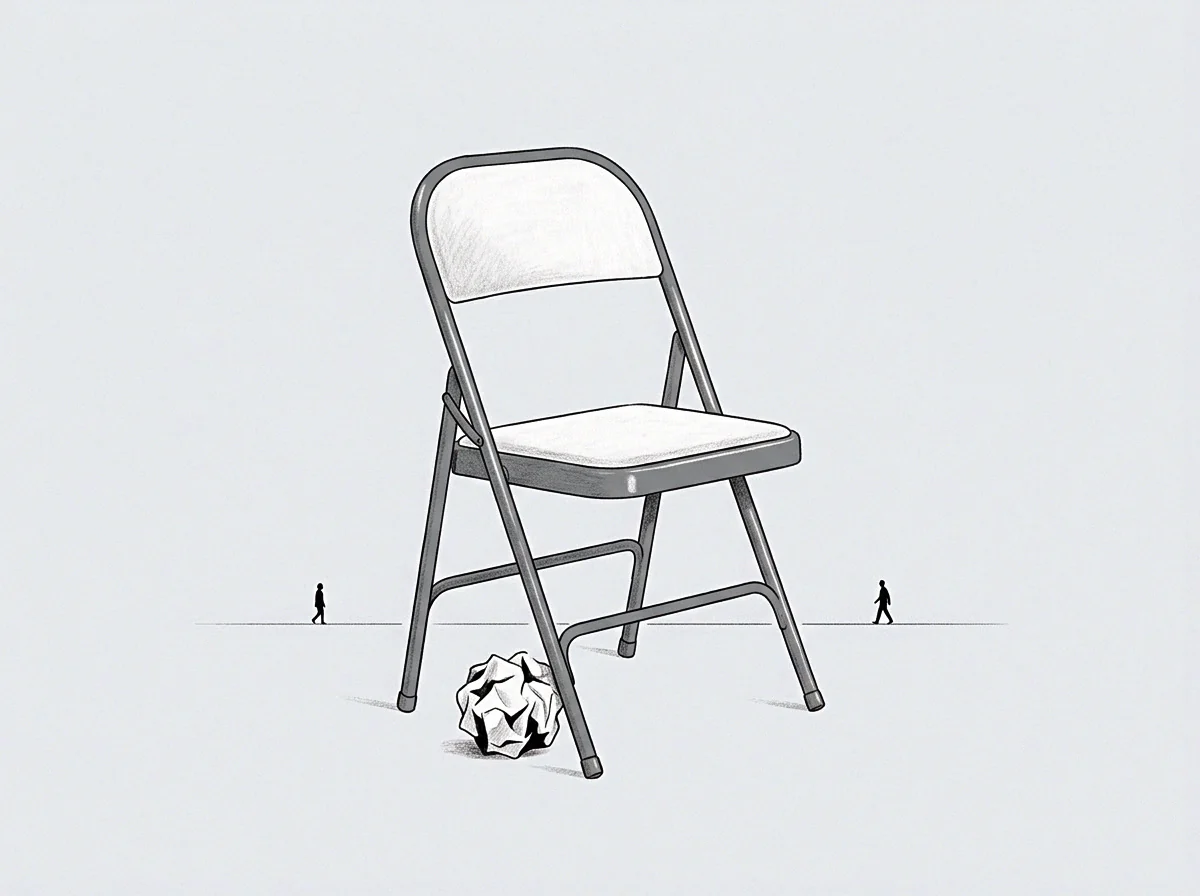
Friction
Re-entering collaborative setups creates immediate friction between solo energy budgeting and mutual co-regulation. Two co-founders reuniting in an office after six months of isolated regional work illustrate the dynamic: Founder A is tuned to a solo baseline, keeping tight command over task sequence and running on high autonomic vigilance, while Founder B arrives expecting physical proximity to deliver immediate ease and shared focus.
Co-regulation reduces metabolic strain only after mutual alignment takes hold. When Founder B pulls up a chair and starts an unscheduled strategy discussion, Founder A experiences an immediate rise in threat monitoring. That unexpected presence derails Founder A’s localized working rhythm, draining energy quickly and prompting irritability.
| Regulation Mode | Threat Detection Overhead | Neural Energy Expenditure | Integration of External Signals | Recovery Latency Following Stress |
|---|---|---|---|---|
| Prolonged Solo Baseline | High autonomic scanning | Maximum individual allocation | Rejected as cognitive noise | Extended individual recovery |
| Transitional Co-Regulation | Variable monitoring spikes | Elevated dual allocation | Evaluated with delay | Moderate variable recovery |
| Re-established Social Baseline | Low distributed scanning | Optimized shared allocation | Absorbed as safety signal | Rapid mutual recovery |
Mechanical control systems show a comparable shift moving from autonomous to networked operation. An autopilot running in isolated mode calculates flight vectors entirely from onboard sensors; linking it to external radio beacons requires a calibration step where incoming signals are verified against internal telemetry before the control loop accepts them. The human autonomic nervous system goes through the same verification during interpersonal re-entry.
Physical presence alone yields no regulatory savings until individual threat detection yields to shared environmental monitoring.
During this transition, metabolic cost temporarily exceeds that of working solo, as the nervous system must run its internal regulatory loops while simultaneously tracking interpersonal dynamics. Shared calm only takes hold once environmental monitoring can be transferred to the other person without constant verification.

Recalibration
Restoring the capacity for shared energy regulation requires low-demand physical proximity. Pushing for rapid alignment through intense collaborative sessions often misfires by overloading an already vigilant nervous system. The neural circuits that adapt to solitude do so through exposure, and they return to shared baselines through parallel, low-friction presence.
- Consistent low-threat presence without immediate conversational demands allows autonomic nervous systems to synchronize.
- Gradual reduction of individual environmental monitoring lowers physiological stress markers across extended work sessions.
- Re-establishment of shared regulatory slots permits direct absorption of calm from secondary actors during acute operational spikes.
The internal model remains guarded until consistent physical experience proves that sharing threat monitoring carries no hazard. Silent parallel work, where two operators share a room on independent tasks without forced engagement, offers an effective neural setting for baseline recalibration.
Repeated shared stillness restructures threat evaluation faster than explicit verbal assurances.
Under sustained, low-demand co-presence, the solitary brain gradually eases its threat assessment of the adjacent person. Autonomic synchronization develops over time, bringing down resting heart rates and steadying baseline cortisol levels. What remains undetermined is the threshold of solo duration beyond which baseline co-regulation cannot be recovered without structured clinical intervention.