
Restoring Borrowed Calm For Company Builders Holding Unstated Capacity Limits Under Extended Stress
When company builders act as an emotional baseline without stating capacity caps, team stability relies on borrowed calm that exhausts executive neural reserves.

Vault
Four messages arrive on a desktop screen at midnight while a company builder reviews cash projections. Each message requests immediate reassurance regarding vendor terms, engineering delays, and board expectations. The builder answers every message with deliberate composure, absorbing panic without displaying personal strain.
The team settles back into focus, steadying their performance against the leader’s tone.
Social baseline theory demonstrates that human brain architecture assumes the presence of reliable proximity to conserve individual metabolic output. When a leader projects unwavering stability, colleagues attach their physiological regulation to that external state. The team conserves neural effort by transferring threat processing to the leader.
This biological lending reduces stress expenditure for the surrounding group. The leader absorbs total environmental variance without lowering personal workload.
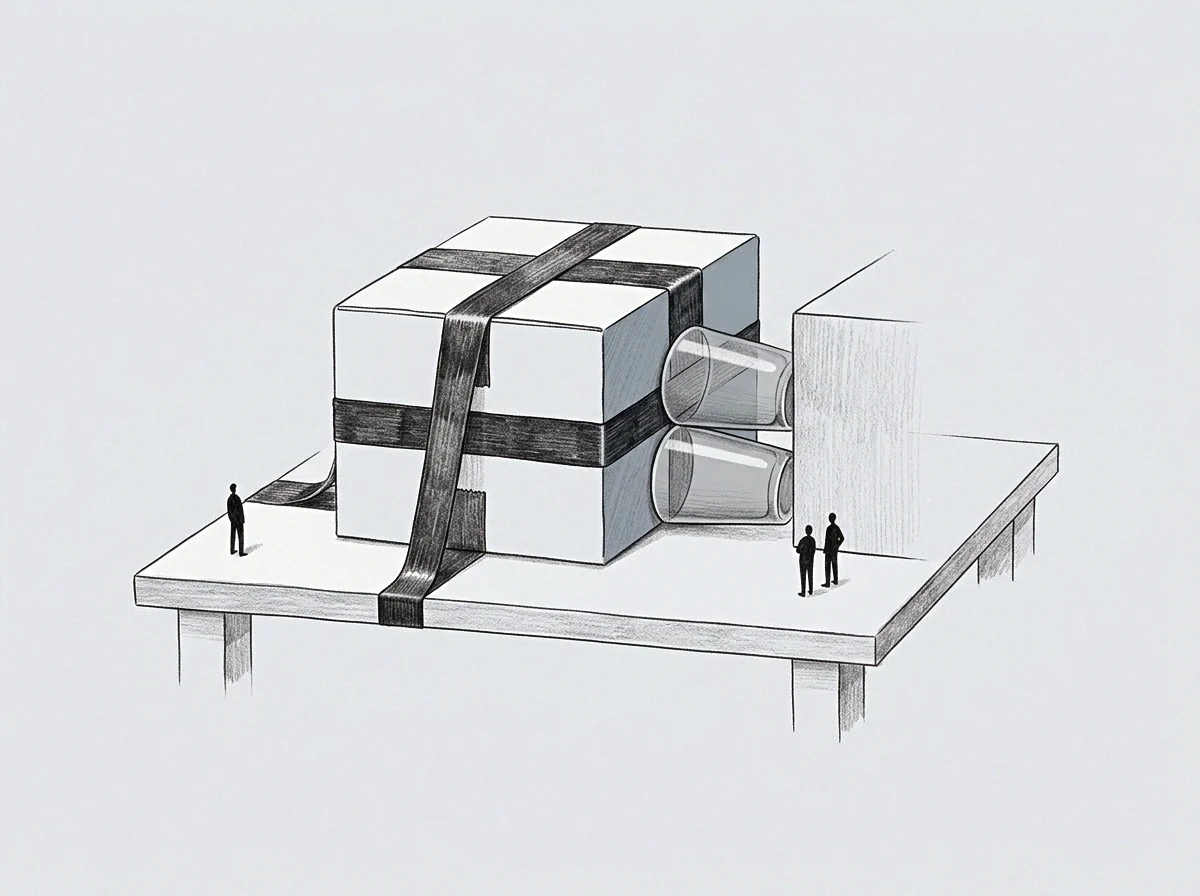
Biological Economics of Social Baseline Regulation
Executive presence operates as a shared physiological buffer within operational teams. When individuals operate near a stable peer, brain metabolic expenditure for threat monitoring drops measurably. In executive leadership, team members unconsciously utilize the builder as a biological tether.
The builder experiences heightened cortisol turnover and continuous autonomic activation while appearing completely tranquil. The calm observed across the executive floor reflects borrowed calm extracted from unstated capacity reserves.
When the central baseline actor hides exhaustion, secondary actors read the environment as safe. This signal projection allows team members to sustain focus on immediate tactical execution. The metabolic savings realized by the team equal the metabolic expenditure absorbed by the leader.

Unspoken Caps and Systemic Dependence
Operational structures rarely measure the metabolic expense of persistent composure. Holding an unstated limit creates a silent vulnerability across the organization. Because leadership never defines an explicit cap on personal availability, the surrounding team treats biological regulation as an infinite supply.
The organization builds operational habits around this steady presence.
A stable nervous system lowers neighboring threat detection threshold provided the baseline actor absorbs the variance without dampening signals.
The allocation changes immediately when an unstated threshold gets breached without operational adjustments, leaving team members with sudden disorientation. The operation felt entirely stable because the leadership team never demonstrated distress during the restructuring.
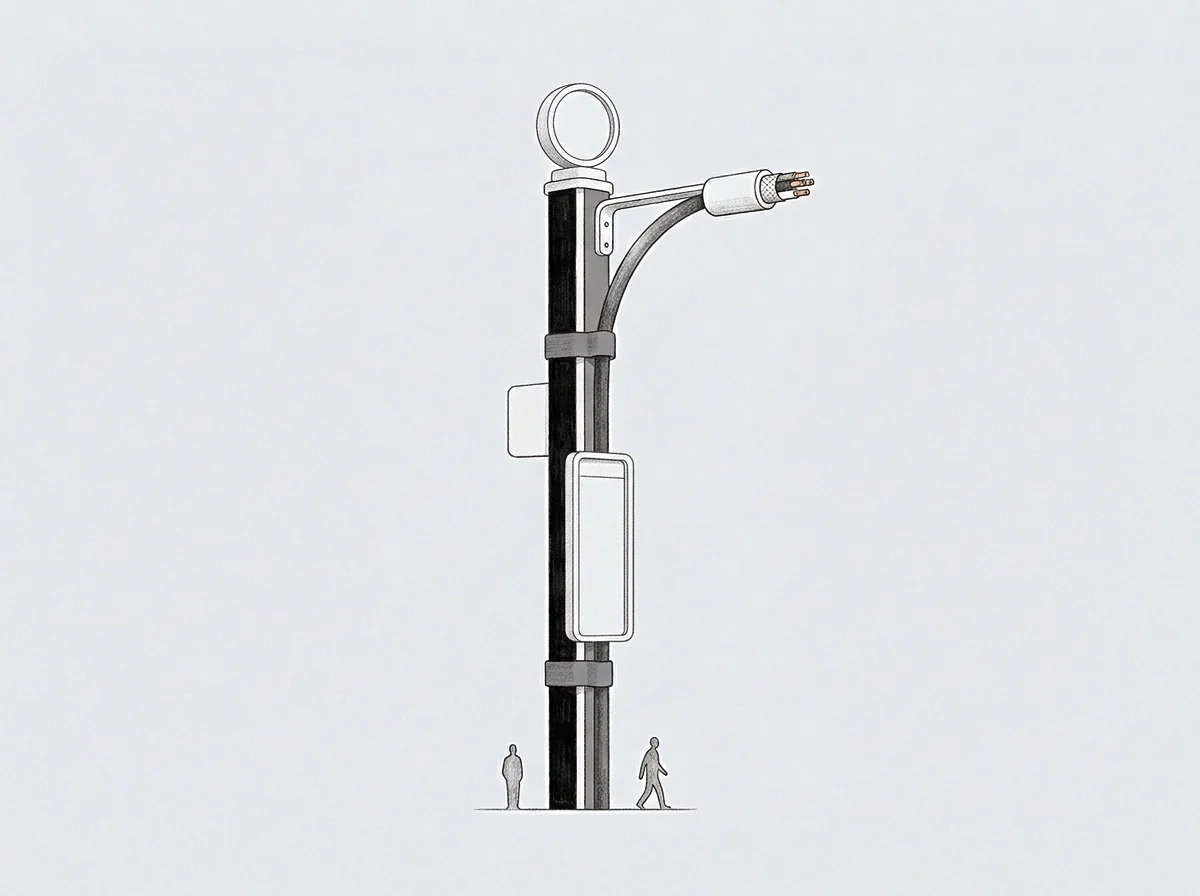
Siphon
Unmonitored biological extraction accelerates when operational turbulence increases. During extended market volatility or product shifts, team reliance on executive stability deepens. Team members increase ping frequency, seeking regulatory confirmation before making minor decisions.
The leader provides calm answers, unaware that each exchange drains internal capacity.
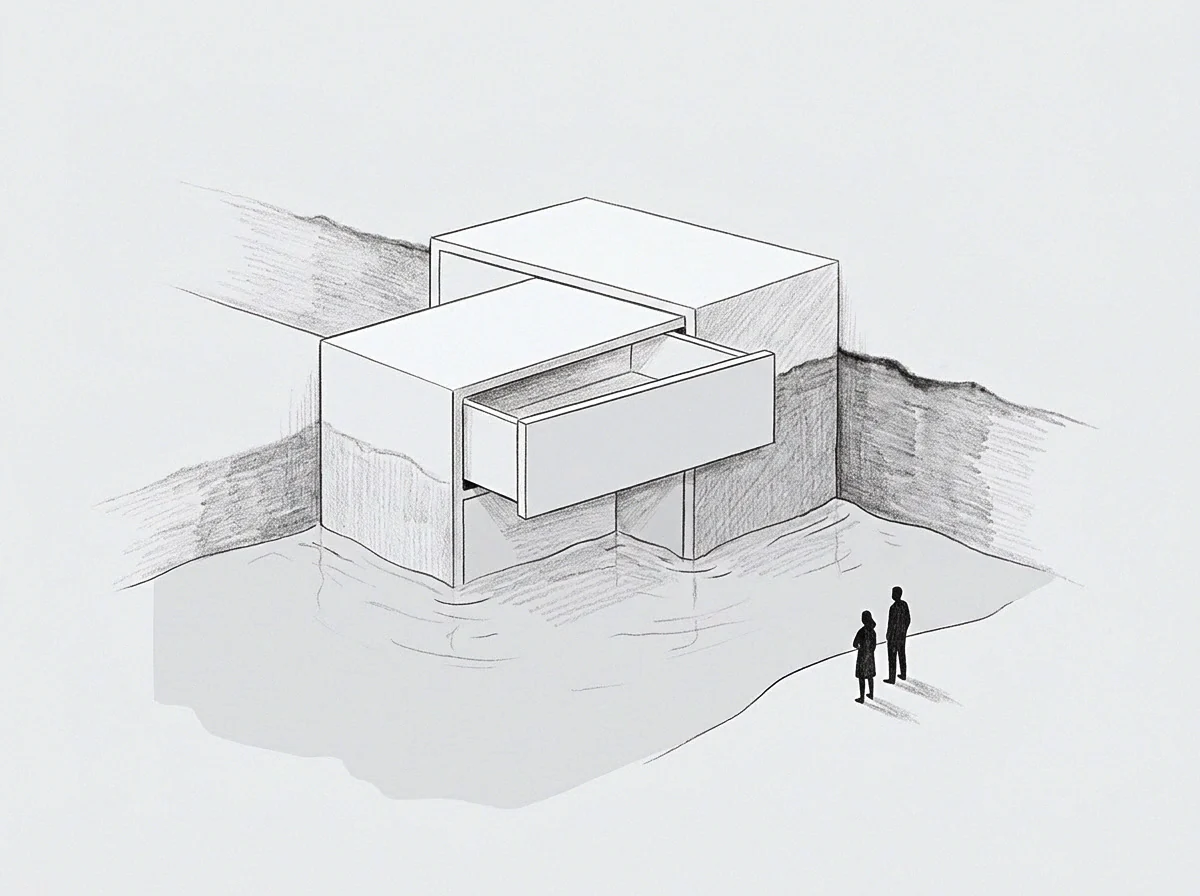
Mechanisms of Silent Energy Extraction
Executive capacity drains continuously through unspoken relational channels, where reliance on external calm hides underlying structural defects in team communication. Unstated capacity limits allow organizational friction to convert directly into individual metabolic strain.
- Receptor saturation occurs when incoming team distress fills every available attentional slot without triggering an explicit refusal.
- Throttling failure happens when internal biological signals of exhaustion get overridden by operational urgency.
- Asymmetric baseline attachment develops when colleagues regulate their own anxiety against an executive who hides total fatigue.
- Covert contract compounding manifests when steady availability creates an unwritten expectation of infinite biological reserve.
The ongoing draw on leadership reserves functions as an unmeasured operating expense. Without clear boundary signals, the organization continues offloading anxiety onto the baseline provider.
An unstated capacity ceiling converts executive presence into a public utility that drains personal operational reserves.
Unmanaged biological lending terminates in sudden operational withdrawal when hidden reserves reach complete exhaustion.

Pillar
Executive governance relies on establishing transparent structural boundaries across leadership roles. Sustaining team regulation solely through personal physical composure creates structural fragility. Replacing informal biological absorption with structured governance shifts the burden from personal biology to organizational process.

Structural Comparison of Regulatory Operational Models
Transitioning from biological absorption to clear operational allocation alters team function. Stating clear limits forces the organization to build internal problem solving capacity rather than relying on executive presence to absorb friction.
| Operational Criterion | Unstated Baseline Lending | Explicit Capacity Allocation |
|---|---|---|
| Metabolic Expenditure | Continuous autonomic arousal absorbed entirely by executive nervous system | Bounded biological exertion capped by explicit operational availability |
| Signal Transparency | Operational friction obscured through artificial executive composure | Systemic bottlenecks revealed immediately through operational throttles |
| Secondary Load | High covert expectation of endless biological availability across teams | Zero secondary speculation regarding executive availability boundaries |
| Team Autonomy Growth | Suppressed initiative caused by reliance on founder co-regulation | Accelerated problem solving driven by localized team regulation |
When leadership replaces continuous absorption with clear operational parameters, team members assume direct responsibility for managing tactical uncertainty. The shift reveals underlying process inefficiencies previously concealed by executive intervention.
Teams adapt to visible operational boundaries faster than they adapt to sudden biological collapse.
A formal capacity threshold alters the team dynamic by forcing operational prioritization onto objective schedules.

Gauge
Monitoring internal physiological reserves prevents catastrophic operational breakdown. Take an enterprise engineering company led by two partners over thirty-six months without stated availability limits. The technical lead retains forty percent of overall incident triage while operating under extended sleep restriction.
During a major infrastructure migration, incoming alert volume doubles. Team members route every minor anomaly to the technical lead to leverage borrowed calm, leaving no room for incoming load.

How Does Throttling Restore Baseline Capacity?
Introducing structural throughput constraints redirects regulatory effort back to unit level owners. When the technical lead institutes an explicit cap of two direct escalations per day, team behavior adjusts within forty-eight hours. The team constructs localized review procedures rather than drawing on borrowed composure.
Metabolic load shifts back to the structural processes designed to carry operational weight.

Reading Internal Biological Metrics Before Exhaustion
Objective assessment of personal regulation bandwidth protects long-term operational health. Identifying early indicators of capacity depletion allows timely adjustment before systemic failure occurs.
- Track response latency variations across routine communications throughout the working week.
- Identify moments where personal biological distress gets hidden to project steady baseline presence.
- Define explicit hours where internal regulation reserves undergo uninterrupted restoration.
- Communicate hard throughput constraints before incoming structural stress reaches maximum pressure.
Establishing clear quantitative indicators prevents over-commitment. Leaders monitor these metrics to preserve internal operational bandwidth.
True baseline stability relies on visible limits rather than infinite quiet endurance.
What proportion of team operational tempo relies on unstated biological lending versus actual structural process?

Margin
Reclaiming personal biological headroom establishes durable executive endurance. Company builders must transition from acting as a passive biological shock absorber to building explicit structural capacity under defined operational caps.
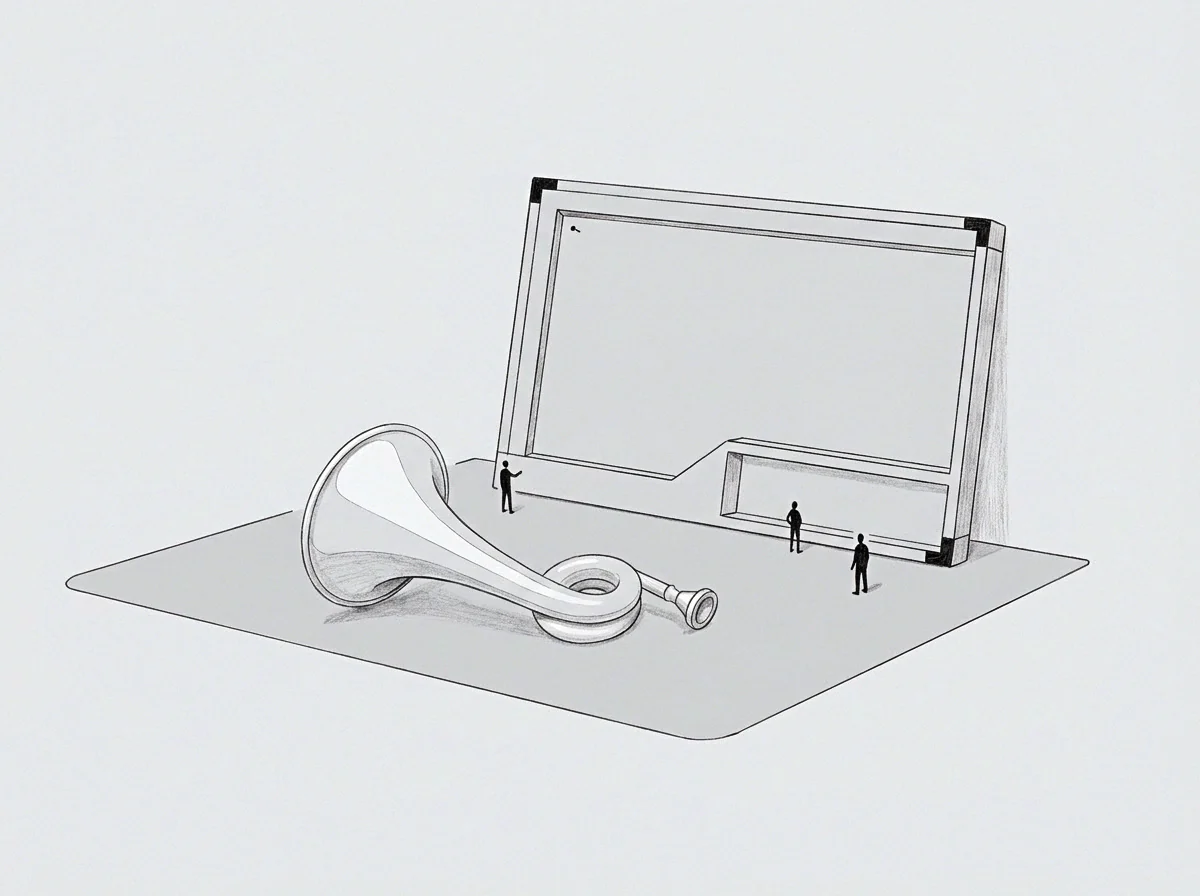
Rebuilding the Internal Regulator Template
Early relational learning shapes how leaders interpret incoming stress signals under pressure. Leaders frequently carry an internal working model that equates professional efficacy with total emotional containment. This internal regulator template triggers automatic absorption of surrounding team anxiety during crises.
Updating this pattern requires repeated exposure to enforced boundaries.
Earned security develops when executive leaders experience setting firm capacity boundaries without triggering organizational collapse. Enforcing explicit limits demonstrates that team operations persist independently. Repeated experience replaces worn internal templates with sustainable governance practices.

Sustained Capacity Restructure
Long-term operational health demands setting structural parameters around biological reserves. Defining explicit capacity ceilings protects executive decision quality and prevents abrupt capacity exhaustion. The organization develops resilience through explicit structures rather than reliance on individual biological sacrifice.
Sustained stability flows from transparent capacity bounds rather than heroic biological endurance.