
Calibrating Organizational Delegation Thresholds Against Biological Prefrontal Working Memory Capacity Limits
Organizational delegation thresholds must align with biological working memory limits of four chunks to prevent executive bottlenecks and cognitive collapse.
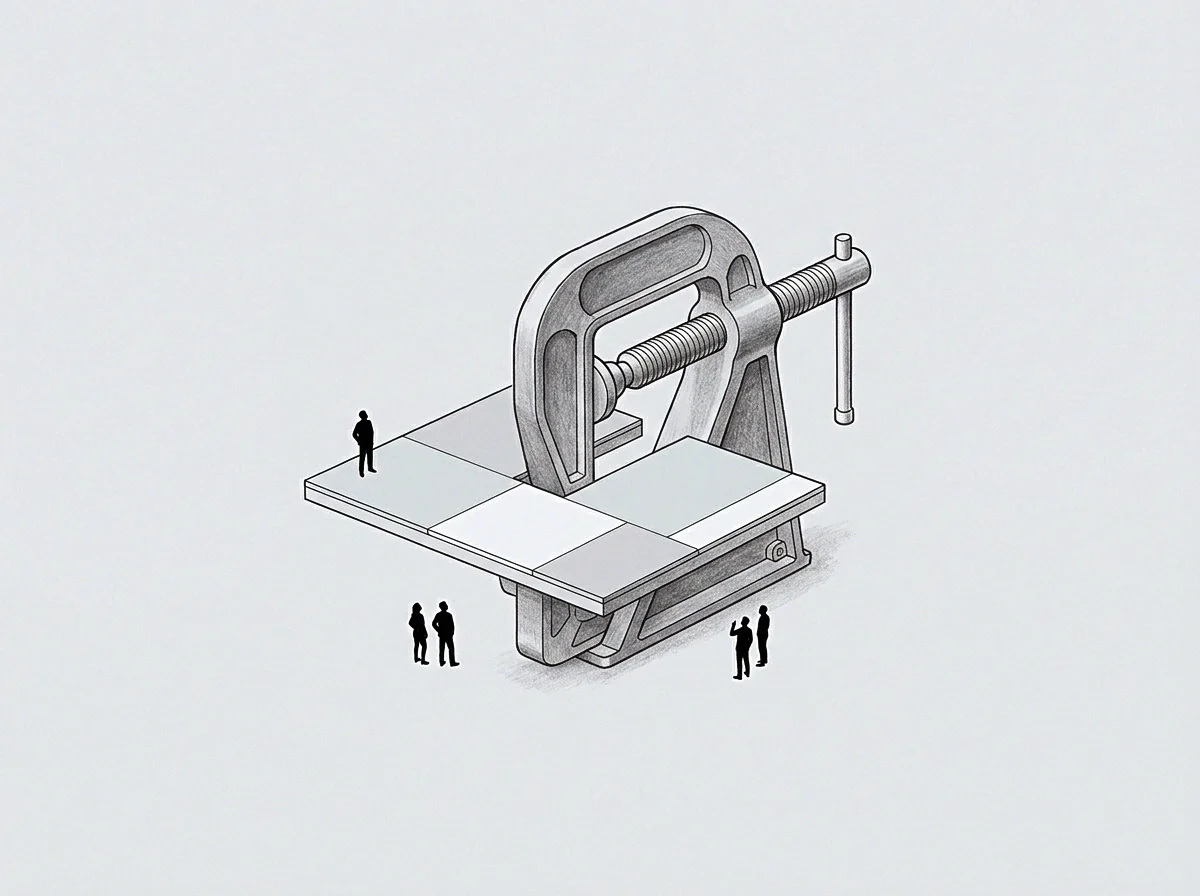
Slate
Working memory holds four distinct items at biological capacity. When prefrontal neural assemblies sustain task representations, active firing patterns across the dorsolateral cortex consume metabolic substrate at a fixed rate. Standard delegation thresholds set against task volume neglect this constraint.
Operational tasks differ sharply in associative density, context switching latency, and unresolved contingency branches. An unsettled corporate acquisition occupies three prefrontal representation slots on its own, whereas routine supplier payment authorizations take half a slot once chunked into heuristics. Imposing eight active supervisory dependencies onto one prefrontal cortex causes biological slot collapse.
The prefrontal cortex acts as a shared biological buffer across unrelated operational domains. Central executive functioning coordinates working memory representations against conflict monitors in the anterior cingulate. Once working memory reaches saturation, catecholamine modulation shifts from optimal alpha-2A adrenergic receptor binding toward disruptive dopamine D1 and alpha-1 adrenergic activation.
Pyramidal microcircuits experience synaptic isolation, degrading the signal-to-noise ratio required for recursive error detection. An operator who tries to carry operational exceptions across six uncalibrated projects loses working memory coherence within ninety minutes of sustained inquiry.
Executive slots saturate long before total working hours reach their contractual boundary.
Biological constraints do not yield to executive willpower, and cognitive science consistently sets working memory capacity at roughly four categorical chunks under uncompressed conditions. Experienced operators compress domain knowledge through hierarchical chunking, condensing multidimensional data into single cognitive handles. That compression fails when cross-functional operations bring in unfamiliar systemic interactions.
A founder managing engineering escalations, capital allocation, and commercial contract terms cannot fold those distinct inputs into unified representations. Each operational line claims an independent slot in the prefrontal assembly until the biological limit clears the board.
Whether prolonged prefrontal metabolic strain permanently resets baseline catecholamine synthesis thresholds in senior operators remains undetermined.
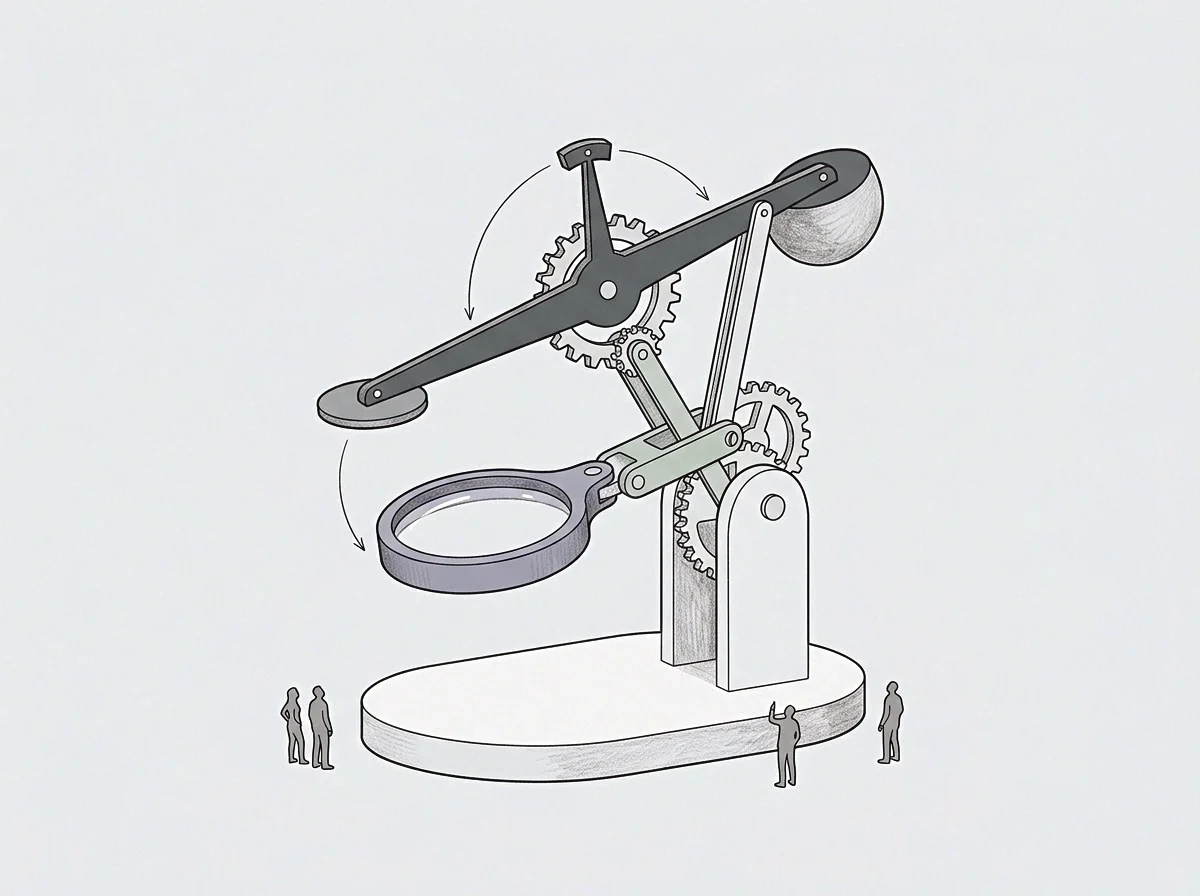
Spill
Uncalibrated authority thresholds spill cognitive load across working operational units. When delegation rules rely on monetary ceilings rather than cognitive representations, operators end up saddled with peripheral monitoring duties. Keeping supervisory readiness active requires constant sub-threshold firing in prefrontal networks rather than passive storage.
An operator carrying fifty pending sign-offs across twelve operational verticals maintains fifty partial behavioral scripts in working memory, fragmenting attention and slowing processing speed until the internal queue stalls.
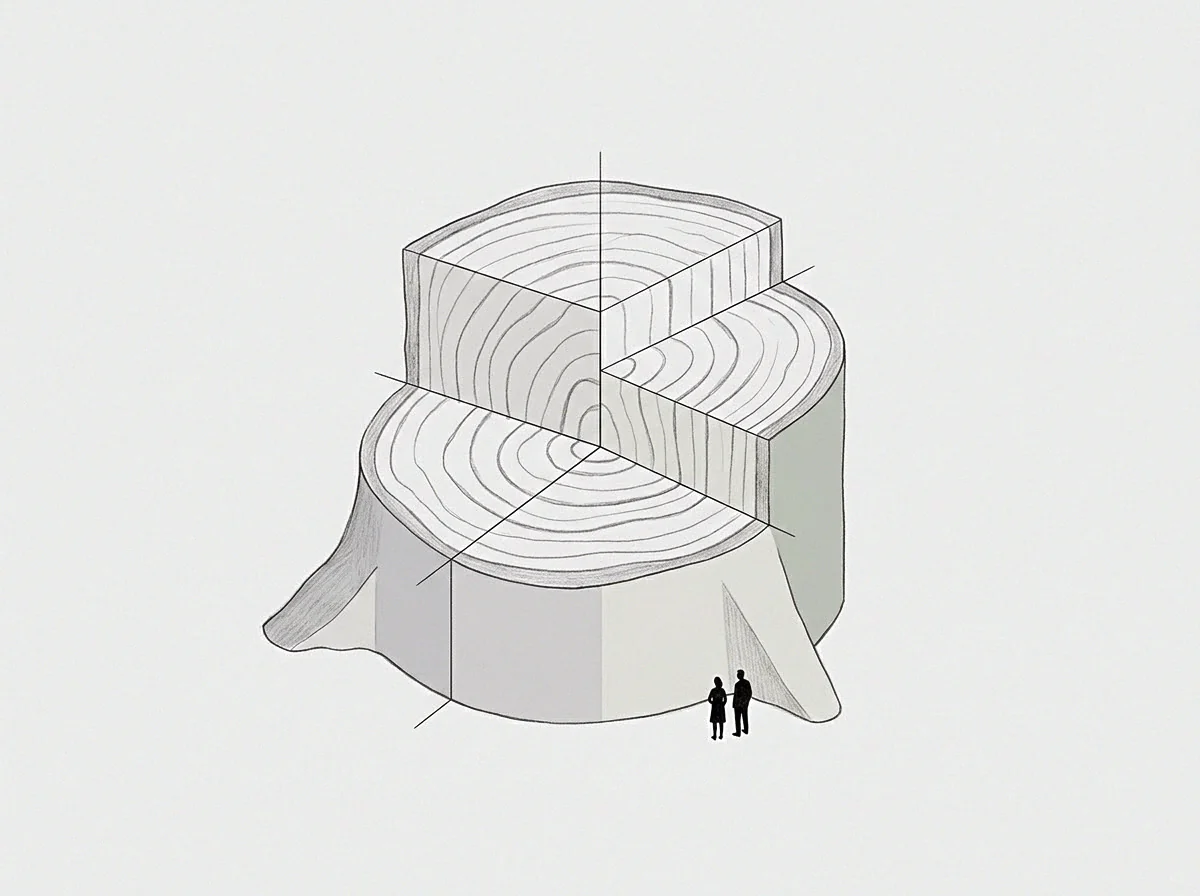
Which Signals Precede Working Memory Exhaustion?
Working memory exhaustion produces distinct physiological and operational indicators before systemic failure occurs. The behavioral markers follow an invariant sequence as the central executive network discards associative context to preserve baseline regulatory function.
- Working Memory Slot Saturation occurs when active coordination threads exceed five simultaneous operational representations, causing involuntary displacement of older context models during routine supervisory checks.
- Attentional Drift Latency lengthens past forty minutes per task switch, leaving complex documents unread while the operator tracks trivial operational notifications.
- Executive Exception Deferral multiplies backlogs as prefrontal capacity refuses new multi-variable trade-offs, defaulting to unreviewed standard approvals.
When prefrontal bandwidth collapses, decision latency compounds across the entire organization. The operator turns into a bottleneck on every escalated pathway, forcing subordinates to queue routine judgments while central authority recovers baseline metabolic reserves. Decisions made at the threshold of exhaustion swing toward extreme risk aversion or erratic risk tolerance.
Calibrating complex risk requires concurrent evaluation of counterfactual states, which consumes three prefrontal chunks at once. Without that margin, the prefrontal network falls back on primitive affective heuristics, spreading operational vulnerability across the enterprise.
Unbounded supervisory spans exhaust prefrontal reserves and convert senior leadership into an operational logjam.
Preserving biological headroom requires definite structural limits on supervisory spans. The prefrontal cortex cannot run continuous background checks on twenty subordinate lines without degrading primary strategic evaluation. Misallocating delegation boundaries without regard for biological ceilings leads directly to administrative decay, reduced analytical rigor, and severe operational deadlocks.
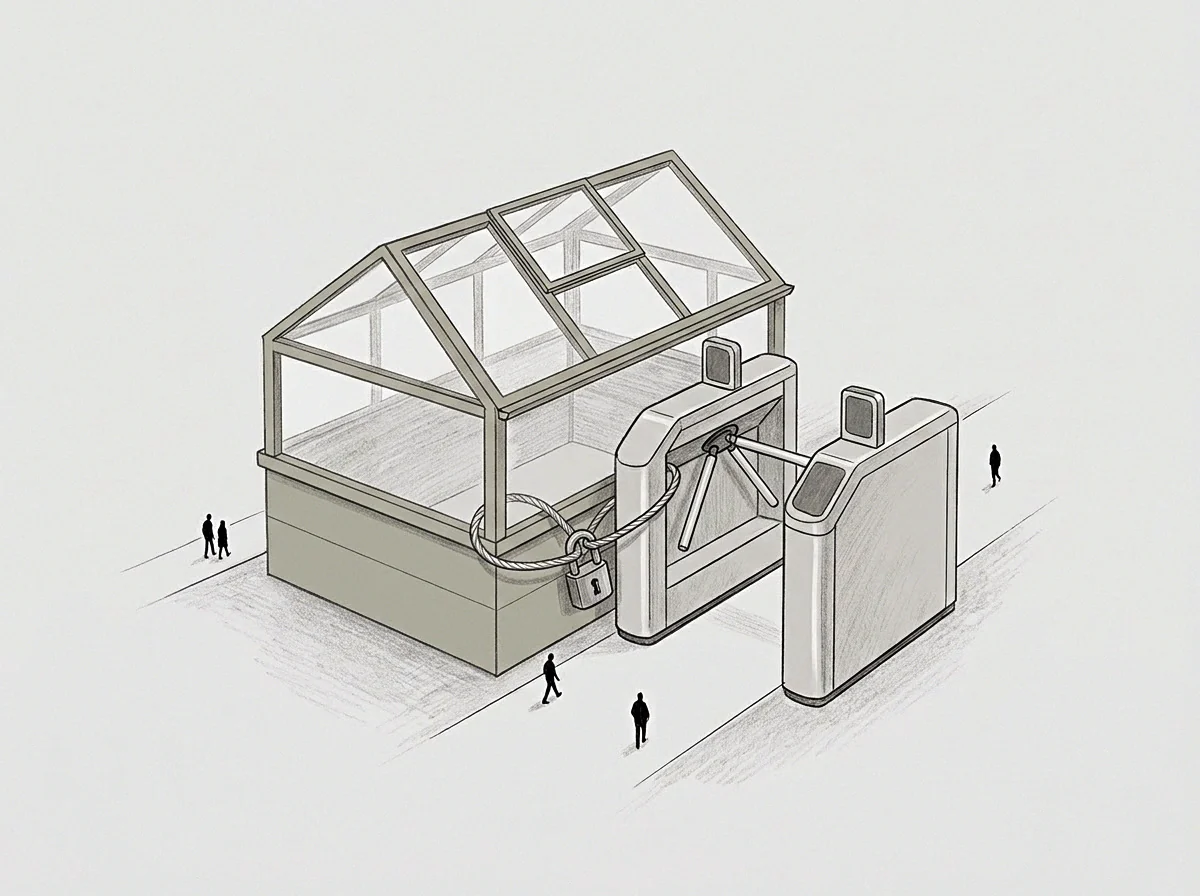
Term
Setting an unambiguous operational boundary frees the prefrontal buffer from active surveillance routines. A delegation threshold defined by concrete terms acts as a structural perimeter against which working systems operate. When an authority ceiling remains vague, subordinates escalate ambiguous cases to minimize personal liability.
That upward routing forces delegators to rebuild the operational context from scratch, burning through available working memory slots. A stated term with fixed empirical criteria replaces continuous monitoring with a binary evaluation.
Consider two parallel operational units inside a logistics firm handling fleet expansion. In the first unit, capital expenditure delegation sits at fifty thousand dollars, but retains an unwritten provision allowing senior executive review for vendor selections carrying operational volatility. In the second unit, the delegation threshold sets the identical monetary limit alongside an unambiguous parameter: any vendor contract using existing standardized service-level terms delegates entirely to the fleet director, while non-standard indemnity clauses escalate automatically.
The second unit eliminates context polling. The delegator in the second unit drops fleet oversight from working memory entirely.
Stated operational terms function as structural barriers that displace continuous neural monitoring.
Clear terms eliminate cognitive drag by making exception recognition automatic. Working memory stays unburdened because the monitoring load transfers to the operational architecture itself. The delegator no longer needs to run background models of possible failure modes within the delegated domain.
The delegation protocol functions as an external cognitive prosthesis: subordinates operate within defined parameters, and the central executive network expends zero metabolic substrate on routine tactical variations.
Every delegated authority parameter must establish absolute exclusion boundaries, defining the exact metrics that trigger escalation and preventing ambiguous handoffs.

Scale
Organizational complexity expands exponentially while human prefrontal working memory capacity remains biologically flat. Miller established seven informational items as an upper boundary for unidimensional judgments, while Cowan established four chunks for running working memory. Modern industrial coordination operates at a scale far exceeding individual prefrontal slot capacity.
Aligning institutional thresholds with biological limits demands a rigorous taxonomy of operational interactions and their associated working memory demands.
| Delegation Model | Mean Prefrontal Slot Allocation | Active Monitoring Mode | Systemic Failure Latency |
|---|---|---|---|
| Discretionary Escalation | 3.5 Slots | Continuous Background Polling | Rapid Exhaustion Under Volume Spikes |
| Monetary Ceiling Alone | 2.8 Slots | Periodic Sampling with Context Reloading | Delayed Bottlenecks at Threshold Edges |
| Binary Parameter Architecture | 0.5 Slots | Event-Triggered Passive Exception Reception | Stable Throughput Across Scale |
| Autonomous Domain Partition | 0.1 Slots | Asynchronous Output Auditing | Isolated Failure Restricted to Domain |
Discretionary escalation models consume nearly the whole prefrontal buffer, keeping an operator in perpetual partial attention and unable to commit the three slots required for deep synthesis. Autonomous domain partitioning, by contrast, restricts supervision to episodic retrospective reviews. That keeps the prefrontal buffer open for unexpected operational shocks and decouples organizational throughput from individual biological bottlenecks.
Without clean boundaries, the supervisory arrangement forces the subordinate to treat every minor operational decision as a latent career hazard.

Shift
Rebuilding delegation thresholds around prefrontal biological limits requires a deliberate structural handoff. Authority cannot transfer gradually through ambiguous mentoring without overwhelming the working memory of both participants. A clean transition strips the delegator of routine tracking duties: the founder or executive disengages entirely from tactical feedback loops and establishes empirical criteria to govern autonomous execution.
Three operational conditions govern structural threshold recalibration:
- Contextual Boundary Hardening isolates the delegated vertical from cross-functional escalations, ensuring operating parameters do not leak into adjacent operational streams.
- Escalation Parameter Compression converts qualitative managerial judgment criteria into three verifiable factual conditions, eliminating upward interpretation requests.
- Auditing Asynchrony separates performance verification from active operational tempo, restricting executive review to periodic retrospective intervals.
Shifting authority outward lets the prefrontal cortex reclaim working memory headroom, allowing strategic analysis to replace reactive troubleshooting while subordinates work with structural clarity. When the stated limit holds as a durable boundary, the operational system self-regulates without drawing down central executive reserves.
Clear thresholds protect biological prefrontal reserves and prevent cognitive collapse across executive ranks.