Meaning
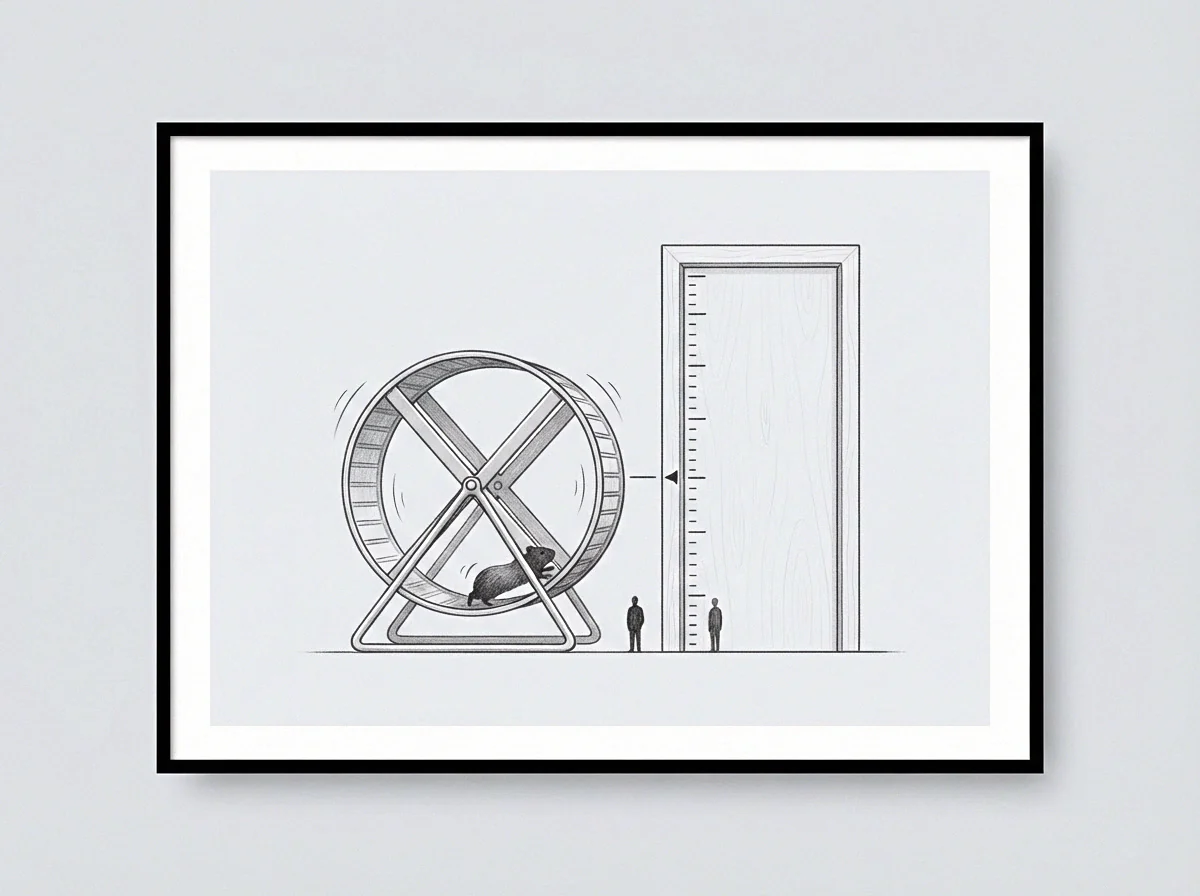
Cognitive ability to hold and manipulate information in the mind over short durations enables complex problem solving and real time decision making. This working memory capacity is strictly limited in the number of items it can handle simultaneously. It acts as a mental workspace where new data is integrated with existing knowledge.
The boundary of this capacity is reached when new information causes the loss of previously held thoughts.
Information Processing
Directing attention to specific details requires the use of this temporary storage. Because working memory capacity is narrow, a founder must prioritize which variables to consider at any one moment. Overloading this space leads to confusion and a failure to see patterns.
Cognitive Load
Mental tasks are categorized by how many resources they demand from this limited pool. High working memory capacity allows for the juggling of multiple priorities, but even the most capable individuals face a hard ceiling. External tools like notes and diagrams are used to offload this burden.
Performance Degradation
Stress and fatigue significantly reduce the amount of information the mind can process at once. When working memory capacity is diminished, the ability to make sound judgments is compromised. Recognizing these fluctuations is a vital part of self regulation in a high pressure role.