
Designing Hard Operating Boundaries To Protect Depleted Central Executive Seats
Hard operating boundaries protect depleted executive seats by mechanically filtering incoming load through latency buffers and rigid structural terms.
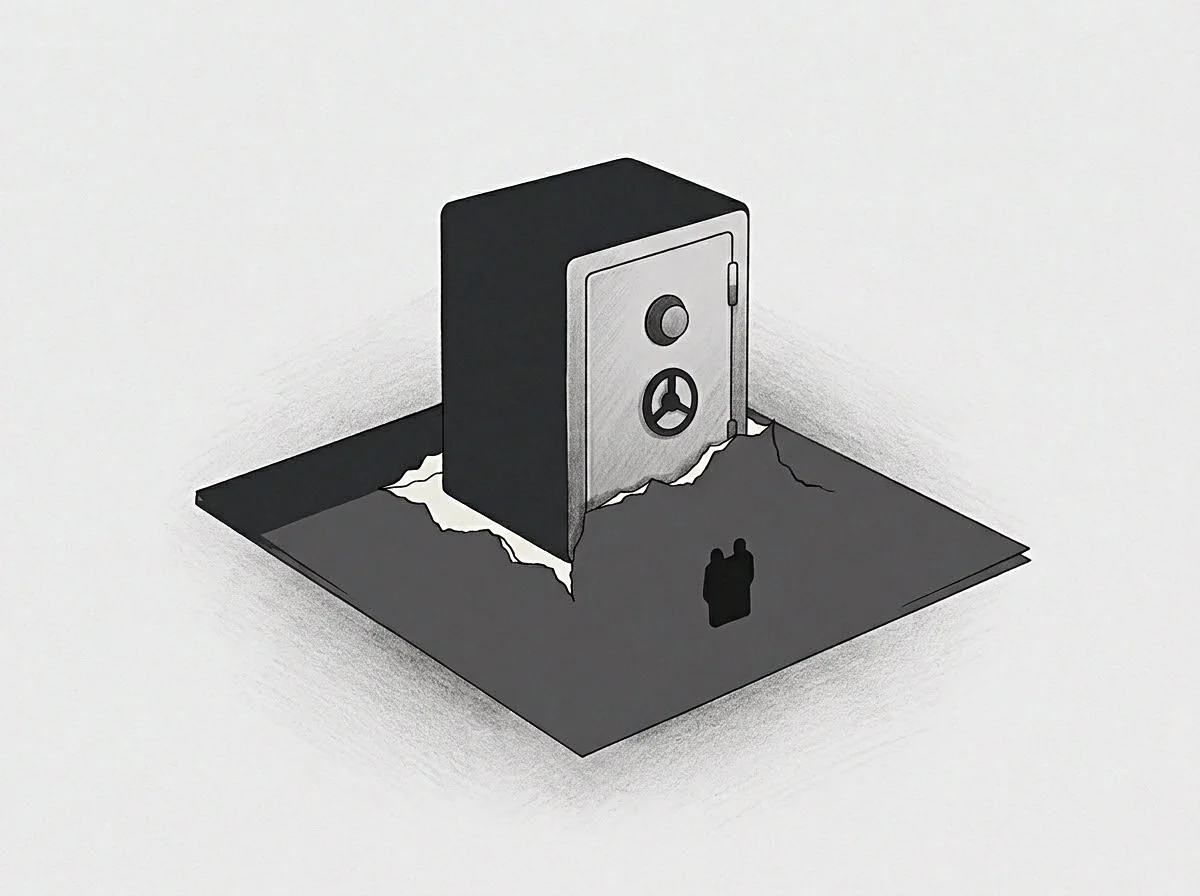
Grate
A founder sits before four unread communication channels at midnight with no energy left while operational queries keep arriving. On screen are decisions on staff retention, capital deployment, and vendor disputes, each treating executive attention as unlimited. The body responds with heightened stress, broken sleep, and lost focus.
When fatigue takes over the lead role, continuing to decide routine operational matters weakens the entire organization.
The difference between personal endurance and systemic structure becomes clear at this breaking point. Trying to absorb every operational wave through raw presence leads straight to burnout. A clear boundary catches organizational demands before they hit the leader’s nervous system.
Without that line, the company uses its founder as a shock absorber, turning temporary tiredness into lasting exhaustion.
An exhausted leader maintains control only when incoming demands hit an unyielding filter before reaching their desk.
The brain operates under clear biological limits. Deep focus depends on steady energy, chemical balance, and solid sleep. As those reserves run low, decision-making breaks down in predictable ways: risks are closed out impulsively, subtle warnings are missed, and short-term reactions replace clear thinking.
The primary decision-maker needs protection from routine administrative weight.

Mechanical Filtering of Incoming Petitions
An operational filter allows only essential matters through to the leader. Status checks, early vendor pitches, and team disagreements belong in delegated channels or automated systems. Setting a firm boundary saves remaining focus for high-stakes choices, major risks, and overall direction.
- Hard latency buffers enforce deliberate delays of twenty-four to forty-eight hours on non-emergency inquiries, forcing peripheral managers to resolve tactical dilemmas locally rather than escalating immediate discomfort to the executive desk.
- Standardized escalation templates restrict upward petitions to structured documents specifying the exact operational problem, two evaluated alternatives, and the specific risk threshold being crossed, which eliminates conversational discovery meetings that consume vital cognitive headroom.
- Autonomous operational domains define explicit financial and staffing thresholds where subordinate personnel possess unilateral authority to execute expenditures and commitments without prior executive concurrence.
Failing to filter communication creates widespread inertia. Teams stop solving problems on their own when leadership is always accessible, sending minor issues upward. Executive focus collapses while team initiative fades.
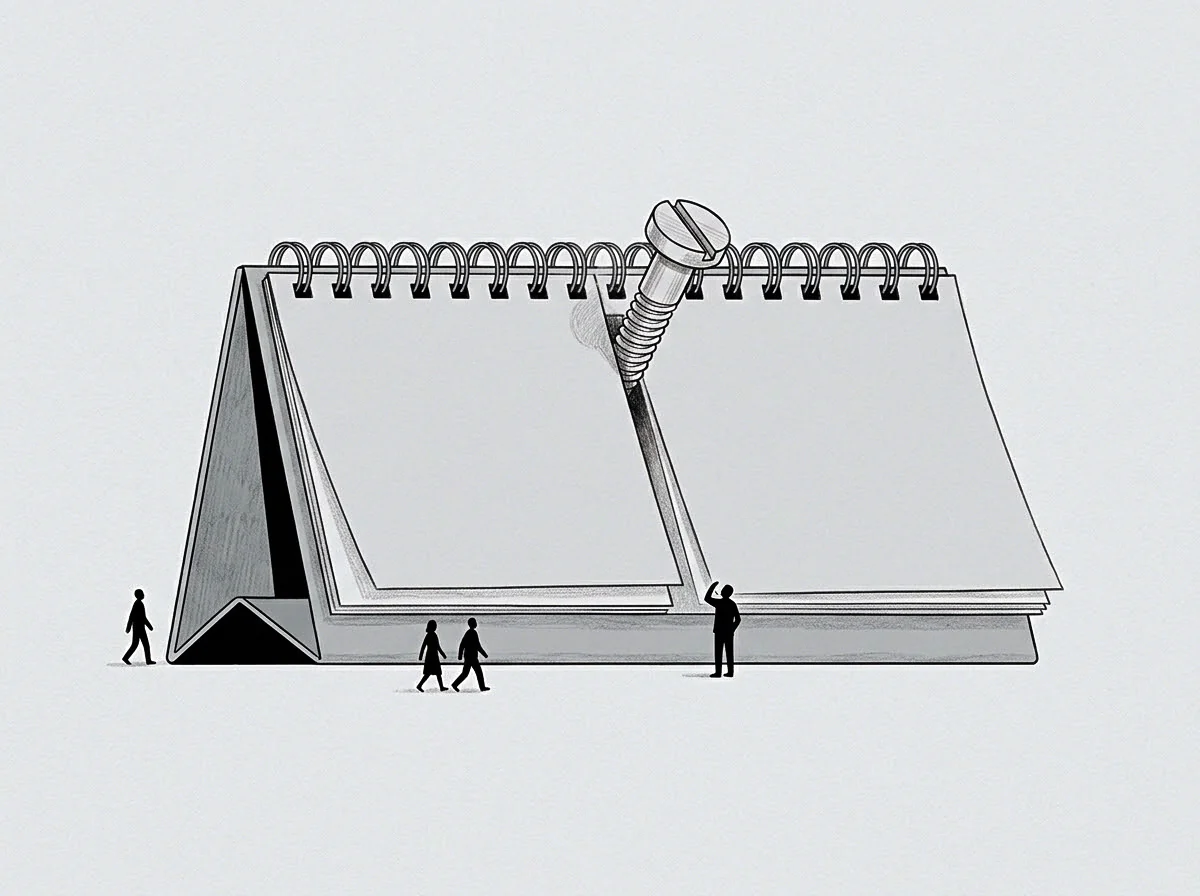
Current
Information in a growing company acts like pressure seeking an open valve. If leadership acts as that valve, every unresolved problem flows straight to the top. Every message carries a cost, even without an immediate reply, as incoming pings break concentration.
Controlling this flow requires turning constant messages into scheduled operational updates.
Twelve urgent messages arrive during an evening when personal capacity stands entirely depleted.
Boundaries hold only through automated systems, not willpower. Relying on self-control to ignore messages when exhausted fails because fatigue weakens restraint. Systems must block incoming alerts, limit access, and set defined windows for reviews.
A company works best when executive availability is predictable rather than constant.
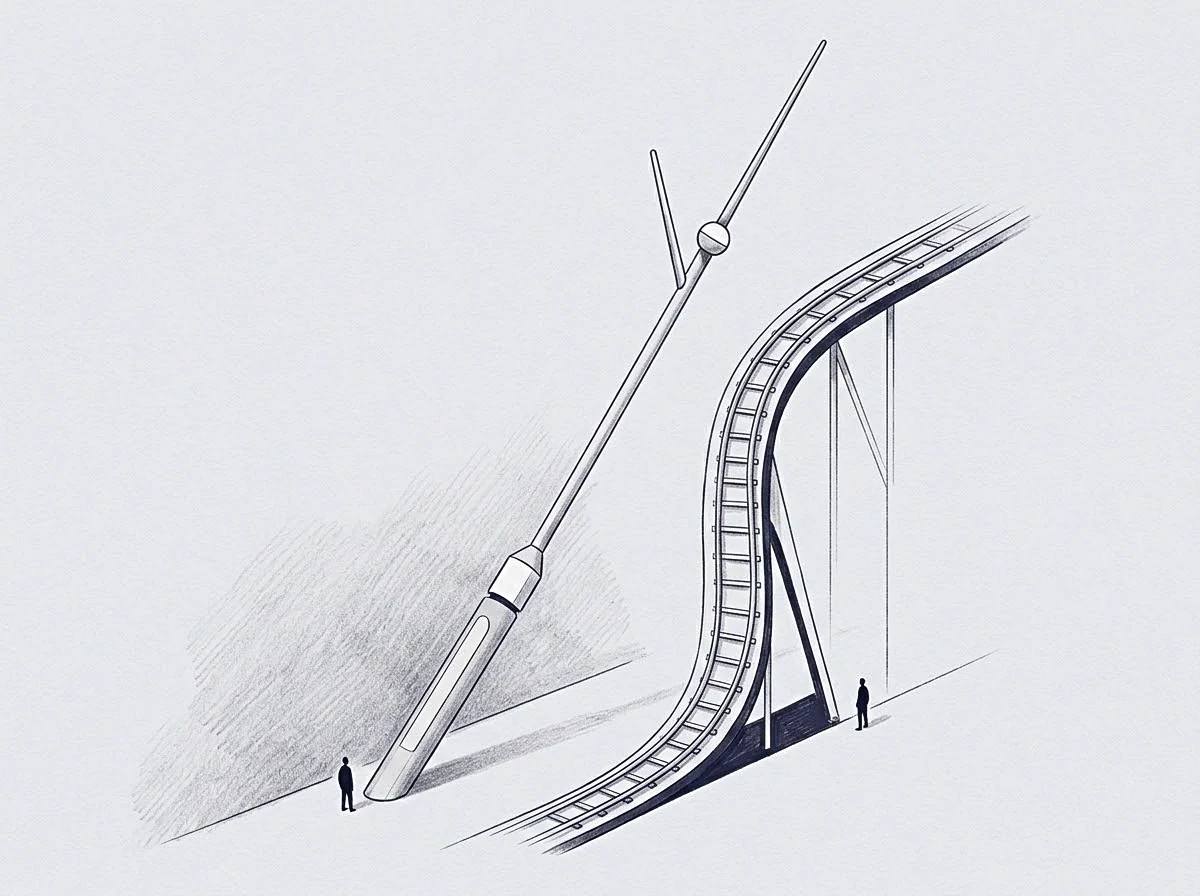
Operational Transitions Under Executive Depletion
Effective leadership depends directly on physical energy. Tasks fall into two main groups: those needing subjective judgment and those handled by strict, clear rules. Recognizing this split makes it possible to build systems that protect executive capacity.
| Operational Category | Cognitive Prerequisite | Behavior Under Depletion | Structural Replacement |
|---|---|---|---|
| Capital Allocation | Probabilistic risk modeling | Loss aversion combined with sudden reckless surrender | Algorithmic spending thresholds with multi-signature governance |
| Key Personnel Disputes | Affective regulation and nuance | Premature termination or conflict avoidance | Mandatory cooling periods and delegated mediation protocols |
| Strategic Direction | Long-range pattern recognition | Hyper-fixation on immediate operational fires | Pre-scheduled quarterly retreats isolated from real-time metrics |
| Crisis Management | High-bandwidth working memory | Tunnel vision and defensive escalation | Pre-scripted incident response playbooks executed by operations leads |
Fatigue degrades decision-making well before a person notices it. Studies on shift workers, air traffic controllers, and maritime pilots show consistent declines in judgment under long-term stress. These insights matter directly because strategic choices carry lasting legal, financial, and operational consequences, making leadership exhaustion expensive across the enterprise.
Other departments often view hard operational boundaries with suspicion. Where cross-departmental tensions were once settled in ten minutes over direct chat, every proposal suddenly requires a formal assessment document and three days of administrative delay.

Term
Companies run on formal contracts and informal expectations. When leadership hits exhaustion, informal arrangements fail because the operator lacks the energy to navigate vague agreements. Survival requires turning loose understanding into clear, written terms that eliminate constant re-negotiation.
A boundary framed as personal preference invites ongoing pushback. Expressing feelings of overwhelm often brings sympathy while the demands continue unchanged. Setting a firm operational rule turns the limit into a fixed constraint that others adjust to naturally.
A stated ninety-day moratorium on new commitments transfers the operational friction back to the petitioning party.
Consider two co-founders operating without explicit functional divisions for three years. One founder manages revenue and product architecture, while the other handles client delivery. As growth speeds up, the product founder faces severe burnout trying to solve client issues while building core technology, leading to missed milestones and friction.

Sequence for Codifying Operating Realities
Resolving this confusion requires replacing personal negotiation with clear structures through a defined sequence.
- Audit of cognitive drain identifies every recurring decision point currently landing on the executive desk that yields zero direct leverage on company valuation or existential solvency.
- Jurisdictional redlining transfers complete authority over non-essential operational decisions to designated functional leads, backed by written corporate resolutions that strip the executive of unilateral veto power over routine actions.
- Public boundary notification informs internal teams and external investors that the executive seat now operates on strict asynchronous terms, specifying exact response windows and unmonitored communication blackouts.
Success depends on eliminating side arrangements. If leadership breaks a boundary to handle a weekend emergency, the company treats the rule as optional. Firm boundaries hold only through consistent adherence.
The ninety-day executive sequester clause specifies that during the defined recovery window, the founder answers zero commercial queries directly and delegates all governance votes to an independent board proxy, shifting complete operational accountability onto the management committee.
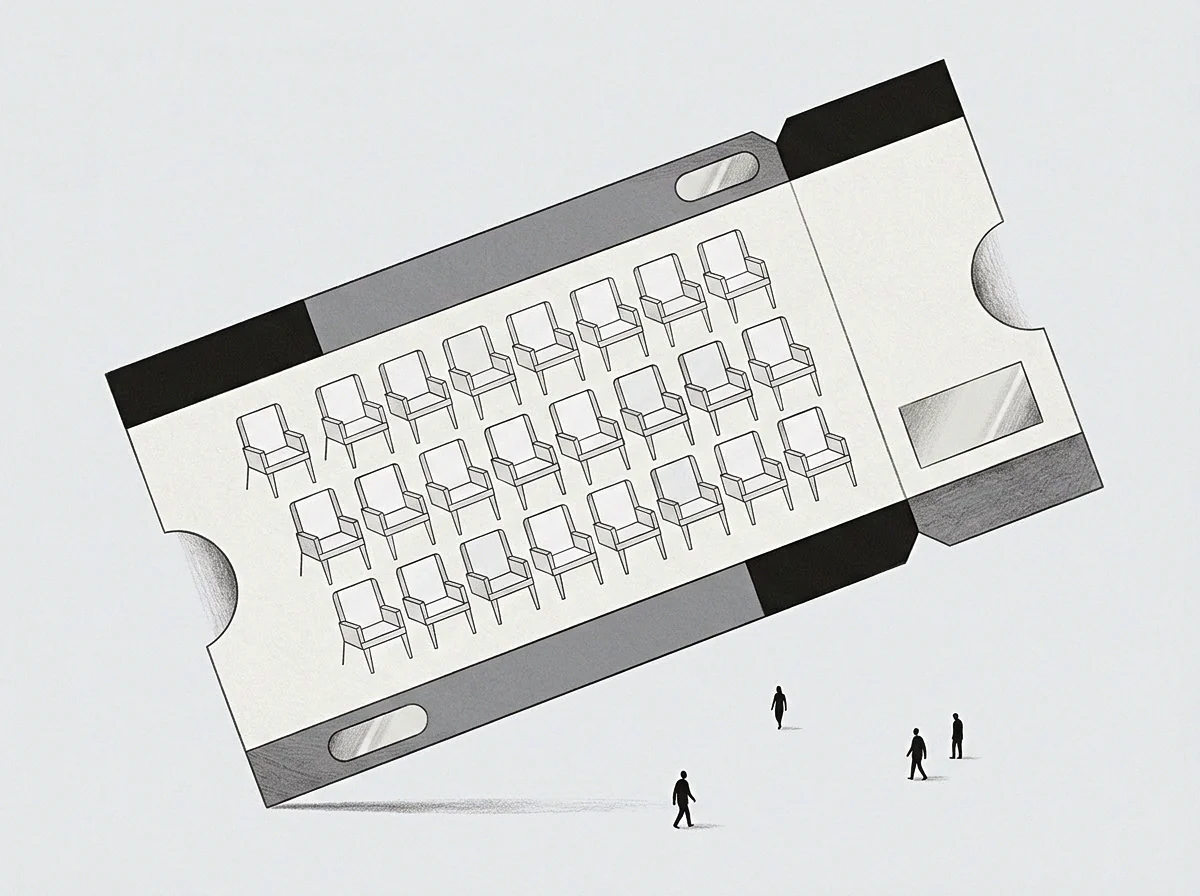
Tariff
Every communication channel extracts focus from leadership. When an executive stays connected across multiple apps, this toll adds up quickly. Digital tools fragment attention, making deep thinking nearly impossible.
Power plants use circuit breakers to prevent thermal overload and damage to machinery; leadership requires deliberate external systems to cut off overload before burnout occurs.
Whether extended isolation reduces situational awareness during severe market downturns remains an open question. To manage this risk, effective systems use dual-track routing: an operations lead monitors ongoing metrics and compiles a weekly summary, keeping leadership informed without exposure to hourly fluctuations.
The channel that never pings during rest periods becomes the only channel that holds real authority.
Response times set expectations for teams and partners. Replying in five minutes trains the company to use leadership as a real-time routing hub, stifling independent problem-solving. Introductions of mandatory delays add friction to interruptions, encouraging team members to resolve issues independently.

Latency as an Operational Shield
Enforced delay helps build organizational capability by separating temporary alarms from genuine crises. Most routine emergencies resolve locally within twenty-four hours when denied immediate executive access.
Unclear boundaries build quiet resentment. Tolerating constant interruptions creates underlying tension that eventually surfaces in sudden resignations, paralysis, or sharp conflict among teams who assumed everything was working smoothly.
How long can an organization maintain operational momentum when the central strategic mind remains entirely isolated behind hard administrative barriers during an existential market contraction?

Post
Work environment directly impacts boundary control. Attempting to recover energy in an open-plan office is nearly impossible, as constant visual and noise distractions trigger continuous alertness. Protecting leadership focus requires physical separation, digital defenses, and clear space boundaries.
Workspaces should stay closed to unscheduled visits. Securing the environment lets stress levels drop and allows restorative focus. Feeling constantly watched keeps stress hormones elevated, harming cognition and recovery.
True isolation provides the rest needed for high-stakes strategic thinking.
A company’s durability depends on firm perimeters, as decision quality directly reflects executive energy. Latency clarifies true priorities while unstated boundaries invite continuous pressure. When fatigue disables discretionary judgment, clear rules replace individual decisions, limiting communications to business hours and requiring external parties to accept firm refusals.

Perimeter Discipline and Institutional Longevity
Firm boundaries are necessary for long-term survival. Companies that consume their leaders through unrestricted access destroy core value. Treating executive capacity as a finite asset builds resilience, turning fragile startups into sustainable institutions.
Boundaries protect the company by maintaining clear decision-making. When leadership operates with focus behind strong systems, the entire business moves with speed, clarity, and stability.
The perimeter protecting leadership holds only when defended without apology.