
Designing Delayed Response Protocols Against Continuous Engineering Interruption Cycles
Delayed response protocols convert continuous real-time engineering interruptions into asynchronous batch queues to preserve focus and reduce cognitive load.

Spindle
Direct messages and alerts keep senior software developers in a steady state of hyper-vigilance. When incoming requests land straight in a developer’s primary workspace, focus breaks immediately. Scanning a message clears active memory registers and dumps complex state architectures.
Because writing software requires holding multiple abstraction layers in working memory at once, an interrupt loop forces the engineer to rebuild that mental context from scratch each time.
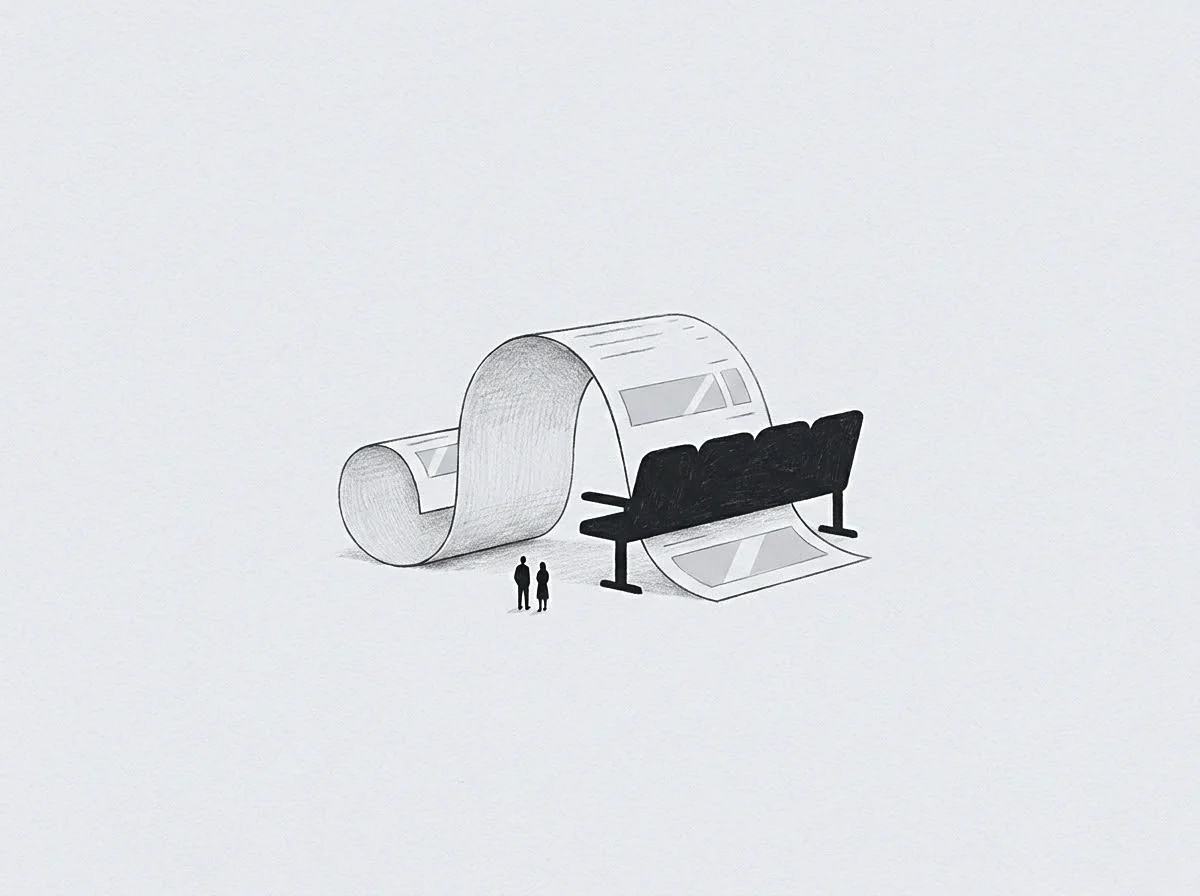
The Mechanics of Continuous Attention Fragmentation
Attention fragmentation acts as a load-transfer mechanism: an individual sender feels uncertainty or urgency and triggers a notification, shifting operational friction onto the receiver. The receiver’s cognitive capacity absorbs the cost. Across a standard working day, forty short interruptions burn through more than half of an engineer’s problem-solving capacity.
Continuous pings convert high-capacity engineering roles into routing nodes.
When an organization treats attention as an unmetered resource, internal communication defaults to maximum concurrency. Every question demands real-time intervention, and deep technical execution stalls.
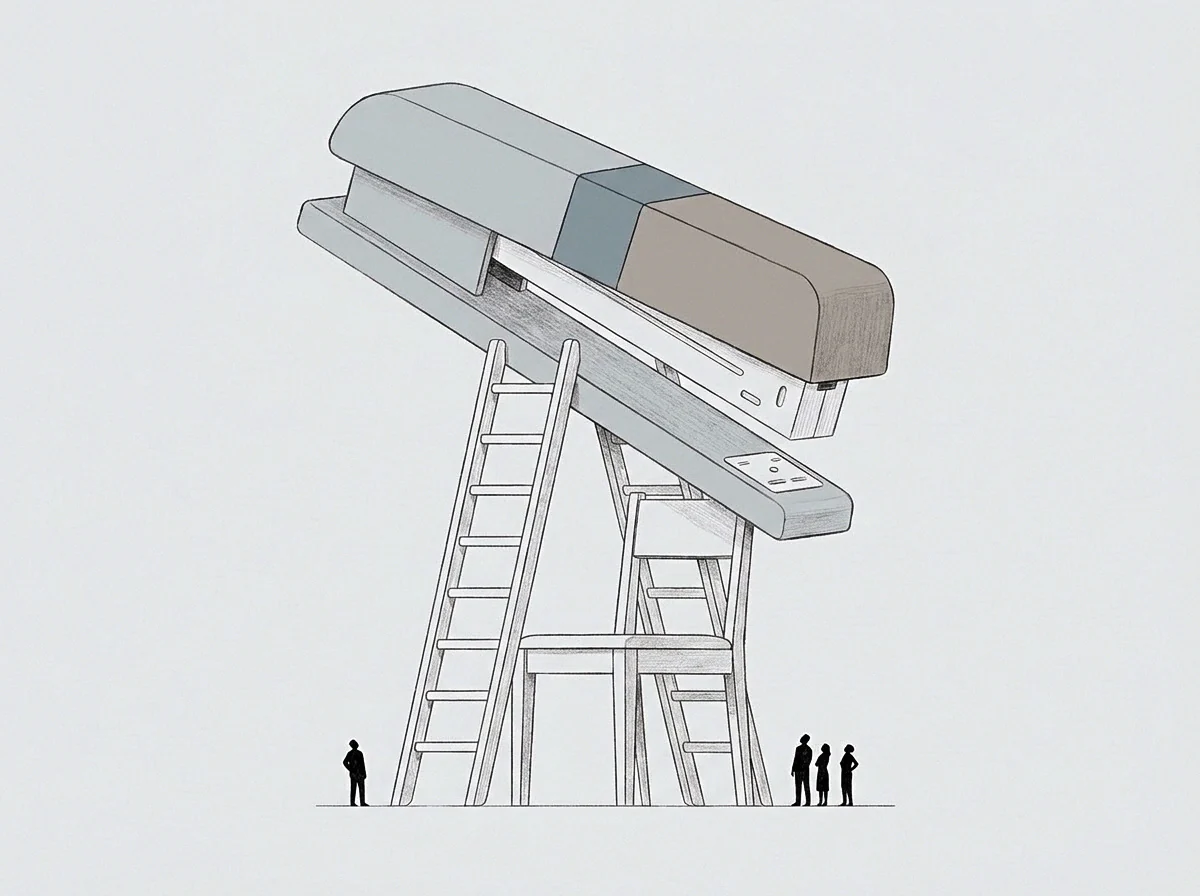
Context Switch Recovery Costs in Engineering Teams
Recovering lost context after an interruption takes upwards of twenty minutes. During that interval, code error rates double and architectural decisions tend to skew superficial. A mental model of a complex codebase lives entirely in active working memory; an interrupt collapses it.
Under a continuous interrupt loop, engineers stop building deep mental models altogether. Work drifts toward tasks that tolerate disruption, such as basic bug fixes, small configuration edits, and routine pull request reviews. Foundational systems decay because no one maintains the uninterrupted headroom needed to rework core layers.
What structural mechanism successfully isolates active working memory from unstructured incoming urgency without stalling organizational movement?
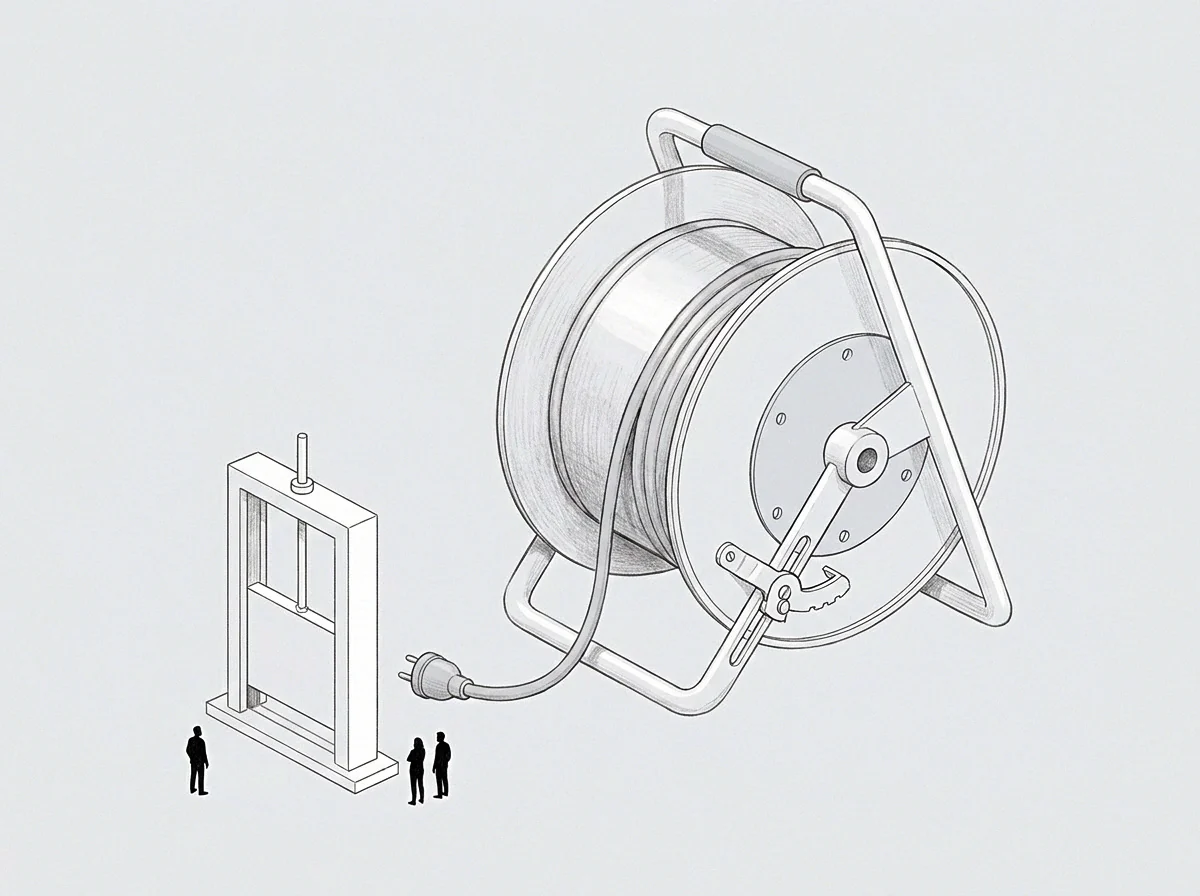
Sieve
Systematic classification separates raw requests from actionable engineering tickets. Without a filter, every notification lands with identical weight, turning developers into manual dispatchers. An operational protocol sorts incoming traffic before it ever reaches an active screen.

Filtering Protocols and Priority Classification
Inbound queries fall into distinct functional categories, each with its own latency tolerance. Establishing a clear taxonomy prevents minor administrative questions from interrupting critical architecture work.
- Urgent System Incident Service outages or severe security vulnerabilities that break production infrastructure and demand immediate shift rotation.
- Blocking Technical Dependency Inter-team API contracts or deployment blockers where work stops completely across multiple roles without immediate resolution.
- Asynchronous Architecture Inquiry Contextual queries regarding system behavior, code design choices, or non-blocking API specifications.
- Administrative Update Request Status updates, sprint progress checks, and scheduling requests that carry zero technical execution weight.
When an administrative query bypasses classification and routes directly to an engineer in deep flow, the organization trades long-term architectural stability for short-term administrative reassurance.
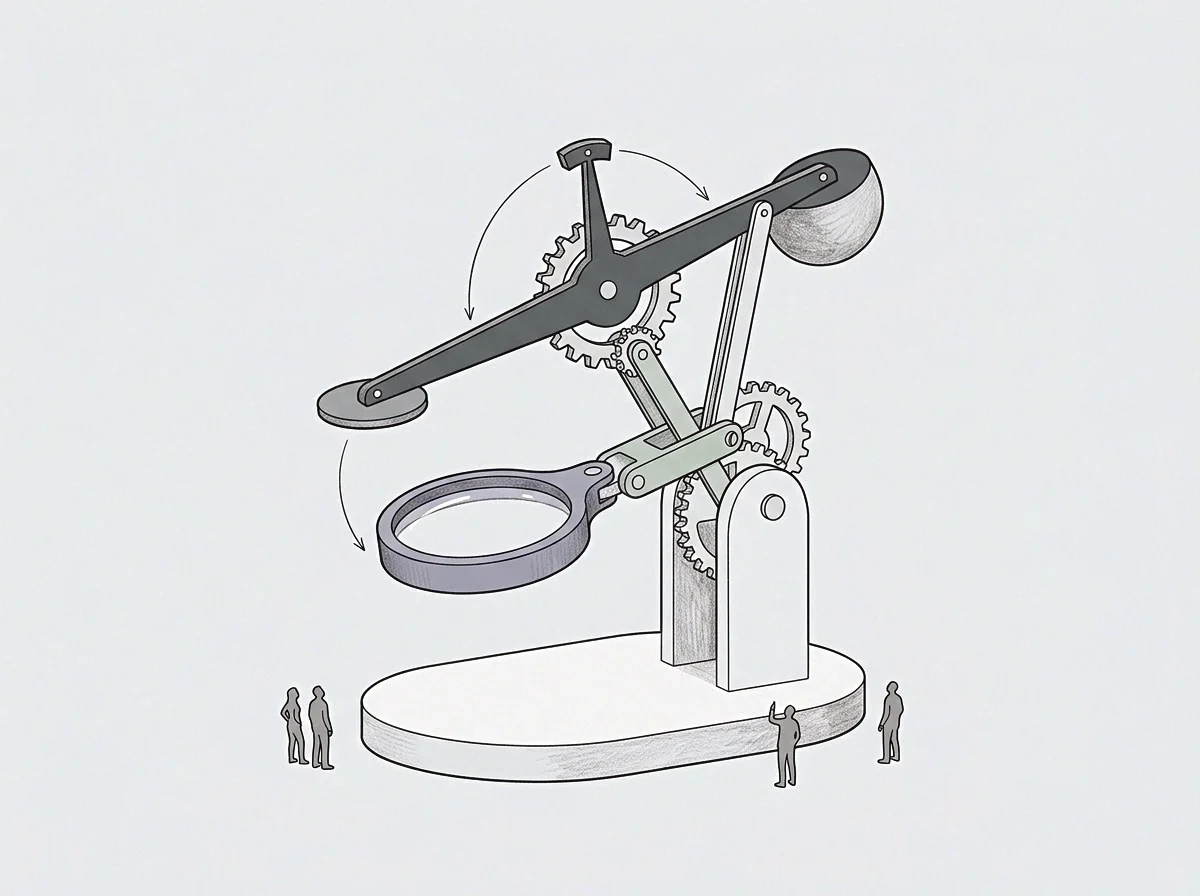
State Gated Interruption Boundaries
Execution state determines whether an input receives immediate processing. A state-gated boundary checks an engineer’s operational status before delivering a notification. While someone is compiling code, debugging, or drafting architecture, the state locks and incoming messages sit in a holding area until an open window arrives.
When response time drops below the context recovery threshold, incoming message frequency dictates total cognitive capacity.
Managing constant interruptions through personal willpower leads directly to cognitive fatigue. Incoming pressure continues until it runs into an enforced structural barrier. When an organization relies on individual discipline rather than systemic boundaries, response times stay erratic, error rates climb, and burnout rates peak within eighteen months.

Clock
Decoupling communication from immediate response removes the expectation of instant availability. By establishing set release windows for non-incident messages, engineering organizations replace reactive loops with predictable, asynchronous processing cycles.
Why Do Priority Signals Decay Under Realtime Pressure?
Immediate response environments distort priority. When questions get answered within three minutes, senders have little reason to research answers or batch inquiries. The chat channel simply becomes the easiest outlet for operational friction.
Introducing a thirty-minute delay protocol allows forty percent of operational pings to self-resolve. While a request sits in the queue, senders frequently check logs, read documentation, or solve the issue independently.
| Variable | Synchronous Interrupt Mode | Delayed Queue Protocol |
|---|---|---|
| Context Switching Latency | High (15-25 minutes per event) | Low (Batched during dedicated windows) |
| Context Retention | Fragmented across short spans | Sustained over multi-hour blocks |
| Interrupt Volatility | Unbounded and sender-driven | Bounded by schedule parameters |
| Self-Resolution Rate | Zero percent (immediate interception) | 35 to 50 percent prior to window |
| System Capacity Outcome | Shallow execution dominance | Deep architectural throughput |
Batching Intervals and Asynchronous Response Windows
Setting fixed review intervals divides the working day into distinct execution and communication blocks. Two designated forty-five-minute windows provide enough time to clear non-blocking inquiries while protecting six hours of uninterrupted work.
A thirty-minute batching interval converts reactive chatter into actionable technical tasks.
Senders adjust their planning habits once the protocol establishes predictable, scheduled response windows.
The stated condition dictates that no non-production alert may bypass the batched review queue unless accompanied by an explicit, logged emergency escalation token that triggers an audit review.

Relay
Message distribution requires intermediate routing to separate sender urgency from receiver execution. Pointing questions directly at a specific developer fractures focus and introduces single-point-of-failure risks. An effective protocol funnels incoming demands into shared, role-managed queues instead.
Routing Queues and Structured Execution Handoffs
A designated triage operator handles incoming requests on a rotating schedule, absorbing interruptions for an entire shift to shield the rest of the engineering group from unscheduled contact.
- The incoming inquiry enters a central queue without pinging individual developer accounts.
- The designated triage operator evaluates the ticket against technical severity criteria during scheduled triage passes.
- Valid tickets receive explicit priority tags and assignment parameters before moving to the team backlog.
- Inquiries missing critical reproduction steps or context receive automated templates requesting data prior to engineer assignment.
- The triage operator updates external stakeholders during specified outbound update windows.
The rest of the team works in uninterrupted focus, insulated from reactive operational overhead.
Decoupling Inquiry From Immediate Resolution
Much of the friction in software teams comes from treating message receipt as a commitment to immediate resolution. A structured handoff introduces an explicit buffer between logging an issue and scheduling a fix.
The priority signal arrives in the log while the worker remains in deep flow.
When external teams see that an issue is logged, prioritized, and scheduled, demands for immediate status updates subside. Reliability builds confidence faster than constant availability.
Logging an issue in the shared triage queue ensures assessment during the afternoon dispatch block without paging the lead developer directly.
Armor
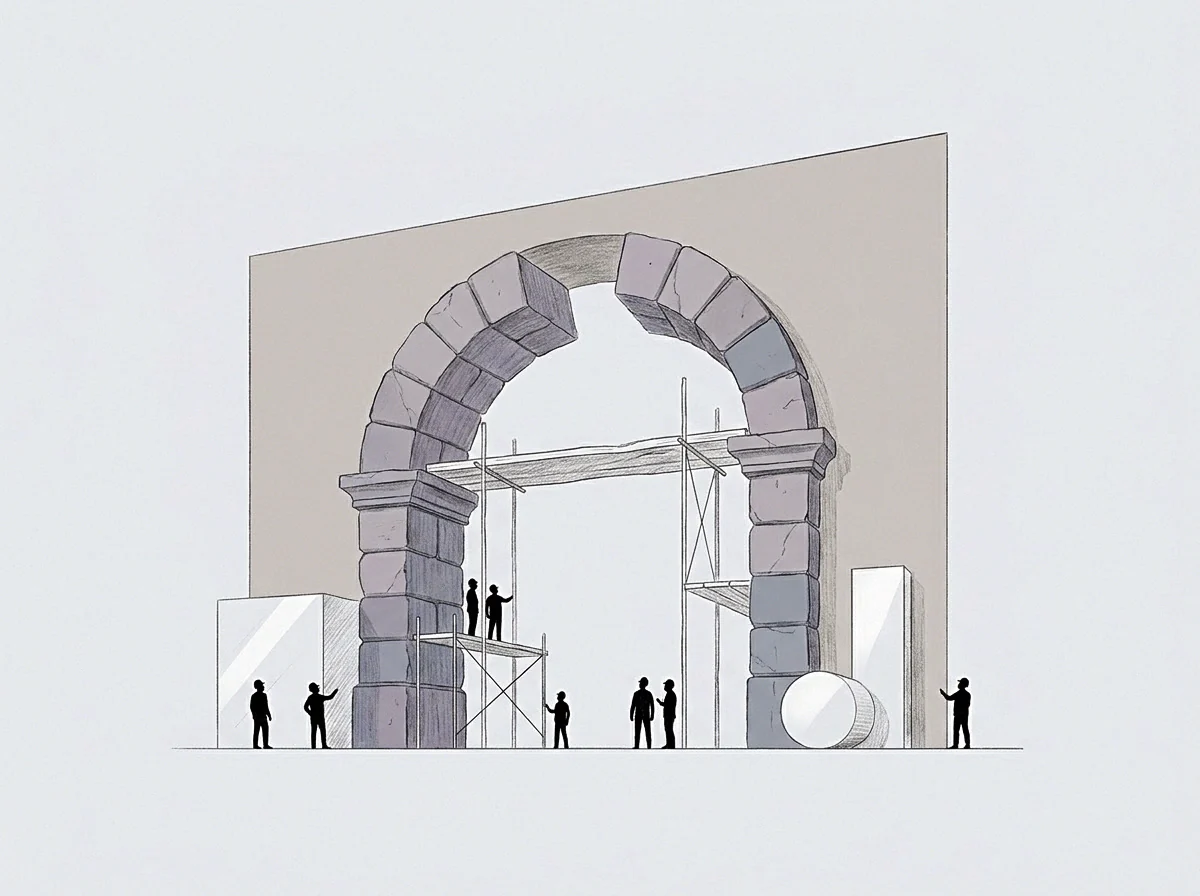
Maintaining communication boundaries requires consistent institutional backing. Without active enforcement, habits drift back toward synchronous messaging: senders bypass queues, direct pings resume, and context switching returns to previous rates.

Hardening Structural Systems Against Channel Drift
Channel drift happens when team members answer off-protocol messages out of habit or courtesy. Answering an out-of-band request reinforces the bypass, weakening the queue architecture for the entire group. Maintaining the boundary requires consistent redirection.
When a direct ping lands in a private channel, the developer replies with a standard redirect link to the queue without answering the underlying question. Providing the answer alongside a reminder to use the queue fails, because the sender receives an immediate resolution and repeats the direct message next time.
Ninety Day Operational Limits and System Resilience
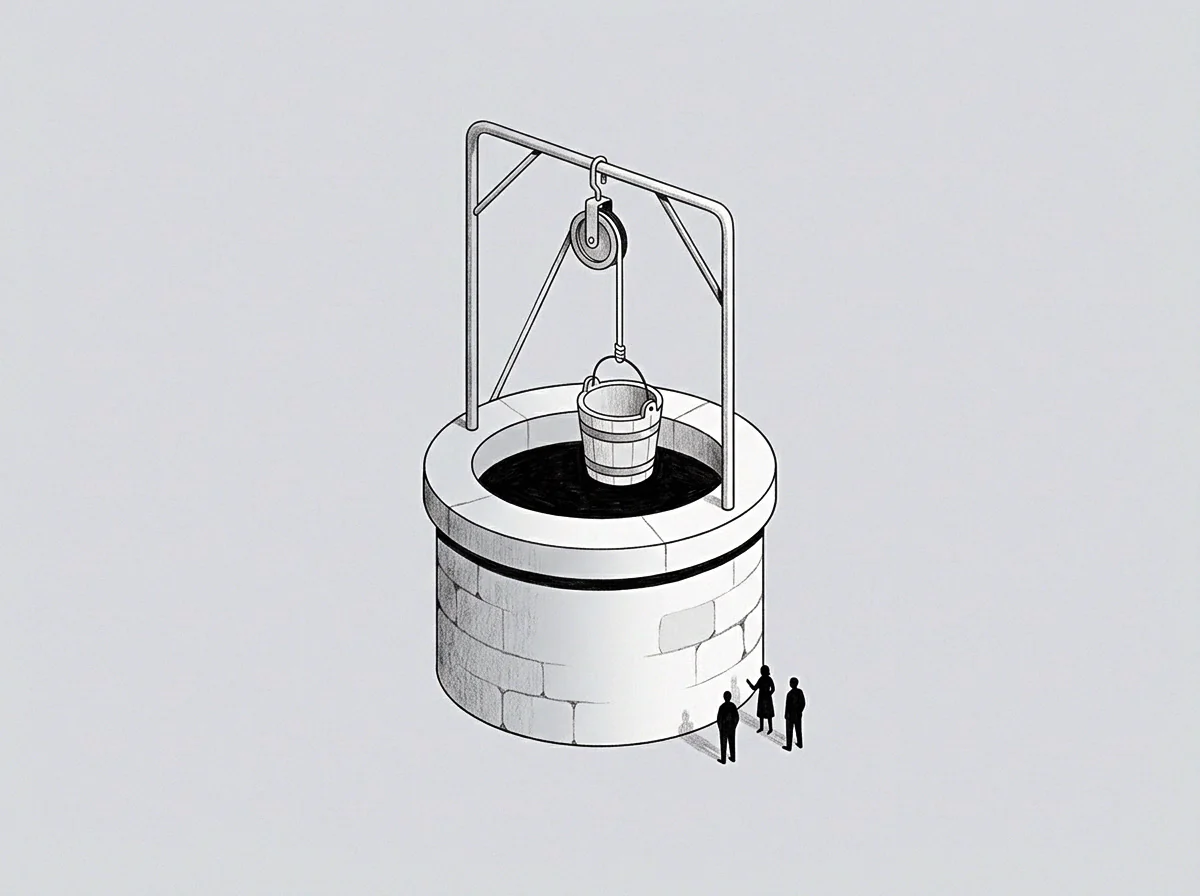
Sustaining asynchronous response protocols requires alignment across departmental boundaries. Product managers, operations leads, and executive leadership must accept the trade-offs of batch processing, recognizing that sustained technical throughput requires delayed communication turnarounds.
Over a ninety-day evaluation cycle, teams enforcing strict delayed response protocols demonstrate measurable gains in deployment velocity, lower regression defect rates, and reduced turnover among core engineering staff. External team hesitation during the first fortnight fades as delivery timelines become predictable. The protocol shifts from feeling like a restriction to functioning as standard operating infrastructure.
A system that protects attention produces predictable, sound architectural work over long operational horizons.