
Structural Failure Thresholds When Governance Terms Replace Individual Load Carrying Under Exponential Demand
Governance terms replace biological load absorption with rigid gates, shifting unmanaged operational volume into latency and exposing structural failure thresholds.
Beam
At three in the morning, four terminal windows run side by side while twenty-six unread client tickets stack up in an intake queue. Sitting alone in the office, an operator answers incoming pings by hand to prevent churn during a sudden triple-digit traffic spike. Every urgent ticket gets an immediate personal reply.
Because resolutions land within minutes, clients assume a twenty-person infrastructure team handles their account. That illusion rests entirely on a single person absorbing the structural deficit until physical exhaustion sets in. Without formal boundaries, one operator ends up covering five distinct roles, treating physical endurance as an inexhaustible asset.
Manual Load Absorption At Capacity
Early organizations rely heavily on individual carrying because people adapt in real time. An operator scales up effort, works through the night, handles client frustration, and patches database corruptions without bothering to log tickets. Stress physiology categorizes this state as sustained allostatic load, where an organism keeps cardiovascular, metabolic, and neuroendocrine setpoints elevated to meet continuous strain.
Over short horizons, that adaptability hides process failures from clients, who never feel the underlying friction because the operator absorbs it. The business grows on the back of this invisible subsidy.
Manual carrying triggers a compounding loop as demand grows. When counterparties experience zero latency and total compliance, their incoming requests multiply. Fast responses look like infinite capacity, so counterparties send increasingly messy, ill-defined problems straight to the person who solves them.
The operator becomes the sole point of arrival for unstructured operational weight. Eventually, physical limits collide with incoming volume: sleep deprivation degrades working memory, motor control, and emotional stability, shrinking cognitive bandwidth down to immediate task triage as physical capacity gives way.
The Introduction Of Written Thresholds
When biological capacity reaches absolute saturation, survival requires formal governance. The operator puts together service level agreements, explicit scoping parameters, rate limits, and ticket escalation matrices. These documents outline exact operational boundaries, setting out in plain text what the organization handles, how fast resolutions happen, and what volumes incur extra fees.
Explicit terms replace biological flexibility with defined institutional rules, placing a visible boundary where informal accommodation used to be.
Clients react sharply when written rules suddenly step in. Someone used to twenty-minute turnarounds at midnight gets an automated notice citing a forty-eight-hour business-day service window. Without a human buffer in place, the underlying latency stands fully exposed, and the client often interprets the boundary as administrative neglect or outright hostility.
Friction builds fast as counterparties push against written terms to reach the obliging person behind them.
Unabsorbed spillover flows straight into delivery delays, lowering work quality and eroding trust across dependent relationships.
Shunt
Redirecting raw pressure away from individuals requires automated intake channels that operate without personal discretion. Formal governance routes incoming demand by contractual priority, billing tier, and technical scope, stopping anything out of scope right at the boundary. The portal logs the input, generates a tracking token, and queues the payload asynchronously.
Personal messaging stays closed, taking the operator out of the path between traffic and internal systems so written rules control queue order, throughput caps, and rejections.
When intake volume doubles within thirty days, codified intake gates convert ambiguous relational pressure into visible operational backpressure.
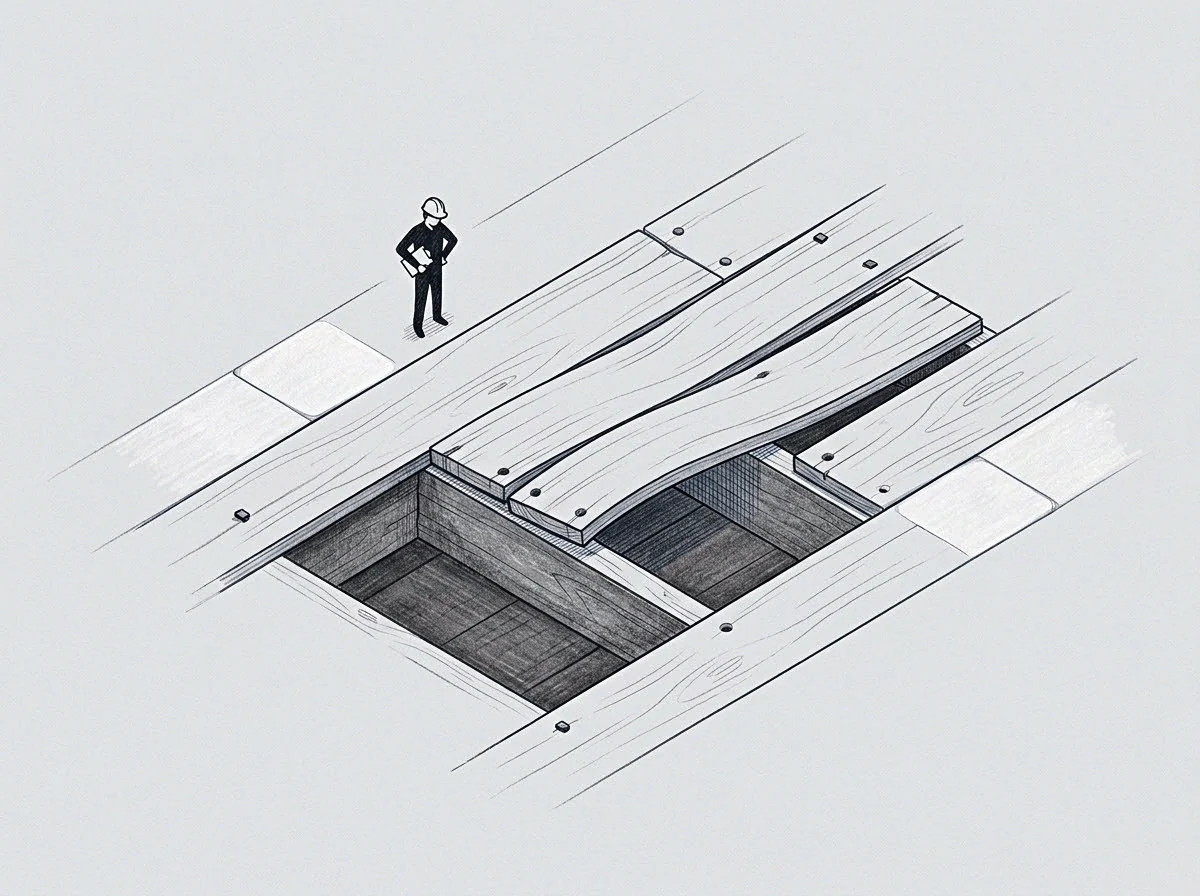
Displaced Queues And Covert Routing
Blocking direct access rarely eliminates incoming volume, as counterparties look for detours around rigid governance. When a ticket portal shows an eighty-hour queue delay, clients dig through old messaging threads, legacy contacts, or personal mobile numbers. If a gate turns away a request, that rejected traffic shifts into unmonitored backchannels.
An operator keeping personal chat apps open soon finds urgent demands arriving disguised as casual check-ins, as counterparties try to pull formal arrangements back into informal obligations.
Secondary queues form wherever informal access persists. An enterprise customer refused an out-of-scope database migration via the portal might approach an account director during a routine call, framing the job as a quick favor between professionals. When internal teams lack clear boundaries around professional favors, they quietly take on the work outside regular tracking.
This unrecorded labor hides structural bottlenecks, skews planning metrics, and drives burnout behind clean performance reports.

The Elimination Of Relational Slack
Formal terms remove personal buffer room from transactions. Under manual carrying, friendly chatter and personal assurances soften system failures; an operator offers goodwill when an API integration breaks, papering over technical flaws. Written terms remove that informal padding, narrowing interactions down to timestamped tickets, status codes, and line-item invoices where personal goodwill no longer offsets operational defects.
Organizations transitioning from manual absorption to contractual terms experience severe operational failure modes when compounding volume meets rigid administrative barriers:
- Asymmetric Queue Displacement diverts rejected administrative load into informal channels, where staff absorb urgent work without central tracking.
- Covert Relational Bypass circumvents formal gates through existing contacts, relying on the difficulty frontline staff face when enforcing boundaries with senior counterparties.
- Terminal State Degradation occurs when counterparties exploit ambiguous clauses, forcing staff into constant manual reconciliation under steep penalty terms.
A contract clause capping weekly intake at forty units pushes excess volume straight into backlog storage, placing the operational cost of delay squarely on the sender.
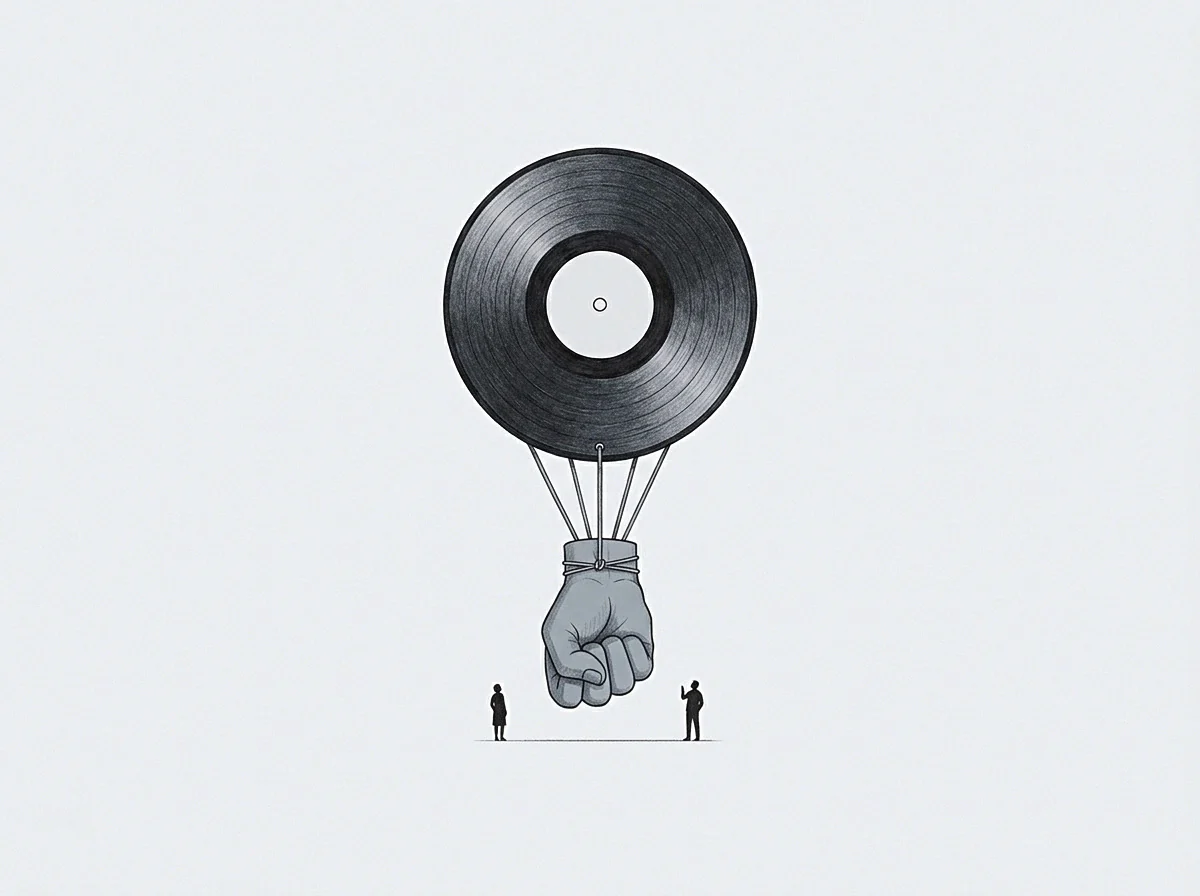
Shear
Physical structures fail when external forces pass their yield strength. In mechanical engineering, shear stress tears material along parallel planes when load concentrates against rigid interfaces. High-pressure hydraulic circuits fail in much the same way: relief valves chatter and ruin their valve seats when fluid surges past discharge capacity, spilling fluid into the casing.
Operational systems undergo a similar structural tearing when surging volume meets unyielding governance rules. As terms hold firm and incoming demands stack up, tension gathers at the exact point where an operator must enforce text against a struggling client.
A written limit functions as a wall only until the person who drafted the text quietly steps back in front of it to catch a failing client.
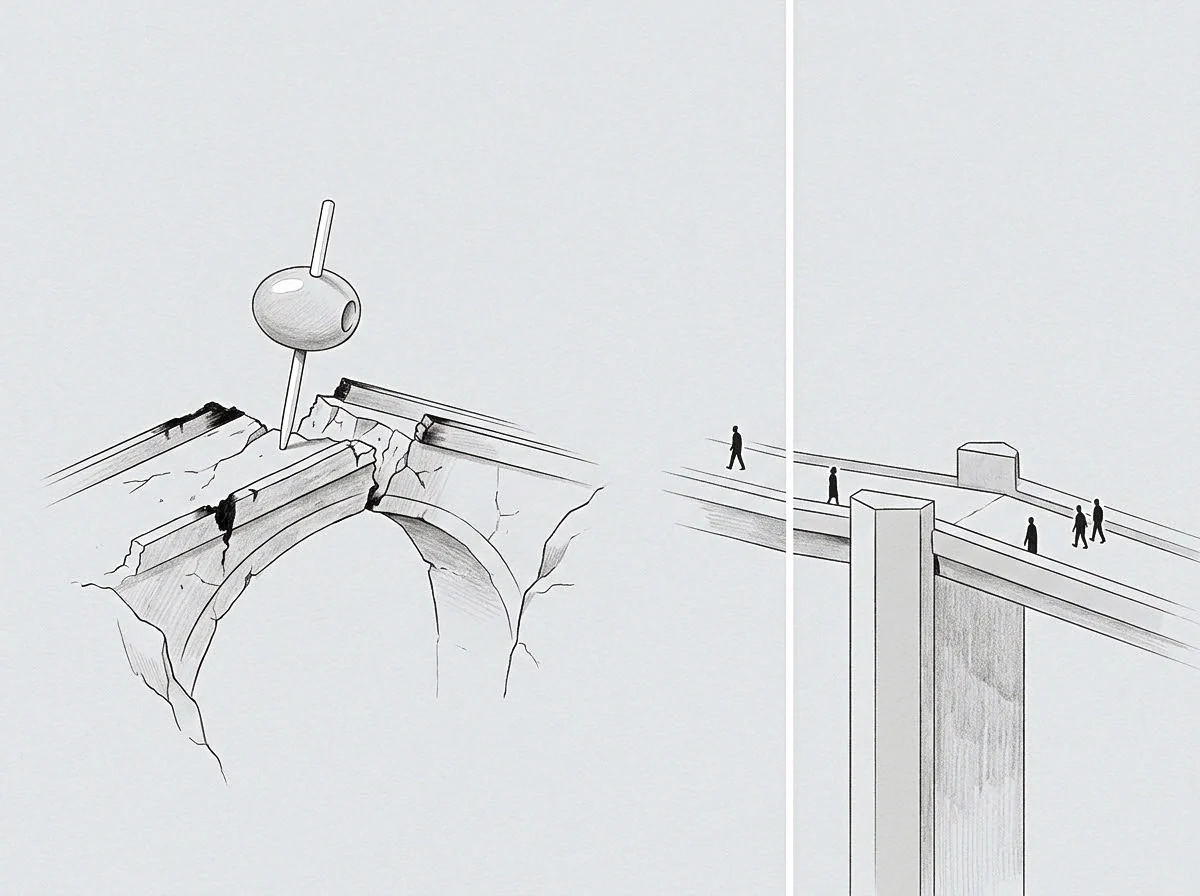
The Elasticity Differential Between Rules And People
Rules have no natural elasticity, while people adapt. A clause specifying five business days for service requests cannot feel empathy, worry about client retention, or recognize an impending crisis. It acts deterministically, logging timestamps and calculating delivery dates.
Finding no flexibility inside an automated system, a client facing an urgent outage applies maximum pressure to the person enforcing the boundary. Caught between breaking policy or enduring client anger, the operator faces immediate friction.
System governance usually breaks when the person enforcing it yields under relational pressure. An operator overrides the portal, pulls an urgent ticket, and completes the task overnight, signaling to the client that written rules are merely decorative. A single manual override demonstrates that the boundary gives way under sufficient leverage, prompting the client to apply even more pressure during the next outage until the formal rule becomes an administrative hurdle easily bypassed through escalation.

Allostatic Limits In Secondary Absorption
Secondary absorption happens when an operator enforces formal rules publicly while cushioning the impact for favored clients behind the scenes. Though policy permits no exceptions, the operator spends six personal hours reformatting customer files so they pass automated intake checks. Maintaining this split position imposes severe allostatic strain, forcing the individual to carry the cognitive burden of enforcing rules while performing manual fixes.
Reserves deplete quickly under continuous confrontation and off-hours overwork.
Prolonged stress floods the system with cortisol and catecholamines, impairing prefrontal cortex functions like executive decision-making, pattern recognition, and working memory. Operators drift into functional numbness, cycling between sharp irritability and total withdrawal. Far from a personal lack of resilience or moral effort, this shutdown represents systemic exhaustion caused by positioning a person between rigid rules and unchecked intake.
The contract parameters were followed to the letter, yet the partnership failed to deliver what the project actually needed.
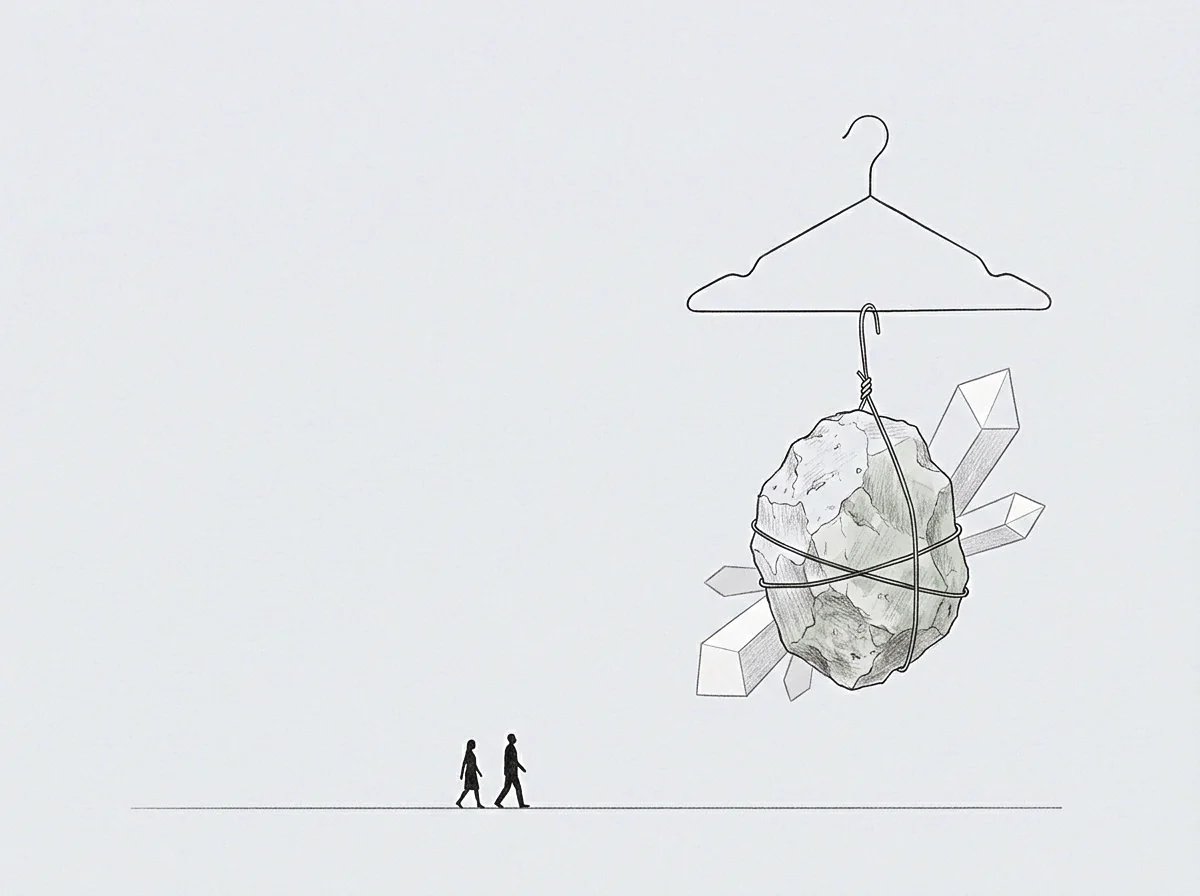
Gauge
Evaluating system reality requires separating overall throughput from individual heroism. A sustainable model surfaces clear indicators of strain well before staff suffer structural damage. Where manual carrying hides friction inside human effort, formal governance exposes reality by funneling work into clear, measurable queues.
Moving between these models changes how an organization handles pressure, absorbs volatility, and distributes costs.
| Operational Dimension | Individual Load Carrying | Codified Governance Terms |
|---|---|---|
| Saturation Profile | Hidden until sudden breakdown halts processing. | Backlog queues show capacity limits in real time. |
| Failure Dynamics | Loss of key personnel and institutional knowledge. | Controlled drop of low-priority requests via rate limits. |
| Latency Visibility | Zero initial latency followed by total silence during breakdown. | Clear, published latency schedules. |
| Marginal Burden Distribution | Internal operator bears the full physical and cognitive cost. | External party absorbs delays or purchases priority handling. |
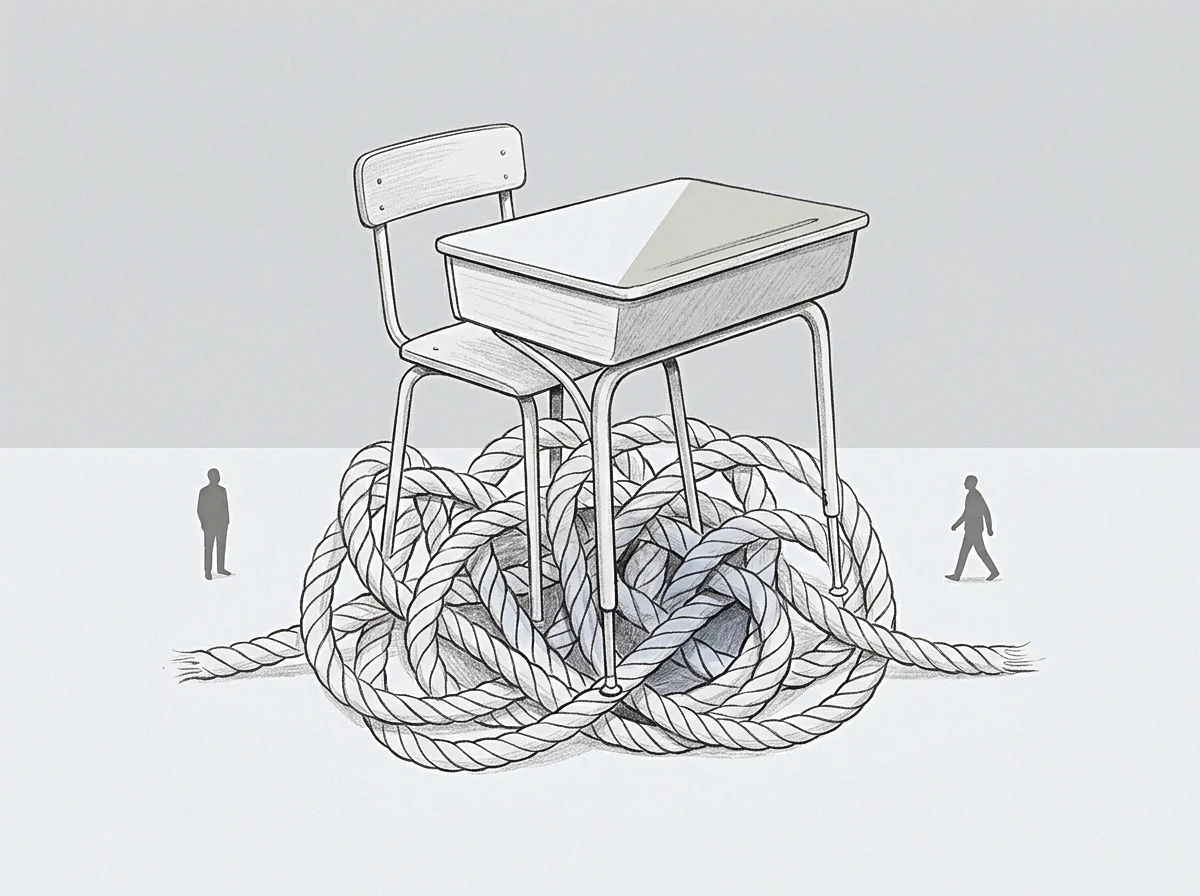
The Derived Derivation Of Availability
Availability in professional settings is a function of clear parameters, response latency, and cost, rather than emotional appeals or arguments. When formal policy sets a channel as unmonitored between seven in the evening and seven in the morning, that rule serves as a boundary. But if a midnight ping receives a reply in four minutes, the counterparty draws the obvious conclusion: the channel is open, the stated rule is decorative, and urgent access is granted on demand.
A boundary stated without an automatic drop in response speed invites continuous testing from every counterparty holding unresolved urgency.
The real boundary exists in channel silence. When a midnight ping goes unanswered, the sender might follow up or express concern before pausing to read the lack of response. That silence clarifies that systems run unattended or that work waits for regular hours, returning urgency to its owner.
Availability stops being an open favor and becomes a defined service bounded by schedule, price, and capacity.
A term holds its line when the silence following an unanswered request outlasts the discomfort of the person who refused to answer it.
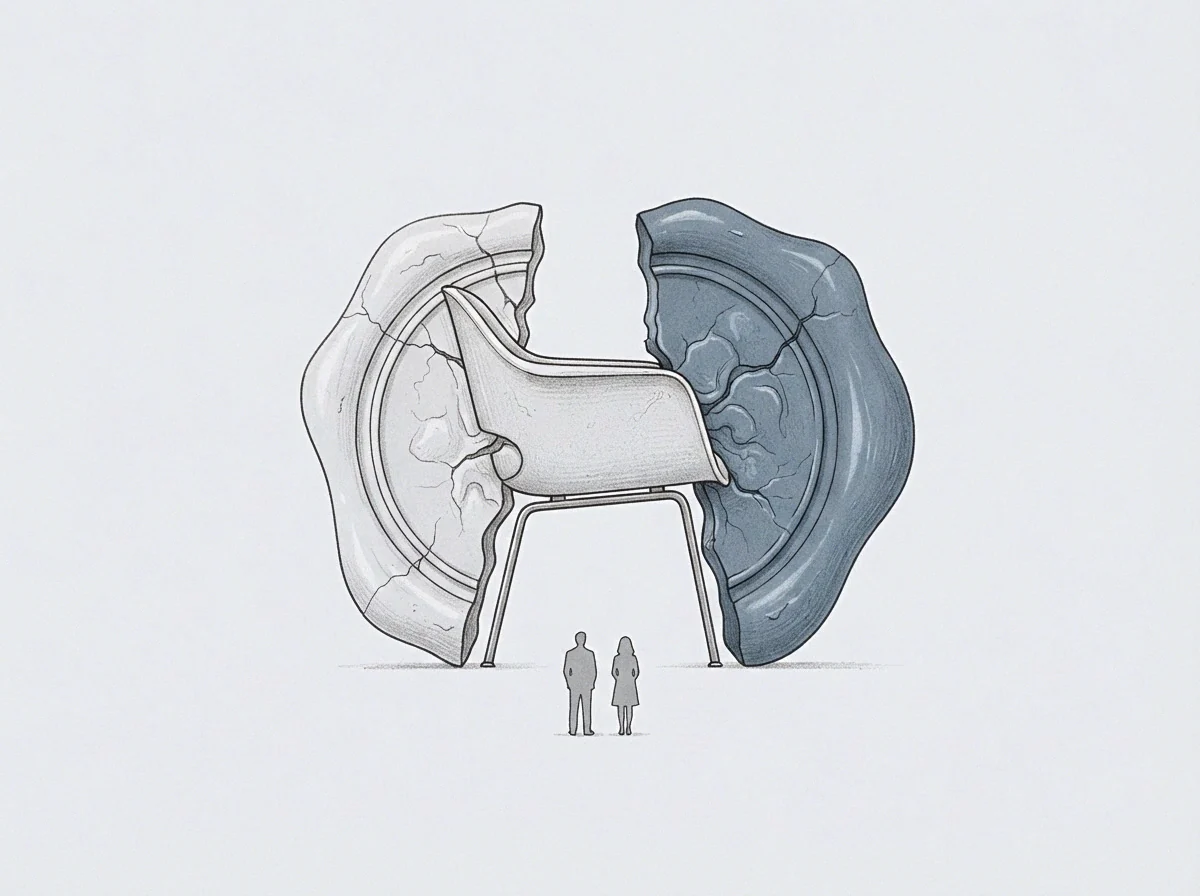
Brace
Withstanding heavy demand requires structural support that does not depend on willpower. Relying on sheer determination during peak pressure guarantees eventual failure, as individuals naturally seek to reduce immediate friction when confronted by aggressive clients. Automated boundaries take discretion off the table, creating systemic buffers that absorb shocks without requiring daily personal negotiation.
Where governance terms carry an explicit financial surcharge for emergency processing, non-critical intake decreases while genuine emergencies pay the full rate of their intrusion.
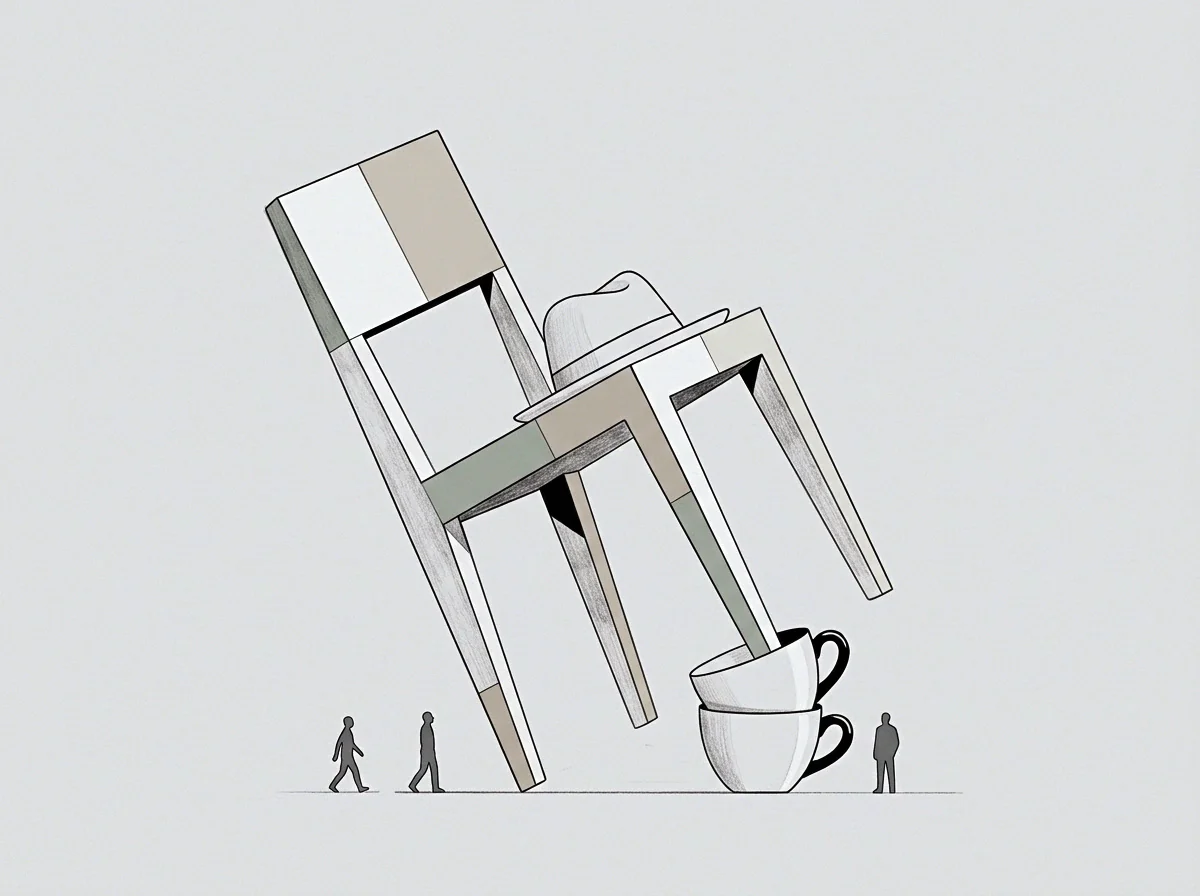
Decoupling State From Mood Under Escalation
An operator’s capacity is determined by concrete inputs: sleep debt, open tasks, message velocity, and available hours. Internal feelings like anxiety or resentment during a surge do not change the physical limits of a day, and attempting to fix system overload through mindset adjustments leaves the actual bottleneck untouched, with fixed hours and unchanged intake volume.
Robust structures treat operator state as an explicit gate. When processing capacity drops below twenty percent, systems automatically trigger throttling: auto-responders turn on, intake pauses, and forms show longer delivery windows. The operator avoids negotiating whether to take on more tasks, as system status closes the gate automatically until queues clear and capacity recovers.
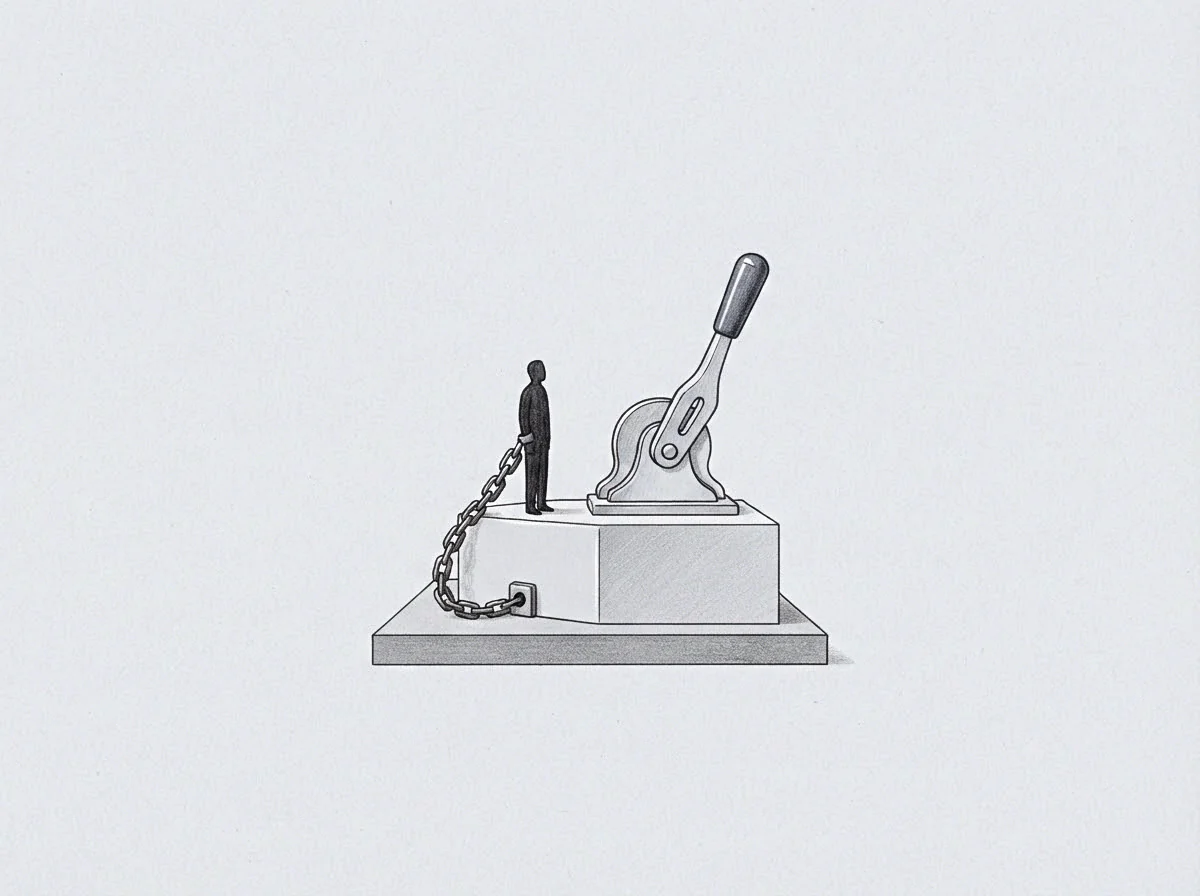
State Gated Interventions
Critical decisions should never occur during extreme exhaustion. Contract amendments, equity negotiations, and responses to client ultimatums require baseline capacity; handling them under high allostatic load leads to costly concessions. Under severe stress, people prioritize quick relief over long-term interest, agreeing to unreasonable timelines or waiving standard fees just to conclude a difficult exchange.
Governance protocols need built-in delays on major choices until cognitive capacity resets. For late-night escalations, systems can enforce mandatory waiting periods by holding outgoing messages sent off-hours until nine the following morning. Delivering responses during standard hours reinforces boundaries and protects operators from making fear-driven concessions.

Holding Position Against Relational Pushback
Applying new terms to existing relationships brings predictable pushback. When informal accommodations stop, clients often escalate, questioning commitment, threatening cancellation, or referencing past favors. This resistance tests whether the new term represents a fixed rule or an individual who will bend under pressure.
Defending a boundary with apologies or explanations undermines it, as explanations invite debate and apologies suggest fault. Instead, restating the rule along with the financial or schedule cost leaves the choice with the client, who can either pay for expedited service or adjust their expectations to the standard SLA. Clear enforcement absorbs the friction and stabilizes the process.
Whether codified governance can withstand exponential demand without a human shock absorber operating behind the scenes remains an open question across growing organizations.