Meaning
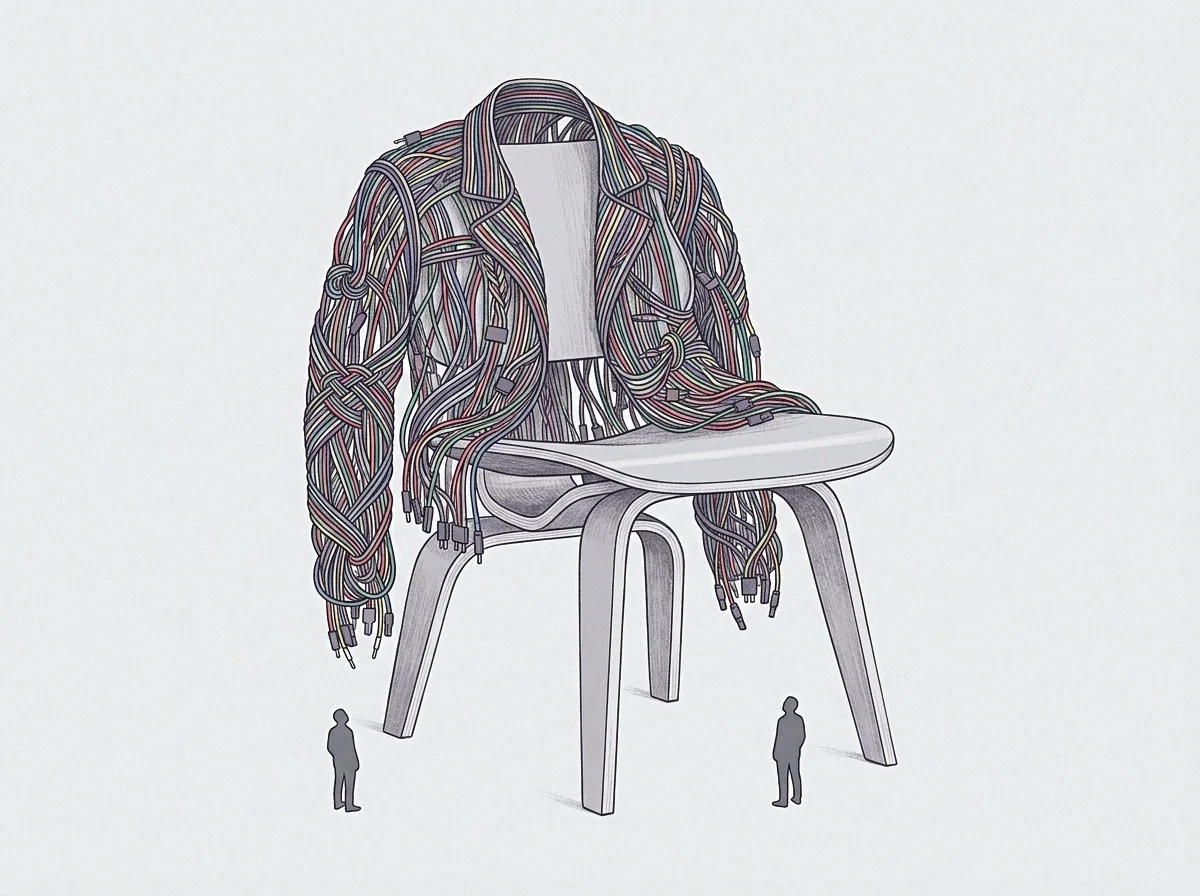
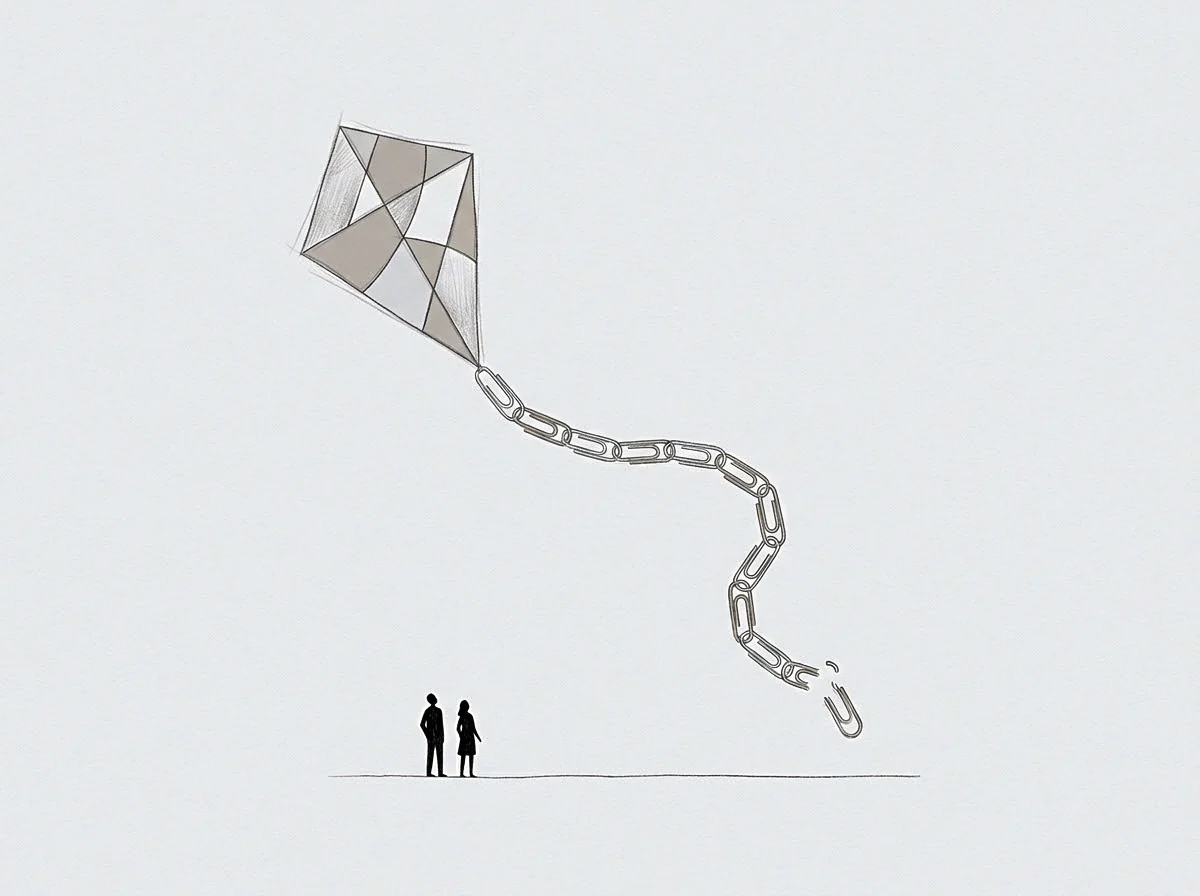
Measures of friction between misaligned organizational forces quantify the strain placed on internal systems and personnel. In the context of leadership, shear stress occurs when the external demands for growth move at a different speed than the internal capacity of the team. This misalignment creates tension that can lead to structural failure.
Structural Friction
Conflicting priorities pull the resources of the company in different directions simultaneously. Experience with shear stress suggests that without a clear strategy, the organization will begin to pull apart at its weakest points. This friction consumes hours of management time that could be better spent on productive work.
Load Imbalance
Distributing work unevenly across the team exacerbates the feeling of being overwhelmed. When some departments are growing while others are stagnant, shear stress increases at the interfaces between them. The resulting pressure lowers the morale and productivity of the employees caught in the middle.
It creates a state of chronic fatigue that is difficult to reverse without a total reorganization. The cost is high in terms of both human capacity and the financial resources needed to repair the damage.
Systemic Failure
Continued exposure to these forces eventually breaks the bonds that hold the team together. Identifying the source of the tension early is the only way to prevent a complete collapse.