
Allostatic Load As The Wear Of Regulating For Others
Allostatic load accumulates when an individual acts as an unbuffered regulatory dampener for surrounding anxiety, exhausting personal biological reserves.
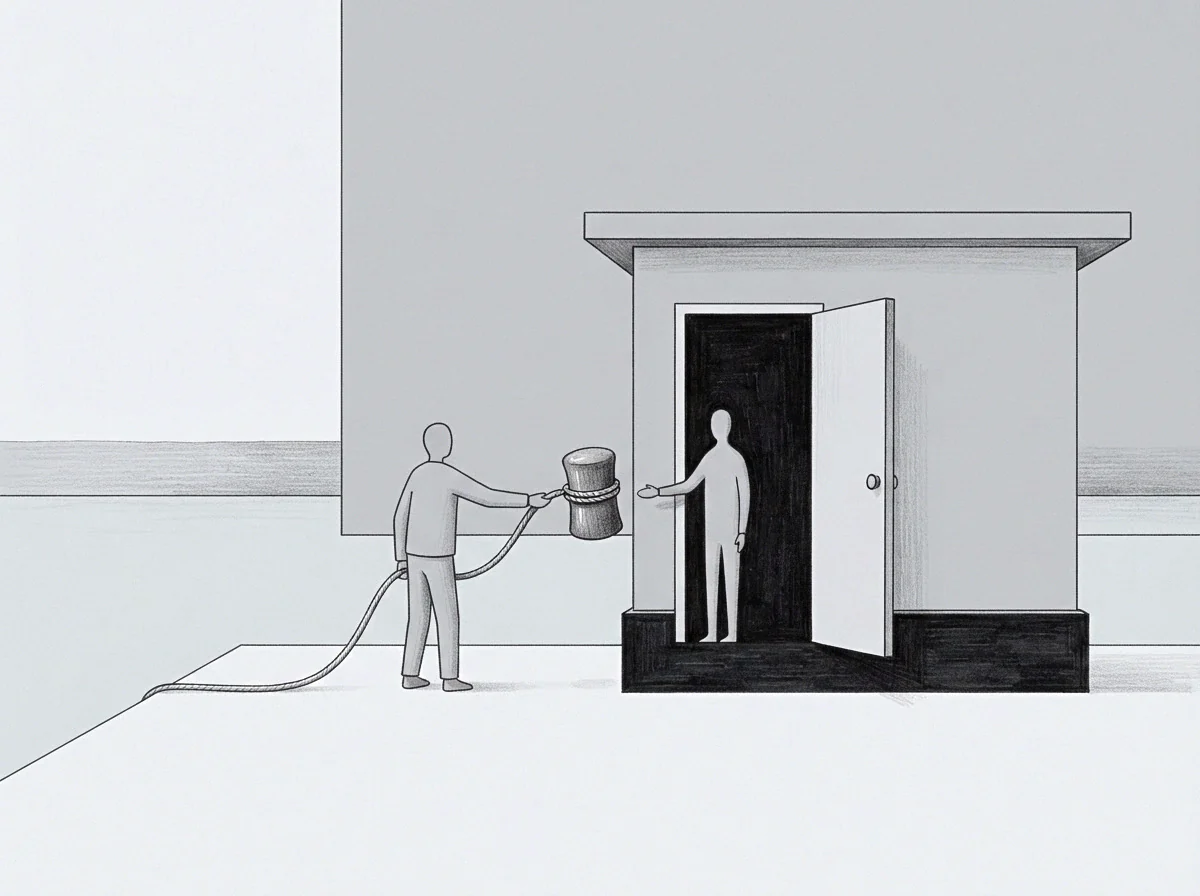
Seat

The Primary Station of Shared Strain
Three incoming channels show active typing indicators past midnight while production logs record escalating latency. The operator at the desk processes the immediate systems fault, absorbs panic arriving from the engineering lead, and rephrases an unresolved runway projection for an anxious board member before dawn. Each interaction consumes biological energy capacity to attenuate another person’s heightened nervous system.
Social baseline theory establishes that proximity to an unperturbed, capable counterpart systematically reduces the neural and metabolic expenditure an individual commits to perceived threats. When an individual assumes the stabilizing position in an organization, that metabolic economy runs in reverse. The person at the center exports stability to surrounding actors while absorbing their unmanaged physiological arousal.
Chronic regulatory export operates as a physical transfer. The individual holding the central role absorbs the variance of everyone in the room, keeping peripheral members at baseline while internal biomarkers climb. Allostatic accumulation measures this sustained physiological adaptation, registering the ongoing wear on vascular tissues, neuroendocrine axes, and immune mediators.
The human organism sustains brief surges of autonomic arousal without permanent decrement. Sustained co-regulatory stabilizing transforms an acute survival reaction into a constant background tax.
A stabilizing presence acts as an external prefrontal cortex for an organization during acute variance, paying for organizational coherence with personal neuroendocrine reserve.
That nocturnal sequence occupied the executive slot. The person in the central role maintains flat vocal tones, measured breathing, and deliberate sentence cadence during operational distress. This exterior presentation allows junior operators to maintain cognitive coherence and execute routines without paralyzing fear.
External composure under chronic threat requires continuous active prefrontal suppression of limbic alarms. The metabolic energy cost of this continuous inhibition remains entirely invisible to the people benefiting from the stabilization.
The office remained quiet because someone else was clearly handling every complication.
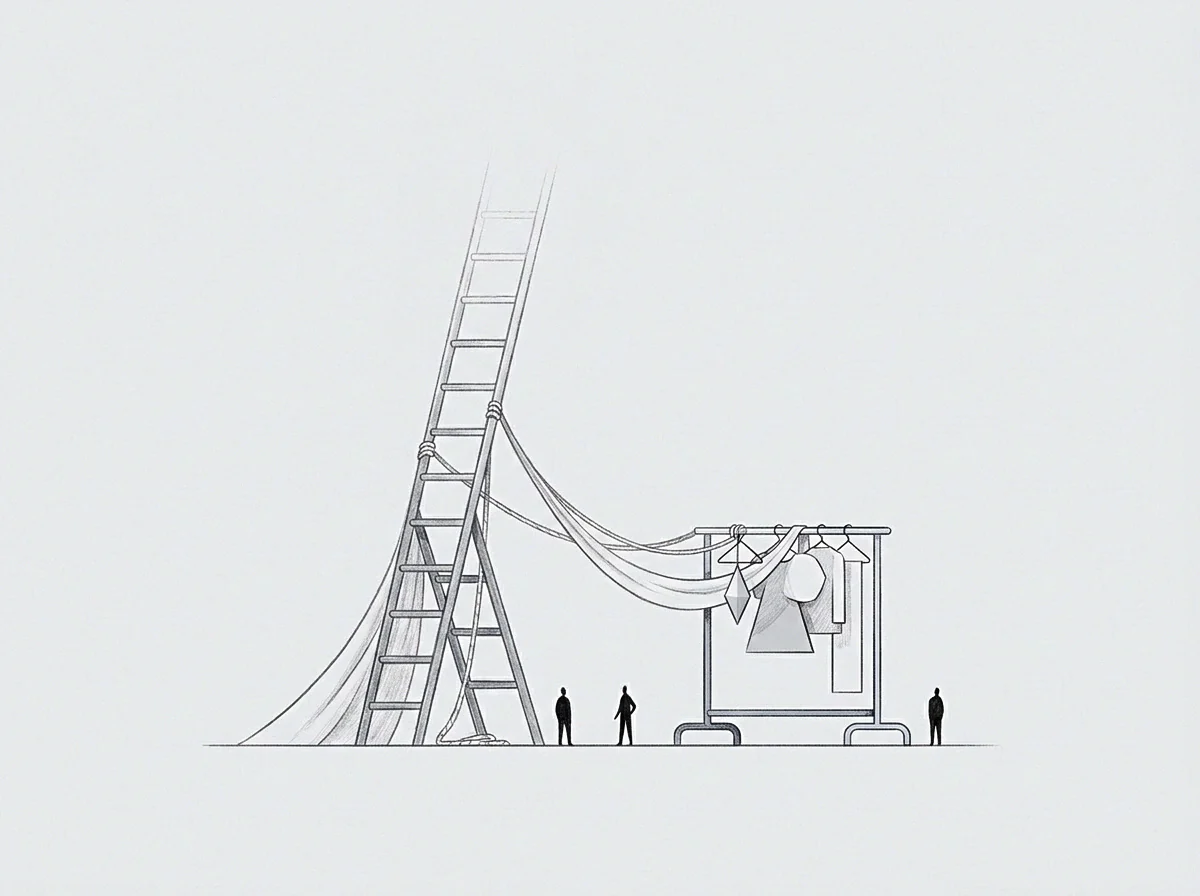
Drain
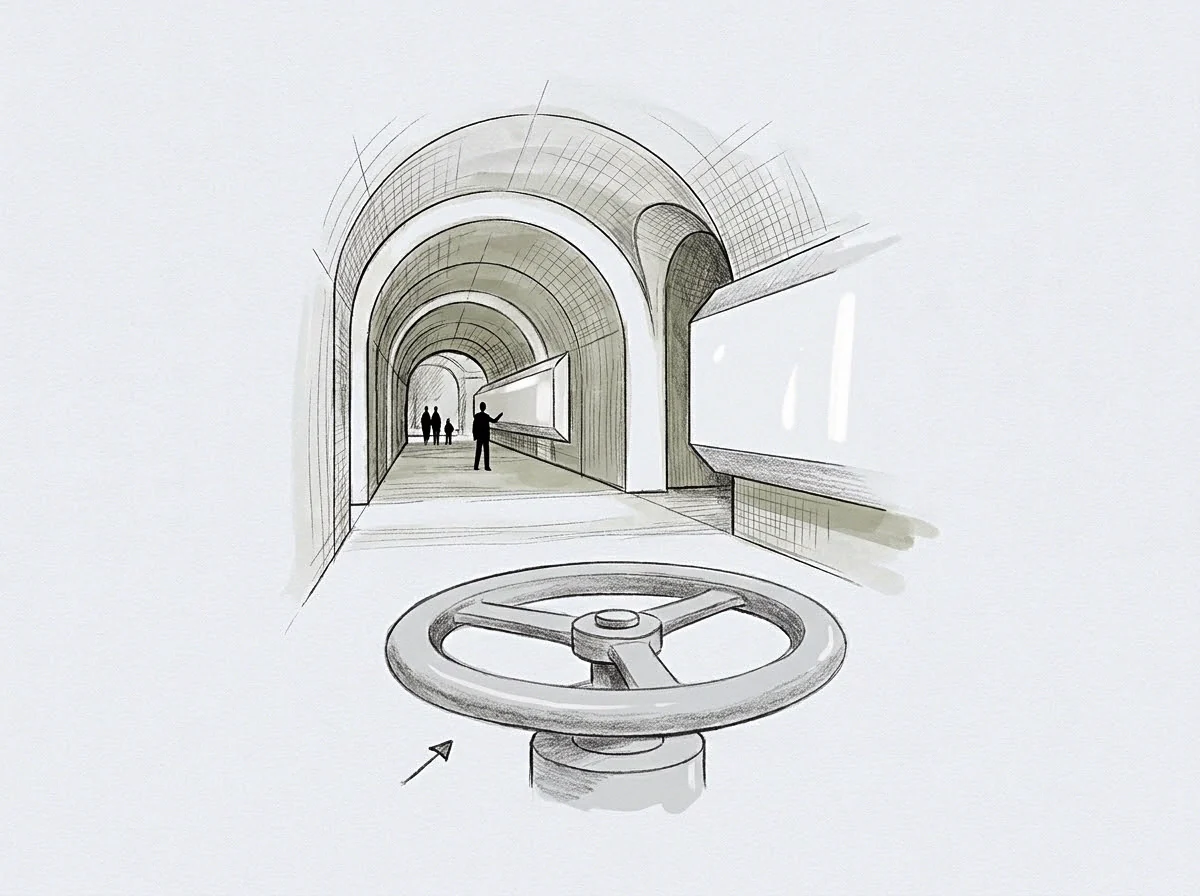
Metabolic Consequences of Absorbed Arousal
Continuous stabilization of external anxiety alters baseline neurobiology. Prolonged demand for regulatory output keeps the hypothalamic-pituitary-adrenal axis active long after operational threats resolve. Cortisol output flattens into a high, rigid plateau, eliminating the natural diurnal curve that supports tissue restoration and restful sleep.
Autonomic tone shifts permanently toward sympathetic dominance, reducing heart rate variability and elevating basal blood pressure. Stress physiology literature links this state of sustained allostatic overload to systemic inflammatory cascades and accelerated cellular aging.
Cardiovascular strain deepens as systemic vascular resistance stays elevated across weeks of unbuffered operational mediation. Take an operator and a technical director who built an enterprise service for twenty-four months with unassigned emotional governance. Assume the technical director experiences acute somatic panic during every client renewal cycle, while the operator absorbs the volatility, drafts the compromise terms, and normalizes the director’s dread.
Over two years, the director’s objective markers of strain remain moderate because the operator absorbs the variance. The operator develops refractory hypertension, unrefreshing sleep, and elevated fasting glucose. Laboratory tests on the operator confirm sustained systemic inflammation.
Baseline physiological markers deteriorate rapidly when an individual routinely stabilizes the autonomic arousal of colleagues without an operational buffer.
This long-term allocation occupied the maintenance slot. In heavy manufacturing plants, mechanical shock absorbers undergo mandatory replacement schedules because continuous dampening of kinetic impact degrades internal elastomeric seals. Human tissue experiences analogous structural fatigue under continuous emotional dampening.
When regulatory load stays elevated without recovery windows, the internal dampening apparatus degrades.
Leaving structural emotional dampening unaddressed forces the biological substrate into systemic exhaustion, culminating in unmanageable physical illness and total executive collapse.

Ceiling
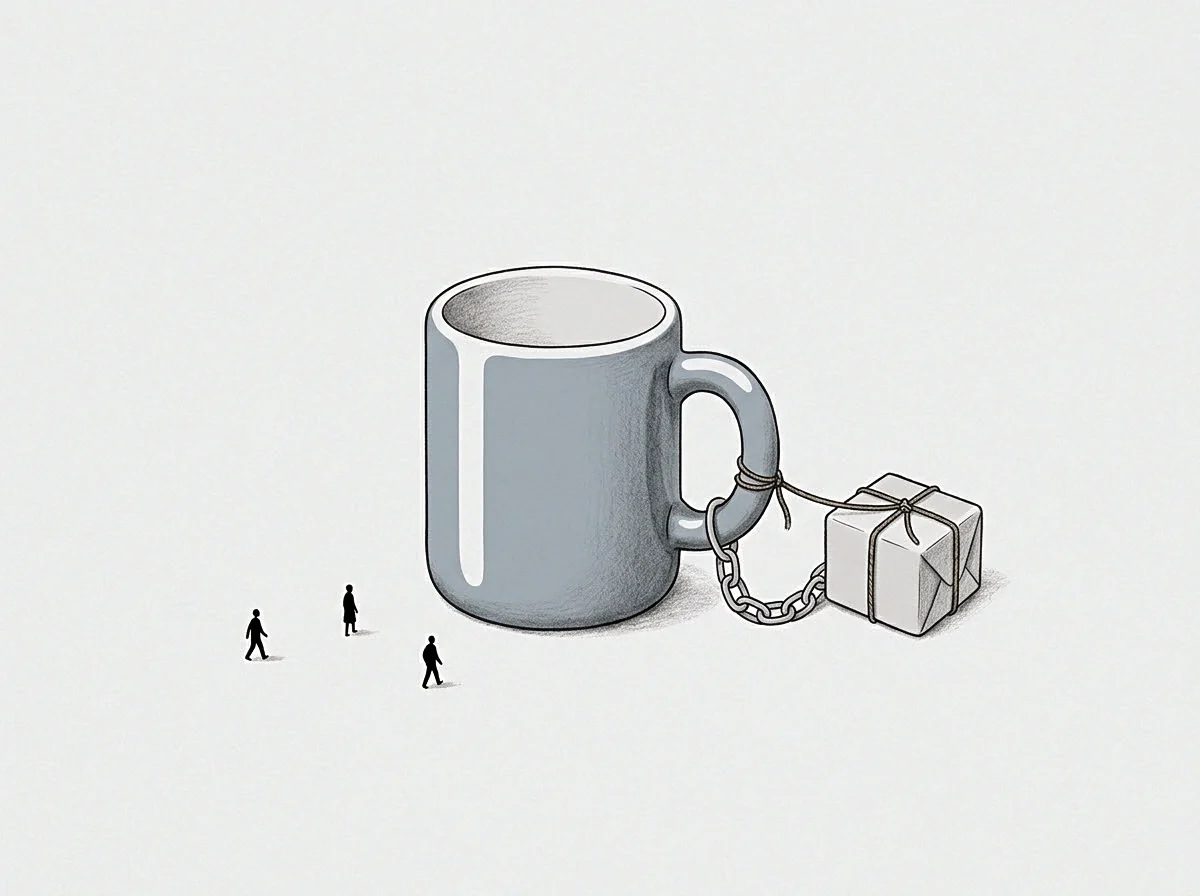
Throttling Versus Depressive Collapse
A biological system operating at maximum capacity protects its core machinery by reducing peripheral throughput. This protective state is functional throttling, an adaptive reduction of non-essential computational loops to prevent catastrophic somatic failure. Observers frequently mislabel this protective deceleration as clinical depression or motivational failure.
Depression involves pervasive anhedonia, subjective despair, and the global dissolution of intent. Throttling represents an intact, highly organized control architecture operating under extreme load, conserving metabolic energy currency by shedding optional cognitive processes.
The throttled operator executes existing critical protocols with sharp accuracy while actively rejecting new ambiguous inputs. Incoming requests for casual strategy chats, speculative product ideation, or interpersonal mediation feel impossible. The feeling of impossibility serves as an observable metric of cognitive headroom exhaustion rather than an affective disturbance.
The field demonstrates this distinction in occupational health cohorts, though current diagnostic criteria frequently conflate the two states. The claim rests on neuroendocrine profiling of high-strain professionals, though broader multi-center longitudinal validation across non-corporate demographics remains necessary to establish diagnostic consensus.
| Operational Dimension | Autonomous Regulation | Sustained Load Transfer |
|---|---|---|
| Baseline metabolic demand | Bounded to personal operational threats | Multiplied by secondary emotional inputs |
| Sympathetic activation profile | Pulsatile with rapid post-threat return | Continuous low-frequency elevation |
| Recovery latency post-incident | Hours to single days | Weeks to indefinite plateau |
| Peripheral error tolerance | High reserve for ambiguity | Total operational intolerance |
That protective boundary occupied the survival slot. Holding multiple unresolved organizational vectors open at once consumes finite working memory and continuous executive energy. The total volume of ungated operational channels, rather than the nominal count of registered projects, determines when capacity is reached.
A single ungated interpersonal dispute can exhaust the reserve that ten structured deliverables would leave untouched.
Whether a biological system can fully restore its original allostatic set point after years of sustained regulatory transfer remains an open scientific inquiry.
Gating
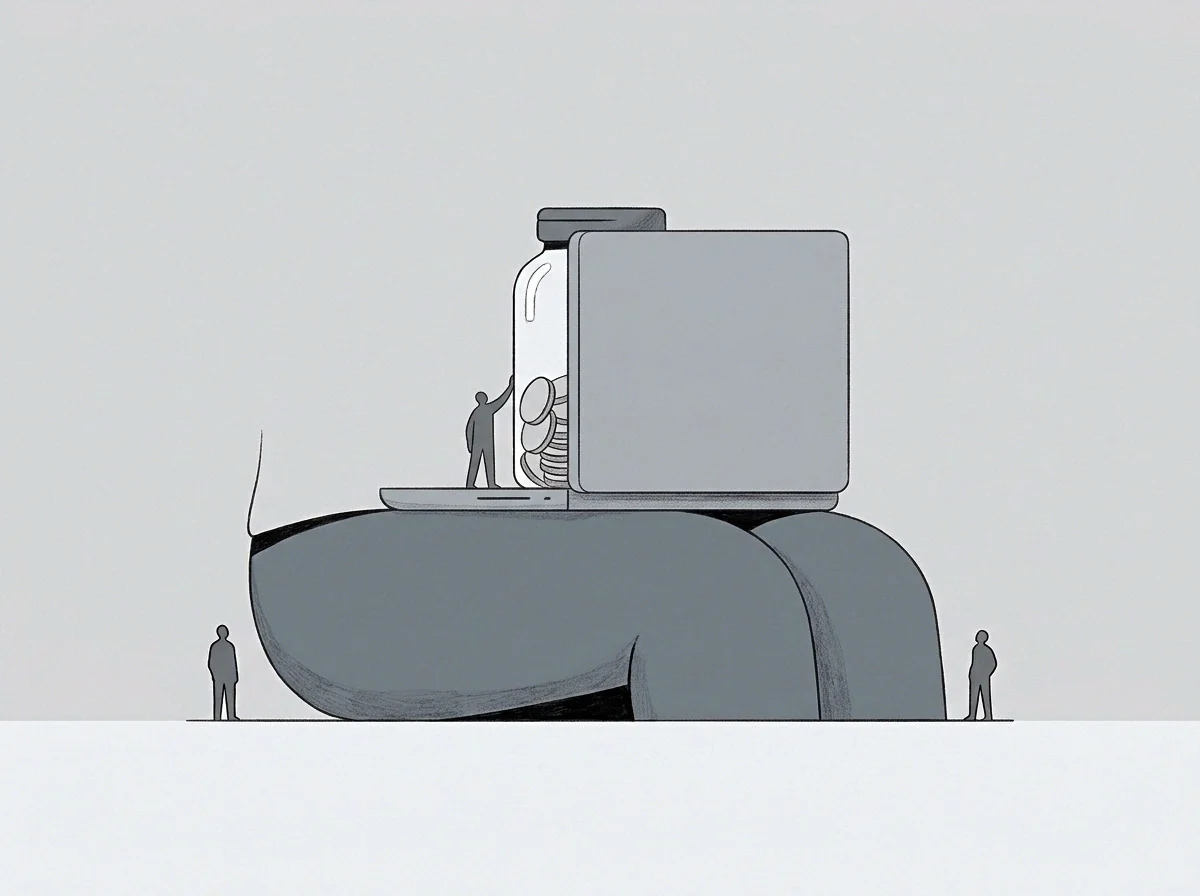
What Halts The Unspoken Transfer of Strain?
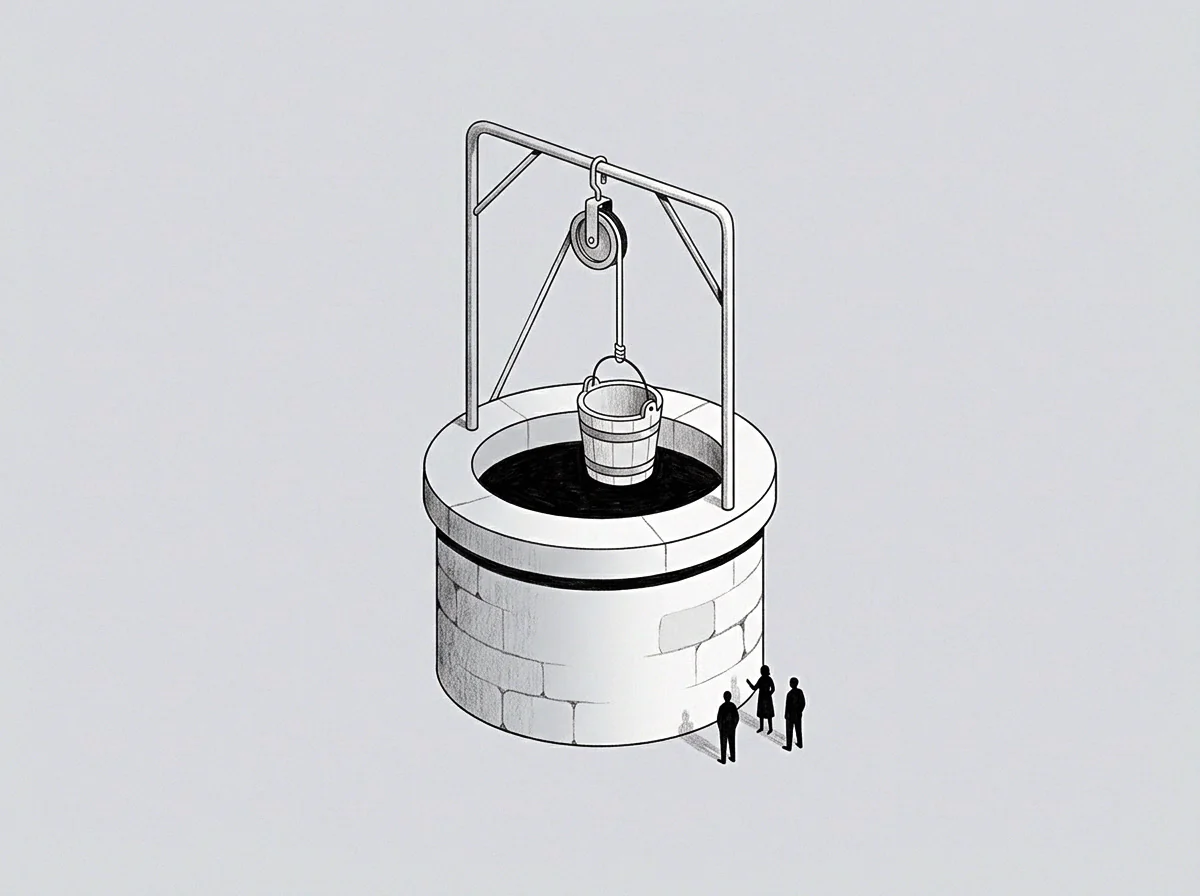
Halting this invisible somatic transfer requires explicit structural boundaries rather than subjective intentions. The organization naturally dumps its unresolved ambiguity onto whoever reliably processes tension without generating immediate friction. Halting the transfer requires converting informal emotional absorption into explicit operational protocols.
Three distinct structural mechanisms arrest the uncontrolled accumulation of external strain:
- Scope specification defines the exact perimeter of operational responsibility, restricting unprompted intervention to strictly contractual operational domains while leaving external emotional volatility entirely with its originator.
- Date gating confines status evaluation and operational reviews to predetermined calendar intervals, terminating the expectation of continuous real-time reassurance across unstructured communication channels.
- Terms enforcement establishes explicit performance criteria for team members, converting vague anxieties about competence into objective, auditable operational requirements.
Stating these structural boundaries terminates covert regulatory arrangements. The operator ceases to function as a shock absorber and begins acting as a standard structural node. When peripheral actors discover that their operational anxiety is no longer absorbed by the center, their own internal regulatory machinery activates.
Some team members adapt by developing autonomous emotional stability, while others escalate their demands or exit the arrangement entirely.
A structural limit transforms ambiguous interpersonal strain into explicit operational friction.
The transition period occupied the structural retooling slot. In software architecture, an unmetered API gateway eventually crashes under unbounded traffic unless strict rate-limiting filters discard excess requests at the boundary. Human cognitive infrastructure requires identical rate-limiting policies to survive intense organizational growth.
Unmetered accessibility invites infinite emotional load.
A written agreement specifying fixed asynchronous update windows eliminates the operational presumption of continuous real-time emotional availability.

Headroom
Restoring The Operational Reserve
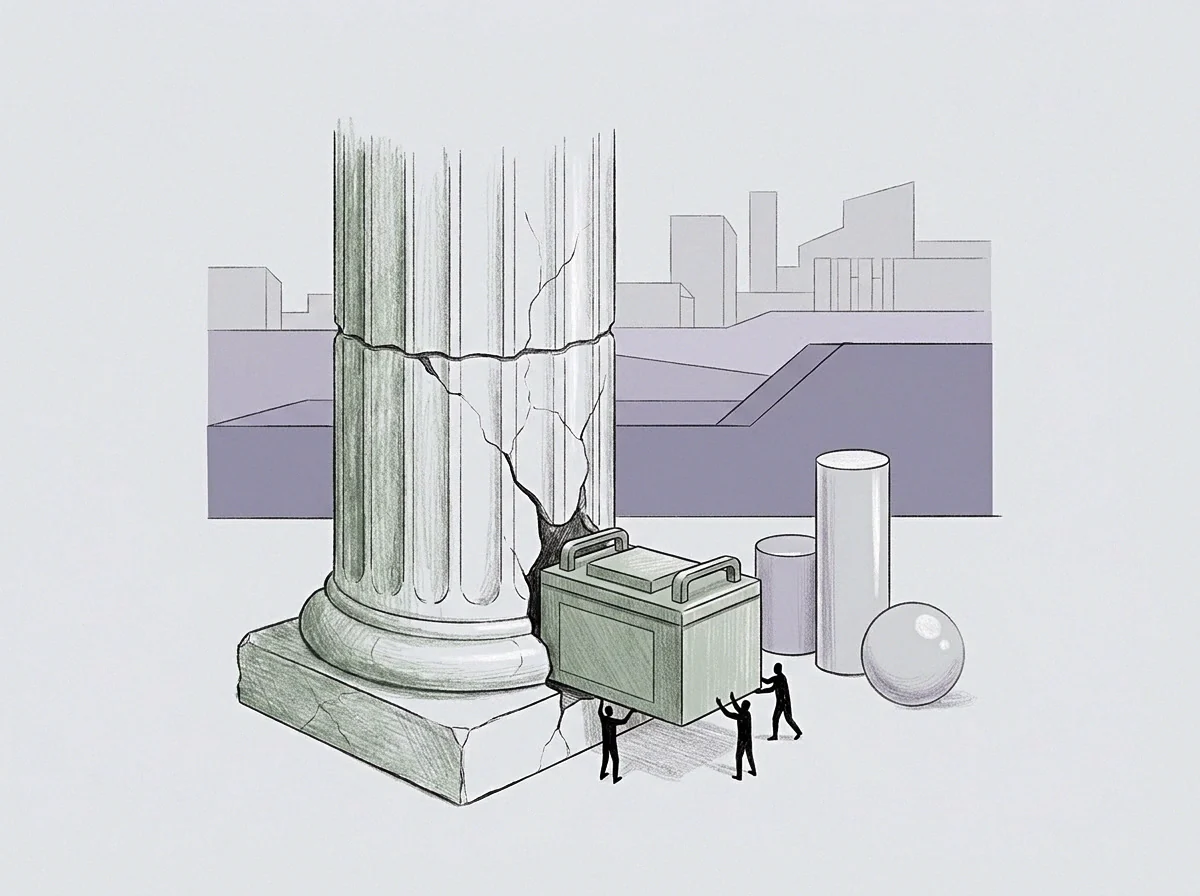
Reclaiming cognitive and physiological margin requires shedding open informational loops. Every unaddressed personnel tension, unfinalized equity adjustment, or ambiguous contractual clause consumes a dedicated computational slot in the nervous system. The person in the central seat cannot recover baseline allostatic function while tracking twenty ungated operational variables in active working memory.
Systematic triage of these loops frees biological bandwidth without requiring extended physical absence.
Parking an open loop involves writing down the explicit trigger conditions under which the issue will receive attention, then removing it entirely from daily operational scanning. If a vendor renegotiation cannot occur until the fourth quarter, tracking that renegotiation in June wastes regulatory energy currency. An unparked loop exacts an identical neurobiological toll whether the issue is trivial or catastrophic.
While precise empirical measurement of open-loop metabolic taxation remains difficult to quantify isolated from general workload, the operational remedy remains unambiguous: define the trigger condition, assign the date, and release the active monitoring thread.
The freed computational capacity occupied the strategic reserve slot. Restoring systemic margin allows the prefrontal cortex to resume long-range planning, abstract architectural synthesis, and genuine creative production. The operator moves from perpetual emergency dampening to deliberate operational design.
The seat becomes a platform for structural leverage rather than an engine of biological depletion.
The person who protects operational reserve preserves the capacity to act when genuine structural crises arrive.