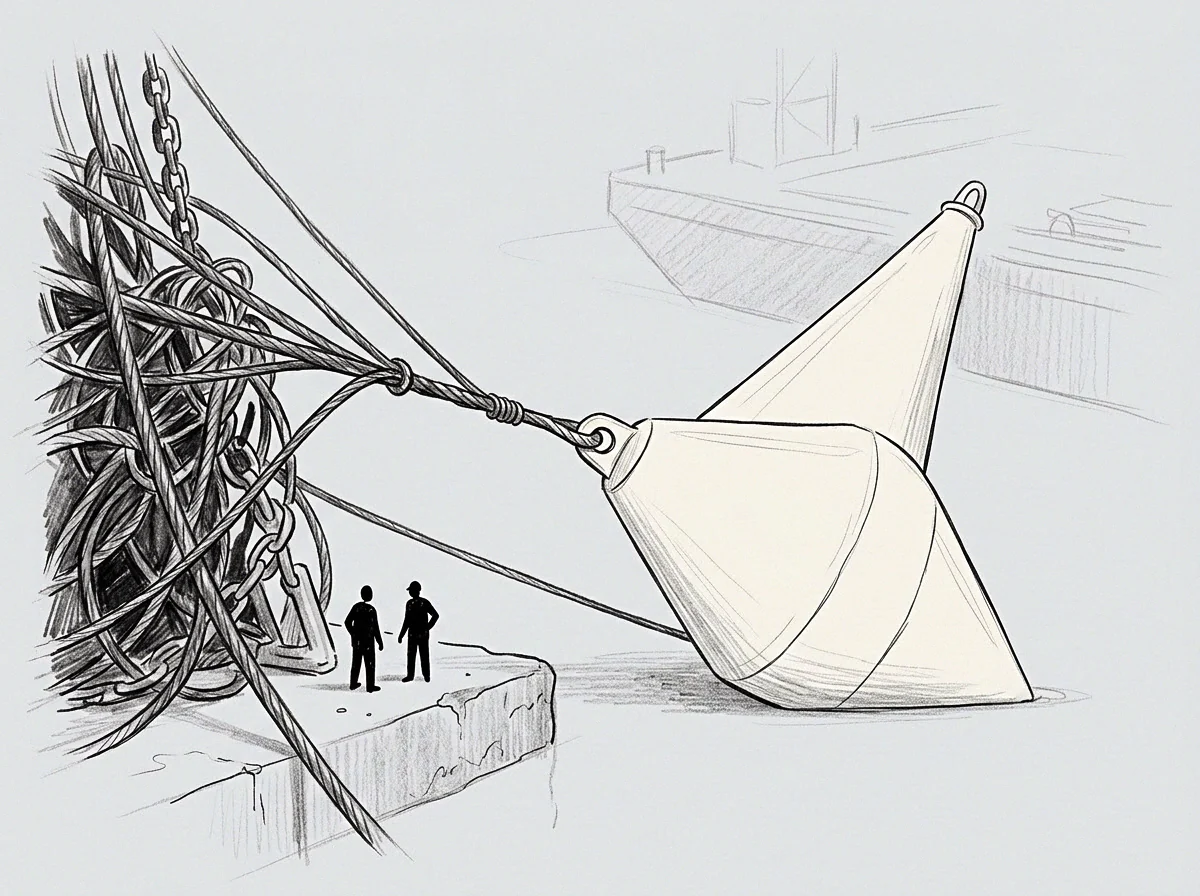
Meaning
Cellular adaptation of cortical tissue diminishes physiological response to invariant hormonal stimulation over extended cycles of neuroendocrine stress. When sustained drive exposes adrenocortical desensitization, melanocortin type two receptors downregulate and decouple from adenylyl cyclase, reducing overall cortisol output. The scope covers the protective peripheral dampening mechanism that limits systemic glucocorticoid toxicity during unremitting threat signaling.
This designation excludes primary autoimmune destruction of the adrenal cortex and genetic mineralocorticoid deficiencies.
Molecular Attenuation
Hormone binding initiates rapid phosphorylation of the intracellular loops of the receptor by specialized kinases. Arrestin proteins then bind the phosphorylated receptor, blocking downstream coupling to heterotrimeric G proteins and terminating the generation of cyclic adenosine monophosphate. Without cyclic adenosine monophosphate accumulation, protein kinase A remains inactive, suppressing transcription of steroidogenic acute regulatory protein.
Cholesterol transport across the mitochondrial membrane stops, arresting de novo synthesis of corticosteroids mid-cascade. The peripheral organ successfully shields vascular beds from steroid toxicity by terminating its own signaling response.
Metabolic Drain
Compensatory central mechanisms respond to dropped corticosteroid tone by accelerating pituitary release of adrenocorticotropic hormone. Hypothalamic circuits run continuously at elevated baseline expenditure, demanding excessive energetic investment from central nervous tissue. Operating under adrenocortical desensitization deprives the brain of normal negative feedback loops, locking central structures into uninterrupted high-expenditure vigilance. founders who carry this load pay continuous attention and cognitive reserve to maintain task performance across basic operational duties.
Sleep architecture deteriorates alongside cellular energy production, lowering systemic work capacity for extended periods.
Feedback Decoupling
Restoring balanced neuroendocrine function requires protracted suppression of upstream secretagogues to permit membrane receptor recycling. Central regulation cannot borrow external capacity while adrenocortical desensitization decouples hypothalamic output from peripheral response.