
Restoring Adrenocortical Sensitivity After Prolonged High Intensity Leadership
Continuous executive overload induces adrenocortical receptor downregulation, requiring structured load reduction and circadian synchronization to restore hormonal sensitivity.

Baseline
Sustained high-intensity leadership maintains continuous neuroendocrine stimulation, driving adrenocorticotropic hormone release from the anterior pituitary. In response, the adrenal cortex steadily synthesizes and secretes cortisol into circulation. The system can sustain elevated production across long capital deployments, operational turnarounds, or protracted crisis management, with biological wear accumulating quietly as regulatory feedback preserves baseline equilibrium.
Under constant saturation, peripheral target receptors gradually withdraw from circulation.
Prolonged hormone exposure changes how peripheral tissues respond. Target cells downregulate glucocorticoid receptors to protect central neural tissue and metabolic organs from steroid toxicity, internalizing receptors, decreasing their binding affinity, or degrading them quickly once bound to a ligand. Elevated circulating cortisol can therefore persist alongside weak intracellular signaling, leaving target tissues refractory to endogenous hormonal cues.

Endocrine Downregulation Versus Affective Blunting
Separating systemic downregulation from affective disorders requires objective physiological data. Primary depressive episodes typically show central hypothalamic-pituitary-adrenal hyper-reactivity with impaired negative feedback. By contrast, adrenocortical desensitization in operating roles involves peripheral receptor attenuation and a flattened diurnal cortisol curve; the physical profile shows chronic exhaustion, fragile stress tolerance, and slow metabolic recovery, even while analytical reasoning and cognitive processing remain intact.
Meeting operational load requires rapid fuel mobilization.
When glucocorticoid signaling drops off, energy substrates are mobilized poorly. Normal acute stress responses depend on sharp cortisol surges to trigger gluconeogenesis, slow peripheral glucose uptake, and free fatty acids. Downregulated tissues fail to make these shifts under sudden demand, producing abrupt physical fatigue during high-intensity tasks because target tissues cannot draw on required glucose stores.
Adrenocortical desensitization functions as an adaptive endocrine brake when circulatory glucocorticoid exposure remains elevated past physiological recovery windows.

Glucocorticoid Receptor Translocation Mechanics
Steroid signaling depends on free cortisol binding to cytosolic glucocorticoid receptors, which then move into the nucleus to modify gene transcription. Under normal conditions, unbound receptors pair with heat shock proteins to preserve their binding affinity. Constant systemic strain keeps these receptors continually occupied, triggering ubiquitin-mediated degradation and reducing the translation of replacement proteins.
As the cytosolic pool empties, nuclear translocation stalls regardless of how much cortisol circulates.
Salivary testing tracks this receptor status by charting free cortisol across a four-point diurnal curve. Cohorts working under severe operational demands consistently show a blunted cortisol awakening response, with morning values rising less than fifty percent over waking baseline. Most stress physiology literature relies on observational cohorts tracking salivary free cortisol against serum adrenocorticotropic hormone; larger randomized trials using dexamethasone suppression challenges would help establish firm diagnostic cutoffs between partial receptor desensitization and secondary adrenal failure.
Confusing physiological downregulation with psychological detachment often leads executives to push harder through sheer discipline, accelerating neuroendocrine depletion.
Room
Working environments and governance patterns drive central nervous system arousal through steady sensory and cognitive input. Remaining visible in a busy office or keeping communication feeds open maintains continuous sympathetic tone. Amygdalar and prefrontal pathways send sustained excitatory signals to the paraventricular nucleus of the hypothalamus, keeping the neuroendocrine cue to the adrenals active and preventing the rest period needed for receptor resensitization.
Consider an executive who spent forty-eight months directing a corporate restructuring, holding final sign-off across four operating units and fielding twenty governance inquiries a day. Working sixty-five hours a week with broken sleep and steady stimulant use, their salivary panel at month forty-eight showed a flattened curve: waking cortisol sat at three nanomoles per liter and evening levels at two nanomoles per liter. Attempting to recover through weekend breaks while leaving phones active produced no change in morning cortisol after four weeks, because incoming messages kept central sympathetic pathways engaged.

Open Loops and Continuous Neural Drive
Unresolved operational matters act as open cognitive loops that sustain central nervous arousal off the clock. An unassigned decision, a pending board matter, or an ambiguous operating metric keeps the prefrontal cortex tracking risk. This ongoing processing prevents the anterior pituitary from easing adrenocorticotropic hormone output, leaving the adrenal cortex under constant chemical pressure even during physical rest at home.
Operating desks routinely collect unresolved commitments.
Interrupting these persistent neural cues requires operational boundaries that transfer actual authority elsewhere. Passive time off accomplishes little if escalations still reach the desk. Cellular recovery only begins when the nervous system detects no immediate operational threats; formal delegation clears cognitive bandwidth and allows the paraventricular nucleus to lower corticotropin-releasing hormone synthesis.
Removing decision ownership while maintaining operational presence leaves central neural arousal elevated and prevents receptor resensitization.
Operational Presence as an Endocrine Stimulus
Direct interaction with leadership teams, reviews of financial ledgers, and attendance at board meetings trigger physiological stress pathways through conditioning. Over years of operational strain, specific corporate settings become linked to immediate sympathetic discharge and glucocorticoid release. Stepping into the building or opening executive software prompts an anticipatory hormonal surge; the endocrine system cannot downshift while immersed in the cues that established the refractory state.
Surrounding environments determine biological consumption.
Restoring adrenocortical sensitivity requires leaving high-stakes operational cues behind for a dedicated reset period. Getting physically away from the work desk severs the conditioned anticipatory response. Executive presence often remains available for consultation while providing no effective operational direction during decisive windows.

Gradient
Gauging the depth of adrenocortical desensitization requires comparing clinical markers against baseline parameters. Dysfunction runs along a spectrum from high baseline output to pronounced hypothalamic-pituitary-adrenal suppression. Diagnostic testing separates structural adrenal disease from the functional downregulation brought on by prolonged work stress, and this physiological profile shapes the operational changes needed for systemic recovery.
Over extended exposure, the hormonal signal flattens.
Laboratory evaluation combines free hormone levels, tropic hormone concentrations, and dynamic challenge tests. The table below outlines biological differences between functional downregulation, primary adrenal disease, and depressive neuroendocrine alterations.
| Physiological Parameter | Executive Downregulation | Primary Adrenal Insufficiency | Depressive Dysregulation |
|---|---|---|---|
| Baseline Morning Cortisol | Low to Low-Normal | Severely Depressed | Elevated or Variable |
| Circulating ACTH Level | Normal to Low-Normal | Markedly Elevated | Normal to Elevated |
| Cortisol Awakening Response | Blunted or Absent | Absent | Hyper-reactive or Erratic |
| Glucocorticoid Receptor Sensitivity | Markedly Reduced | Normal | Impaired Central Feedback |
| Primary Pathological Target | Peripheral Target Receptors | Adrenal Cortex Tissue | Hypothalamic Paraventricular Nucleus |

Endocrine Profiling and Biomarker Differentiation
Careful biomarker analysis guards against misdirected medical treatment that could worsen neuroendocrine stability. Prescribing exogenous glucocorticoids for functional downregulation further blunts adrenocorticotropic hormone secretion and deepens adrenal atrophy. Functional cases typically show low-normal morning cortisol alongside low-normal adrenocorticotropic hormone, indicating reduced signal amplitude centrally and peripherally; primary insufficiency instead displays spiked tropic hormones as the pituitary works to stimulate failing adrenal tissue.
Unmitigated workload steadily depletes physiological reserves.
Assessing residual capacity requires low-dose synthetic adrenocorticotropic hormone challenges. Standard clinical tests use two hundred fifty micrograms of synacthen, an excessive dose that can override receptor insensitivity and conceal functional exhaustion. Occupational physiology literature leans toward a one-microgram protocol, which tests adrenal output under realistic physiological signaling.
Published trials show that a muted response to one microgram of synacthen correlates with protracted recovery periods in fatigued operators. Cutting off incoming demands resets this adrenal response by letting glucocorticoid receptors clear and recycle without continual ligand binding.
A system running without scheduled metabolic headroom converts standard operational variance into biological wear.
Adrenocorticotropic Hormone Responsiveness Shift
Adrenal sensitivity to pituitary signaling shifts under unbroken operational strain. Persistent exposure to tropic hormone downregulates melanocortin type 2 receptors across the adrenal cortex. This loss changes the concentration of peptide hormone needed to drive steroidogenesis, shifting the dose-response curve rightward and requiring a stronger signal to trigger baseline cortisol synthesis.
Receptor sensitivity recovers as signaling frequency falls. Quieting the central nervous system lets pituitary adrenocorticotropic hormone return to intermittent, pulsatile bursts rather than a continuous drip. These pulses avoid saturating the receptors, allowing the adrenal membrane to replenish surface sites so the gland can produce cortisol normally when acute operational needs arise.

Tether
Rebuilding neuroendocrine function calls for rigid structural barriers between the operator and ongoing demands. Merely trimming hours rarely works; cognitive involvement in governance issues keeps central arousal humming. True isolation requires concrete operational gates: cutting communication feeds, handing off legal and financial signing authority, and halting passive monitoring.
The neuroendocrine axis reacts to real drops in input, not good intentions about stress management.
Defined gates keep operational pressure from leaking into recovery periods. The executive needs explicit administrative thresholds for what counts as an emergency worth making contact over. Without hard rules, staff escalate minor business variances, reactivating central sympathetic pathways and resetting the recovery clock.
Structural Isolation of Regulatory Inputs
Cutting off corporate communications is the first step in physical and operational isolation. Passive inbox checking triggers steady micro-arousals, since every message represents a potential problem that demands assessment. Suspending account access and handing devices over to administrative staff shuts down that stream of excitatory input.
- Cognitive Offloading Protocols transfer all pending operational decisions to designated interim successors with full execution authority.
- Communication Thread Gating restricts incoming inquiries to a single secondary channel monitored exclusively by an administrative filter.
- Environmental Cue Removal clears the primary physical workspace of business ledgers, governance files, and operational hardware.
- Circadian Light Synchronization utilizes natural light exposure to anchor central suprachiasmatic nucleus rhythms and support morning cortisol synthesis.
Complex physical systems under load share similar reset mechanics. Saturation divers rely on strict decompression schedules that lower ambient pressure in fixed stages to prevent tissue injury. Cellular recovery in human operators requires the same uncompromising protection against early exposure to operational stress.

Can Adrenal Responsiveness Recover Without Complete Work Cessation?
Stepping back to a partial workload permits some recovery, provided final decision authority is stripped away completely. Making this setup work requires shifting legal and financial liability to an interim operator while keeping the founder strictly in an advisory capacity. In that role, the advisor attends fixed briefings but holds zero execution duties and takes no emergency calls, which dampens anticipatory neural stress while keeping institutional memory within reach.
Operational feedback loops determine physiological output.
Partial steps break down when an advisory role drifts back into informal management. If colleagues bypass interim leads to ask for direction, the executive’s neuroendocrine system falls right back into its conditioned response. Holding that boundary requires organizational discipline and a firm refusal by the executive to resolve day-to-day problems.
Ultimately, hormonal recovery depends less on changing physical desks than on eliminating open cognitive loops.
Cadence
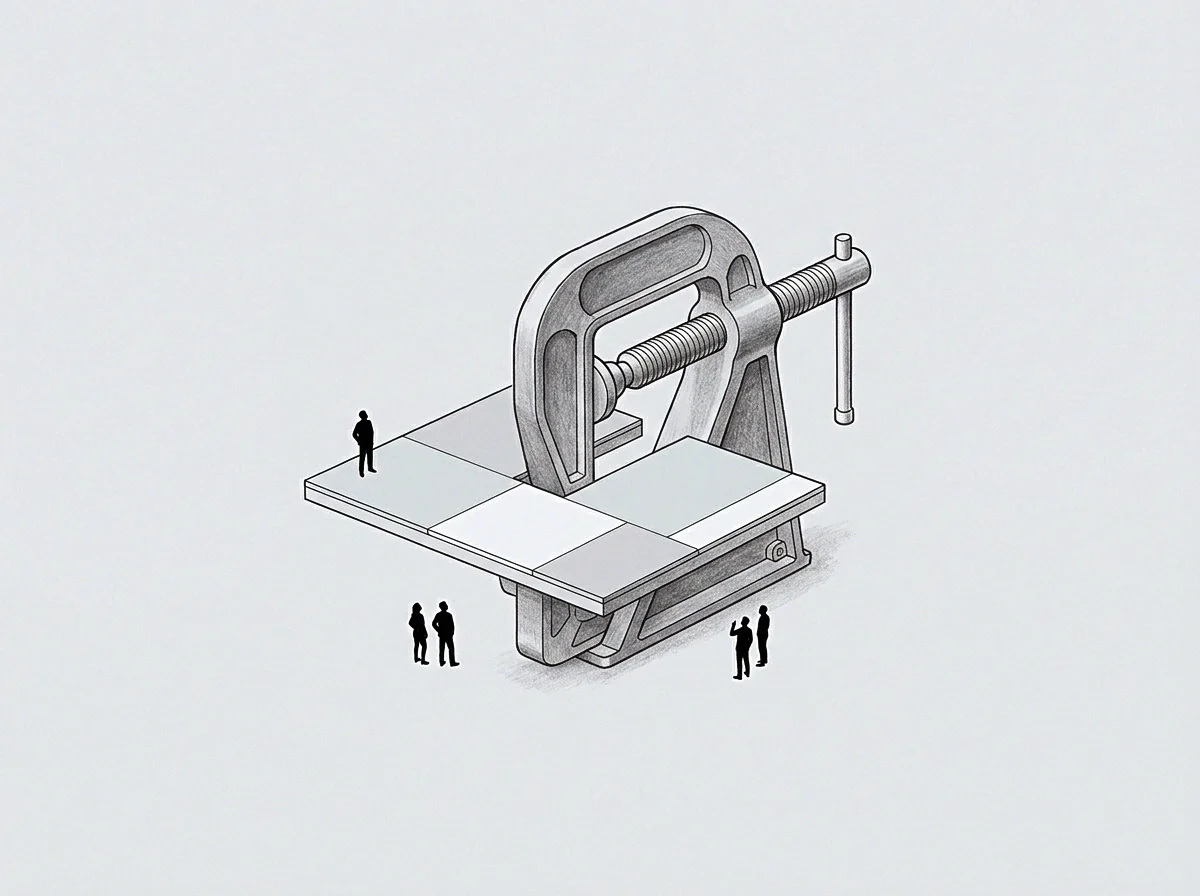
Adrenocortical resensitization follows a biological timetable that will not yield to willpower. Tissues rebuild sensitivity through distinct physiological phases, and skipping steps invites immediate neuroendocrine collapse once the individual resumes leadership duties.
Work capacity returns only after sensitivity is restored.
Recovery progresses from central nervous system quiet to peripheral receptor upregulation, eventually restoring healthy diurnal circadian rhythms. Each phase requires specific environmental constraints to allow these cellular mechanisms to work.

Diurnal Rhythm Synchronization Protocols
Re-establishing a healthy cortisol curve requires managing basic environmental zeitgebers: light, physical movement, and meal timing. Early bright daylight stimulates the suprachiasmatic nucleus, triggering the hypothalamic release of corticotropin-releasing hormone needed for a normal morning surge. Darkness at night drops central excitatory drive, allowing cortisol to reach its nadir and freeing the pineal gland to produce melatonin.
- Enforce complete dark and quiet conditions during an eight-hour sleep window to eliminate nocturnal sympathetic triggers.
- Expose the eyes to natural morning daylight within thirty minutes of waking to anchor central circadian pacemakers.
- Consume protein-dense meals at fixed daily times to align peripheral hepatic and metabolic clocks with central neurological signals.
- Engage in low-intensity aerobic physical movement during mid-day hours while avoiding exhaustive late-evening training sessions.
The adrenal cortex adapts to physiological shifts over time.
Direct clinical testing shows broad individual variation in how long glucocorticoid receptors take to recycle back to cell nuclei. Current endocrinology literature offers no set timeframe for full cellular resensitization among professionals working under partial load reductions. Given that uncertainty, a ninety-day structural break is a sensible minimum before retesting salivary hormones.
Staged re-entry into leadership roles should wait until panels demonstrate a clear morning peak and a steady evening decline.
Morning cortisol reactivity returns only after evening sympathetic tone drops below the threshold of tonic central excitation.
Staged Re-engagement and Capacity Thresholds
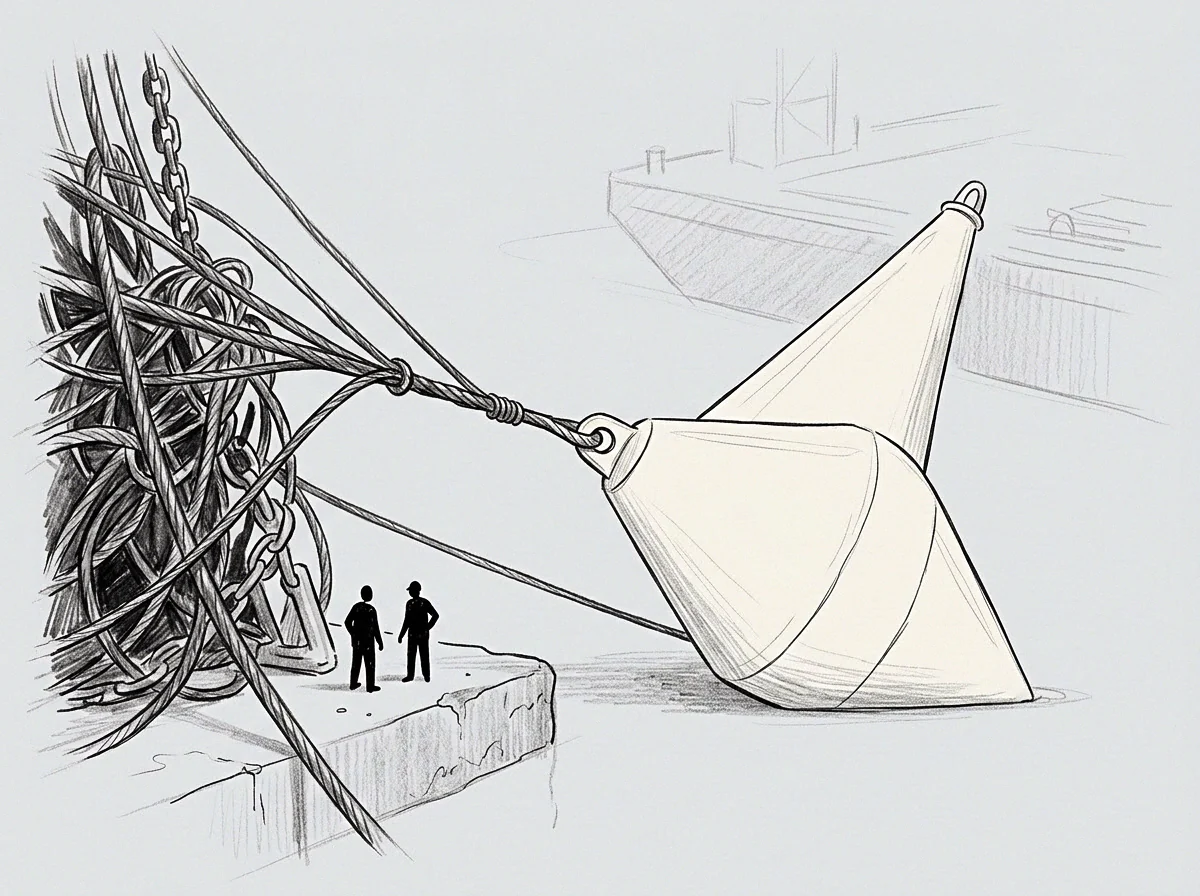
Stepping back into operations requires ramping up decision volume slowly to prevent sudden receptor desensitization. The operator returns in discrete blocks, beginning with low-friction strategy work before taking on day-to-day oversight. Every step up in responsibility needs alternating recovery periods to test physiological resilience and prevent cumulative wear.
Unrelenting pressure steadily shifts cellular thresholds.
Tracking biomarkers during re-entry offers clear data on neuroendocrine stability. Climbing evening cortisol or a flattened morning rise indicates that current workloads outpace cellular recovery. Catching these shifts warrants an immediate pullback in duties until markers normalize.
Whether full cellular recovery ultimately demands a complete break from governance remains an open question when partial workloads are sustained over several months.
Yield
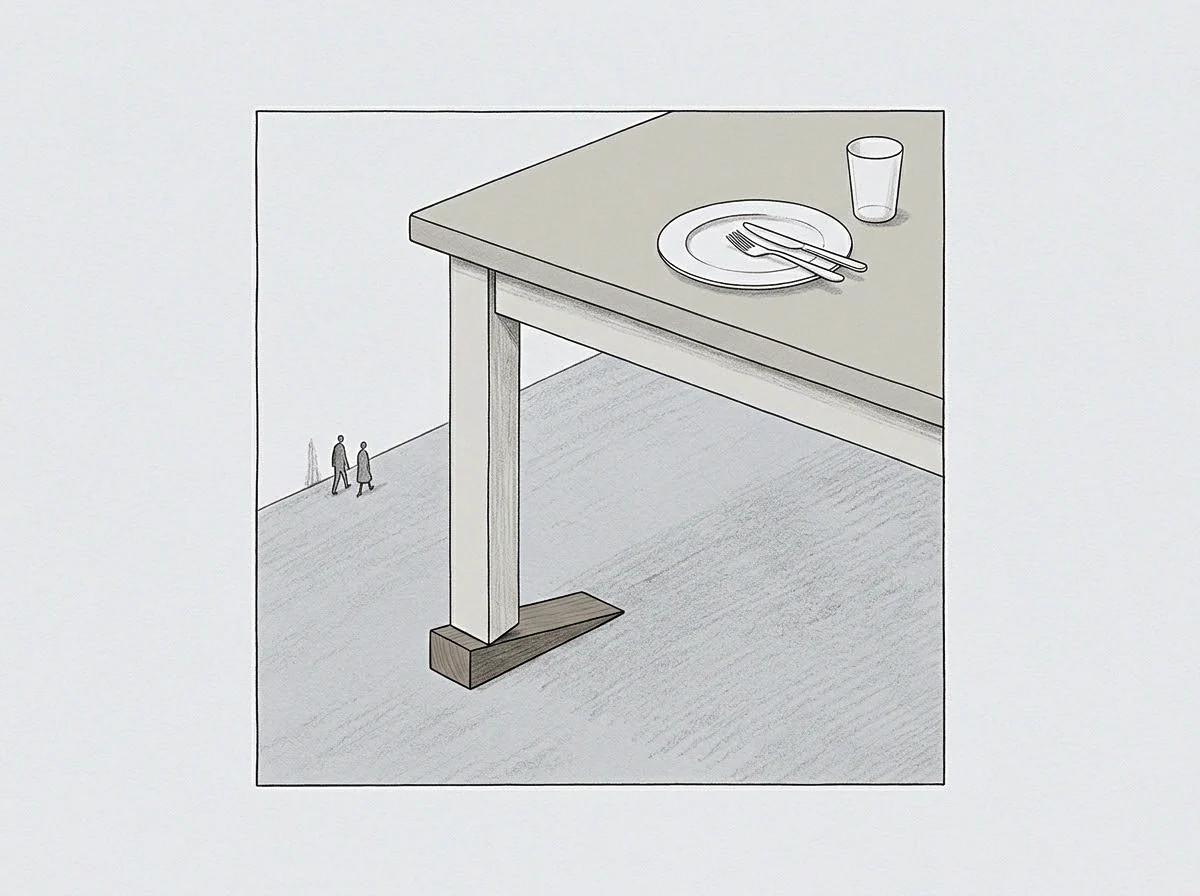
Long-term endurance requires structural changes in how organizational responsibilities are divided and handled. Resetting adrenocortical sensitivity gives a temporary biological reprieve, but stepping back into the same working habits simply recreates the receptor deficit. Durable resilience comes from embedding load-buffering systems directly into governance routines.
Any executive desk requires permanent structural boundaries.
Setting up ongoing delegation protocols, maintaining communication filters, and taking planned operational breaks shields the neuroendocrine system from chronic overload. Working capacity becomes a measured biological asset rather than an endless well. Staying within physiological boundaries protects decision quality, emotional composure, and physical stamina across long careers.
Longitudinal Biomarker Recovery Tracking
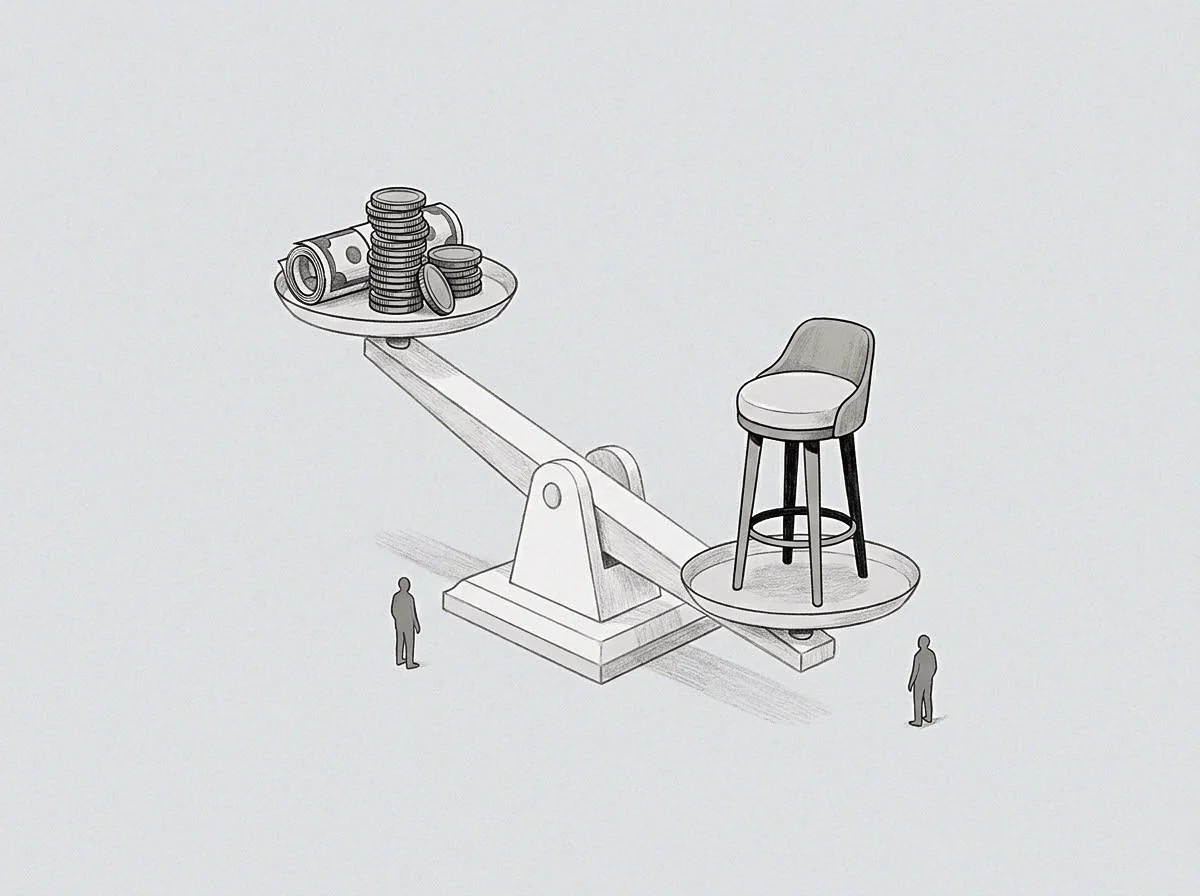
Maintaining neuroendocrine health over time relies on tracking stress markers to catch early axis dysfunction. Checking salivary cortisol profiles, heart rate variability, and sleep stages every six months flags slipping receptor sensitivity before exhaustion becomes debilitating. A drooping morning cortisol awakening response provides an early, objective cue to scale back operational commitments.
Acting early heads off severe receptor downregulation, meaning modest calendar adjustments are often enough to restore equilibrium. The executive can remain engaged without accumulating deep physiological deficits. Biological tracking replaces guesswork about fatigue, rooting decisions about rest and delegation in physiological facts.

Endocrine Stability Under Resumed Operational Load
Preserving biological stability while holding final operational accountability means decoupling long-term oversight from immediate fires. Designing a resilient governance structure means handing day-to-day execution to an operating team, reserving the top seat for broad structural choices and capital allocation. This insulation cuts off the relentless emergencies that fuel sympathetic overactivation.
Re-establishing normal adrenocortical feedback quenches compensatory sympathetic drive, letting the endocrine system regulate energy distribution without chronic downregulation.