Meaning
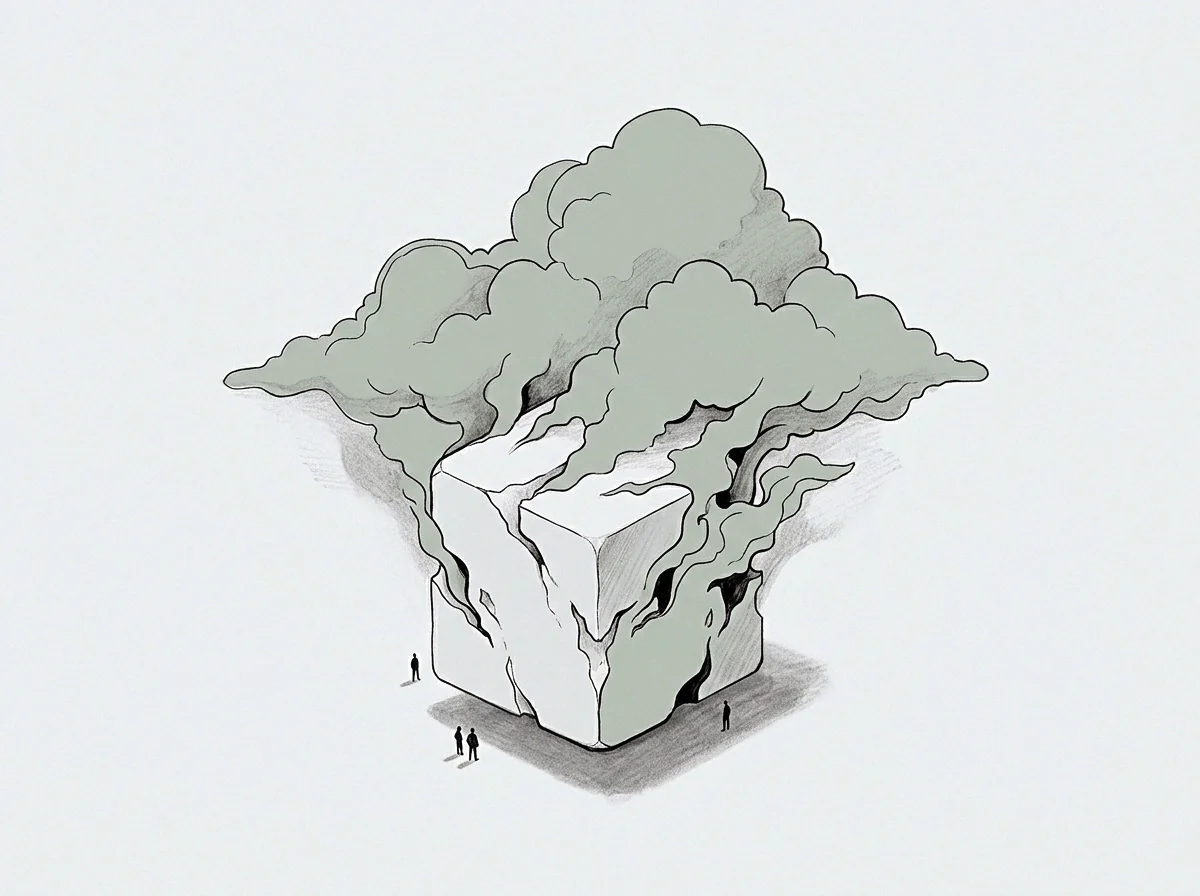
Autonomic overflow describes an acute neurobiological state where intense limbic activation outpaces prefrontal cortical regulation, temporarily disabling top-down cognitive control and executive function. During affective flooding, circulating catecholamines surge alongside rapid parasympathetic withdrawal, driving heart rate past functional thresholds for social engagement and verbal reasoning. The phenomenon governs the acute boundary where reflective decision making collapses into protective survival reflexes.
It ceases to apply to steady baseline stress or chronic mood disturbances that lack this rapid threshold failure.
Physiological Cascade
Sympathetic nervous system activation initiates the process by releasing high concentrations of epinephrine and norepinephrine into peripheral circulation. When affective flooding reaches its acute expression, the prefrontal cortex suffers functional downregulation as high levels of catecholamines impair the working memory network maintained by dorsolateral prefrontal pyramidal cells. Sensory inputs route directly through the amygdala without cortical filtering.
Cognitive flexibility drops to zero while stereotypic motor responses take precedence over discursive problem solving. The organism shifts into an immediate defensive orientation. Metabolic resources redirect away from long-term somatic maintenance toward skeletal muscle readiness, producing tremors, vocal tension and marked hyperventilation.
Regulatory Failure
Recovery from this overflow requires metabolic clearance of peripheral catecholamines and deliberate restoration of prefrontal metabolic control. When self-regulation fails under affective flooding, an individual cannot access verbal reassurances or analytical structures generated internally. Co-regulation offers an external baseline when another person maintains a stable parasympathetic state, slow respiration and grounded posture within sensory proximity.
Solitary regulation demands the complete removal of activating stimuli until somatic baselines return below the threshold of autonomic disruption. Attempting to parse complex trade offs during this period yields repetitive, catastrophic appraisals.
Attention Depletion
Sustained episodes consume heavy metabolic reserves, leaving the central nervous system exhausted once sympathetic tone subsides. The cost of affective flooding manifests as prolonged mental fatigue, reduced working memory capacity and severe deficits in vigilance that persist for hours after heart rate normalises. Sleep architecture following such episodes often exhibits disrupted slow-wave stages, compounding the physiological expense across subsequent days.
Repeated exposure lowers the activation threshold, transforming intermittent shocks into frequent systemic disruptions.