
Long-Term Integration Of Shared Regulation Templates In High-Load Domestic Environments After Severe Exhaustion
Shared domestic regulation requires updating defensive internal templates through repeated low-stakes reliance and structured daily physical predictability.
Sink
The phone sits face down on the kitchen counter at seven in the evening, silent while three separate domestic demands collide in the hallway. A toddler cries over an unfastened shoe, water boils over the rim of a pot, and a partner asks whether the electrician confirmed for Thursday morning. The person standing by the counter hears each sound clearly yet remains frozen, unable to start moving toward any of them.
The operational capacity that directed forty employees through an acquisition six weeks earlier is gone. Prolonged work at absolute capacity draws down physiological reserves until routine domestic coordination registers on the autonomic nervous system as an unsustainable demand. The nervous system protects itself by cutting motor output off from incoming sensory data.
Domestic spaces run on unpredictable interruptions. In an office, an executive schedules appointments, delegates tasks, and buffers attention behind administrative processes. The home strips away those structural buffers.
A family functions as an interdependent network of metabolic needs where children and spouses look for immediate nervous system calibration from the adults around them. When a primary contributor collapses into deep physical exhaustion, the household loses its customary equilibrium. The home demands continuous sensory triage, an activity that burns through glucose and neurotransmitters far faster than an exhausted system can replenish them.
A depleted nervous system treats incoming operational bids as metabolic threats when physiological reserves drop below baseline.
The brain manages energy expenditure through predictive metabolic budgeting. Under social baseline theory, it budgets energy under the assumption that familiar, supportive bodies remain close at hand. Proximity reduces the biological cost of environmental regulation by distributing vigilance and physical effort across a group.
When someone isolates psychologically or manages an enterprise crisis entirely alone, that baseline calculation breaks down. The baseline shifts from a shared load to solitary defense. Coming home after years of unilateral professional defense leaves the nervous system locked in expensive solitary regulation, even when surrounded by family members seeking contact.
Re-entering domestic life reveals that the person has no practice receiving regulation from others. They know how to absorb pressure for an entire firm, but that capacity leaves them without any visceral sense of how to let another adult steady them. The domestic unit becomes an arena of mutual frustration where the resting partner feels constantly flooded while the active partner feels abandoned by an inert presence.
Failing to recognize this autonomic depletion produces progressive estrangement, turning a temporary physical deficit into permanent relational erosion.
Table
Physical space organizes domestic equilibrium. The dinner table, the shared hallway, and the bedside frame serve as the arenas where autonomic signals meet without words. A person operating under extreme depletion often tries to sit in the central room while maintaining total cognitive detachment.
This physical proximity combined with emotional absenteeism produces deep confusion in family members. The children reach for reassurance and meet a stiffened shoulder. The partner seeks logistical planning and gets a blank stare.
Tension fills the room because human bodies read physical presence as an explicit invitation for shared regulation.
Attunement Mechanics Across Close Proximity
Autonomic attunement operates through nonverbal channels that bypass discursive logic entirely. Heart rate variability, pupil dilation, respiratory cadence, and subtle facial expressions communicate safety or alarm across a room within milliseconds. When an exhausted individual enters the house, their nervous system broadcasts an ambient hum of threat suppression.
The family responds automatically. Children often escalate behavioral disruptions because their developing nervous systems register the parent’s flat affect as an immediate rupture in safety. The spouse accelerates operational questioning just to puncture the silence.
The domestic unit organizes itself around distinct operational postures when systemic strain reaches unsustainable levels:
- Unilateral Containment generates severe internal friction because the primary wage earner suppresses all outward distress while carrying an untenable domestic cognitive load alone.
- Affective Flooding disrupts children immediately because an exhausted adult vents operational helplessness into common spaces without establishing practical safety parameters.
- Autonomic Withdrawal creates relational paralysis through physical presence coupled with complete communicative and emotional unavailability during high-demand evening hours.
Physical proximity without autonomic availability registers as relational danger to a dependent nervous system.
Repairing this dynamic demands the deliberate restructuring of physical contact. An exhausted parent cannot provide active emotional attunement for three uninterrupted hours upon walking through the front door. The body lacks the requisite metabolic substrate.
Attempting performative warmth results in rapid irritation and sharp verbal snaps over trivial domestic missteps.
Living alongside an unreadable, withdrawn presence requires more attention and energy than managing the household alone.
Schema
Internal working models govern how individuals process assistance from other humans. An individual who spent decades building enterprises often carries an internal template forged through childhood parentification or acute early professional isolation. In this structure, the person equates personal survival with unyielding competence.
Regulating others and regulating the self merge into a single operational protocol. The person stands as the immovable pillar around which turbulent systems stabilize. The nervous system possesses elaborate pathways for soothing a panicked executive, reassuring a nervous board member, or steadying a weeping partner.
It possesses zero pathways for experiencing containment from an external source.
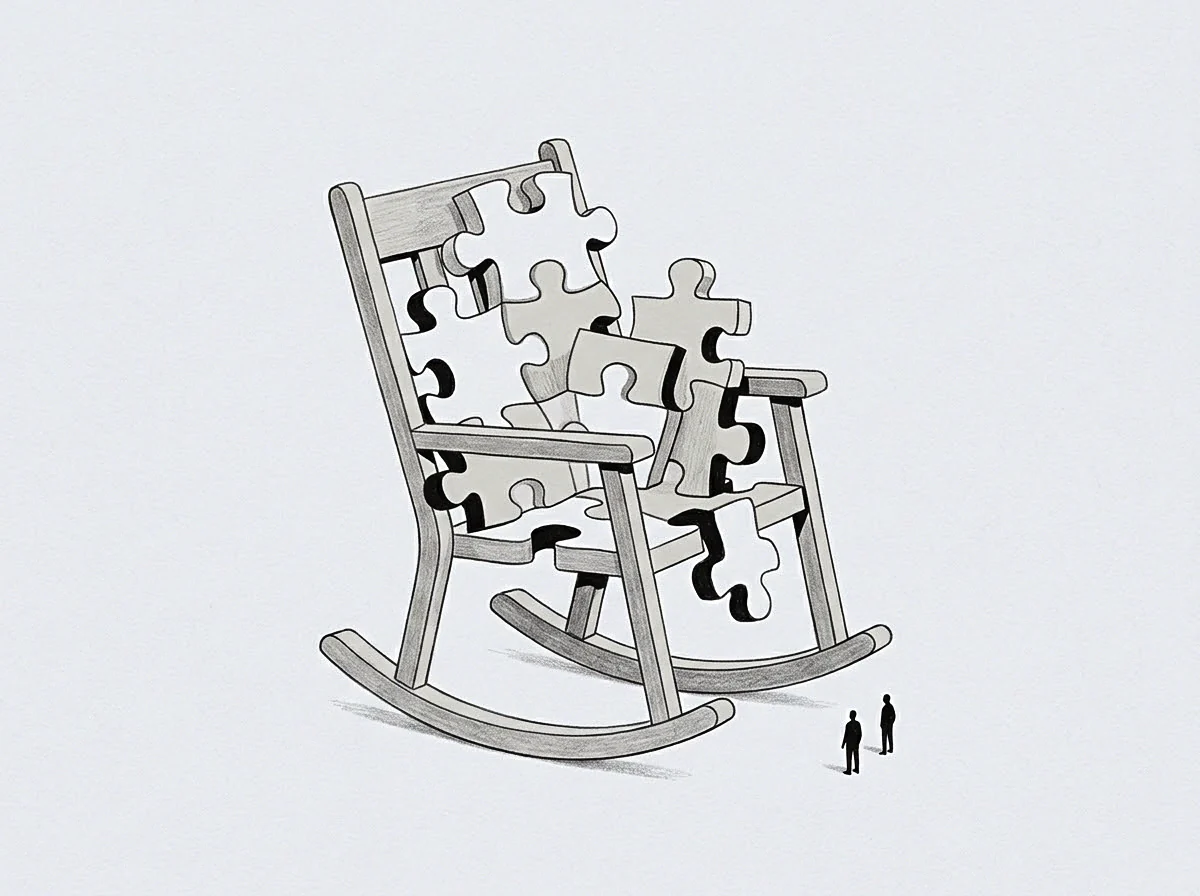
The Backward Regulatory Circuit
In standard developmental sequencing, a child experiences repeated distress, receives soothing from a steady caregiver, and gradually internalizes that responsive other as a durable internal regulator. The backward template runs in reverse. The developing individual learns that environmental stability depends entirely on their ability to regulate the unstable adults around them.
They internalize a model of themselves as the sole caregiver and others as delicate, erratic dependants. In adulthood, this configuration creates exceptional professional capability during extreme emergencies. It also creates total relational blindness in a domestic partnership.
The following comparison details the operational divergence between an isolated defensive posture and a shared regulation approach within a high-demand domestic setting:
| Evaluation Dimension | Solitary Containment Model | Shared Regulation Model |
|---|---|---|
| Physiological Energy Expenditure | Extreme; solitary autonomic containment drains finite metabolic reserves. | Moderate; cognitive and physical burdens distribute across adult partners. |
| Signal Read by Household | Coldness, unpredictable withdrawal, or sudden authoritarian intervention. | Transparent limitation, predictability, and calibrated presence. |
| Latency to Baseline Equilibrium | Protracted; chronic sympathetic elevation prevents restorative parasympathetic rest. | Accelerated; reciprocal physiological cues speed autonomic recovery. |
| Domestic Conflict Velocity | High; minor logistical failures trigger defensive systemic escalations. | Low; direct coordination contains friction before systemic exhaustion occurs. |
The backward template treats any offer of assistance as a latent obligation. When a partner offers to take over morning school preparation, the depleted individual does not experience relief. The nervous system registers a hidden danger.
The mind assumes that accepting help incurs an unstated obligation that will come due during an upcoming domestic crisis. The exhausted individual refuses the offer, attempts the school run in a state of autonomic collapse, and turns inward with harsh self-criticism when patience disintegrates before eight in the morning.
Unwinding this protective architecture demands repeated exposure to low-stakes reliance where no performance appraisal follows.
The domestic arrangement stabilizes only when both partners formalize explicit agreements that decouple receiving daily care from demonstrating immediate operational competence.
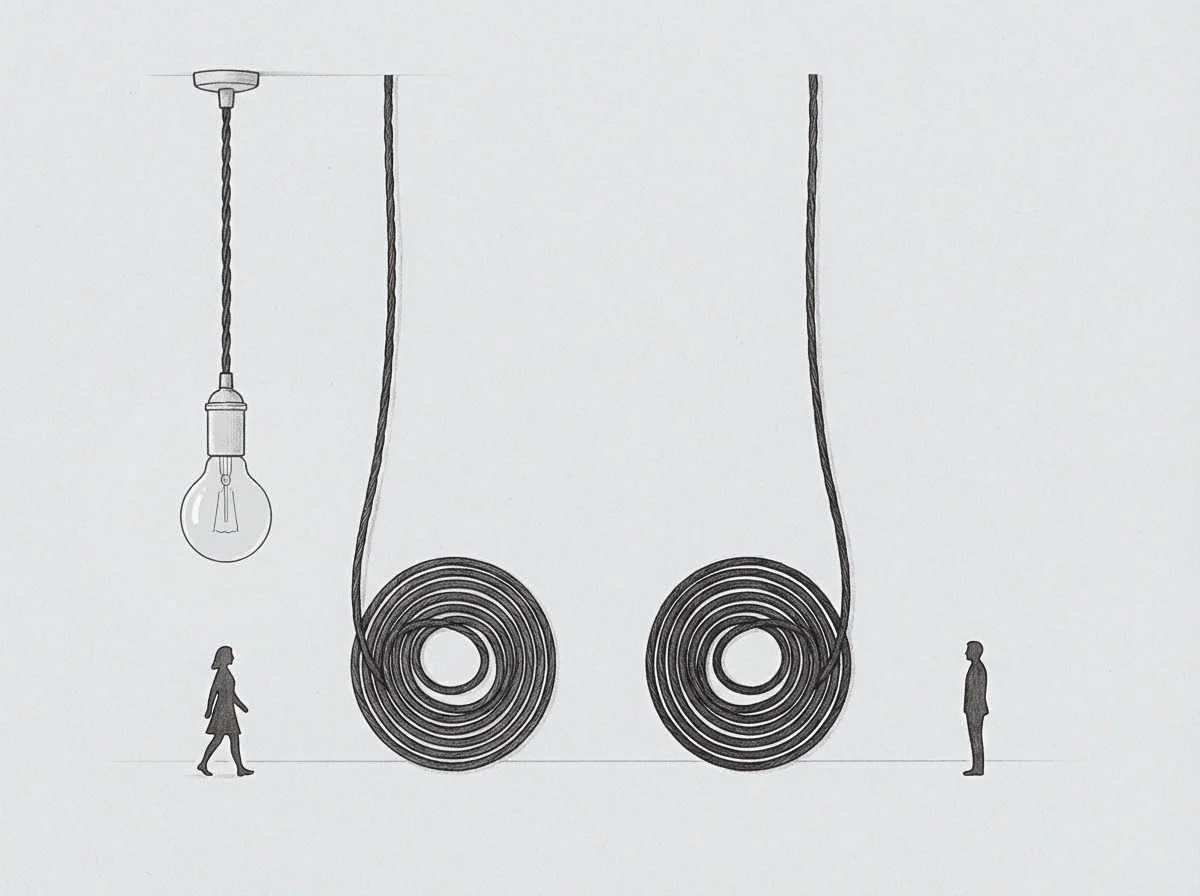
Transfer
Distributing domestic load requires functional handoffs between adult nervous systems. When severe systemic depletion settles into an individual, the capacity to process rapid task switching contracts drastically. A routine domestic request ceases to be a straightforward action; it expands into a complex coordination problem that threatens an already compromised cognitive reserve.
The exhausted partner withdraws into defensive silence, while the other partner shoulders an escalating volume of domestic operations. Resentment accumulates rapidly on both sides of the domestic equation.
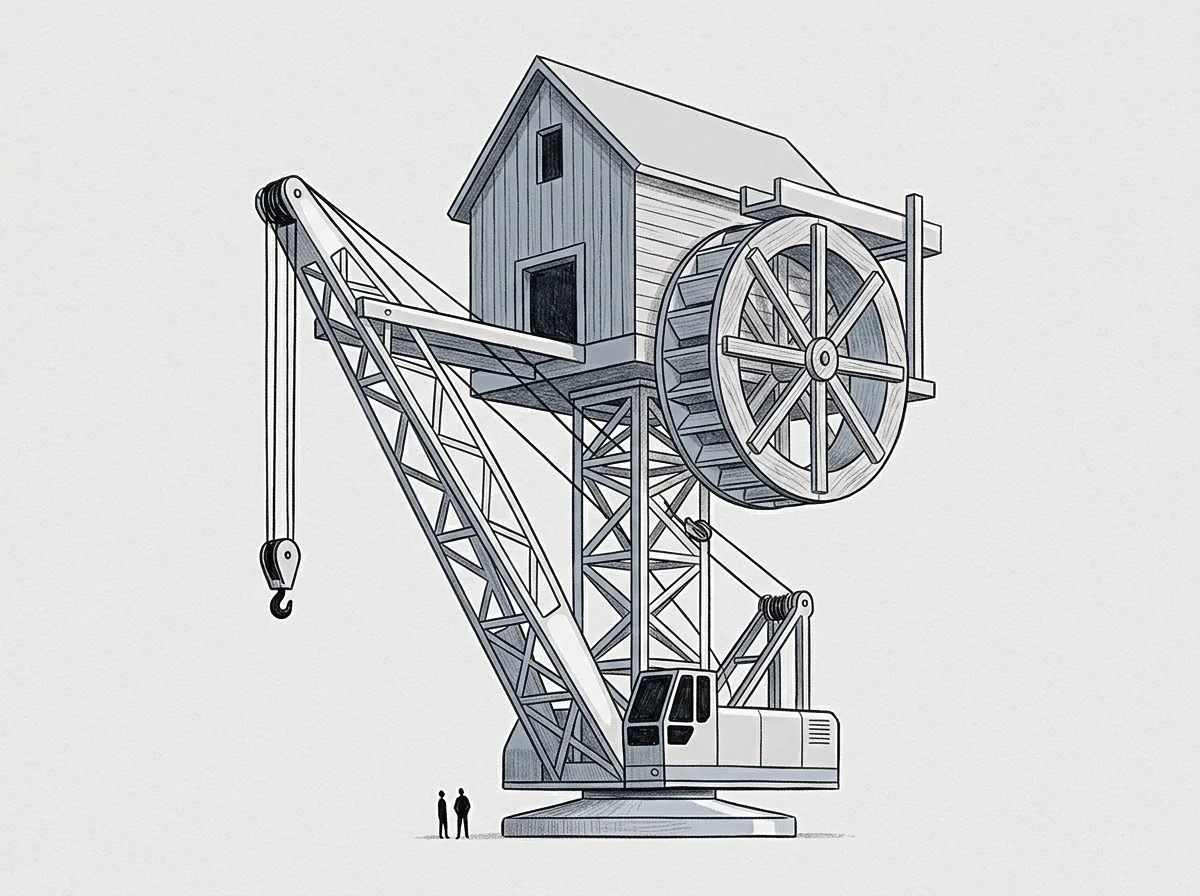
Which Domestic Friction Signals A Template Collision?
The acute friction point rarely emerges from catastrophic events. It surfaces over unwashed dishes, unreturned messages to school teachers, or delayed grocery runs. The partner managing domestic operations interprets the exhausted partner’s inaction as deliberate neglect or calculated disrespect.
The exhausted partner interprets domestic requests as aggressive sensory assaults designed to break their remaining stamina. Both assessments are incorrect. What is occurring is an acute collision between two incompatible modes of autonomic survival.
- The active spouse expresses immediate domestic panic through rapid logistical demands that overwhelm an already throttled processing capacity.
- The exhausted spouse responds with absolute vocal flatlining and sensory avoidance to prevent an uncontrollable autonomic rage reaction.
- The household operational tempo increases until an explosive verbal conflict shatters the domestic space and forces temporary artificial distance.
- A period of cold domestic silence follows, during which neither adult achieves true biological recovery or relational resolution.
Breaking this escalatory cycle requires tactical domestic boundaries. Adults must learn to deliver operational handoffs through concrete physical systems rather than continuous verbal renegotiation. If school logistics belong to one person, they must belong entirely to that person without back-channel check-ins that drain cognitive headroom.
Shared calendars, visible household task boards, and scheduled operational meetings replace the exhausting ambient negotiation that drains domestic bandwidth. These practical devices remove the volatile nervous system from the transactional layer of domestic life.
Clear physical agreements protect relational goodwill when biological capacity falls below the threshold of spontaneous grace.
The nervous system settles through reliable predictability rather than intense emotional discussions. Words consume tremendous metabolic resources during periods of acute exhaustion. Silence, structured by dependable routines and clear agreements, restores the autonomic baseline far more effectively than analytical debate.
When partners stop treating every domestic friction as a test of affection, physical rest can finally occur.
The partner who carries the physical load longest sets the pace of household recovery.
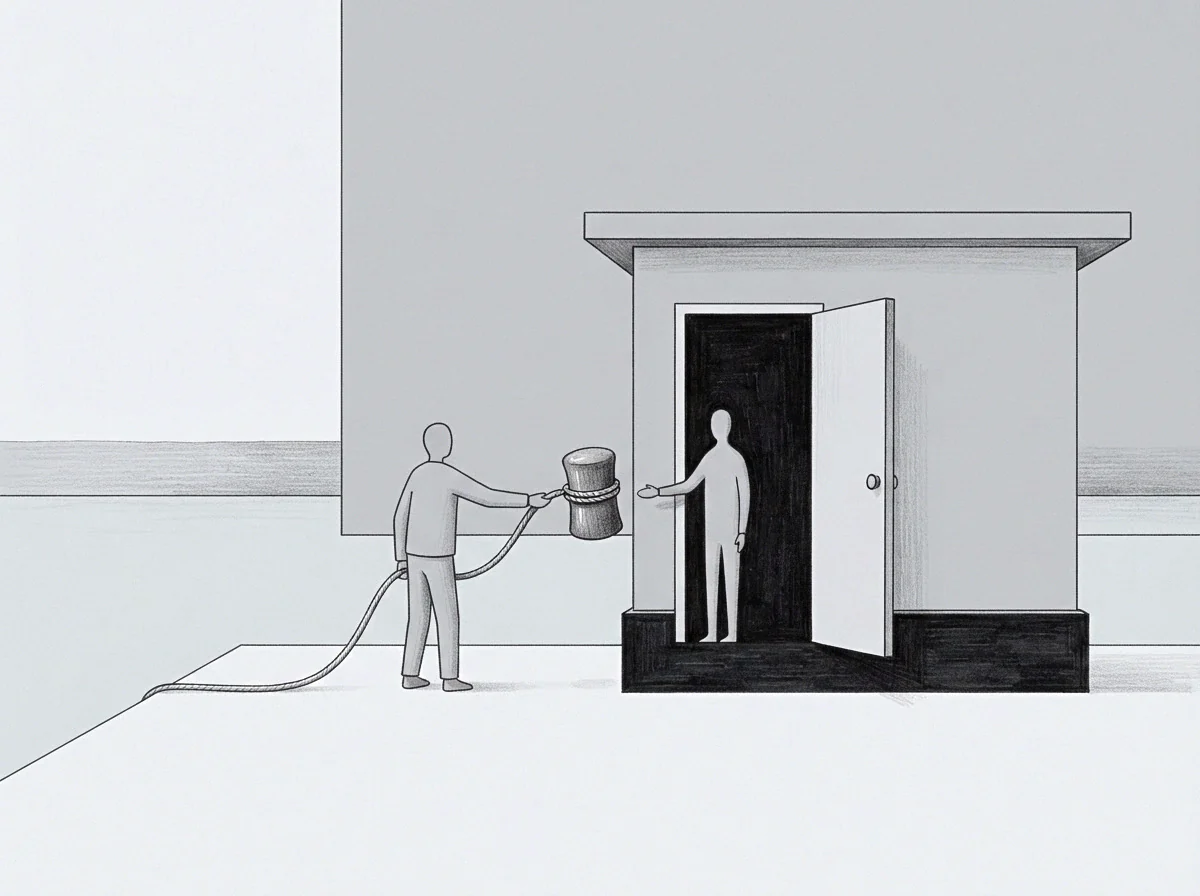
Harbor
Rebuilding a shared regulation architecture is a physical discipline requiring months of repeated behavioral cycles. Insight alone alters very little in the autonomic nervous system. An intellectual understanding of social baseline theory or internal working models does not stop an exhausted parent from freezing when a toddler screams in the hallway.
The visceral body updates its predictive models solely through repeated, safe physical experiences over extended periods of time. The nervous system must learn through bodily evidence that letting another person carry weight does not result in systemic collapse or sudden abandonment.
Earned security develops through these quiet adjustments. It appears in the mundane choices of daily domestic life. An exhausted partner allows their spouse to handle an evening bedtime routine without intervening from the doorway to correct their method.
A parent lies quietly on the floor of a child’s bedroom, breathing in slow, rhythmic measures without trying to fix the child’s mood, simply offering a stable physical presence in the room. These micro-experiences accumulate gradually. Over twelve to eighteen months, the predictive neural machinery recalibrates its baseline assumptions.
Proximity begins to register as genuine biological assistance rather than an invasive performance demand.
Earned security arises from repeated physical experiences of safety rather than intellectual realizations about personal limitations.
The domestic space transforms slowly into an environment of mutual biological restoration. The home ceases to be a second theater of relentless professional performance. It becomes an autonomic harbor where adult nervous systems restore capacity through quiet physical proximity, predictable daily routines, and clear, low-friction handoffs.
The individual who previously operated as an isolated fortress learns the somatic relief of being held within a functional domestic structure.
Whether a nervous system wired for solitary defense can ever fully dissolve its underlying hypervigilance remains an open biological inquiry for an individual in this condition.