Meaning
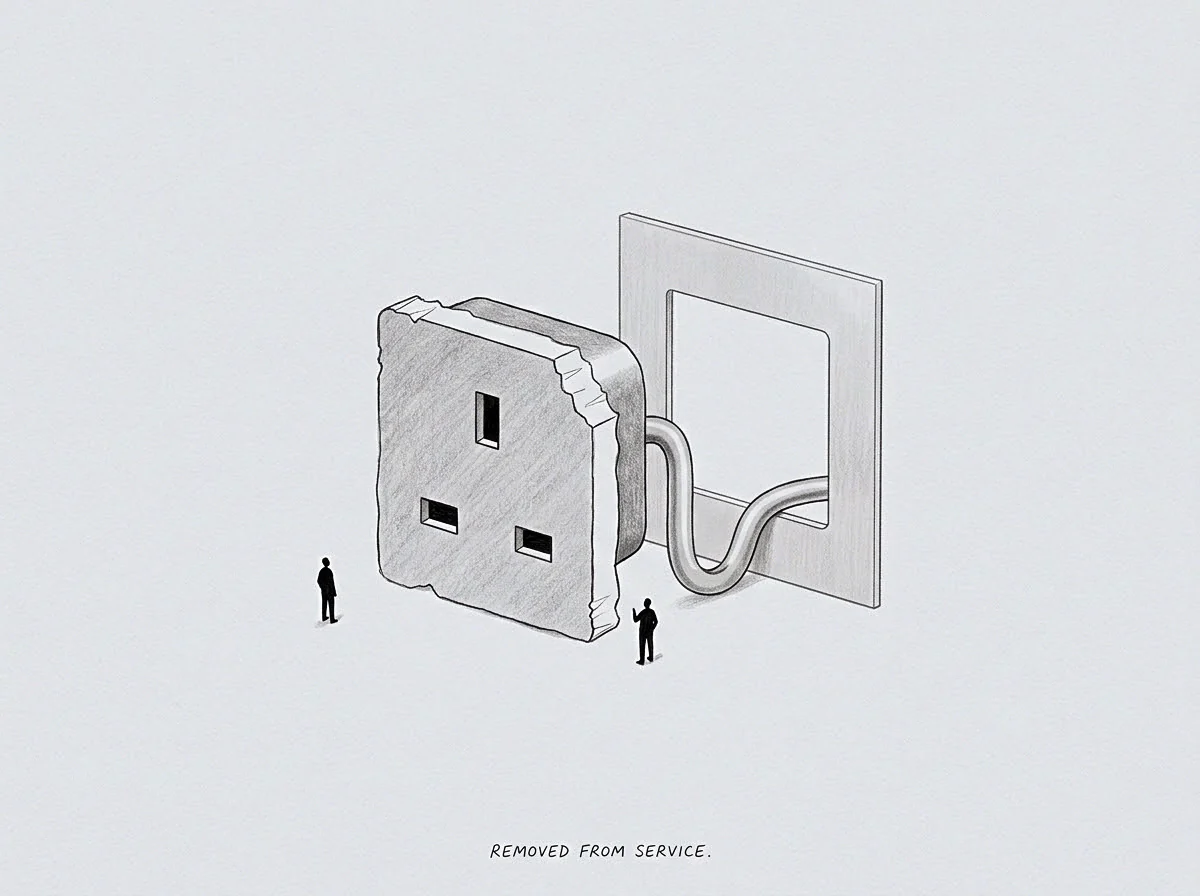
Sensory desensitization resulting from a high volume of frequent, low-priority notifications. Alert fatigue occurs when a human operator no longer reacts to warnings because the signal is buried in noise. It stops being a risk management tool when the false alarm rate exceeds the cognitive threshold for attention.
Signal Saturation
The density of incoming data points creates an environment where critical information is treated as background hum. Because the human brain filters repetitive stimuli, the presence of too many low-risk events effectively hides high-risk ones.
Cognitive Load
Processing a notification requires a context switch that consumes limited mental energy. Frequent interruptions deplete focus. The accumulation of these small costs leads to a state of exhaustion where the ability to distinguish between priority levels is lost.
This fatigue creates a physical burden on the prefrontal cortex, which must decide whether to engage or ignore every few seconds.
Systemic Failure
Organizations that rely on high-frequency alerts often see a total breakdown in safety protocols. When the system produces more data than a human can process, the person begins to ignore the feed entirely. This boundary is reached when the time required to acknowledge every ping exceeds the time available for actual work.