Meaning
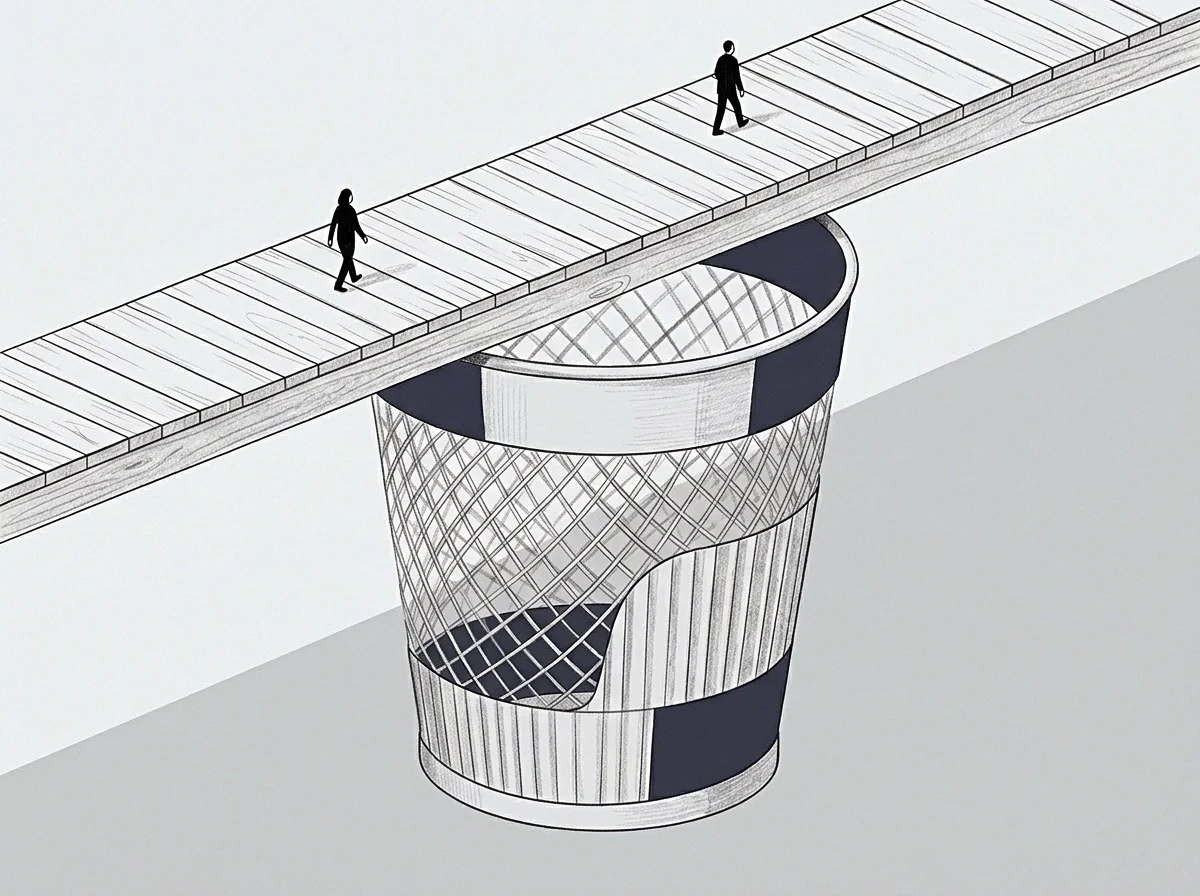
A physiological phenomenon defines system states where past operational pressure dictates current biological reactivity regardless of present input. Under sustained founder stress, biological hysteresis delays the return of cardiovascular and endocrine markers to resting baselines once acute demands cease. The resulting lag defines a threshold where physiological return to baseline is non-linear and context-dependent.
Beyond this point, immediate relaxation efforts fail to reduce elevated autonomic arousal.
Lagged Recovery
Resting states do not automatically resume upon the conclusion of operational demands. Following intense board negotiations or funding rounds, biological hysteresis keeps sympathetic nervous system activity elevated despite calendar downtime. The body expends metabolic capacity during theoretical rest periods, draining energy reserves when strategic work is absent.
Persistent stress converts episodic exertion into ongoing physical strain.
Baseline Displacement
Prolonged exposure to regulatory and leadership stress reconfigures default physiological targets. Continuous exposure to high-stakes decision making shifts autonomic baselines upward, raising resting heart rates and altering cortisol excretion profiles. Through biological hysteresis, the organism treats chronic pressure as the default operational environment, decreasing cardiovascular flexibility and narrowing adaptive capacity.
Restoration Boundary
Systemic resetting fails when total operational load permanently exceeds metabolic clearance capacity. Biological hysteresis defines the limit where standard downtime no longer restores baseline function.