
Managing Biological Burnout When Facing Severe Company Debt
Chronic enterprise debt overloads human neurobiology through isolated threat processing, requiring relational co-regulation to preserve executive function.

Ceiling

The Physiology of Unresolved Solvency
Corporate insolvency acts directly on human biology through persistent sympathetic nervous system arousal. When cash reserves drop to weeks while commercial obligations remain fixed, the brain interprets the debt instrument as an ongoing environmental predation threat. Elevated cortisol levels disrupt restorative slow-wave sleep cycles and suppress cellular tissue repair.
The operator experiences this sustained activation as severe physical depletion, mental fog, and altered emotional responsiveness.
Social baseline theory establishes that the human central nervous system relies on relational co-regulation to manage existential threats. When a founder isolates while carrying severe enterprise debt, the brain treats individual resources as dangerously inadequate for survival. This isolation forces solitary neural risk computation, inflating metabolic energy costs and accelerating biological burnout until the nervous system throttles expenditure down to basic regulatory functions.
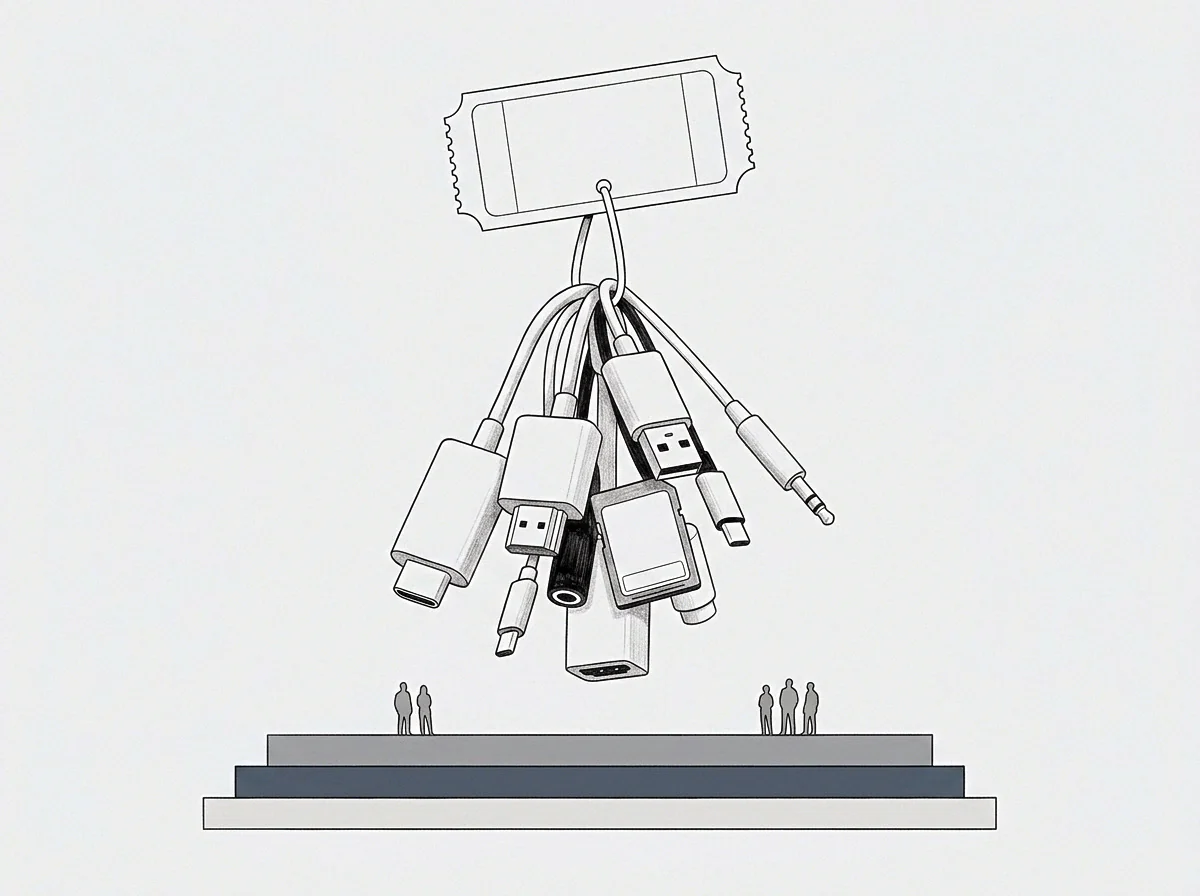
Sustained institutional debt functions biologically as continuous predation risk, elevating systemic inflammatory markers and draining operator reserves.
The metabolic energy cost of carrying unhedged financial liability alone exhausts physical substrates within weeks. Glycogen depletion, altered heart rate variability, and disrupted neuroendocrine signaling follow continuous exposure to creditor pressure, systematically dismantling baseline cognitive capacity.
Load

Allostatic Strain Under Corporate Leverage
Prolonged exposure to insolvency dynamics creates severe allostatic load that wears down neurovascular and neuroendocrine pathways. Chronic elevation of circulating catecholamines alters prefrontal cortex perfusion, narrowing cognitive bandwidth to immediate threat evasion. Abstract scenario planning collapses precisely when balance sheet restructuring requires complex, multidimensional problem-solving.
Persistent threat alters sleep architecture at a biological level. Micro-arousals interrupt deep restorative stages, leaving metabolic waste products like beta-amyloid uncleared in the brain. The operator awakens with reduced working memory, impaired emotional regulation, and pronounced autonomic dysregulation that manifests as tremors, digestive slowdown, and sustained tachycardia during standard commercial interactions.
| Dimension | Solitary Threat Processing | Co-Regulated Threat Processing |
|---|---|---|
| Neural Processing Cost | High prefrontal metabolic consumption with rapid mental exhaustion | Distributed neural computation lowering individual metabolic expenditure |
| Autonomic State | Sustained sympathetic activation with elevated baseline heart rate | Down-regulated sympathetic tone with improved vagal regulation |
| Neuroendocrine Profile | Prolonged hypercortisolemia and disrupted diurnal rhythm | Attenuated glucocorticoid output and normalized recovery curves |
| Cognitive Headroom | Tunnel vision restricted to immediate existential risks | Preserved working memory permitting long-range restructuring strategy |
The biological energy expenditure needed to suppress distress before institutional counterparties worsens this allostatic burden. Regulating outward affect consumes glucose at rates that impair executive control, sending the founder into restructuring negotiations with depleted physiological reserves.
Lock

The Solitary Regulator Trap
Operators frequently internalize a working model where showing strain signals professional failure. This schema blocks the outward transfer of threat signals, locking the biological burden inside an isolated system. Interpreting total containment as inescapable danger, the nervous system triggers autonomic immobilization alongside racing thoughts.
Team members, creditors, and advisors routinely draw stability from the founder without offering regulation in return. The executive becomes the sole stabilizing baseline for surrounding stakeholders, absorbing organizational panic while receiving no somatic relief. This structural asymmetry turns the founder into an unbuffered shock absorber for the enterprise’s liabilities.
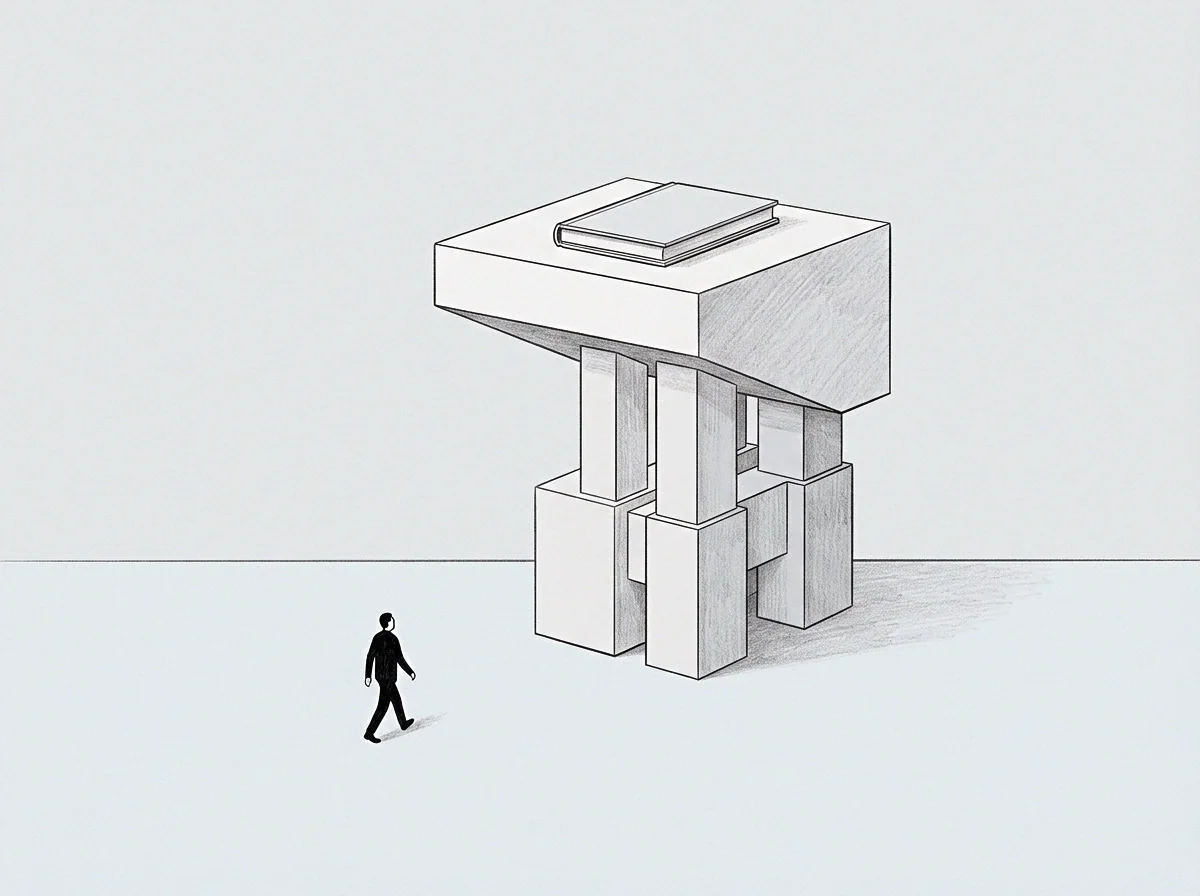
A regulator carrying total liability alone absorbs systemic panic while depleting their personal biological reserves.
Solitary processing accelerates executive degradation across key operational metrics. Motor coordination degrades, linguistic precision slips, and decision latency grows during critical restructuring milestones, as biological limits set firm boundaries on commercial survival.

Contact
Externalizing the Burden Through Somatic Proximity
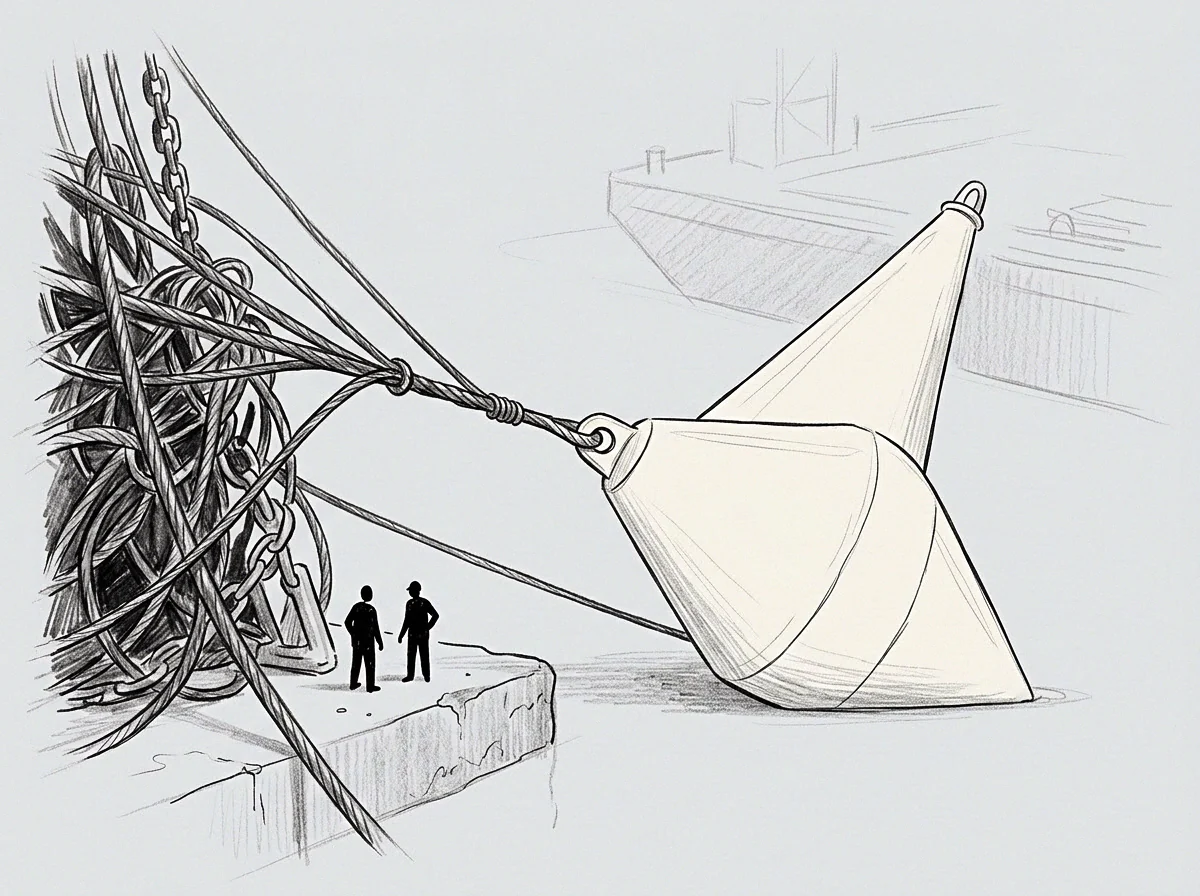
Introducing a calm, physiologically stable counterpart changes neural threat appraisal almost immediately. Physical proximity to a trusted person decreases dorsal anterior cingulate cortex activation during acute distress, creating a co-regulatory buffer that reduces the metabolic energy cost of evaluating financial survival scenarios.
Structuring relational support requires clear boundary definitions rather than unstructured emotional sharing. Effective co-regulation depends on presence and predictable physiological attunement rather than analyzing corporate balance sheets. Somatic stabilization precedes cognitive restructuring across every biological domain.
- Relational Grounding reduces autonomic arousal through direct physical presence and steady nonverbal signals.
- Cognitive Offloading divides complex insolvency calculations across trusted external minds to preserve working memory.
- Autonomic Pacing uses synchronized breathing and shared stillness to reset elevated resting heart rates.
- Boundary Enforcement terminates commercial communications outside specified daily restructuring operational windows.
Predictable contact structures allow the nervous system to disengage emergency defense postures. The operator reclaims baseline executive capacity once regulatory capacity costs are distributed across a reliable network. Relational stabilization turns insurmountable financial debt into a manageable technical problem.

Terms

Operationalizing Biological Protection Protocols
Executing financial restructuring while preserving biological integrity demands strict operating constraints. Debt negotiations require a clean separation between the legal corporate entity and the biological organism. When legal structures fail to maintain this separation, somatic health collapses alongside corporate assets.
Operators establish firm temporal boundaries to break continuous sympathetic overdrive. Enforcing dedicated evening communication blackouts protects sleep cycles from cortisol surges caused by aggressive creditor correspondence, preserving baseline somatic viability throughout extended legal proceedings.
Strict operational constraints protect human biology from the unbounded legal pressures of insolvency proceedings.
Failing to establish strict operational boundaries leads to complete biological exhaustion, preventing any successful company turnaround or orderly wind-down.