Meaning
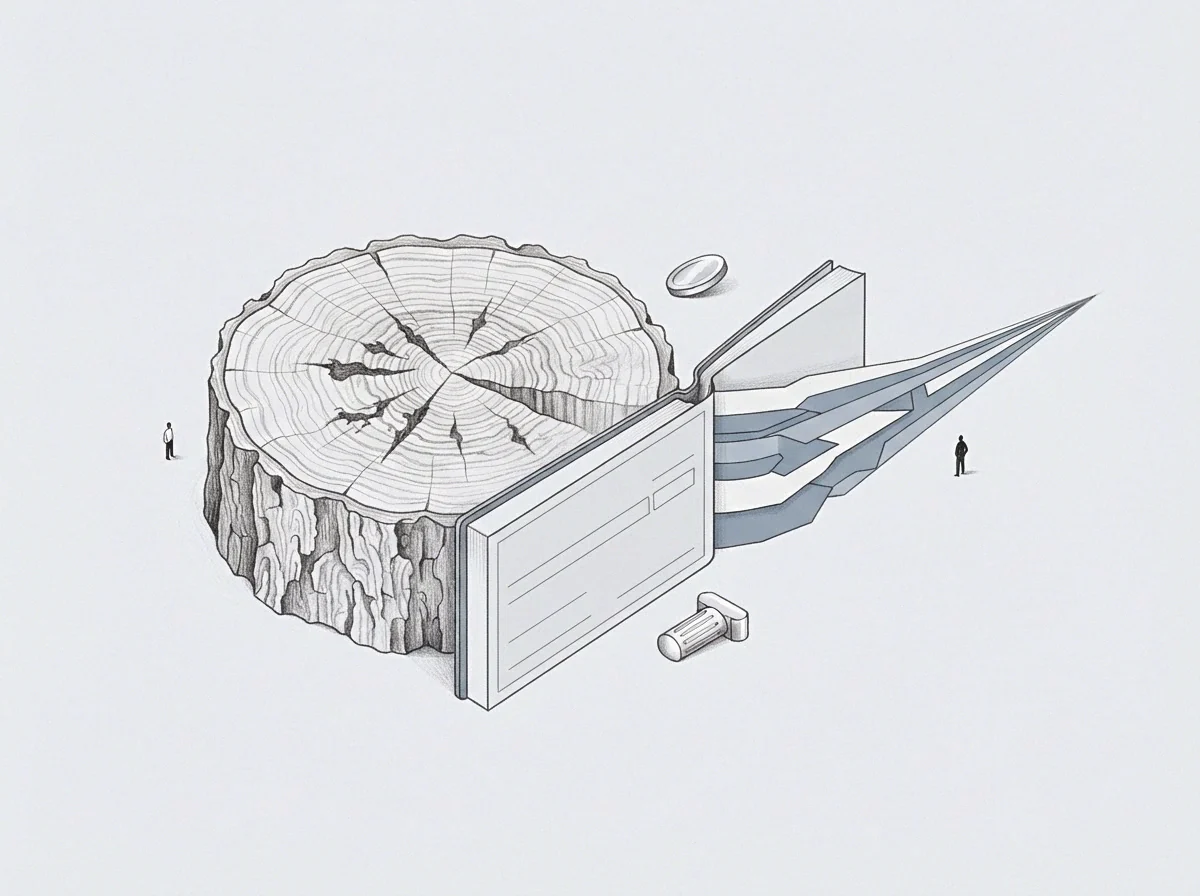
Internal friction coefficients measure the difficulty of moving an instruction or a data point from one part of a system to another. This channel resistance determines how much energy is lost to misunderstanding and bureaucratic layers before a goal is reached. The measurement applies to all professional relationships where the intent of the sender must be decoded by a recipient.
Communication Load
Every layer of hierarchy or distance between teams adds to the total resistance encountered during execution. A founder experiences channel resistance as a need to repeat instructions multiple times or to provide excessive documentation for simple tasks. This load consumes cognitive capacity that would otherwise be spent on innovation or market analysis.
Reducing this resistance usually requires a simplification of the organizational chart or a standardization of terminology.
Feedback Delay
High levels of channel resistance cause a lag between an action and the observation of its results. When information moves slowly, the system cannot correct its course in real time, leading to over-correction or missed opportunities. This delay forces the founder into a more active, hands-on role to pull information through the gaps.
Such manual intervention is a high-cost activity that drains hours and reduces the overall speed of the firm.
Structural Resistance
The channel resistance becomes terminal when the energy required to transmit a signal exceeds the potential benefit of the action itself. At this point, the organization stops growing because the cost of coordination is higher than the value of the output. This limit defines the maximum effective size of a team before it must be broken into smaller, more autonomous units.