Meaning
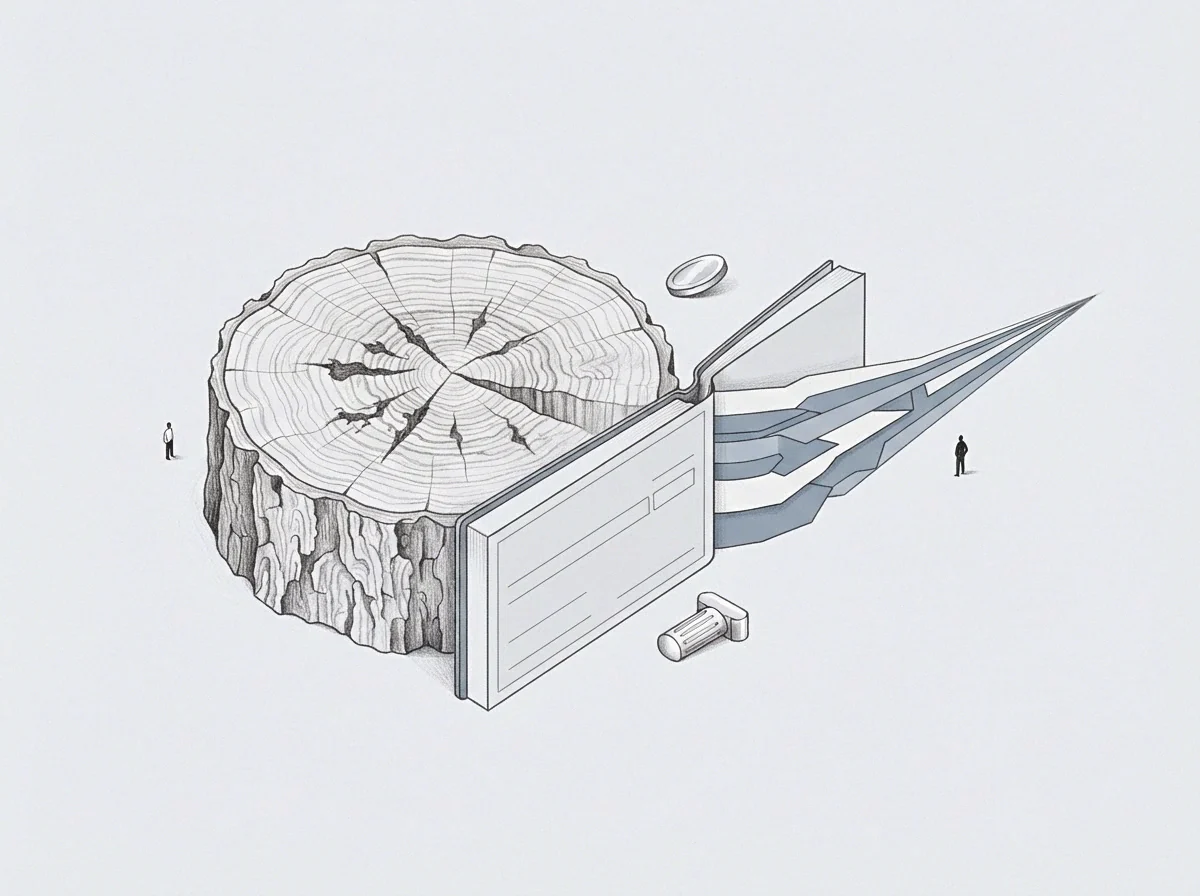
Deliberate isolation protocols restrict the impact of a failing project or a high-stress department to a specific zone within an organization. A calibrated containment ensures that the emotional or financial load of one failure does not saturate the capacity of the entire leadership team. This mechanism holds until the internal pressure of the contained unit forces a breach into the wider operational environment.
Resource Allocation
Management of the load requires the person to designate a specific amount of attention and hours to the contained area while protecting the rest of the calendar. By setting a hard limit on the daily time spent on calibrated containment, the founder prevents a single issue from consuming the total available regulatory capacity. This separation allows the healthy parts of the business to continue functioning without the constant drag of the problem zone.
Information Security
The difference in pressure between the contained area and the surrounding environment is maintained through rigorous communication filters. Information leaving the zone of calibrated containment is stripped of its emotional weight and reduced to objective metrics that allow for calm decision-making elsewhere. This filtration costs the founder many hours in the short term but saves the system from allostatic overload over several months.
Systems Failure
Containment protocols fail when the boundary is ignored by external stakeholders or when the founder loses the discipline to stay outside the blast radius. If the calibrated containment fails, the stress spills over and the baseline of the whole organization rises to match the crisis level. This result leads to a state where every decision is made under a high-load condition, eventually exhausting the collective stamina.