Meaning
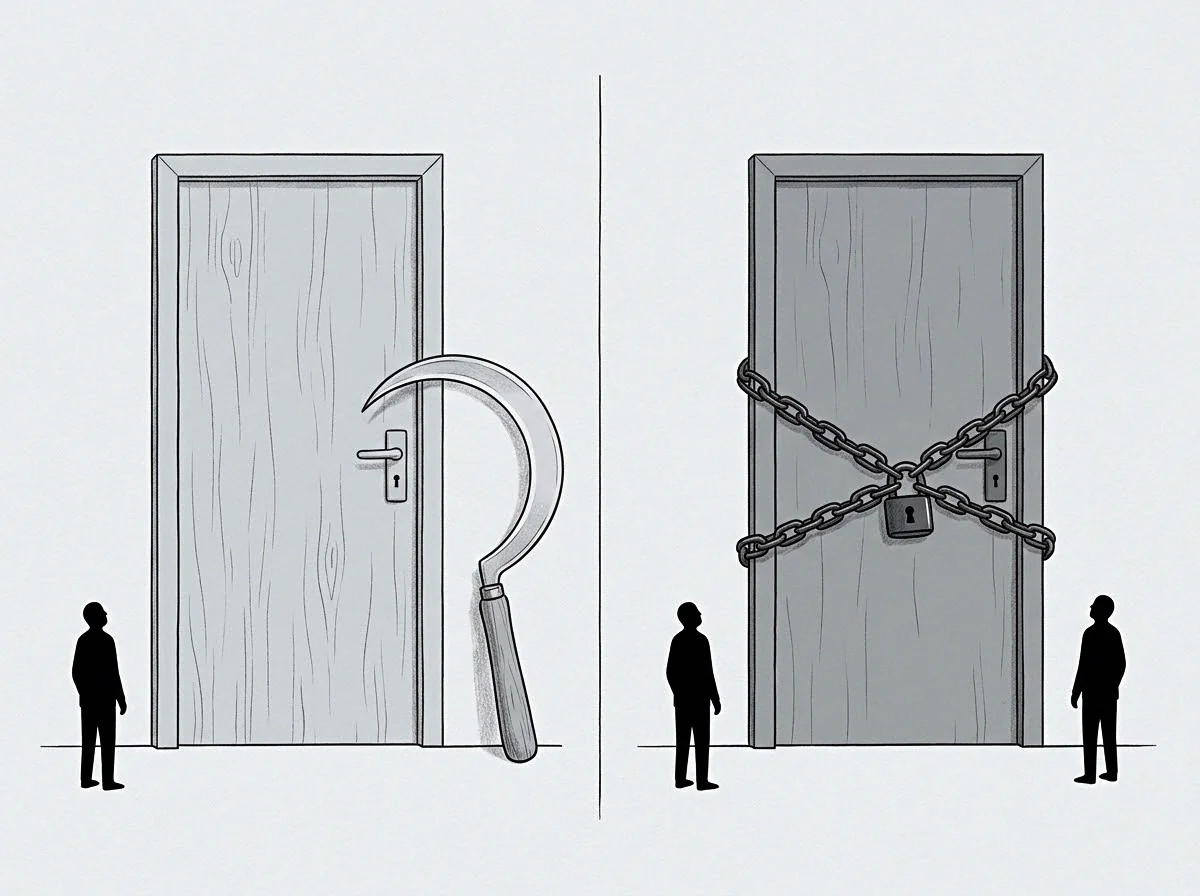
Decision points within a governance framework that require formal authorization from specific stakeholders before a process continues represent a hard limit on velocity. These consent gates function as synchronization points where the progress of a project is tied to the availability of an external actor. The term identifies the specific nodes in a workflow where a go or no-go decision is mandatory.
It ceases to apply when a decision is fully automated or delegated without a review requirement.
Authority Trap
Dependence on a small number of authorized individuals creates a bottleneck in the system. When a person must wait for a signature, the entire work stream stalls. This creates a cycle of artificial downtime followed by bursts of frantic activity.
High levels of dependency reduce the autonomy of the founding team.
Temporal Delay
The time elapsed between a request for consent and the receipt of that consent is a non-productive interval. Every gate adds a predictable amount of latency to the total project timeline. These intervals accumulate as the number of stakeholders grows.
Coordinating calendars for a single meeting often takes longer than the meeting itself. Scheduling friction is the primary driver of project slippage in complex organizations.
Approval Friction
Resistance encountered during the review process can lead to the watering down of original ideas. Because consent gates often require consensus, the radical options are frequently discarded in favor of safer alternatives. This process protects the organization from risk but also limits its upside potential.
Founders often find that the cost of obtaining permission exceeds the value of the protection it provides. Stagnation is the inevitable result of too many oversight layers. When the friction becomes too high, the capable employees often leave to join less restrictive environments.
The long-term cost is the loss of the company’s most innovative human capital.