Meaning
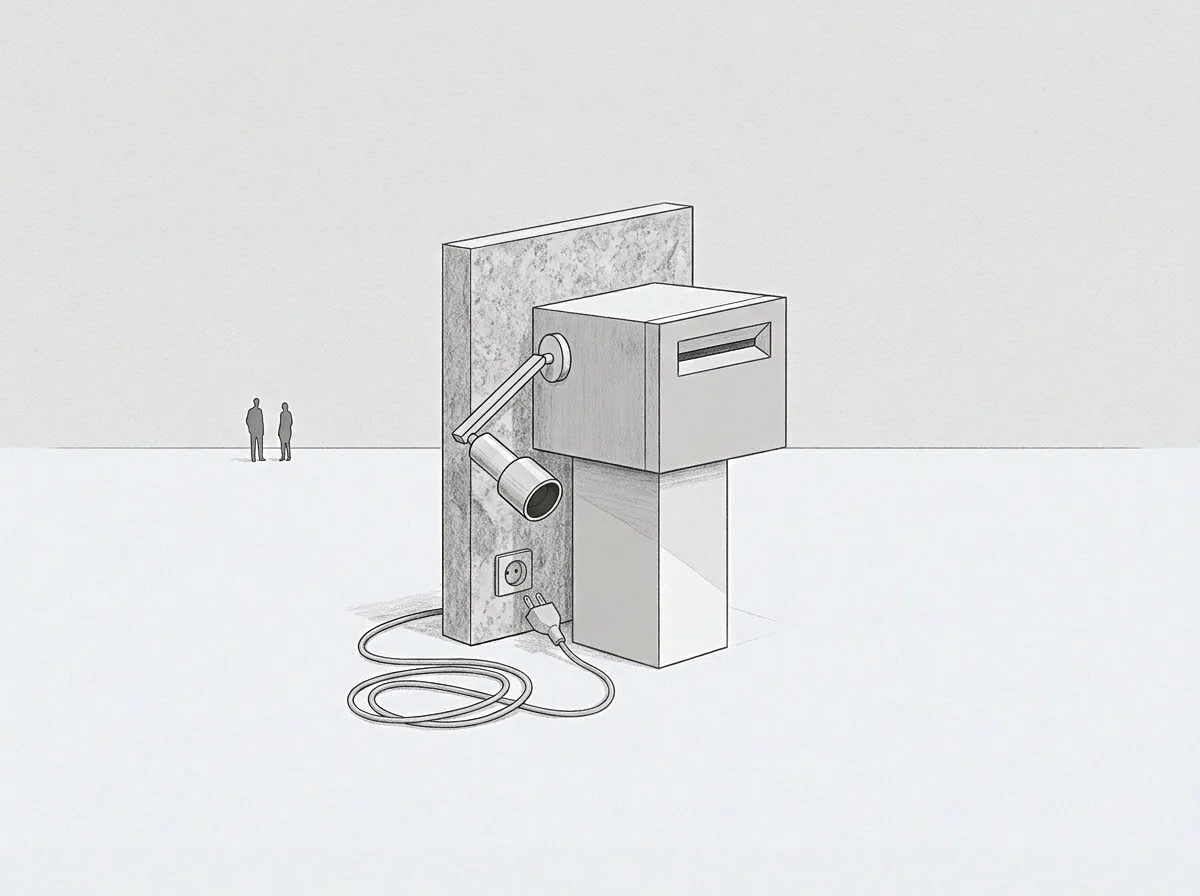
Operational efficiency loss describes the resistance encountered during the transition between disparate mental models or knowledge domains. The presence of context switching friction reduces the effective hours available for deep work by requiring a period of cognitive recalibration. It acts as a tax on versatility in a startup environment.
This resistance increases when the domains are fundamentally different in logic or emotional intensity.
Switching Penalty
Neural pathways require time to deactivate and rewire for a new set of constraints. The context switching friction is higher for founders who must bridge the gap between technical architecture and sales strategy. Small interruptions trigger this friction and destroy the momentum of complex thought.
Functional Load
High levels of this friction lead to rapid exhaustion of executive energy. When context switching friction is ignored, the resulting fatigue causes a collapse in the ability to hold complex models in mind. It costs the person in both immediate precision and long-term stamina.
Recovery Constraint
Dedicated focus periods offer the only way to mitigate the impact. The context switching friction stops being an active drain only when the environment is structured to prevent frequent domain jumps. Boundaries between different types of work protect the founder from the constant cost of recalibration.