Meaning
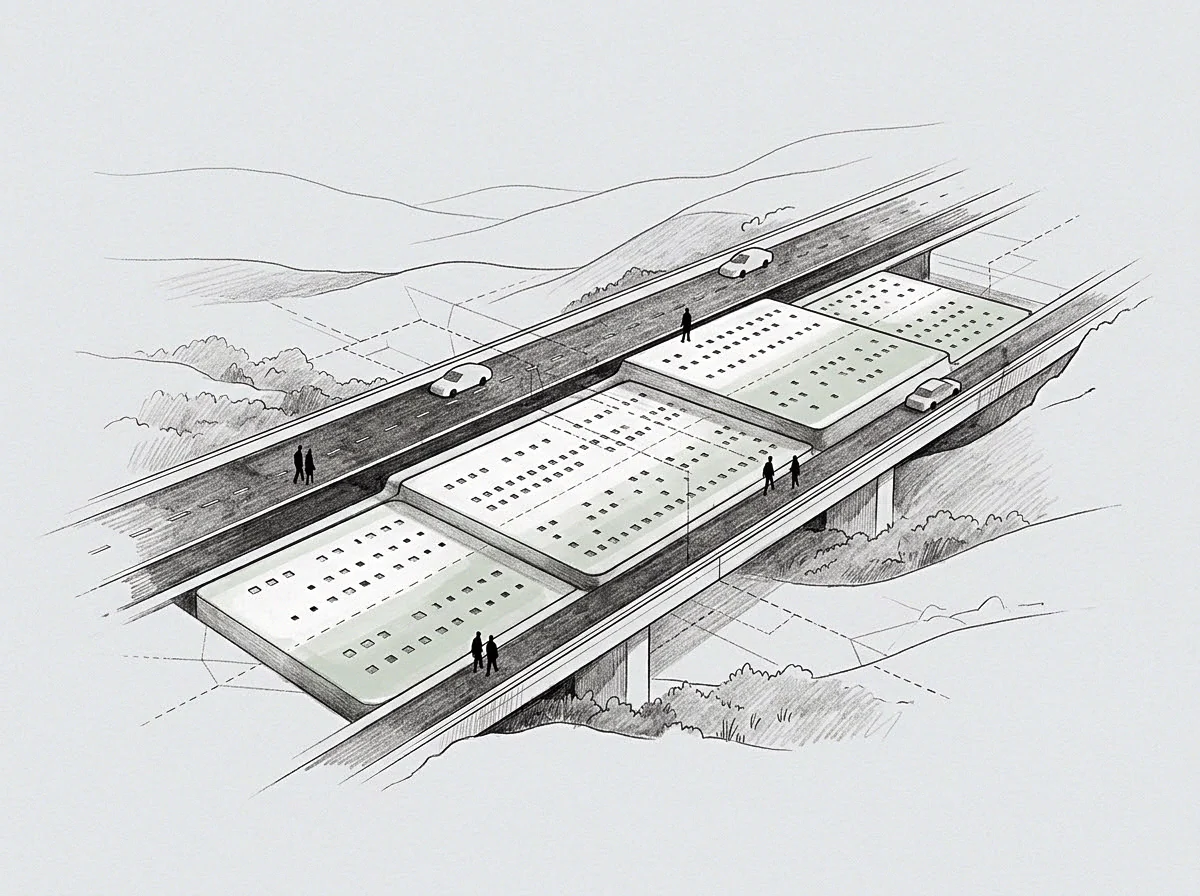
Deliberate reductions in the rate of decision making preserve cognitive resources when the total demand exceeds the available processing capacity. The practice of executive throttling involves slowing down the frequency of high level approvals to prevent a total breakdown in judgment. This mechanism acts as a circuit breaker for the founder when the volume of incoming requests threatens the quality of output.
It applies only to discretionary actions and stops at the boundary of legal or safety requirements.
Capacity Preservation
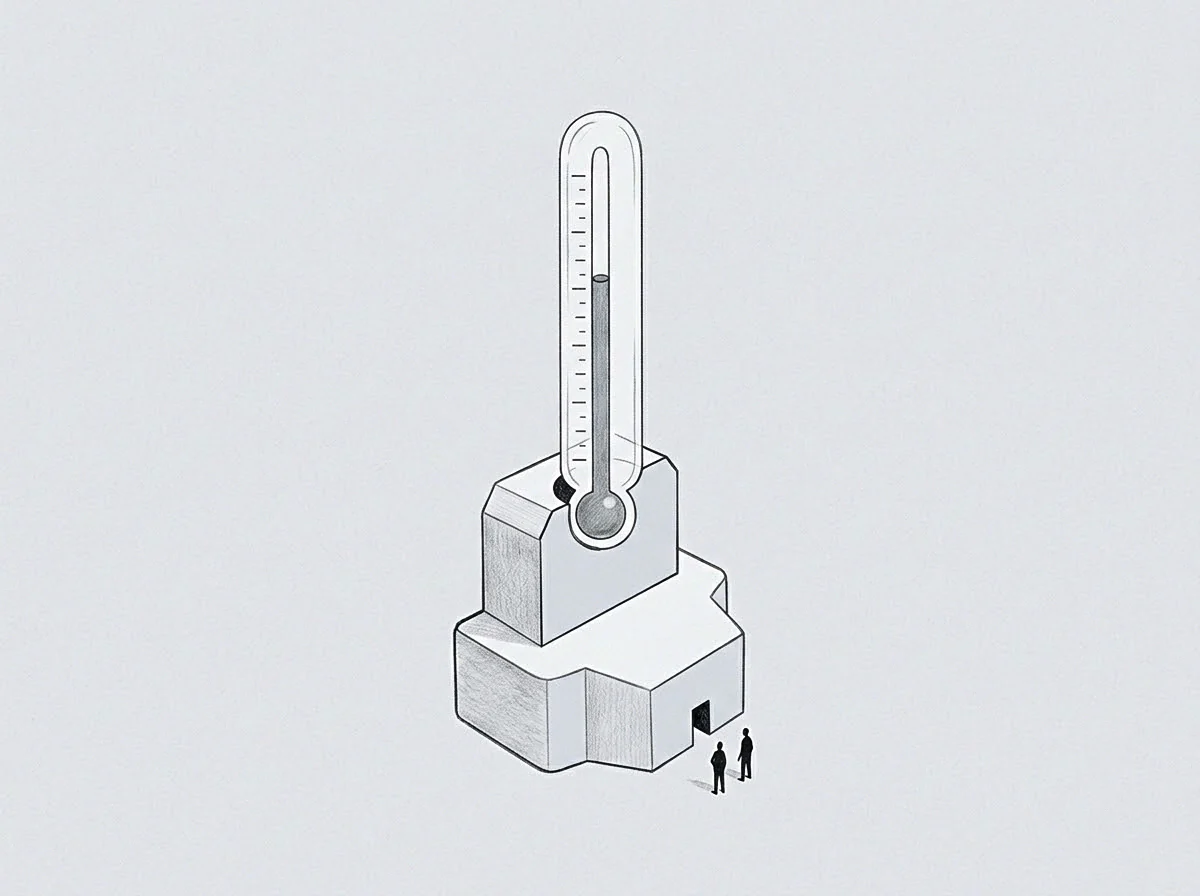
Mental energy is a finite resource that diminishes with every complex choice made during the day. When executive throttling is active, the individual limits the number of variables considered in a single session. This prevents the state of decision fatigue that leads to impulsive or erratic behavior.
The cost of this state is measured in the hours added to project timelines as the pace of governance slows.
Operational Latency
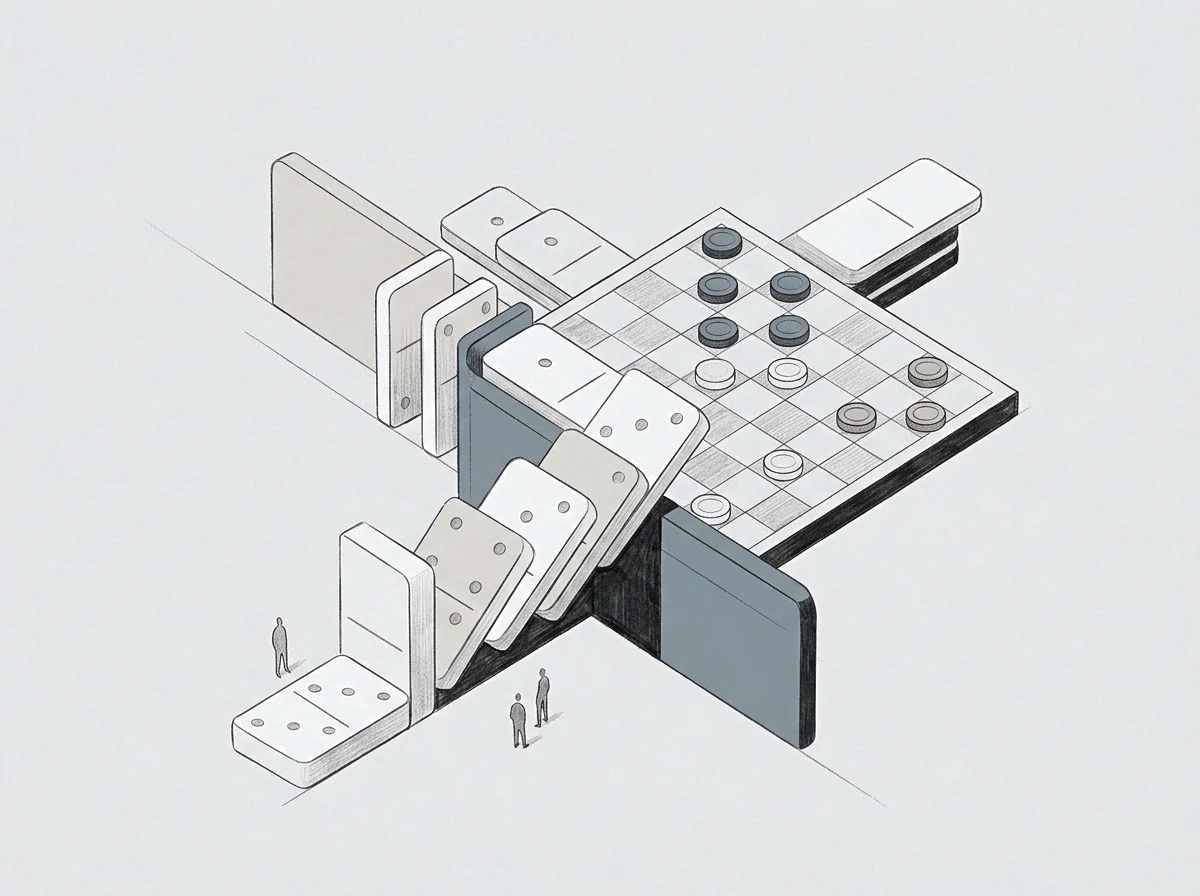
Delays in the approval chain occur as a direct result of protecting the central processor from overload. While the organization might experience a backlog, the individual maintains the ability to handle the most critical items with precision. Executive throttling ensures that the most difficult problems receive the highest concentration of focus.
This prioritization shifts the load from the person to the schedule.
Threshold Management
Finding the point where speed compromises safety is the primary goal of this regulatory mode. Executive throttling disappears when the input rate returns to a level that allows for standard processing speeds. The technique maintains the integrity of the leadership function during periods of extreme volatility.