Meaning
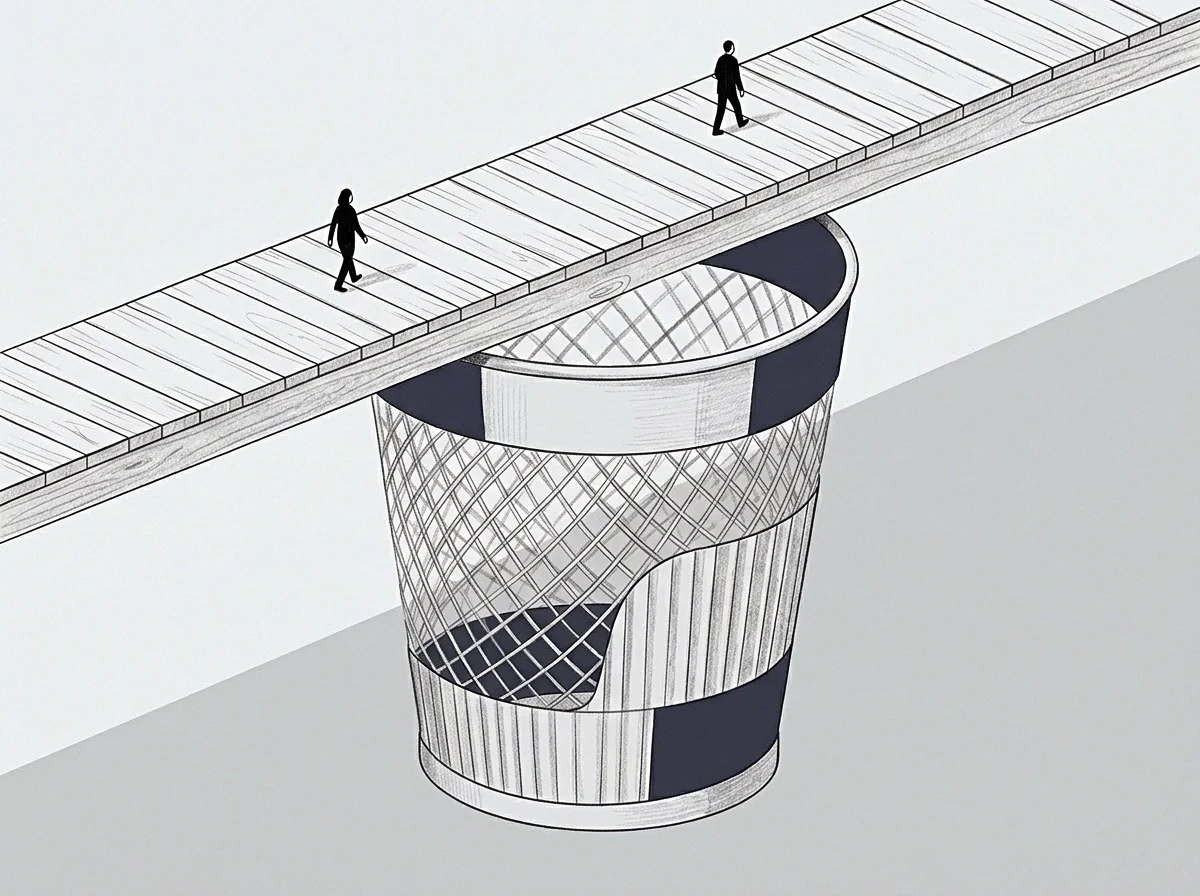
Unintended slowing of response times during a crisis caused by complex protocols or unclear lines of command. Emergency friction is the resistance that prevents a rapid reaction when immediate action is required to save a project or company. It often arises in organizations that have grown quickly without updating their decision-making processes.
The cost of this friction is measured in lost time and increased damage during a critical event.
Tactical Inertia
Layers of approval that function well during normal operations become liabilities in an emergency. If emergency friction is high, the people closest to the problem cannot act without waiting for a senior leader. This delay allows a small issue to grow into a much larger threat.
Speed is the most valuable asset in these moments, and anything that reduces it increases the total cost of the incident.
Attention Penalty
Managing a crisis through thickets of bureaucracy consumes an enormous amount of mental capacity. Practitioners facing emergency friction must navigate the internal politics of the company while also trying to solve the external problem. This dual focus leads to faster exhaustion and a higher probability of making a strategic error.
The friction acts as a tax on the ability to think clearly under pressure.
Response Protocol
Streamlining the path to action is the primary cure for this type of organizational drag. Effective leaders establish a separate set of rules that trigger only during a crisis to bypass emergency friction. These rules empower specific individuals to make rapid decisions within pre-defined boundaries.