
Calibrating Stated Operating Limits Against Asymmetric Authority When Delegation Fails Under Escalation
Calibrating operating limits involves bounding decision scope, setting hard escalation thresholds, and gating ungated loops under asymmetric authority.
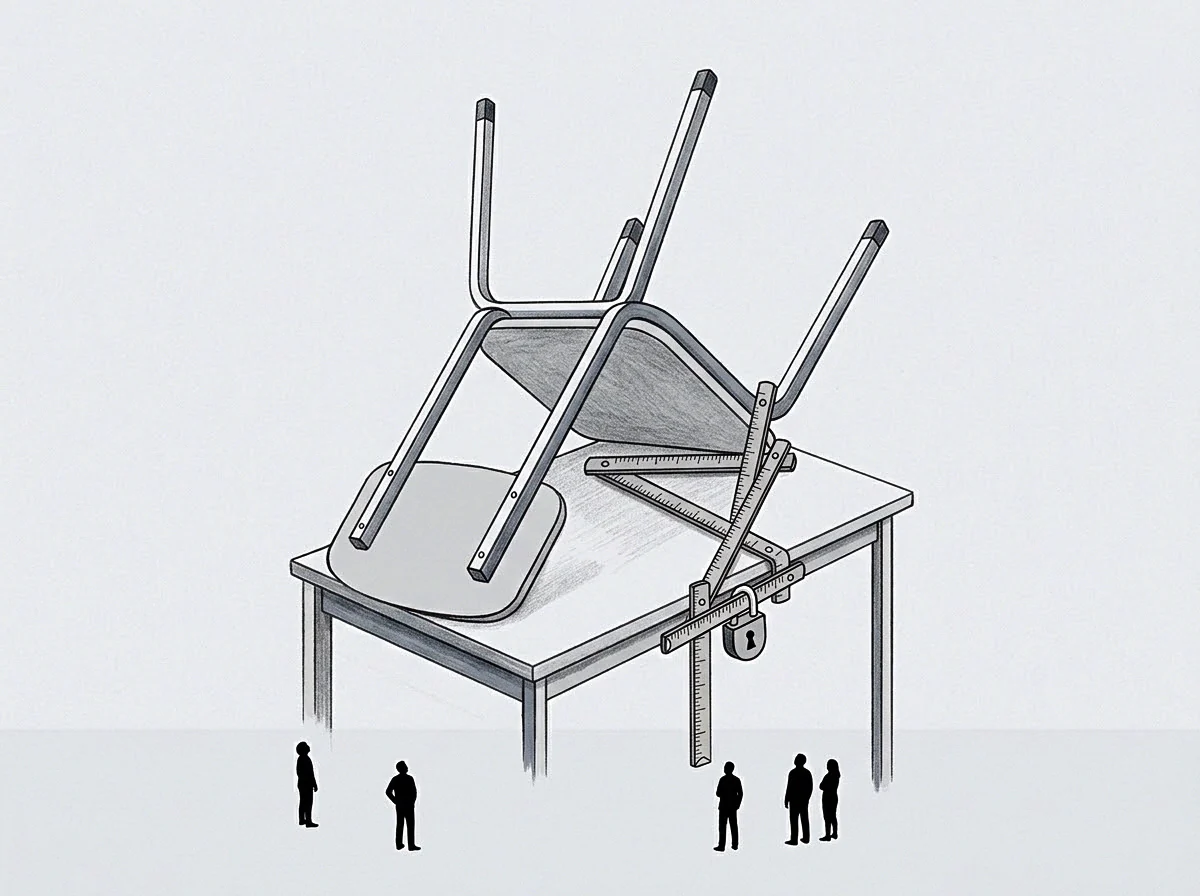
Spill
Three urgent operational alerts hit an executive desktop at midnight during a core platform outage. On paper, the subordinate running the board holds formal delegated authority. But once potential financial exposure passes an unwritten threshold, that operator stops making unilateral calls.
The ungated loop spills straight up to the seat holding asymmetric authority.

Operational Collapse at Unstated Boundaries
A junior operator regularly steps back from choices when potential financial exposure crosses implicit risk tolerances. The delegation works during quiet weeks. An active system fire changes the incentives immediately: when boundaries stay unstated, passing responsibility up eliminates personal exposure.
The senior authority gets hit with high-severity choices stripped of operational context.
Pushing authority upward introduces immediate latency. Senior leadership steps in to run tactical choices while core operational governance falls apart, reinforcing the pattern that major incidents bypass delegated boundaries altogether.
An operational delegate bypasses formal authority boundaries the moment unexpected risk exposes personal accountability.
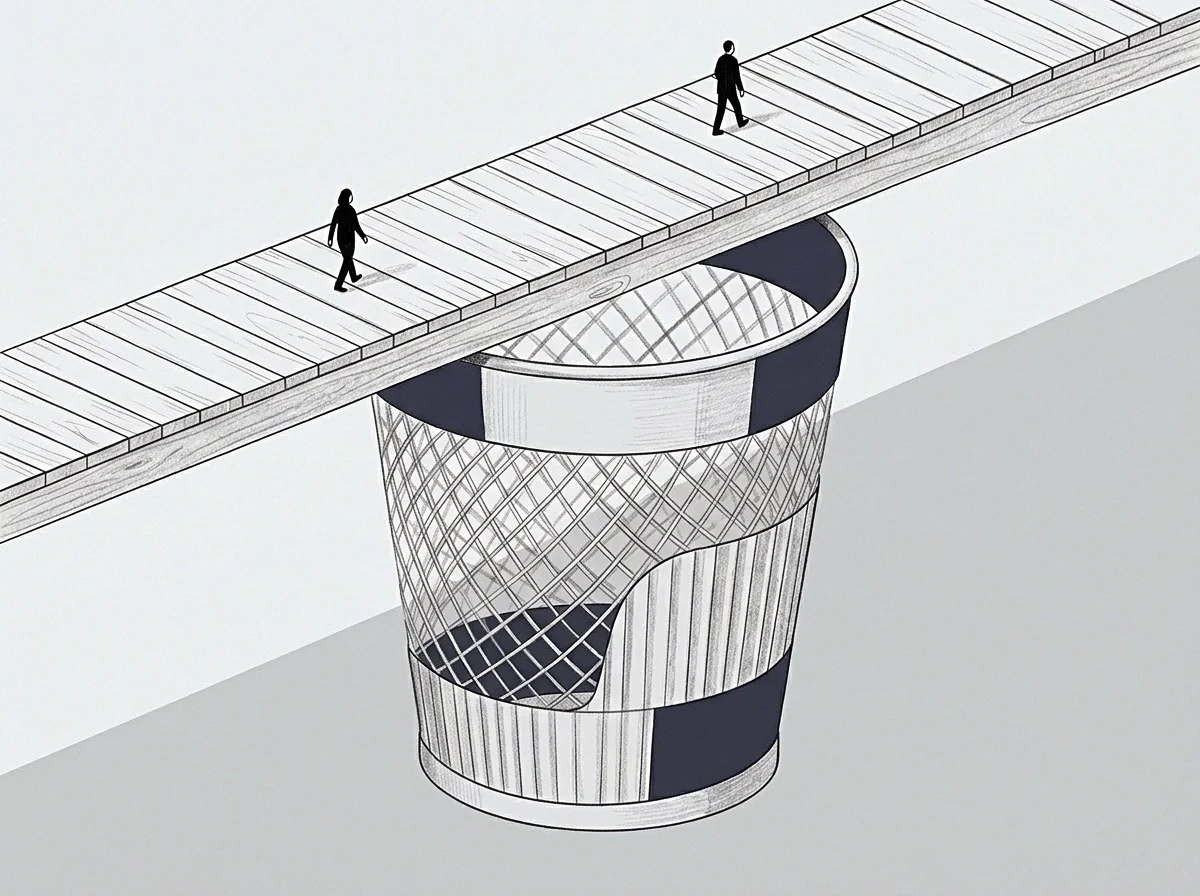
Allostatic Load Under Escalation Spills
Constant operational availability wears on neuroendocrine regulation and processing speed. When emergency escalations keep breaching delegated limits, the person holding asymmetric authority stays in sustained physiological hyperarousal. Cortisol remains elevated and sympathetic nervous system activation persists.
The system throttles: cognitive capacity drops while incoming demand stays at ceiling. Throttling is not systemic failure. The executive continues to clear escalations, but working memory retention and analytical precision erode.
Running without margin burns down long-term capacity.
Uncalibrated delegation during emergencies forces continuous intervention and depletes senior leadership attention.

Desk
The executive desk serves as the landing site for unresolved operational loops. Asymmetric authority creates a natural pull. Even where responsibility is clearly assigned on paper, underlying equity ownership or board control overrides the stated boundaries.

Asymmetric Authority and Unstated Risk Limits
Partners holding majority equity keep absolute legal veto over core operational decisions. Operators understand that formal delegation remains conditional on senior approval. When an incident occurs, the subordinate operator weighs the technical problem against the potential reaction from senior leadership.
Decision latency grows as the formal delegation framework bends around the underlying distribution of power.

Worked Case of Systemic Delegation Breakdown
Assume two operators manage an enterprise software product generating ten million dollars in annual recurring revenue. Partner A holds eighty percent voting shares while Partner B manages daily software operations. Escalation limits were never put in writing, left instead as verbal guidance to flag major risks.
At two in the morning, a primary database cluster sustains corruption, risking customer service level agreements worth two hundred thousand dollars in potential penalties.
Partner B refuses to run an emergency restore command without Partner A signing off, delaying repairs by three hours. Partner B avoids personal financial liability, while Partner A absorbs three hours of downtime and forced midnight arbitration.
| Authority Dynamic | Escalation Trigger | Structural Response | Physiological Load Impact |
|---|---|---|---|
| Unilateral Equity Veto | Unbudgeted expense above fifty thousand dollars | Complete operational standstill until senior signoff | Severe allostatic spike and elevated cortisol levels |
| Shared Operational Control | Service level agreement breach risk | Parallel decision loops creating conflicting instructions | High cognitive switching cost and working memory drain |
| Delegated Operating Ceiling | Defined technical outage threshold | Autonomous resolution within pre-approved parameters | Baseline regulatory capacity maintained during incident |
When asymmetric power remains uncalibrated, operational delegates transfer every high-stakes choice back to senior leadership.
The senior partner expected operational autonomy until the monetary exposure threatened equity value.
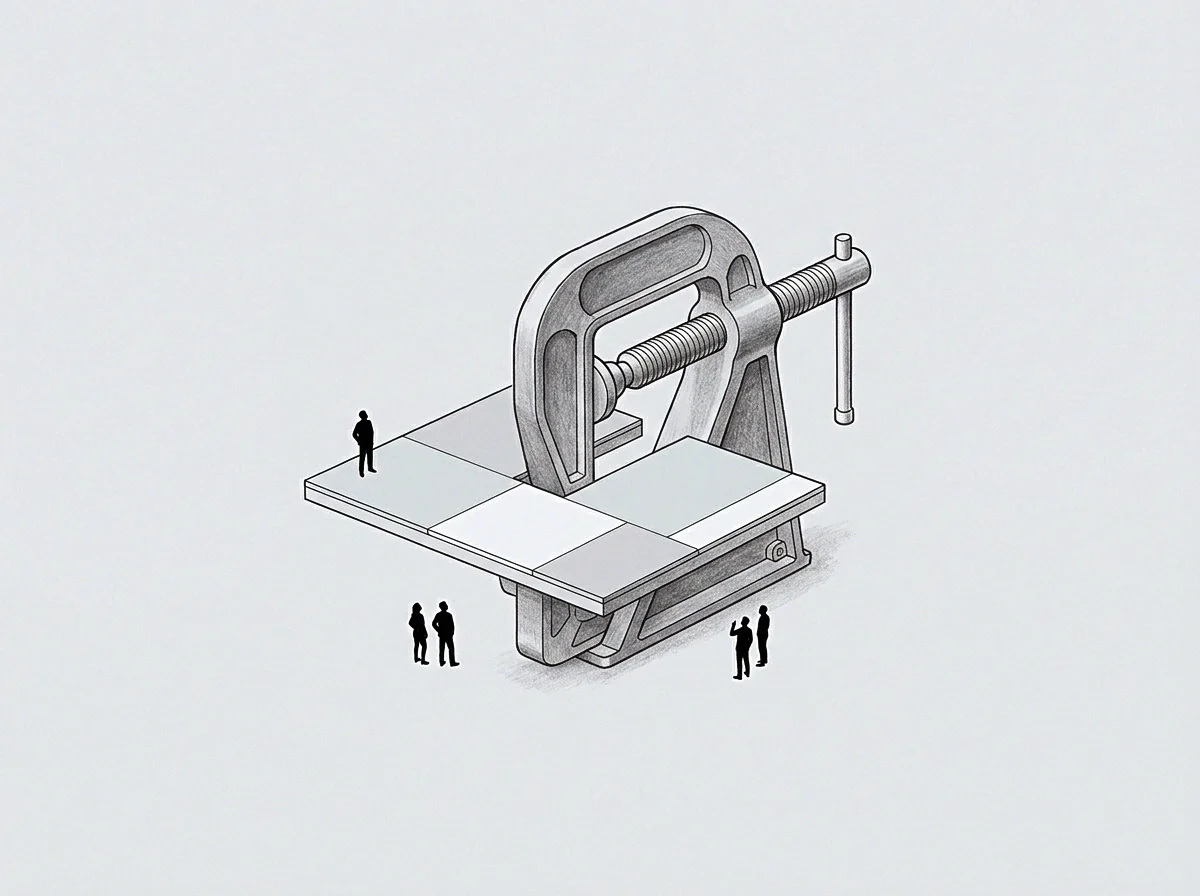
Shear
Shear occurs when stated operating limits grind against asymmetric power. Internal documentation may state that team leads have full purchasing and technical autonomy, but a serious incident quickly shows where final authority sits. The friction drains both operating layers.
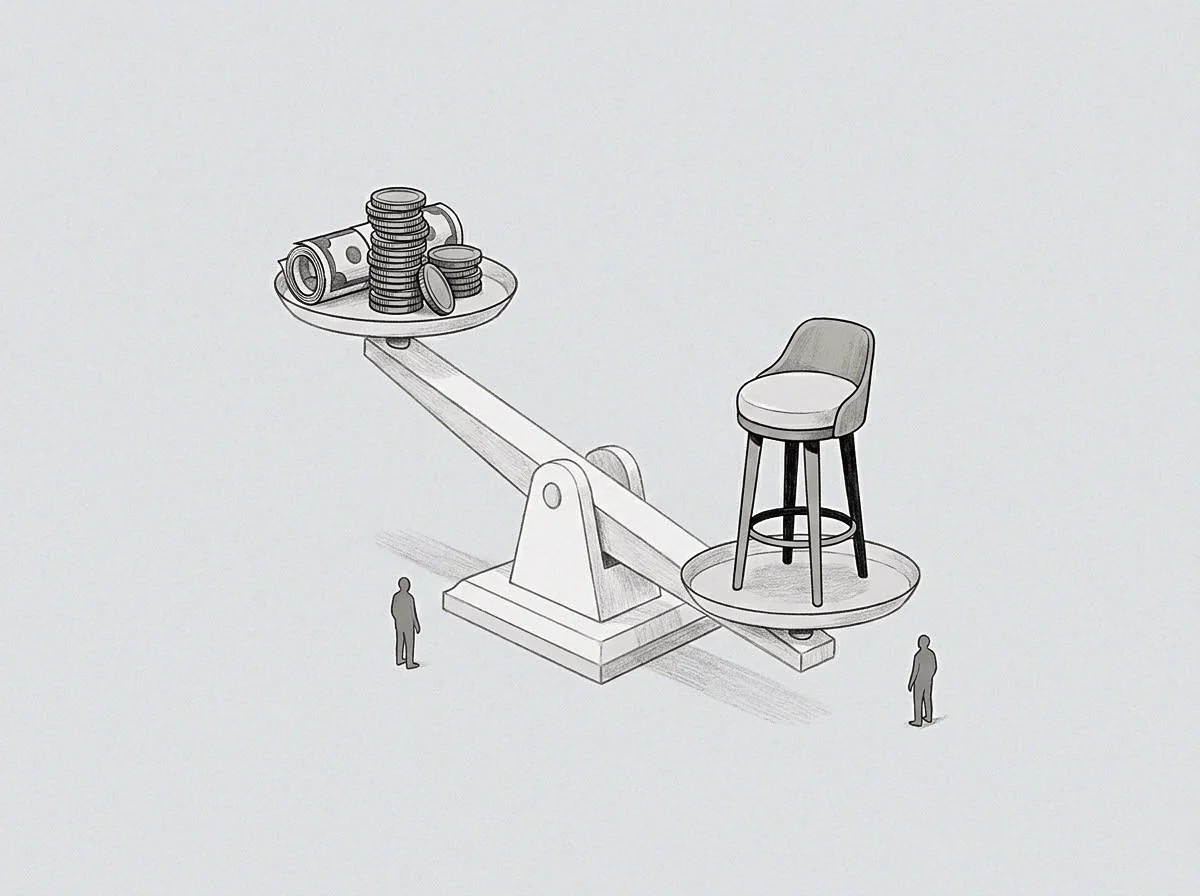
How does asymmetric power break delegation during active escalations?
Structural tension surfaces when stated parameters run into underlying governance. During an emergency, acute risk awareness leads the senior authority to issue real-time overrides. The junior operator treats the override as a break in expectations and stops acting autonomously during future crises.

Concurrency Constraints Versus Project Allocations
Managing operational load requires capping open decision loops rather than project counts. An operator can oversee ten parallel projects if each follows clear routines. A single ungated loop during an incident consumes the available working memory.
- Latent override occurs when senior authority silently invalidates a delegate’s decision during active emergency situations.
- Boundary collapse describes the immediate total erosion of operational parameters during unexpected high-severity system disruptions.
- Asymmetric risk transfer forces subordinate operators to hold accountability while denying them final choice autonomy.
- Information hoarding emerges as delegates withhold critical operational context to prevent senior micromanagement during crises.
Carrying unresolved decision loops degrades baseline cognitive output across the entire management structure.
Unfiltered operational escalations destroy delegate autonomy faster than explicit managerial overrides.
Whether senior leadership refrains from stepping over delegation boundaries during major financial exposure remains untested.

Sieve
Calibrating operating limits under asymmetric authority requires an actual sieve. Unscreened demands drain executive attention. A working gate filters incoming escalations through explicit operational parameters before senior attention gets pulled in.
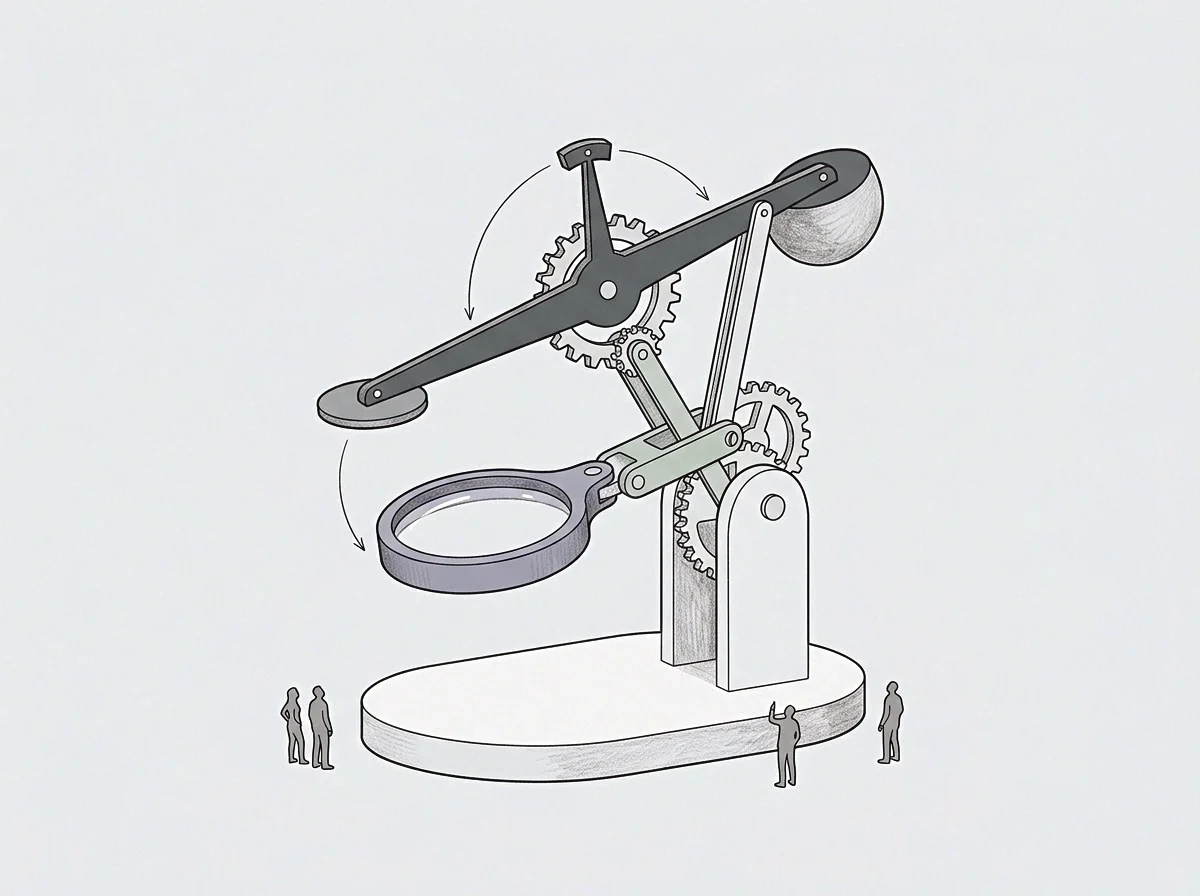
Structuring Decision Filters Across Power Gradients
Setting operational limits requires explicit parameters around scope, date, and terms. Scope marks the exact boundaries of financial and technical authority. Date sets the execution window.
Terms outline the specific conditions that trigger an upward escalation.
When an escalation matches these predefined terms, the decision clears without generating extra organizational friction.

Gating Protocols for Emergency Escalation
Formal entry conditions limit unnecessary interventions during active outages. Explicit gates protect executive attention while giving operators clear running room.
- Define precise financial exposure limits for autonomous operator decisions before incidents occur.
- Establish explicit time windows during which senior intervention remains strictly restricted.
- Require written post-incident reviews rather than real-time verbal status requests during active outages.
- Specify unambiguous transfer conditions that automatically return operational authority back to senior management.
Enforcing scope, date, and terms on operational requests restores executive headroom during major incidents.
Setting an explicit financial exposure ceiling changes how operators handle emergency calls during an outage.

Wedge
The final step inserts a hard operational wedge between asymmetric authority and daily execution channels. Without a structural partition, emergency escalations bypass established gates.

Reclaiming Headroom Through Operational Partitioning
Restoring biological regulation capacity after prolonged escalation cycles requires isolating inbound load. Senior authorities must separate channels for major system emergencies from routine status reporting, preventing low-severity operational issues from triggering midnight interruptions.
Separating active operational monitoring from strategic leadership seats protects systemic capacity.

Parking Unfocused Decision Loops
Mental tracking drops once an operational task is formally logged with explicit conditions. Parking a loop removes it from immediate processing. The operator logs the scope, notes the execution conditions, and closes the thread until the trigger date arrives.
Operational limits only hold if senior authority respects established gating protocols during systemic crises.