Meaning
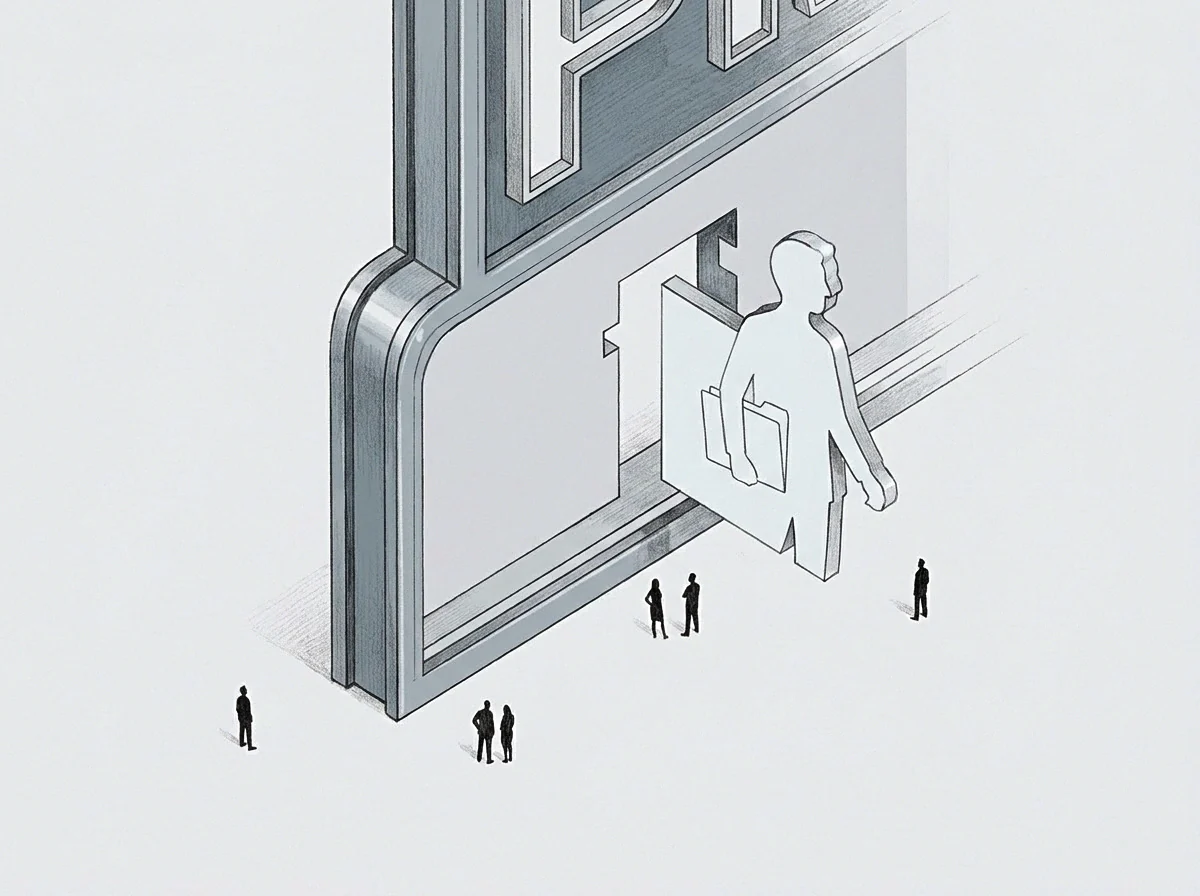
Functional boundary where the cognitive resources available for decision making are fully depleted by the volume of concurrent demands. Reaching the executive capacity wall marks the transition from controlled processing to reactive or impulsive behavior. This limit represents the physiological ceiling of the prefrontal cortex to manage complex trade-offs without rest.
Behavioral Shift
Actions taken after hitting the limit often lack the nuance of earlier work. The executive capacity wall forces a simplification of complex problems into binary choices. Accuracy decreases as the speed of decision making increases to clear the queue of tasks.
Demand Volume
High concurrency is the primary driver of this state. When a person manages ten variables, the executive capacity wall stays distant, but twenty variables might bring it into immediate proximity. Each additional variable adds a non-linear load to the system.
The cost is measured in the loss of strategic depth and the narrowing of the mental field. This state persists until the total number of active demands is reduced to a sustainable level.
Physical Limit
Physical limitations ensure the boundary holds because the brain is a biological organ with fixed metabolic rates. Once the executive capacity wall is encountered, no amount of willpower can restore function without a period of detachment. This state is a hard limit rather than a mood.