Meaning
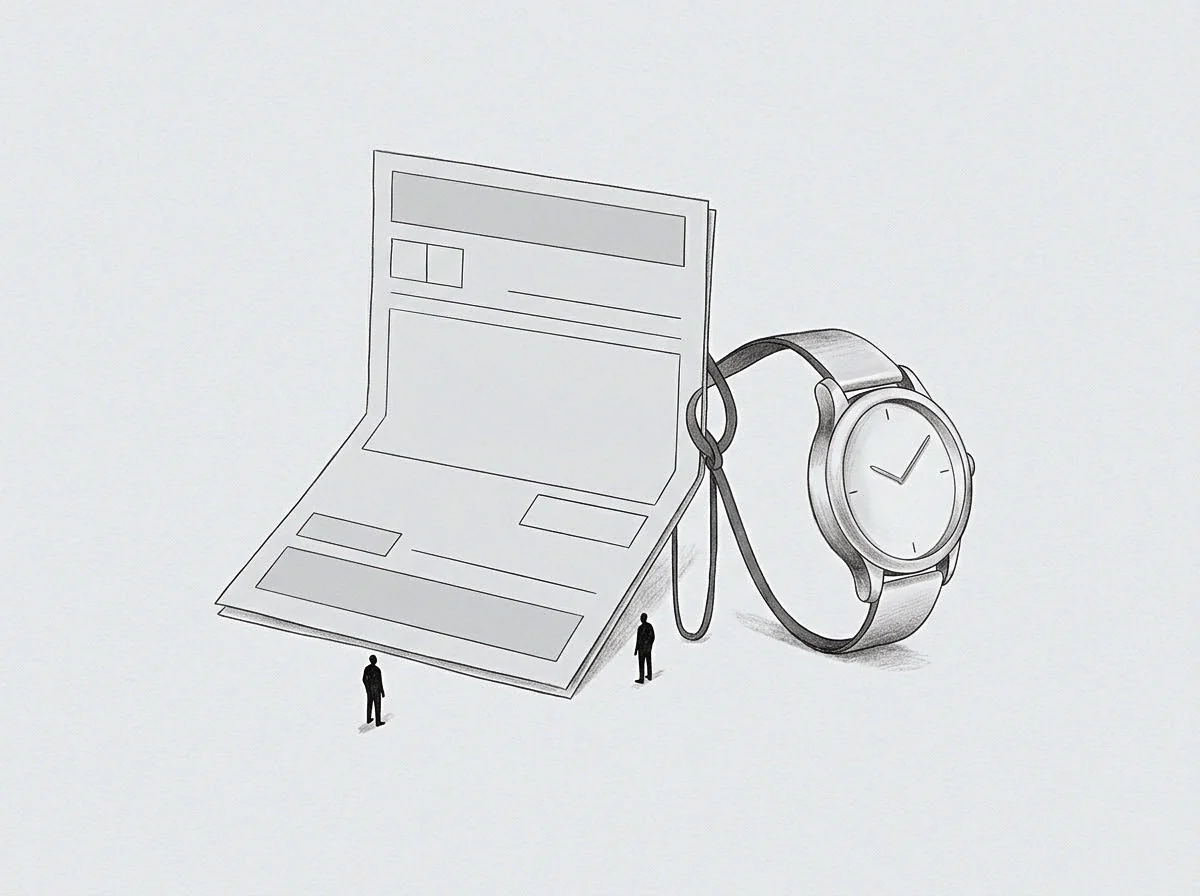
Separation of high level oversight from the direct execution of tasks allows for a more objective assessment of organizational performance. In the context of post founding regulation, executive decoupling refers to the process of stepping back from operational details to maintain a strategic view. This shift is necessary to avoid the cognitive load of micro management.
It ensures that the person in a leadership role can evaluate the system from the outside rather than being trapped within its daily fluctuations.
Strategic Distance
Maintaining a gap between one’s own identity and the immediate outcomes of the company protects mental resources. When executive decoupling is successful, the individual can make decisions based on logic rather than emotional reaction to temporary setbacks. This distance prevents the exhaustion that comes from treating every small problem as a personal crisis.
The attention cost of failing to decouple is a loss of perspective and a decline in long term planning ability.
Delegation Logic
Effective use of this mechanism requires a high degree of trust in the systems and people handling the execution. By removing themselves from the loop of routine decisions, the person frees up bandwidth for more complex problem solving. This transition involves a shift from being a primary doer to being a designer of processes.
The boundary of this practice is reached when the person becomes so removed that they lose touch with the reality of the operation.
Individual Separation
Individual acts of decoupling serve as a buffer against the allostatic load of constant responsibility. It allows for periods of mental rest where the person is not actively monitoring every metric or feedback loop. This preservation of energy is essential for sustaining performance over many years.
Without this structural separation, the individual is likely to experience a rapid depletion of their creative and emotional capacity.