Meaning
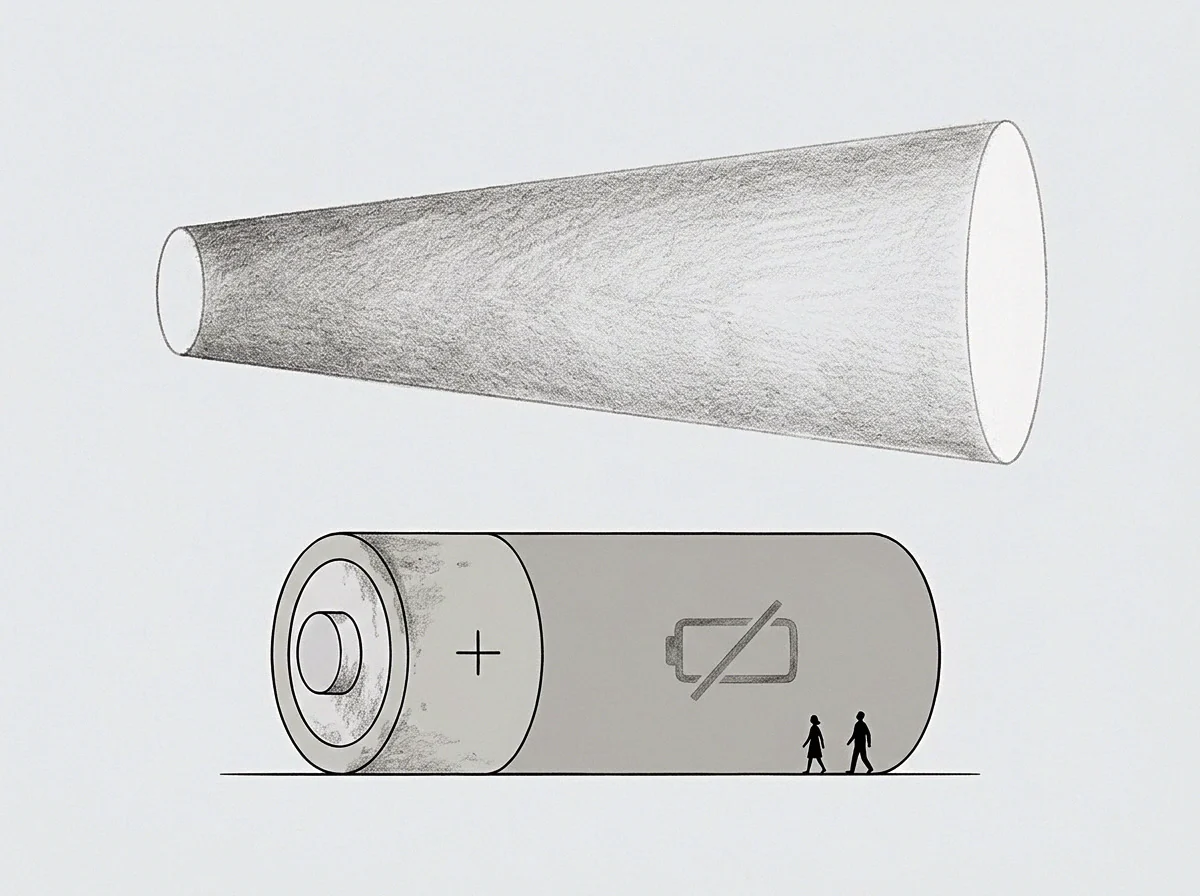
The systematic reduction of exhaustion through scheduled rest and resource management ensures long term operational viability. When properly executed, fatigue mitigation prevents the compounding of physical and mental deficits that lead to failure. It operates by inserting deliberate pauses and load reductions into the demanding schedule of a leader.
This process stops before the onset of chronic clinical depletion, ensuring that the executive retains sufficient reserve capacity for unexpected crises.
Physiological Load
Active prevention of exhaustion demands deliberate planning and structural changes to the working environment. Implementing fatigue mitigation requires the executive to resist the urge to work through periods of obvious decline. This resistance requires a conscious effort that itself consumes attention.
However, it preserves the underlying neural structures from deeper damage.
Systemic Cost
Developing a protective routine requires the reallocation of time and attention away from immediate business tasks. The practice of fatigue mitigation involves setting firm boundaries that prevent constant availability to team members. This choice can cause temporary friction within the organization as response times increase.
It is a necessary trade off to secure the long term capability of the founder.
Operational Constraint
Placing recovery ahead of immediate tasks forces the delegation of non-essential activities. When fatigue mitigation is prioritized, the organization must build redundant systems to handle urgent requests. This requirement limits the rate of growth and the speed of execution.