
Transferring Tactical Authority Away From Depleted Leaders Using Automated Setpoints
Automated setpoints transfer operational sign-offs to secondary proxies whenever queue latency metrics cross predefined physiological limits.

Seat
Four operational queues sit motionless at midnight while an approval ticket waits for review. At the terminal, an operator watches three client escalations accumulate behind a single unread signature request. The executive logged twelve continuous hours of meetings, stopped answering transmissions four hours prior, yet still holds exclusive tactical sign-off over deployment permissions.
Work stops across three squads because the charter reserves technical execution authority to that single exhausted desk, leaving the pipeline mechanically blocked.
Every operational system establishes who signs for immediate expenditures, technical releases, and schedule modifications. Once exhaustion sets in, the occupant of the chair struggles to parse parameters effectively. Requests accumulate without resolution, and friction spreads across dependent tiers while teams wait for someone whose cognitive capacity ran out by midday.
When fatigue disables tactical review, manual sign-offs freeze dependent operations across the entire organization.
Fatigue impairs working memory, response velocity, and pattern detection. Sleep research on technical operators indicates that prolonged continuous duty degrades sustained attention and error checking well before the subject reports distress. Executive control drops while self-assessments of competence remain artificially stable, leaving a leader convinced their tactical precision holds even as the backlog contradicts them.
Incident tickets sit unassigned and production merges stall while junior operators pause client communications because policy forbids independent resolution above a minor financial threshold.
Retaining tactical sign-off under heavy physiological exhaustion introduces systemic fragility. Delays, misallocations, and abandoned incident tickets become permanent operational overhead absorbed by the wider organization.
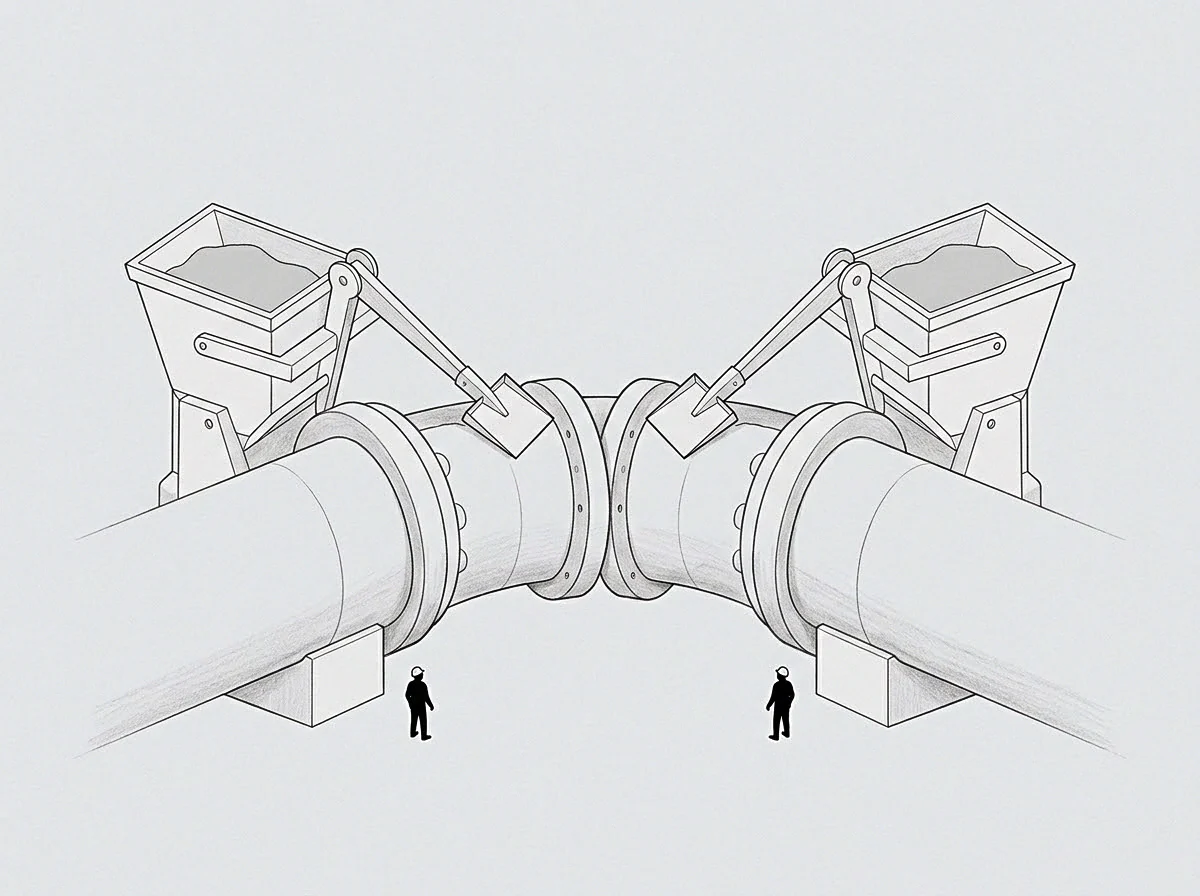
Drift
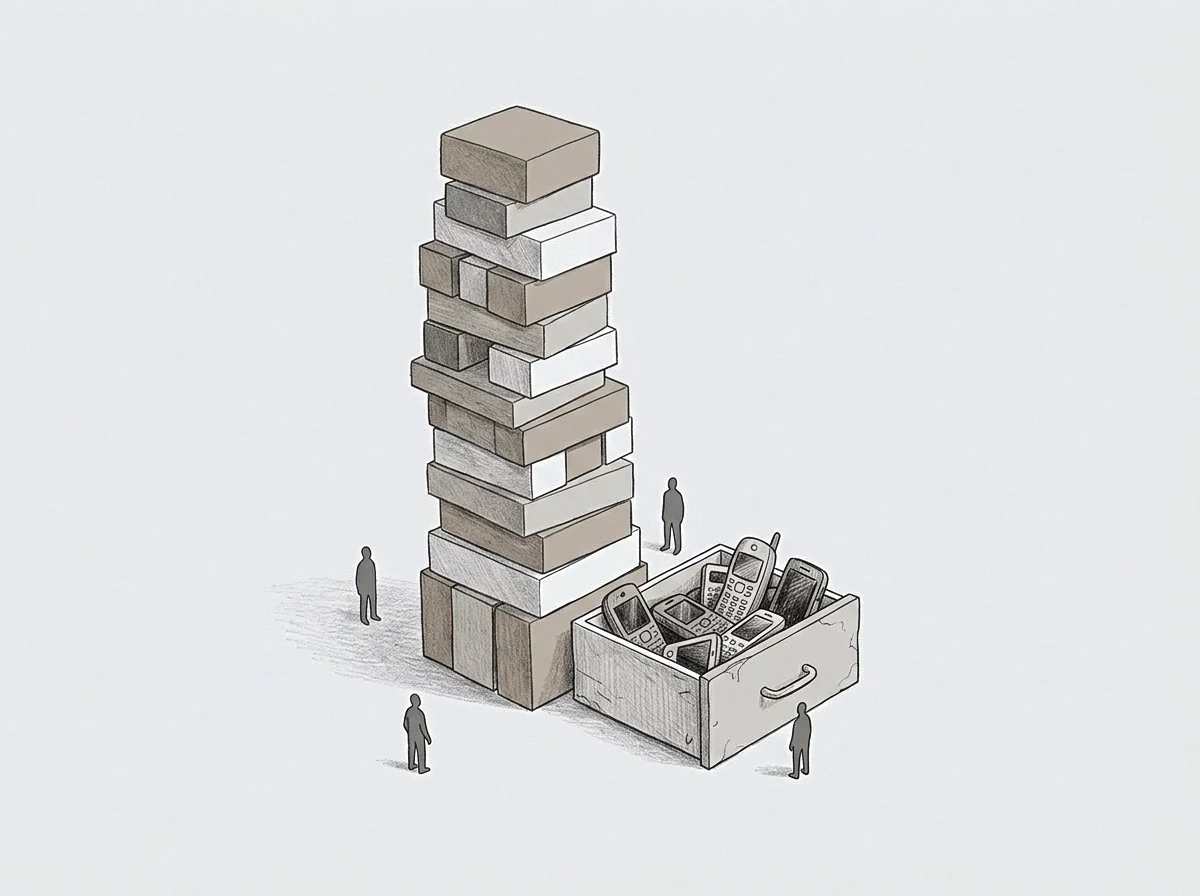
Operational Degradation Under High Allostatic Load
Physical exhaustion alters operational pacing long before a complete collapse occurs. The nervous system narrows its bandwidth whenever continuous pressure outruns recovery intervals. Under allostatic load, operators shift from proactive queue clearance to reactive triage.
Small approvals require disproportionate energy, so routine maintenance tickets get postponed, vendor confirmations slip, and routine compliance flags are ignored while the system drifts into latency.
This operational drift follows known physiological patterns. Sustained vigilance degrades prefrontal cortex function, reducing cognitive flexibility and prompting conservative avoidance behaviors. Decisions requiring fine trade-offs are deferred indefinitely, and remaining reserves are shielded by ignoring ambiguous notifications.
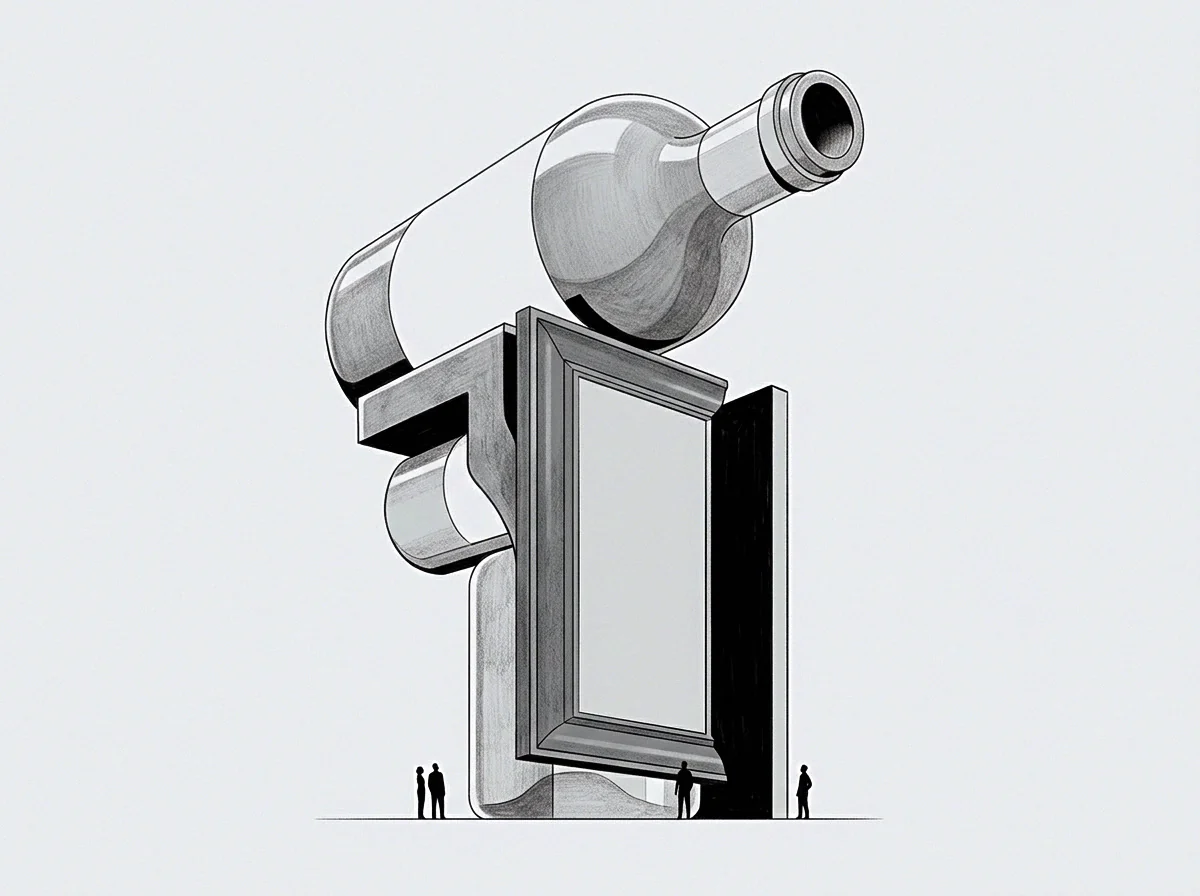
How Automated Setpoints Divert Operational Routing?
Automated setpoints measure operational latency and error frequencies against predefined operational thresholds, functioning as impersonal circuit breakers in workflow software. When latency crosses an agreed standard, the mechanism reroutes decision rights without negotiating with the leader. The transfer depends on quantitative system states rather than subjective admissions of tiredness.
- Threshold Tripping occurs when unreviewed operational items exceed thirty continuous minutes in an active incident channel.
- Secondary Routing transfers ticket authority directly to designated standby coordinators.
- Administrative Revocation suspends the primary approval requirement on low-risk production changes until baseline rest occurs.
- State Verification restores standard tactical rights once operational health metrics clear defined stabilization requirements.
Automated setpoints bypass interpersonal friction. Asking an exhausted executive to step aside invites defensive posturing and status anxiety, whereas an automated rule simply executes once latency metrics breach stated boundaries.
The queue would move faster if technical tickets cleared without waiting for an exhausted signature.
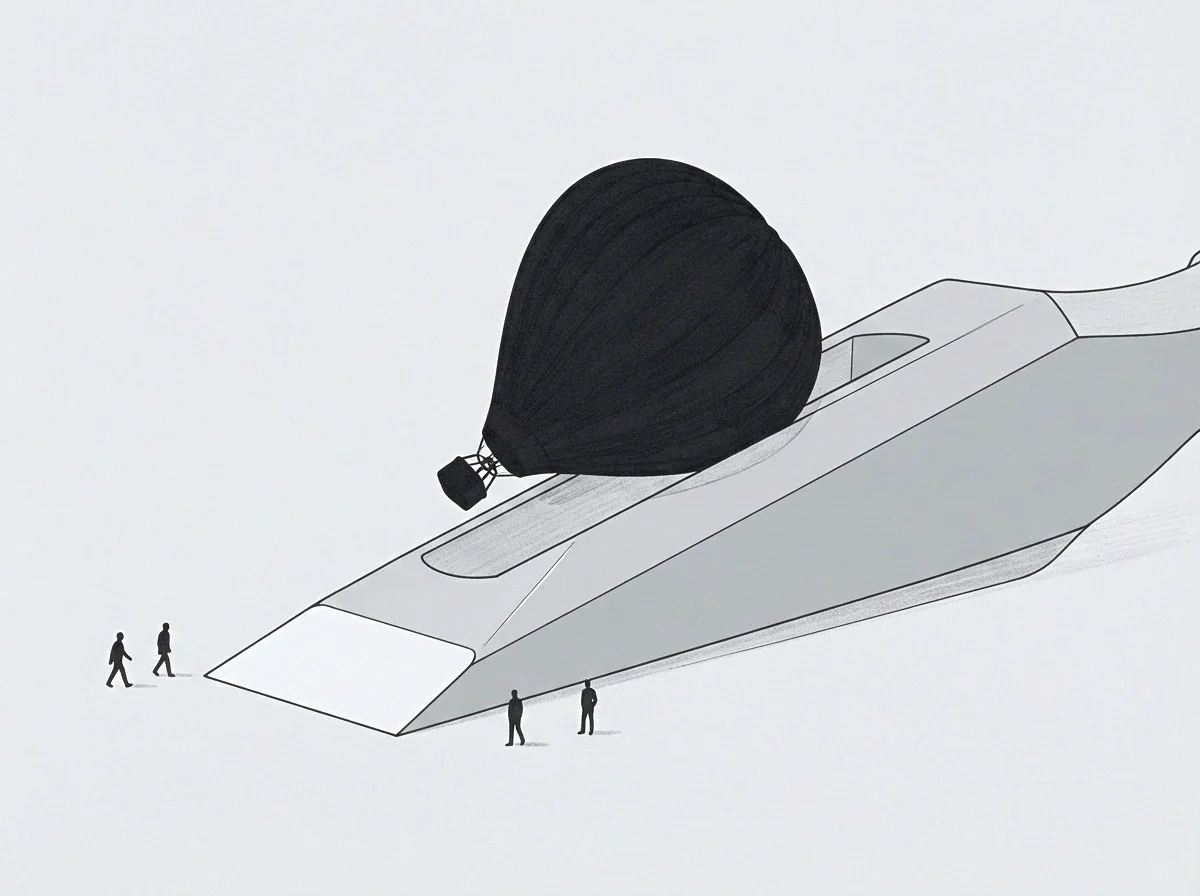
Valve
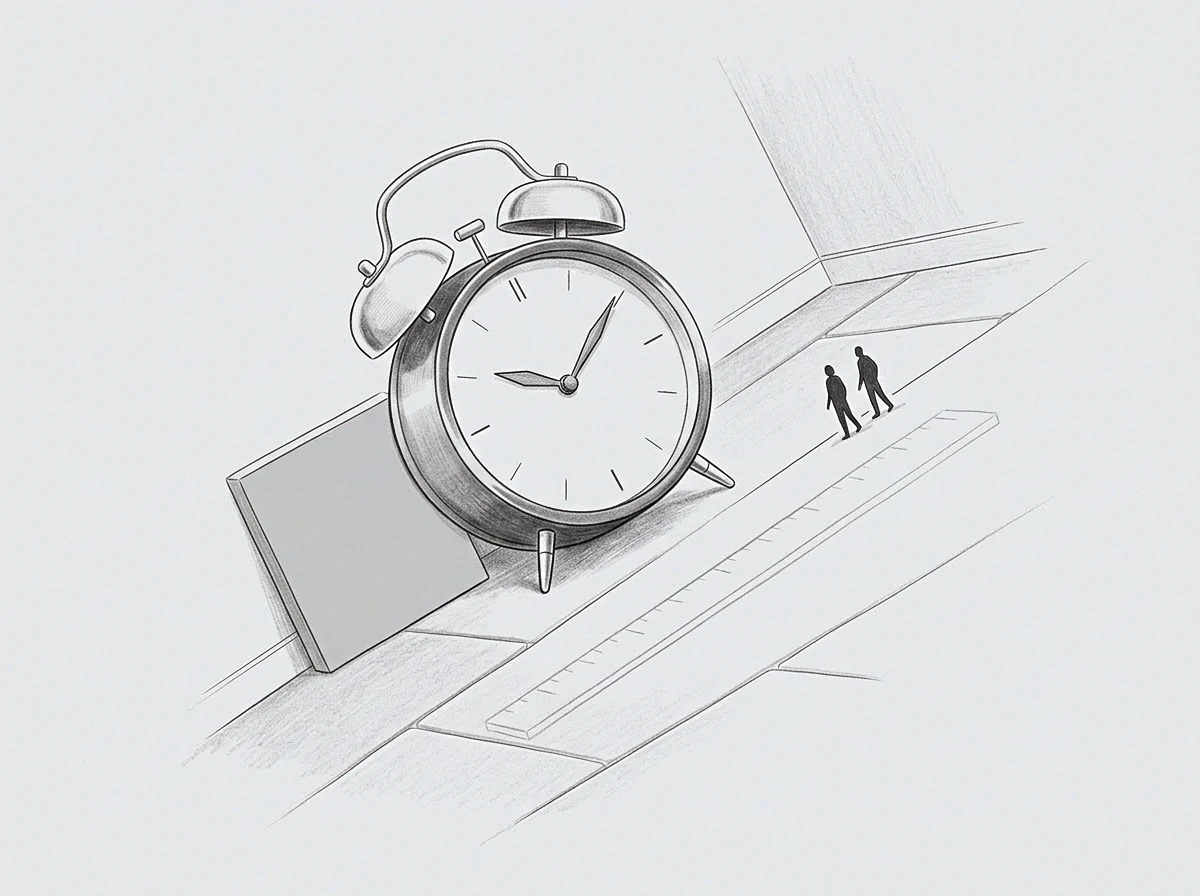
Engineering Impersonal Tactical Circuit Breakers
Control systems use setpoints to regulate pressure before physical pipes burst. In industrial processing, relief valves vent steam automatically when chamber pressure crosses predefined safety boundaries, without consulting the plant manager. The response is driven entirely by measured physical pressure.
Tactical authority in high-velocity organizations operates under the same dynamics.
Organizations often treat delegation as a discretionary gift, assuming that passing authority requires a deliberate surrender in real time. Under severe depletion, the capacity for that voluntary surrender disappears, and an exhausted executive clings to control to project competence. Automated setpoints replace discretionary handover with mathematical triggers built directly into management software.
Impersonal operational triggers bypass the defensive psychology of exhausted personnel.
Building these valves requires exact operational parameters. The system monitors external proxies of cognitive availability: queue response latency, backlog accumulation velocity, consecutive working hours logged in ticketing engines, and error rates on routine approvals. When metrics breach safe operational bounds, tactical rights divert automatically, shifting execution permissions to secondary proxies, operational leads, or algorithmic decision matrices.
Consider an engineering team managing continuous software delivery across multiple time zones. The senior technical officer holds approval rights over major repository pull requests. Under standard operations, pull request reviews average forty minutes.
During system outages, that officer remains active across twenty consecutive hours, and review latency stretches to four hours, creating critical deployment blockages. An automated setpoint triggers at the three-hour latency mark, shifting authority over standard staging deployments immediately to the secondary systems architect. The technical officer receives an informational ping rather than a blocking approval ticket, allowing deployment flow to resume immediately.
The mechanism relies on hard terms defined during calm conditions. If an approval ticket sits unattended for more than two hours during active operational incidents, technical authority transfers to the designated deputy without requiring verbal confirmation from the primary officer.
Split

Comparing Manual Handover Against Automated Divergence
Manual authority transfer depends on emotional awareness, status negotiation, and voluntary concession under acute fatigue. Automated setpoint routing relies on system telemetry, objective delay measurements, and software-enforced permission shifts. The operational consequences diverge across every major organizational performance dimension.
| Evaluation Metric | Manual Discretionary Handover | Automated Setpoint Transfer |
|---|---|---|
| Trigger Mechanism | Voluntary concession by exhausted leader | Predefined latency or queue volume breach |
| Status Friction | High personal conflict and defensiveness | Zero interpersonal negotiation during execution |
| Queue Latency | Extended blockage during cognitive collapse | Bounded maximum delay fixed by timer limits |
| Error Vulnerability | High variance from impaired executive review | Controlled fallback to predefined operational baselines |
| Return Path | Ambiguous political renegotiation | Deterministic restoration based on elapsed duration |
Manual handover forces a deputy to challenge the leader directly, an approach carrying obvious political risk. Subordinates hesitate to declare a superior incapacitated out of concern over retribution, reputational damage, or organizational chaos. Consequently, manual handover rarely occurs until catastrophic operational failure forces external intervention, long after the initial damage is done.
Automated operational routing converts political conflict into routine system telemetry.
Automated divergence removes ego from the control loop through impersonal metrics such as ticket age or unread alerts. A depleted leader cannot accuse a deputy of executing a power grab when software simply runs a rule written weeks earlier by the leadership group, allowing authority to transfer cleanly while operations continue uninterrupted.
How technical teams distinguish between temporary delays caused by deep analytical work and genuine systemic freezes caused by cognitive exhaustion remains difficult to verify without tracking intrusive behavioral inputs.
Yield
Systemic resilience improves when organizations stop treating human endurance as an infinite operational reserve. High-velocity environments break people when operational structures lack relief mechanisms. Automated setpoints acknowledge physiological reality by building hard boundaries around tactical authority, shielding projects from the inevitable cognitive limits of fatigued operators.
Instituting automated diversion changes how teams handle responsibility. Leaders step away from tactical minutiae during high-stress episodes without losing institutional standing, and authority flows to where cognitive reserves remain intact. Once the primary operator completes mandatory rest cycles, the system restores tactical permissions cleanly, maintaining operational momentum across continuous shifts without consuming executive health.
Impersonal operational terms established during rest protect authority far better than personal promises made during crises.