Meaning
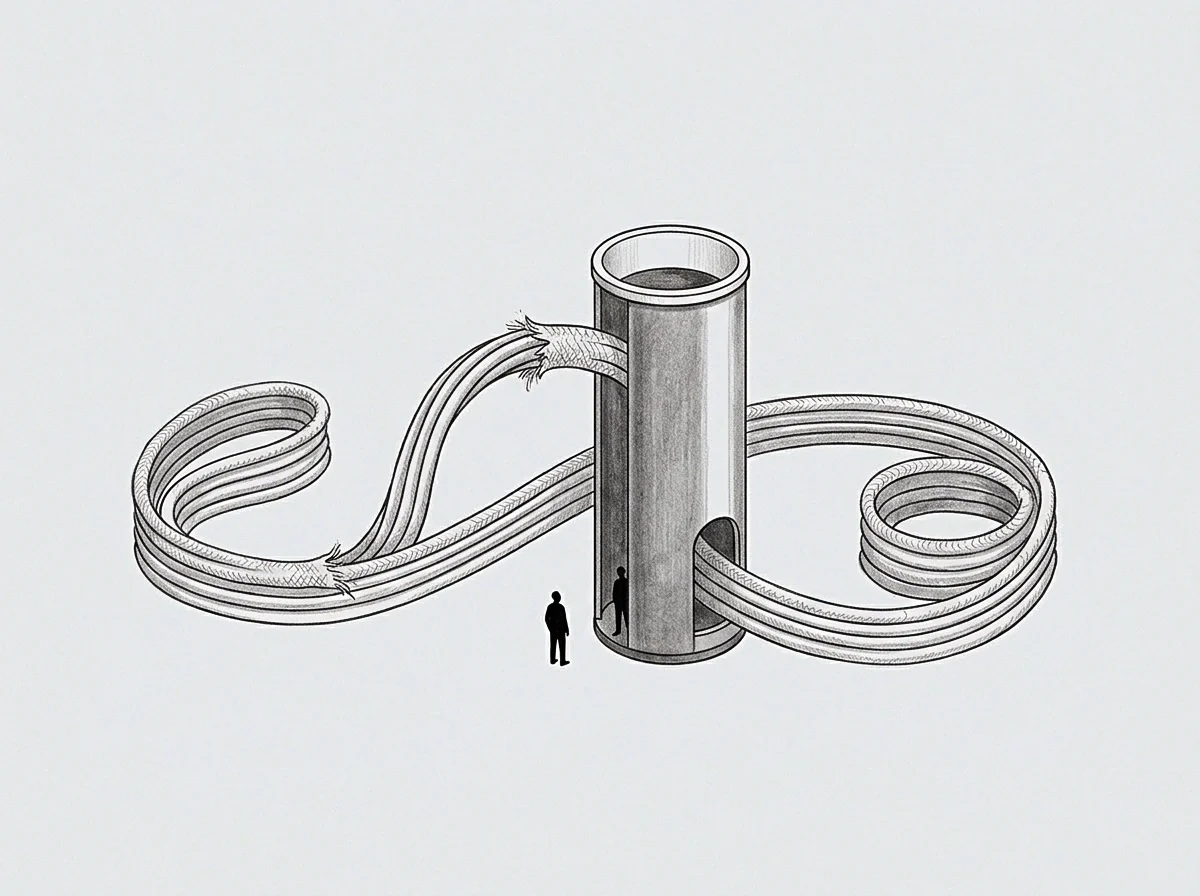
Organizational design incorporates deliberate overlapping functions and backup systems to ensure continuous operation in the event of a component failure. Institutional redundancy creates multiple pathways for critical tasks to be completed, reducing the risk that the loss of one person or department will paralyze the whole entity. It is measured by the degree of duplication in skills, resources, and authority across the structure.
This configuration provides a buffer against the high attrition rates and sudden shifts common in early stage companies.
Structural Resilience
Duplication of roles allows a company to absorb the impact of a sudden departure without losing momentum. While institutional redundancy increases the total payroll cost, it protects the organization’s core value. The presence of secondary systems ensures that knowledge is not trapped in a single point of failure.
Resource Allocation
Excess capacity is a deliberate choice that trades efficiency for security. Founders must decide which functions are too critical to be left without a backup. This cost in capital and attention is justified by the reduction in systemic risk.
Operational Boundary
Redundancy loses its value if the duplicate systems are subject to the same external threats. True resilience requires that the overlapping components operate under different conditions or locations. A lack of diversity in the backup systems renders the redundancy ineffective.