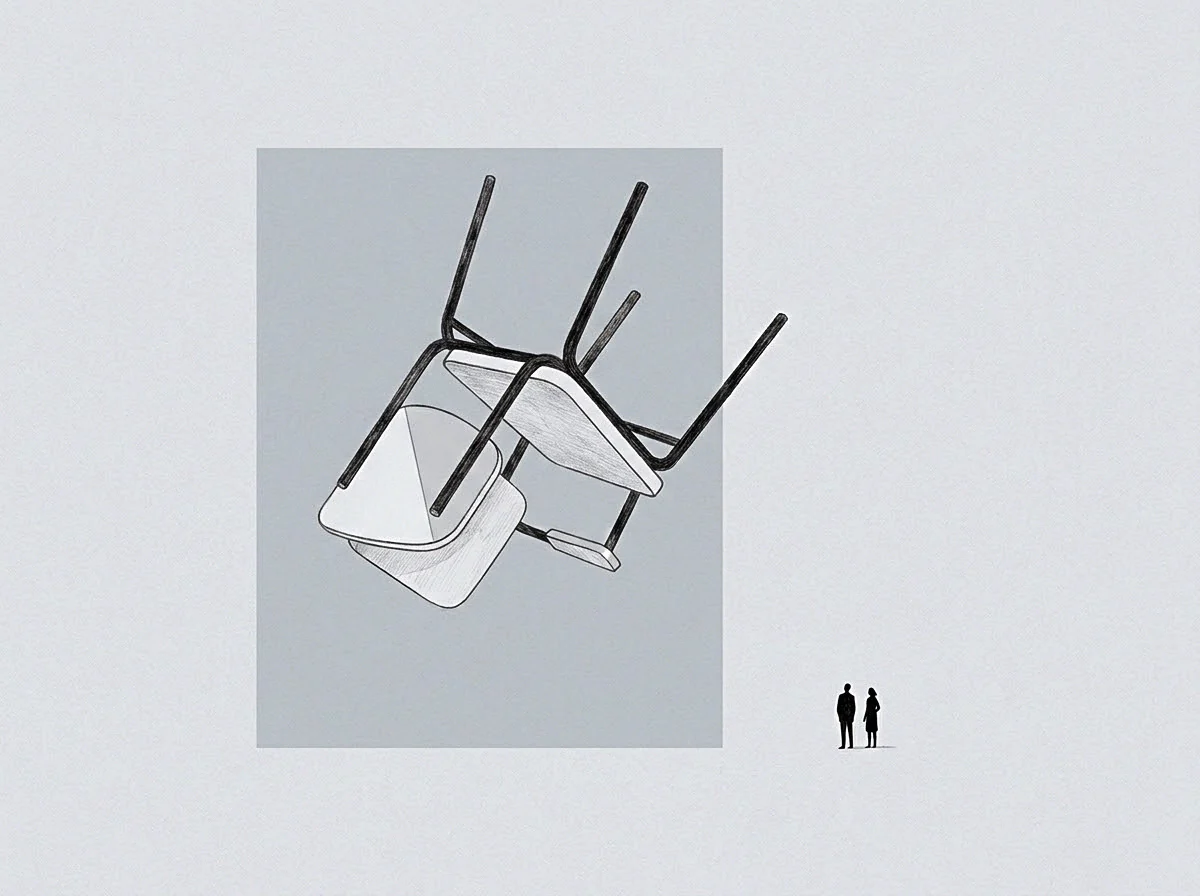
Meaning
A temporal baseline is measured against immediate response expectations to govern the communication speed of a transitioning leader. By utilizing a latency window, the founder deliberately delays their replies to non-urgent queries from their previous venture. This practice reduces the expectation of real-time availability and prevents the former team from relying on the founder’s constant guidance.
Temporal Buffer
Deliberate delays in responding to messages create a necessary buffer between the receipt of a query and the reply. Setting a latency window of several hours or days shifts the problem-solving burden back to the current operating team. Over time, this delay teaches the organization to resolve problems independently.
Allostatic Relief
Reducing response pressure helps return the individual’s stress levels to a healthy baseline. By removing the pressure to reply instantly, the founder regains control over their attention.
Strategic Delay
The implementation of structured response times requires minimal physical effort but calls for strong mental discipline. In the initial phases of transition, the urge to reply quickly remains high due to long-standing work habits. Resisting this urge and holding the delay period is necessary to break the cycle of dependency and establish a stable boundary for the future.