
Autonomic Latency Restructuring Through Structured Concurrency Gating In High Stress Operations
Structured concurrency gating restricts open regulatory loops to reduce autonomic recovery latency during sustained high stress operations.
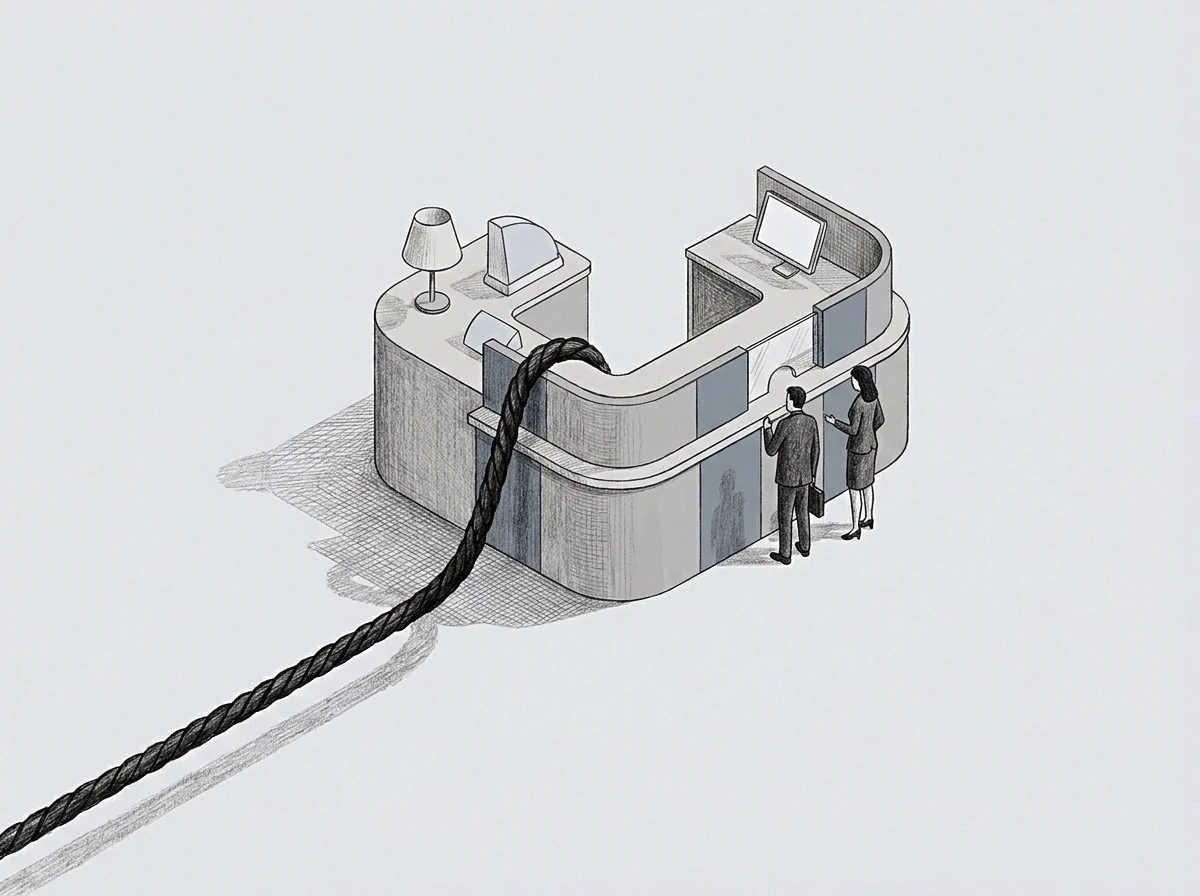
Slot
Four incoming communications sit unaddressed on a primary terminal after midnight. Physical execution for the day ended three hours earlier, yet peripheral vascular resistance remains elevated. Heart rate variability tracking shows a sustained sympathetic bias, keeping the organism in an active threat-response configuration.
This condition persists because each unclosed request lacks explicit terms regarding scope, resolution time, or evaluation criteria, leading the central nervous system to treat every open loop as an active real-time obligation.

Operational Loops and Cognitive Capacity
Holding multiple pending decisions creates continuous background processing across subcortical regulatory structures. Each unassigned initiative claims capacity within working memory, forcing the brain to spend physiological energy monitoring open channels for potential status shifts. That continuous allocation drains autonomic headroom without producing external progress.
The baseline heart rate settles slowly.
When an operator accepts new inbound demands without defining execution windows, the internal working model registers infinite urgency. Physiology responds by suppressing parasympathetic tone, delaying recovery long after active communication ceases. Over time, systems operating under sustained ungated demand accumulate allostatic load through prolonged autonomic recovery windows.
An operator holding four unboundary open channels remains in active sympathetic bias hours after physical execution stops.

Autonomic Latency Restructuring
Restoring recovery speed depends upon establishing structural limits around incoming communications. Gating inbound demands caps the number of open active channels allowed within a given operational window. By enforcing a strict ceiling on active loops, the nervous system receives clear signals regarding resource allocation.
Ungated channels consume regulatory headroom continuously.
Vagal withdrawal prolongs autonomic recovery latency.
Restricting active open requests to a hard limit accelerates autonomic recovery speed after operational strain.
Throttle
The autonomic nervous system modulates system responsiveness to protect core physiological integrity during prolonged stress. When regulatory demand exceeds available energy reserves, subcortical mechanisms downregulate self-initiated cognitive exploration while maintaining defensive vigilance. This response acts as a protective governor that preserves baseline survival functions.

Why Does Autonomic Latency Expand Under Ungated Demand?
Prolonged activation of the sympathetic axis impairs parasympathetic vagal rebound following acute strain. Under standard recovery conditions, vagal tone restores baseline cardiac rhythm within minutes after stress ceases. Under continuous ungated input, vagal rebound experiences significant temporal delay, leaving the organ system stuck in high autonomic latency where recovery requires hours instead of minutes.
This finding rests on electrocardiographic heart-rate variability measurements taken from executive populations under sustained workload. The observation holds under high task-switching frequency and uncertain completion criteria. Longitudinal multi-site trials showing rapid vagal recovery despite active unboundary tasks would invalidate this physiological model.
High allostatic load elevates physiological baseline.
Sympathetic activation remains elevated after midnight.
When incoming demand exceeds cognitive headroom, the autonomic nervous system delays parasympathetic recovery until open loops receive explicit closure dates.
Failure Modes in Concurrency Management
Unstructured incoming communication channels trigger predictable physiological failure patterns in high-stress positions:
- Unbounded Availability Bias forces continuous subcortical alert states by leaving response time expectations indefinite across all active communication channels.
- Task Concurrency Amplification overloads working memory allocations, raising cortisol production and slowing autonomic recovery post-task execution.
- Scope Ambiguity Drift converts simple status updates into complex active monitoring tasks that occupy regulatory headroom overnight.
- Deferred Closure Accumulation creates a backlog of unresolved micro-obligations that prevent the activation of parasympathetic vagal rebound during rest periods.
The system appears distant and slow to respond because every new request is held in an unbounded queue.

Gate
Structured concurrency limits function as an operational firewall for human autonomic headroom. Enforcing hard limits around open loops prevents unassigned operational demands from entering working memory. A channel remains closed until a dedicated slot becomes available within the predefined operational capacity.

Principles of Concurrency Gating
Structuring active operational channels demands explicit parameters for every incoming request. Every accepted task carries defined parameters before execution commences:
- Define explicit completion dates and unambiguous delivery terms prior to accepting new operational requests.
- Assign strict priority slots that automatically reject secondary inbound requests when capacity reaches its defined ceiling.
- Park unassigned or pending inquiries in offline storage repositories that require no active peripheral monitoring.
- Establish mandatory operational pause windows where all external communication channels are structurally isolated.
Cognitive gating caps concurrent open loops.
Unassigned deadlines convert into open loops.
Scope limits reduce autonomic latency.
A gate defined by scope, date, and terms releases active peripheral monitoring allocations back to the physiological pool.

Uncertainty in Threshold Calibration
The desk cannot defend an exact numerical threshold for maximum ungated concurrent operations across diverse physiological profiles. Autonomic capacity varies based on baseline health, sleep history, and environmental pressure. Under that uncertainty, an operator sets a conservative limit of three concurrent active channels and evaluates autonomic recovery latency weekly.
An explicit scope statement coupled with a fixed evaluation date converts an unbounded open loop into a parked resource allocation that costs zero active autonomic headroom.

Cost
Misinterpreting autonomic throttling as clinical depression leads to incorrect interventions that fail to fix the underlying system overload. Throttling represents an active regulatory protective response designed to preserve core physiological systems during extreme demand. Depressive de-escalation reflects a generalized loss of regulatory drive across all operational contexts.
This distinction rests on neuroendocrine cortisol diurnal profile data and autonomic pupillometry under acute secondary stressors. The evidence demonstrates that throttled systems retain high reactive capacity when presented with true structural threats, whereas depressive de-escalation presents flattened arousal responses across all stimuli. Findings demonstrating identical neurobiological markers across suppressed cognitive initiative and mood-state withdrawal would dismantle this diagnostic boundary.
Systemic throttling differs from clinical depression.
Autonomic recovery demands explicit operational closure.
Controlled Digression on Physical Constraints
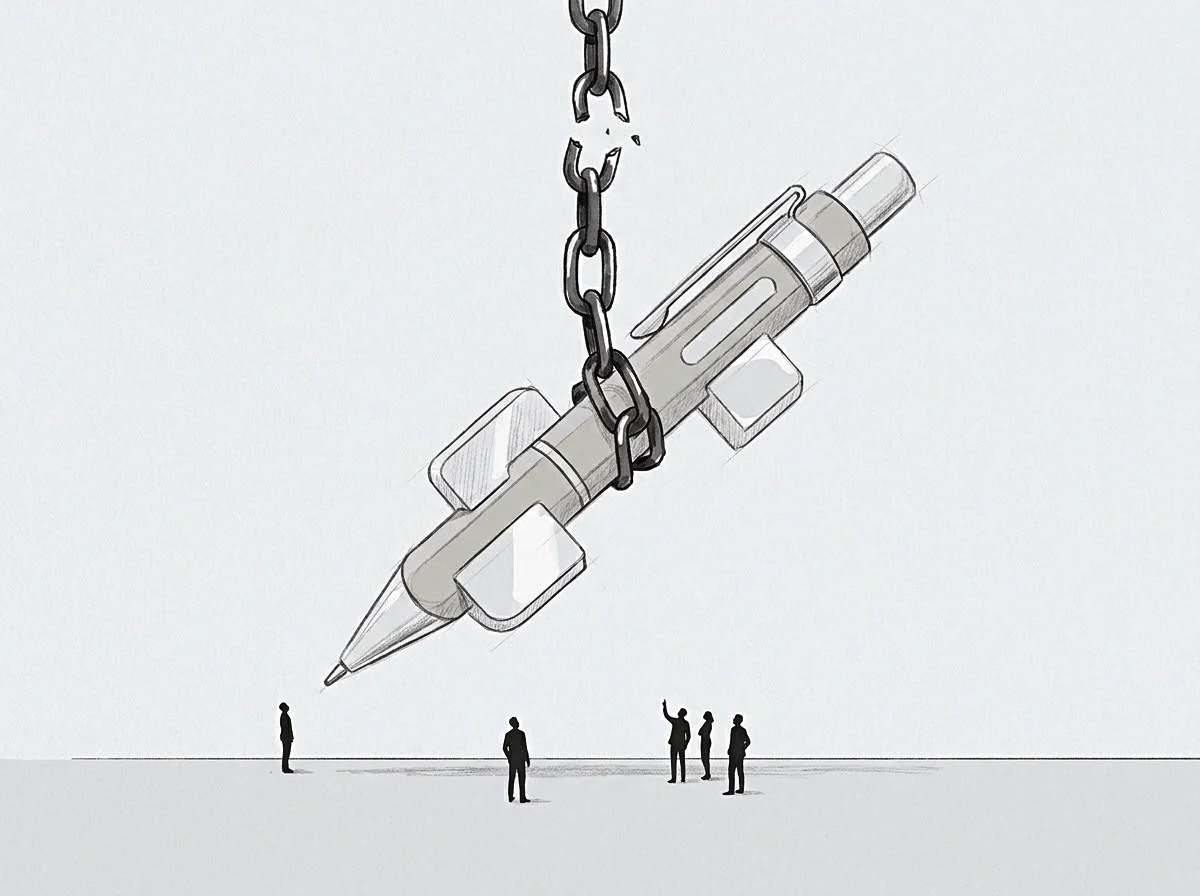
High-pressure deep-sea diving operations use physical umbilical manifolds to restrict gas supply lines to a strict count of two concurrent connections per manifold. This physical constraint prevents manifold rupture under sudden ambient pressure drops, matching the biological requirement for hard channel limits.
Comparing Autonomic Throttling and Depressive States
Differentiating physiological states demands evaluating specific system metrics under operational strain:
| Physiological Metric | Autonomic Throttling State | Depressive De-escalation State |
|---|---|---|
| Sympathovagal Baseline Tone | Elevated sympathetic bias with delayed vagal recovery | Flattened autonomic tone with reduced reactivity |
| Headroom Allocation Capacity | Saturated by ungated active loops | Globally depleted regulatory capacity |
| Response Latency to Urgent Stimuli | Preserved rapid response for high-priority threats | Uniformly delayed response across all stimuli |
| Autonomic Recovery Profile | Restores rapidly upon explicit loop closure | Remains depressed regardless of loop status |
Systems running at ceiling require structural limits on concurrent demands to prevent chronic autonomic latency expansion.
Treating a throttled autonomic system as an affective disorder leads to inappropriate therapeutic protocols while leaving the structural concurrency leak open to consume remaining headroom.

Room
Preserving long-term operational effectiveness depends on matching incoming demand to actual physiological headroom. When an operator establishes hard concurrency gates, the autonomic nervous system reallocates physiological resources from threat monitoring to recovery processes. Parasympathetic vagal tone returns to baseline levels during rest periods, lowering overall allostatic load.
Operational gating restores autonomic recovery speed.
The secondary processor retains the pending request.
Uncertain terms preserve peripheral sympathetic tone.
Restructuring Latency Through Explicit Limits
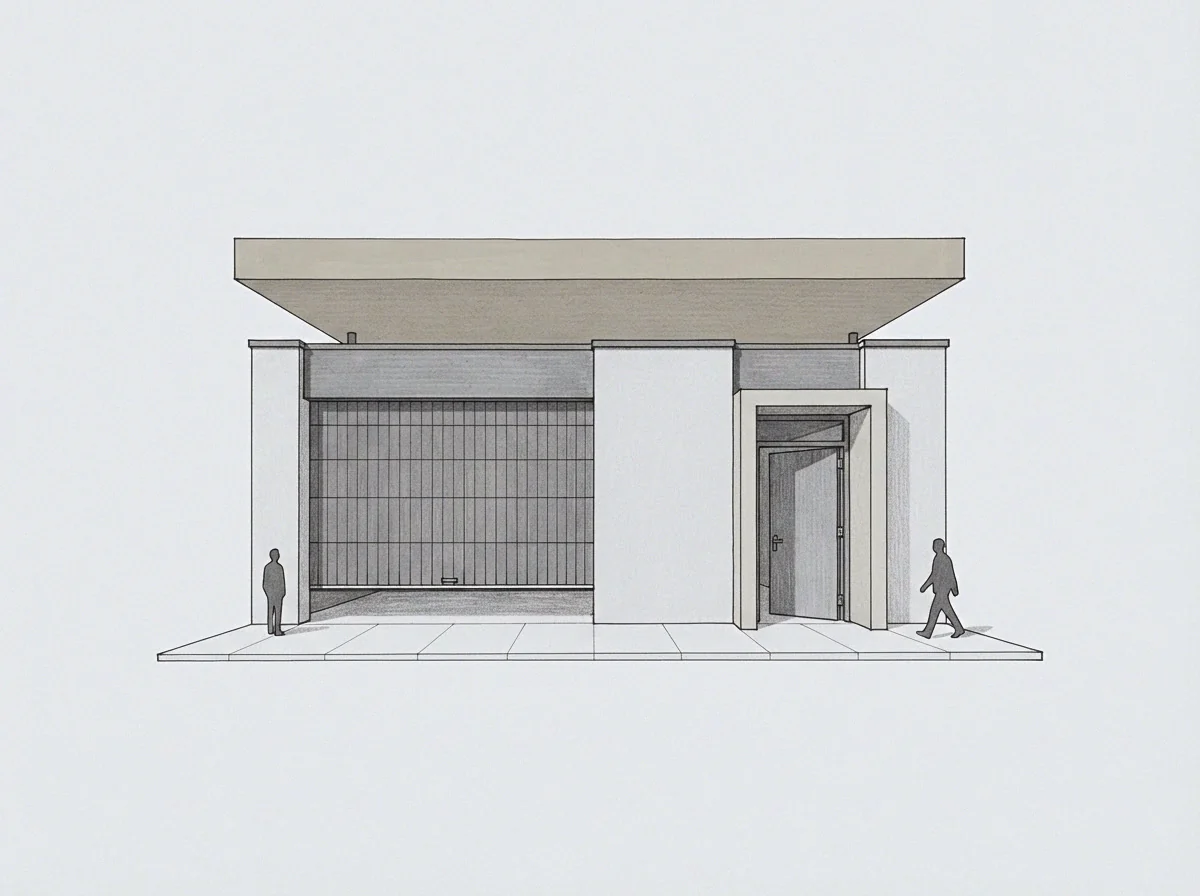
Systematic enforcement of scope, date, and terms removes the cognitive overhead of unresolved commitments. Unassigned inbound requests sit in external storage systems, bypassing active working memory slots. The operator regains regulatory headroom, enabling rapid autonomic recovery following periods of acute operational pressure.
The physiological baseline adjusts to the reduced count of active channels. Heart rate variability normalizes during quiet windows, and the delayed recovery pattern resolves as open loops receive structured operational limits.