Meaning
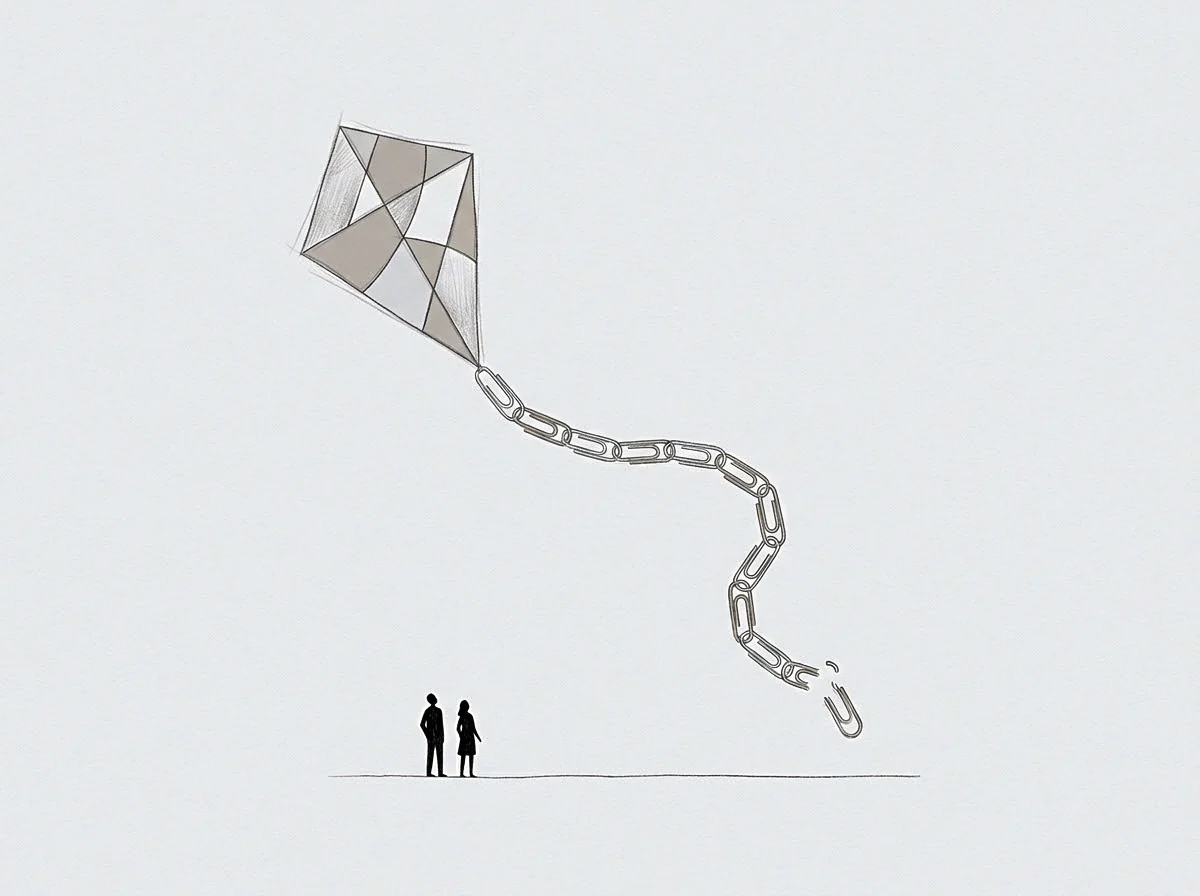
Social availability relies on non-demanding proximity, an autonomic regulatory state that maintains physical nearness without requiring active cognitive engagement or reciprocal conversation. This baseline mechanism lowers the allostatic load on founders by offloading cortisol production and maintaining baseline vagal tone through the quiet presence of another person in the same physical room. Physiological regulation occurs automatically when the nervous system registers a familiar entity within a short radius, bypassing the linguistic and emotional processing centers that consume significant mental capacity during normal operational hours.
The boundary of this condition lies precisely at the threshold where interaction begins, because the moment one party speaks or asks a question, the state ends and active cognitive labor resumes.
Buffer Mechanics
Biological conservation depends on this passive buffering capacity to prevent chronic nervous system exhaustion after long hours of decision-making. Continuous high-vigilance states drain available cognitive attention within a narrow window, but a silent companion absorbs background monitoring tasks that would otherwise require active brain cycles. Human bodies detect presence through peripheral senses long before conscious thought registers the detail, allowing the amygdala to lower its alarm threshold.
This quiet arrangement preserves the energy reserves required for complex strategic work on the following morning by substituting social interaction with mere spatial sharing.
Capacity Cost
Maintaining this passive state requires physical space and time allocations that compete directly with operational duties. Founders frequently misjudge the hours spent securing these quiet environments, treating the absence of active demands as a natural byproduct of shared residence rather than an engineered prerequisite for recovery. Attention capacity remains intact only when the nearby person respects the boundary of non-interaction, because accidental conversational sparks instantly reactivate the stress response loops that the arrangement aims to suppress.
System Limit
Social proximity stops acting as a restorative buffer the moment external demands penetrate the shared boundary. Unplanned interruptions instantly convert a low-demand physical space into an active social obligation, transforming a restorative hour into an additional drain on attention reserves. Individual nervous systems vary widely in their baseline tolerance for spatial sharing, meaning that an arrangement which sustains one operator comfortably might overwhelm another who requires absolute solitude for effective recovery.