
Physical Contact Responses In Long Term High Strain Individuals
Sustained allostatic load alters autonomic gating, turning coregulative tactile input into sensory startle responses that increase metabolic regulation costs.
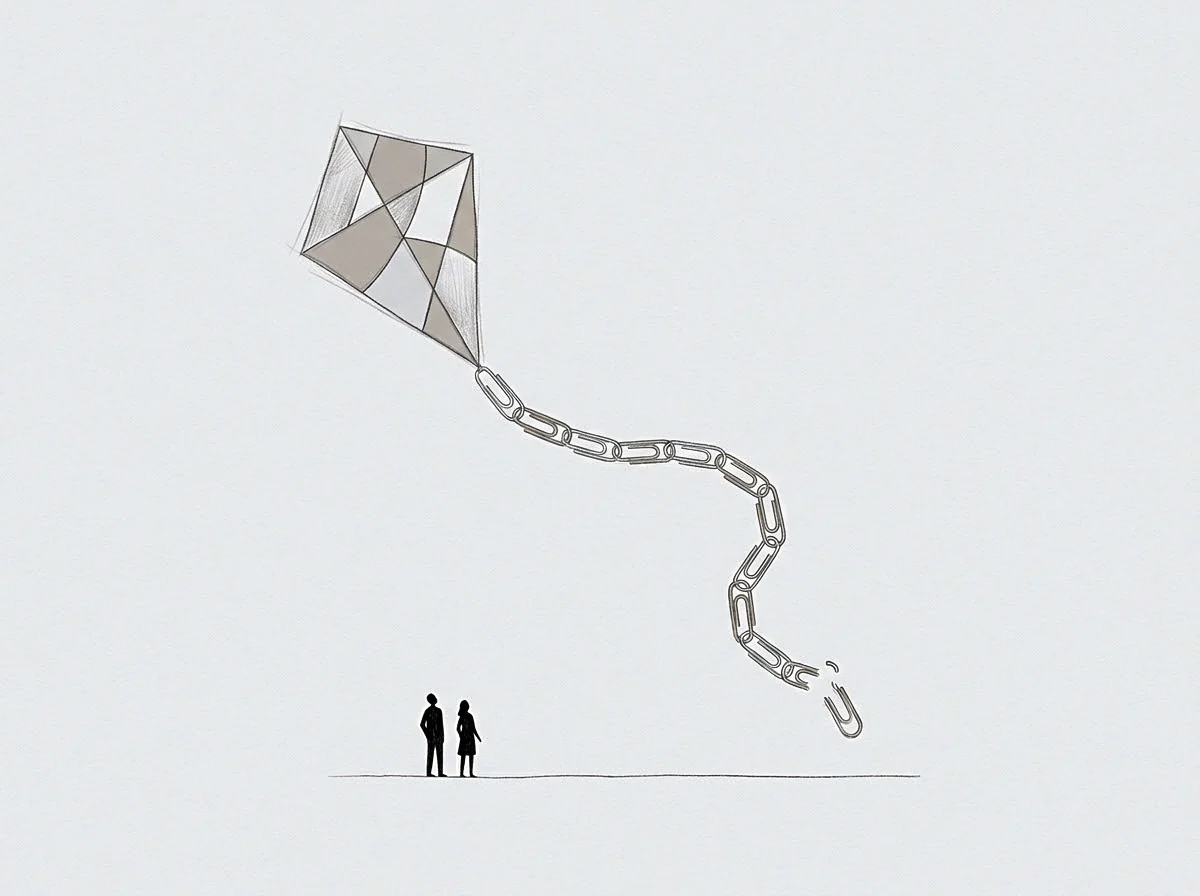
Stimulus
Human skin contains specialized nerve endings that distinguish mechanical force from relational presence. Under baseline conditions with sufficient autonomic headroom, slow affective touch engages C-tactile afferents—unmyelinated nerve fibers projecting directly to the posterior insular cortex. This pathway quiets sympathetic nervous system arousal, slows heart rate, and lowers circulating cortisol.
The brain registers gentle physical contact from a familiar person as an external source of metabolic support. By processing touch as coregulation, the central nervous system reduces its energy expenditure on threat monitoring, allowing visceral systems to rest. Social baseline theory describes this energy transfer: physical proximity and gentle touch allow the brain to budget metabolic resources for shared load rather than solo survival.
Prolonged exposure to operational strain alters this neurological baseline. When an individual manages high-stakes decisions, acute financial risks, or structural accountability over long horizons, the nervous system shifts into constant sympathetic activation or high-tone dorsal vagal freezing. Sustained strain depletes central metabolic headroom.
Under chronic allostatic load, the brain reallocates neural bandwidth toward continuous environment scanning and rapid threat appraisal. Tactile signals arriving at peripheral receptors no longer travel primarily along slow affective pathways. Fast A-beta mechanoreceptors, which report precise spatial location, pressure changes, and immediate surface contact, dominate central sensory processing.
When sympathetic dominance reaches sustained saturation, low-threshold mechanoreceptor input bypasses social baseline channels and triggers autonomic startle pathways.
The transition from coregulation to sensory intrusion occurs without conscious intent. In a saturated nervous system, incoming physical touch demands immediate neural evaluation. The brain must determine whether the contact signals physical danger, a request for attention, or an incoming task requirement.
Because high strain consumes the executive resources needed to evaluate subtle contextual cues, the autonomic nervous system defaults to a defensive posture. Touch shifts from baseline support to task demand, and contact that previously reduced autonomic arousal now initiates rapid shifts in peripheral vascular tone, muscle tension, and electrodermal activity.
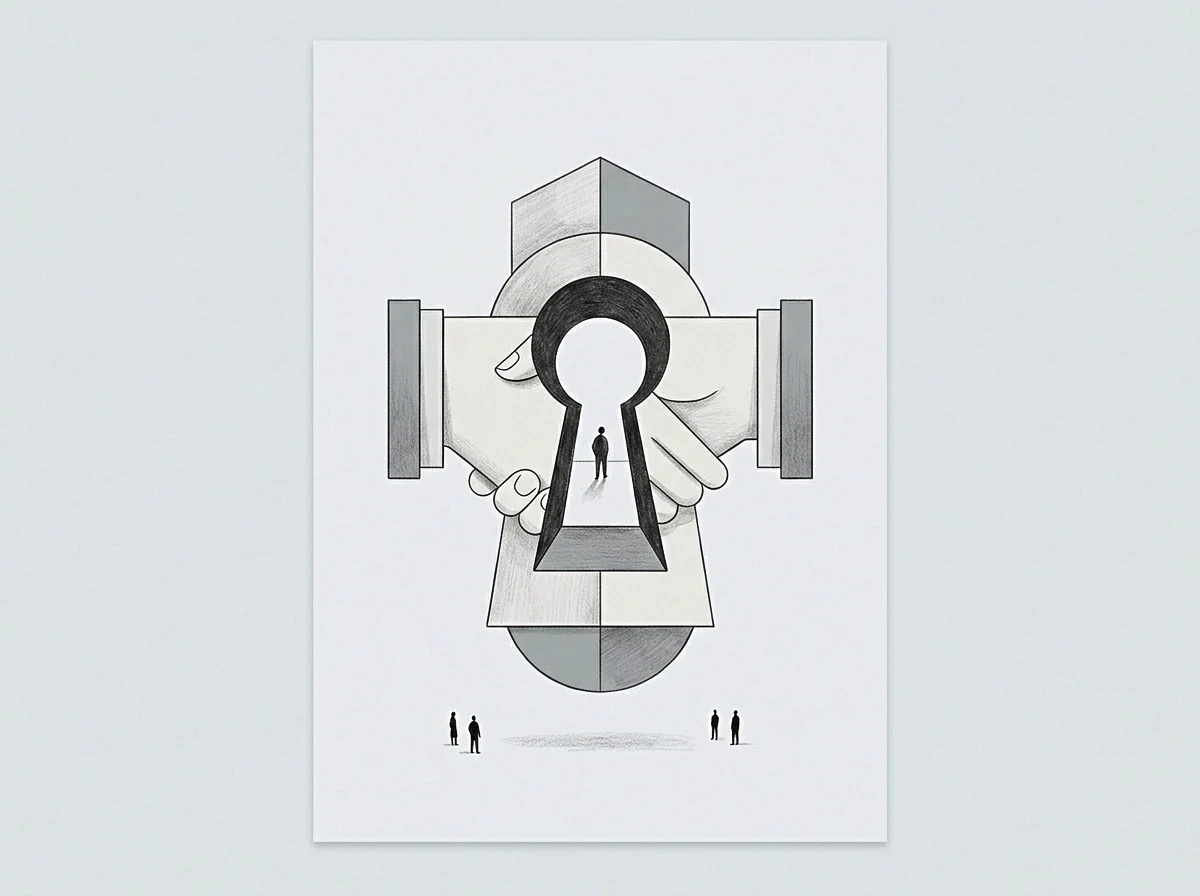
Low Threshold Mechanoreceptors and Autonomic Gating
Autonomic gating dictates sensory perception under strain. The thalamus acts as a primary filter for sensory inputs before signals reach conscious cortical awareness. When circulating catecholamines remain elevated over long periods, thalamic gating mechanisms become hyper-permeable to sudden physical stimuli while filtering out quiet, slow-moving inputs.
A gentle hand placed on the arm delivered without verbal warning bypasses the slow C-tactile processing loop; the thalamus routes the sudden mechanical displacement directly to the amygdala and somatosensory cortex.
The physiological response resembles a localized defense reaction. Skin conductance measurements in highly strained individuals reveal immediate spike responses upon physical contact, contrasting sharply with the skin conductance decline observed in low-strain control groups during identical touch protocols. Heart rate variability drops further, indicating a withdrawal of parasympathetic vagal tone.
Physical contact triggers an immediate withdrawal of reserves rather than metabolic savings, as the nervous system pays a physiological cost to process the unexpected tactile event.
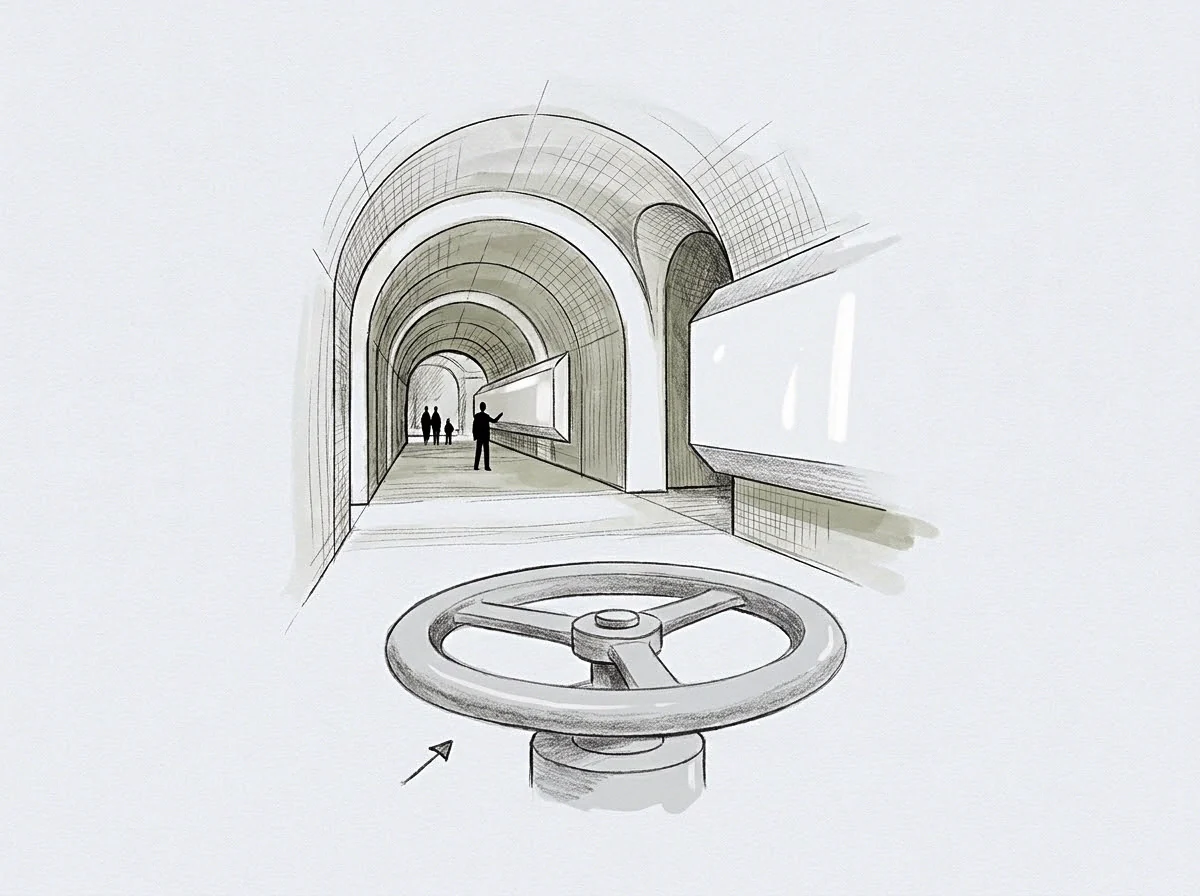
The Shift From Coregulation to Task Burden
A strained nervous system evaluates every environmental input through the lens of available capacity. When operational load exhausts internal reserves, any incoming signal requiring attention registers as an added operational demand. Physical touch from a partner or colleague requires spatial realignment, emotional feedback, or reciprocal contact, forcing the strained person to mobilize scarce neurological capacity simply to interpret the gesture and formulate a social response.
This dynamic creates a severe conflict between intent and somatic reception. The individual initiating contact offers touch to convey safety or ease distress, but the receiving party experiences the gesture as a demand for relational performance from an exhausted system. Physical touch acts like an unexpected ping on an overloaded server.
Rather than resting into the offered contact, the strained individual stiffens their posture to maintain structural stability under the added sensory input, converting comfort into burden.
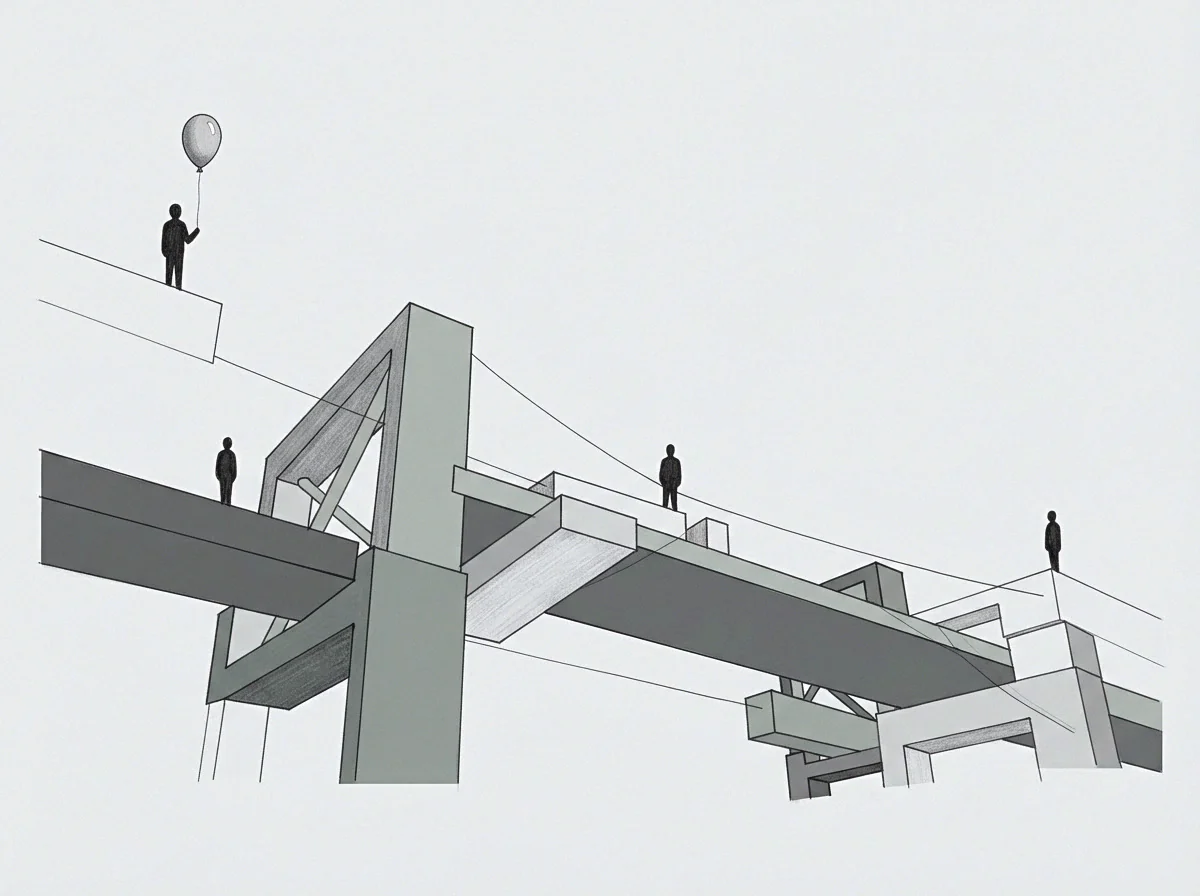
Skin
Dermal tissue functions as the primary physical boundary between internal physiological state and external environmental pressure. In individuals experiencing sustained strain, cutaneous circulation shifts dramatically through chronic peripheral vasoconstriction. Cold extremities and reduced skin surface temperature reflect elevated sympathetic vascular tone.
When physical contact occurs across this altered physiological barrier, mechanical compression of skin tissue activates localized mechanoreceptors that send high-frequency afferent bursts straight to the spinal cord.
The cutaneous layer becomes hyper-sensitized under high allostatic strain. Cortisol and inflammatory cytokines alter peripheral receptor thresholds, causing standard tactile pressure to feel unusually intense or intrusive. A light touch that normally registers as soft can feel hyper-acute or irritating to an individual whose sensory processing channels operate at maximum throughput.
The physical surface of the body becomes a guarded perimeter rather than an open organ of coregulation.
A hand resting quietly on a shoulder during acute operational pressure feels heavier than a fifty-pound pack.
This somatic state generates predictable somatic failure modes during routine physical interactions. Strained individuals exhibit consistent pattern shifts in how their peripheral nervous system processes touch across personal and professional environments.
- Tactile startle reflex manifests as an immediate, involuntary shoulder shrug or muscular contraction when unexpected hand contact occurs.
- Sensory overload gating causes gentle pressure to register as intense local discomfort, prompting an urgent physical need to create spatial clearance.
- Relational demand misattribution interprets warm touch as an incoming request for attention, emotional availability, or decision capacity.
Tactile Neuroception Under Chronic Allostatic Load
Neuroception operates beneath conscious awareness, evaluating sensory input to determine whether an environment is safe, dangerous, or life-threatening. Under normal conditions, neuroception uses context to interpret physical proximity: a hand placed on the back inside a familiar home registers as safe, triggering parasympathetic activation. In long-term high strain states, neuroception becomes skewed toward false-positive threat detection, leading the insular cortex to process tactile input through defensive frames.
When threat detection systems run continuously, the neuroception of touch bypasses conscious relational knowledge. An individual may know cognitively that their partner is safe, loving, and non-threatening, yet their brainstem and spinal circuits react to physical contact based strictly on immediate physiological bandwidth. If the nervous system lacks the metabolic headroom required to process sensory input without losing internal equilibrium, neuroception categorizes the touch as an intrusive disruption.
The somatic response follows autonomic reality rather than cognitive logic.
Somatic Vigilance and Motor Readiness
Chronic strain keeps the motor system in a persistent state of low-grade preparation for action. Subcortical motor structures maintain tone in large skeletal muscles, readying the body to fight, flee, or brace. Gentle physical touch interferes with this motor readiness by imposing an external mechanical force on a system held under structural tension.
The muscle groups underlying the point of contact contract reflexively to resist the external impression.
This muscular resistance manifests as physical rigidity. When a partner attempts to hug or hold a strained individual, the strained person’s spine locks, the thoracic cage restricts breathing depth, and the limbs remain rigid. The motor system cannot disarm its bracing pattern because the brain perceives bracing as necessary for structural integrity.
Releasing muscle tone requires a sense of environmental safety that long-term strain systematically destroys. The failure to relax under physical touch results directly from autonomic motor gating optimized for survival, leading inevitably to relational isolation and accelerated somatic fatigue.
Deficit
Internal capacity determines whether an individual can absorb external sensory input without losing physiological organization. In high-strain states, the central nervous system operates at or near total resource exhaustion. Energy allocation prioritizes vital organ maintenance, cognitive problem-solving, and continuous threat monitoring, while the metabolic headroom required for somatic coregulation vanishes.
Coregulation is an active neurological process, not a passive absorption of someone else’s calm. To coregulate through touch, a receiving nervous system must adjust its internal autonomic balance to match the calmer rhythm of the touching person—a process demanding neural energy, vagal regulation, and complex sensory processing. When an individual suffers from chronic regulatory strain, they lack the metabolic resources to execute this physiological synchronization, and attempting to force synchronization through unwanted touch exacerbates the physiological drain.
Sustained allostatic overload converts peripheral tactile input into an immediate calculation of cognitive debt.
The difference between healthy coregulative processing and defensive high-strain processing illustrates how physiological capacity alters perception of identical physical events.
| Evaluation Criterion | Coregulative Baseline Processing | Saturated Hypervigilant Processing |
|---|---|---|
| Primary Autonomic Channel | Ventral vagal parasympathetic pathway | Sympathetic trunk or dorsal vagal freeze |
| Cutaneous Afferent Routing | Slow C-tactile fibers to posterior insula | Fast A-beta fibers to somatosensory cortex |
| Central Amygdala Reaction | Inhibited by insular coregulation signals | Activated by sudden spatial intrusion |
| Somatic Muscle Response | Reflexive muscular softening and leaning in | Involuntary postural stiffening and recoil |
| Net Metabolic Impact | Reduces central energy expenditure | Consumes additional regulatory capacity |
The Saturated Regulatory Economy
Every nervous system operates on a finite energy budget. Self-regulation alone is the expensive mode, requiring continuous cortical oversight to suppress impulses and manage stress responses. Proximity to a reliable partner normally provides cheap regulation, as the brain uses the partner’s physiological stability to offset its own costs.
In high-strain individuals, this economy breaks down entirely when receptor mechanisms designed to collect borrowed calm go offline or distort incoming signals.
When regulatory capacity is in extreme deficit, incoming touch imposes a demand the system cannot meet. The strained individual cannot clear the sensory demand because internal reserves sit at zero. Receptor sensitivity changes under chronic stress as the brain calculates metabolic capacity continuously.
If the cost of opening sensory channels exceeds current capacity, the brain initiates defensive shutdown or active avoidance behaviors to protect its remaining operational bandwidth.
Baseline Differences in Contact Processing
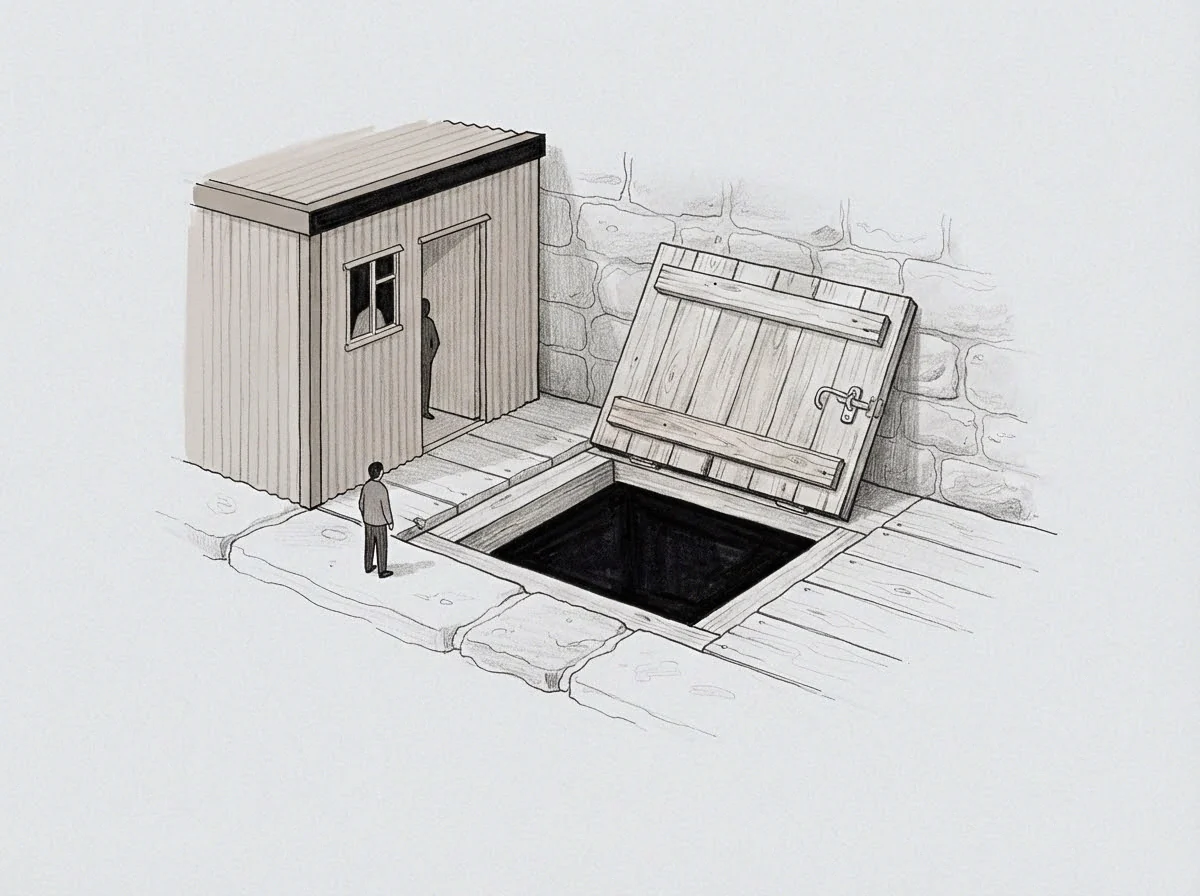
The divergence in how physical contact is processed leads to profound misunderstandings between partners. The person offering contact operates from a baseline where touch serves as an immediate, effortless relief mechanism, extending a hand to diffuse tension and offer warmth under the assumption that physical touch is a universal sign of safety that costs nothing to receive.
The strained individual receives that same gesture through a completely different physiological medium. To them, the hand represents an incoming demand requiring immediate processing, spatial realignment, and relational reciprocity while operating under critical resource exhaustion. The gesture intended to soothe registers as sensory overload, leaving the partner feeling discarded while the recipient remains physically guarded.
Recoil
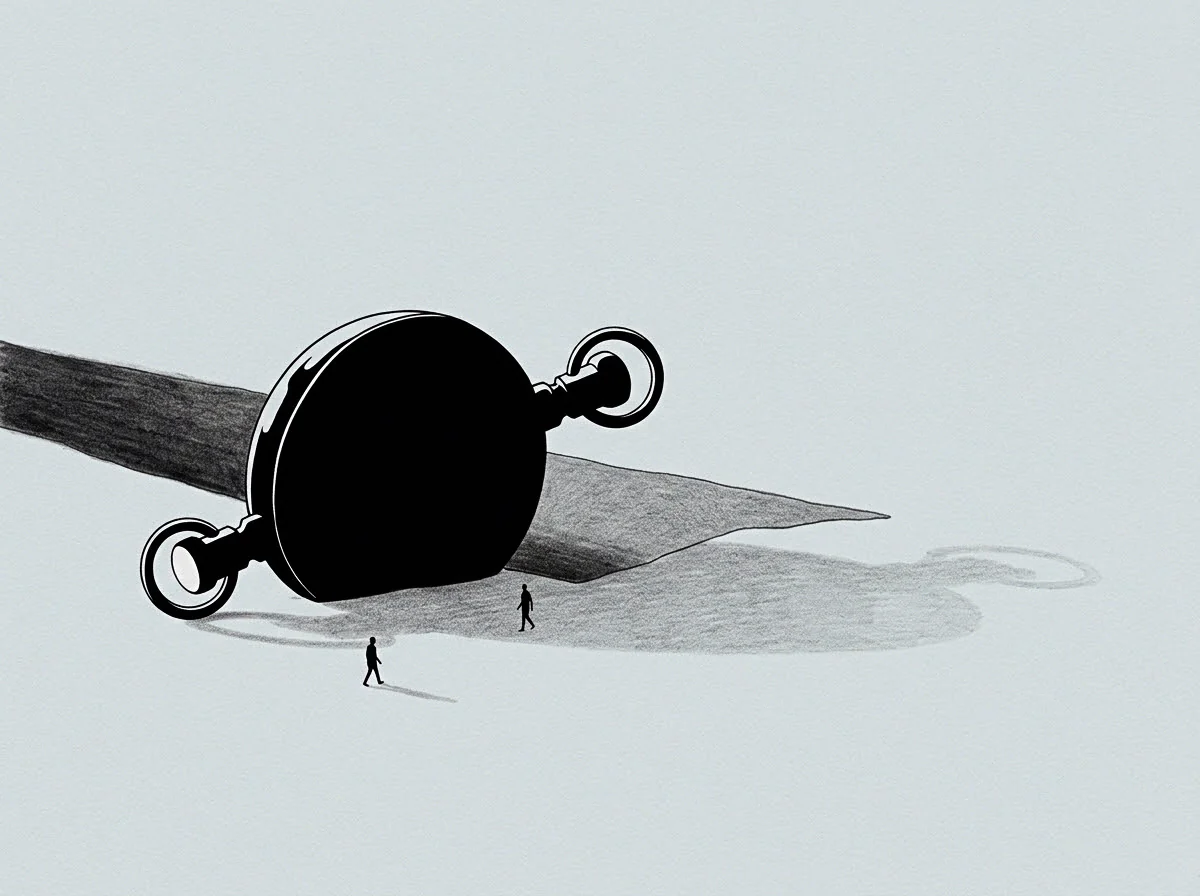
Physical retraction following contact is a subcortical motor response that occurs before conscious awareness can intervene. The brainstem commands defensive motor patterns within milliseconds of a sensory trigger. When physical touch strikes a hypervigilant cutaneous zone, the spinal cord mediates a reflex arc that pulls the body away from the point of contact.
This retraction pattern operates as an autonomic defense mechanism designed to protect the organism from physical breach. In chronic strain, the threshold for triggering this reflex drops drastically. The individual recoils not because they dislike the person touching them, but because their autonomic nervous system evaluates unexpected physical contact as a sudden spatial encroachment.
The physical step back or sudden lean away happens automatically, driven by motor execution circuits that prioritize boundary integrity over social cohesion.
The physical sequence of tactile recoil follows a clear mechanical progression when strain levels exceed central coping capacity.
- Peripheral mechanoreceptors detect unexpected thermal and mechanical pressure on the body surface.
- Saturated central autonomic pathways evaluate the input as an unannounced spatial intrusion.
- Motor cortex initiates immediate micro-withdrawals, stiffening posture or leaning away within milliseconds.
- The touching party registers the somatic rigidity and interprets the reaction as emotional rejection.
- The high-strain individual senses the partner’s distress, adding social repair obligations to an already exhausted regulatory budget.
Cascading Physical Withdrawal Mechanisms
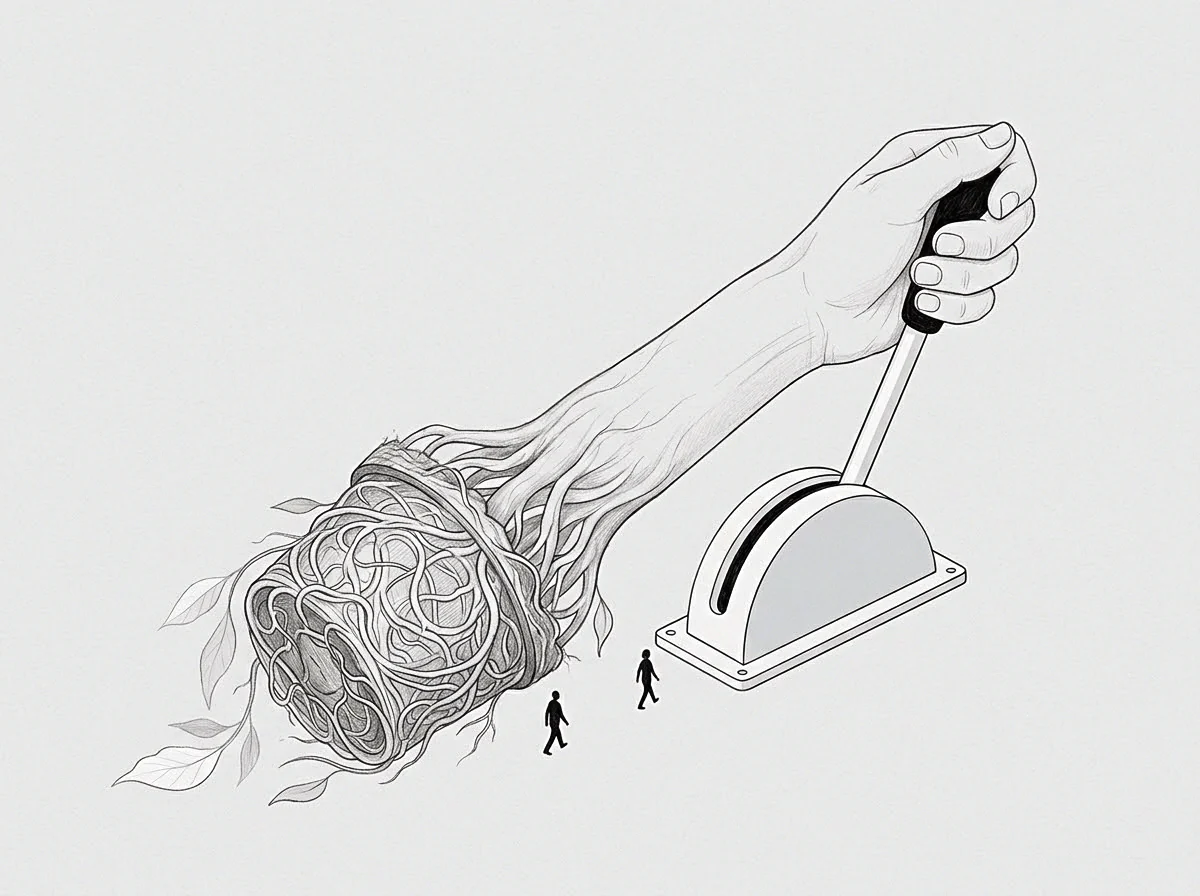
Following the initial physical recoil, a second wave of physiological shifts reverberates through the body. Sympathetic activation surges as the individual realizes their visceral reaction has created relational friction. The cardiovascular system accelerates, skin temperature drops further, and breathing becomes shallow and thoracic.
The strain of managing the initial sensory intrusion is immediately compounded by the strain of managing the partner’s emotional response.
This cascade reinforces the nervous system’s association between physical touch and high metabolic cost. Each instance of touch followed by recoil and subsequent relational tension teaches the sensory cortex that physical closeness leads directly to energetic depletion and social friction. Over time, the brain develops anticipatory avoidance mechanisms.
The individual learns to maintain physical distance, tilt the body away when sitting near others, or cross arms defensively to prevent unannounced contact from occurring in the first place.
The Behavioral Loop of Perceptual Misalignment
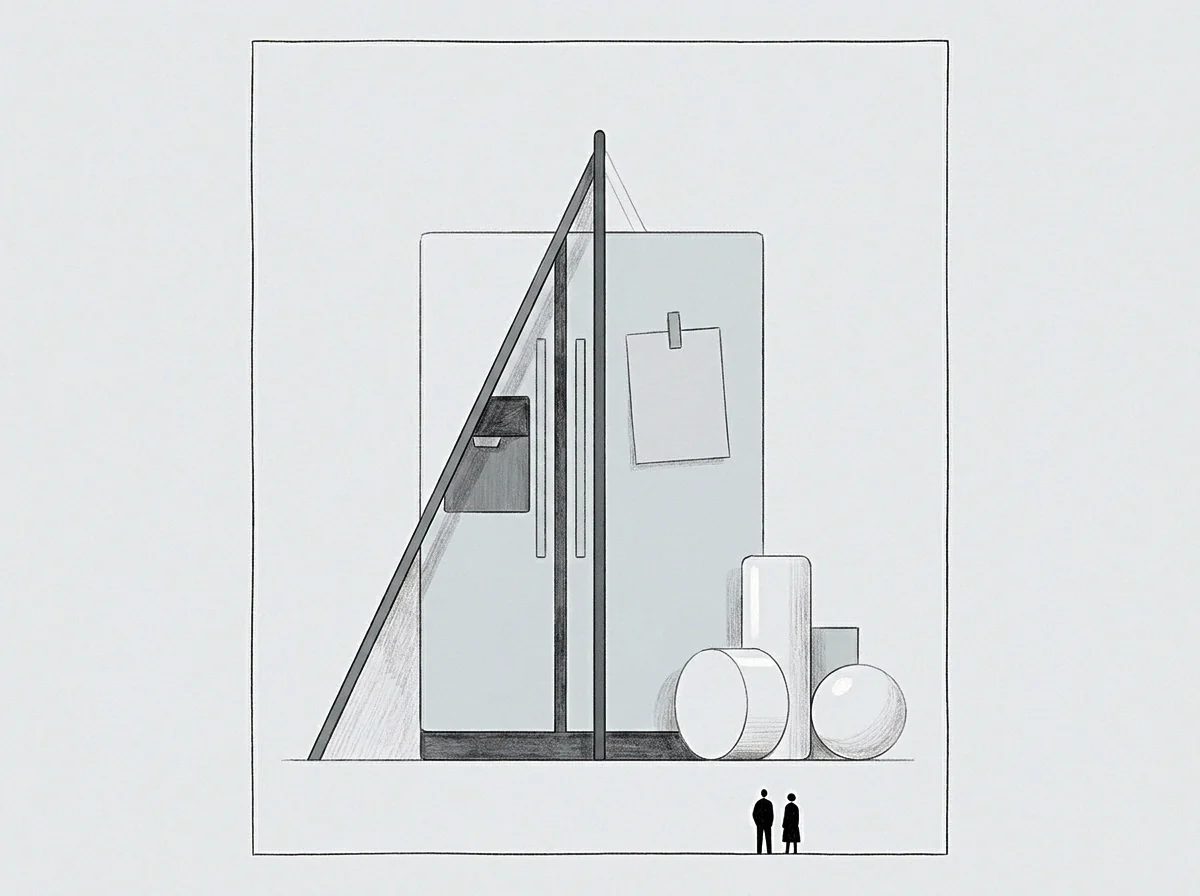
The behavioral loop created by tactile recoil deepens relational distance rapidly. As the strained individual demonstrates consistent physical stiffness or withdrawal, the partner often increases their efforts to establish contact, believing that more closeness is needed to reassure the strained person. The partner reaches out more frequently, touches without warning, or attempts prolonged physical embraces to force a breakthrough in coregulation.
This increased physical persistence escalates the threat load on the strained individual’s saturated sensory channels. The extra touch inputs arrive while internal capacity remains depleted, triggering sharper recoil reactions and intensified autonomic startle. The relationship enters a closed loop where touch acts as a trigger for defensive escalation rather than a bridge for coregulation.
The open question remains whether a nervous system trapped in this cycle can restore normal sensory processing while operating under uninterrupted operational strain.
Recalibration
Restoring a functional physical contact baseline in long-term high strain individuals requires changing the autonomic conditions under which touch occurs. Cognitive understanding of the mechanism changes nothing on the physical skin surface. The sensory cortex updates its gating models exclusively through repeated, actual physical experiences that carry zero operational demand or relational expectation.
The fundamental requirement for somatic recalibration is complete predictability. The strained nervous system must know in advance exact details regarding when, where, and how physical touch will occur. Unannounced touch, regardless of how gentle or well-intentioned, will repeatedly trigger defensive mechanoreceptor loops as long as internal allostatic load remains high.
Predictable contact allows the subcortical threat detection apparatus to disarm its startle reflexes before physical skin contact takes place.
Non-demanding tactile contact updates a defensive somatic template only when proximity carries zero expectation of response.
Establishing predictable contact protocols involves shifting physical interactions from expressive or affectionate gestures into low-demand somatic grounding anchors. Contact must be designed so that the receiving individual is not expected to move, talk, reciprocate, or alter their physiological state. The touch must be purely passive, grounded, and structurally stable, such as resting a stationary, heavy hand on a major skeletal joint like the upper back or shoulder without rubbing, caressing, or moving.
Non-Demanding Proximity and Sensory Safety
Non-demanding physical proximity allows the brain to experience physical closeness without triggering task performance anxiety. When two bodies sit adjacent to each other with shoulder-to-shoulder or hip-to-hip contact without eye contact or conversational demands, the slow C-tactile channels receive steady, predictable mechanical input. Because the contact involves no movement or active engagement, the fast A-beta threat pathways remain quiescent.
Over sustained sessions, this flat, static physical touch allows the posterior insular cortex to re-index physical contact as a neutral or metabolic-saving input. The brain observes that touch occurred without an accompanying demand for emotional energy, social performance, or sudden motor realignment. As this non-demanding pattern repeats over weeks, autonomic gating gradually shifts, allowing the thalamus to route slow affective touch signals pass through to coregulative processing structures and expanding the individual’s sensory tolerance window.
Updating the Tactile Working Model
Updating an ingrained somatic template takes time and structured repetition across low-strain windows. Earned security in the physical domain occurs when the nervous system builds a second, alternative sensory model alongside its historic defensive bracing patterns. The high-strain individual learns to recognize the early physical signs of sensory overload and states their spatial limit clearly before physical recoil occurs.
When partners align on non-demanding touch principles, physical contact gradually loses its identity as an operational hazard. The individual learns to accept micro-doses of grounded contact, slowly rebuilding the receptor infrastructure needed to receive coregulation from another human body. Somatic recalibration succeeds when low-demand physical contact reliably yields lower heart rates and reduced sympathetic tone, establishing a sustainable rule that tactile touch must remain completely demand-free until internal regulatory headroom is fully restored.