Meaning
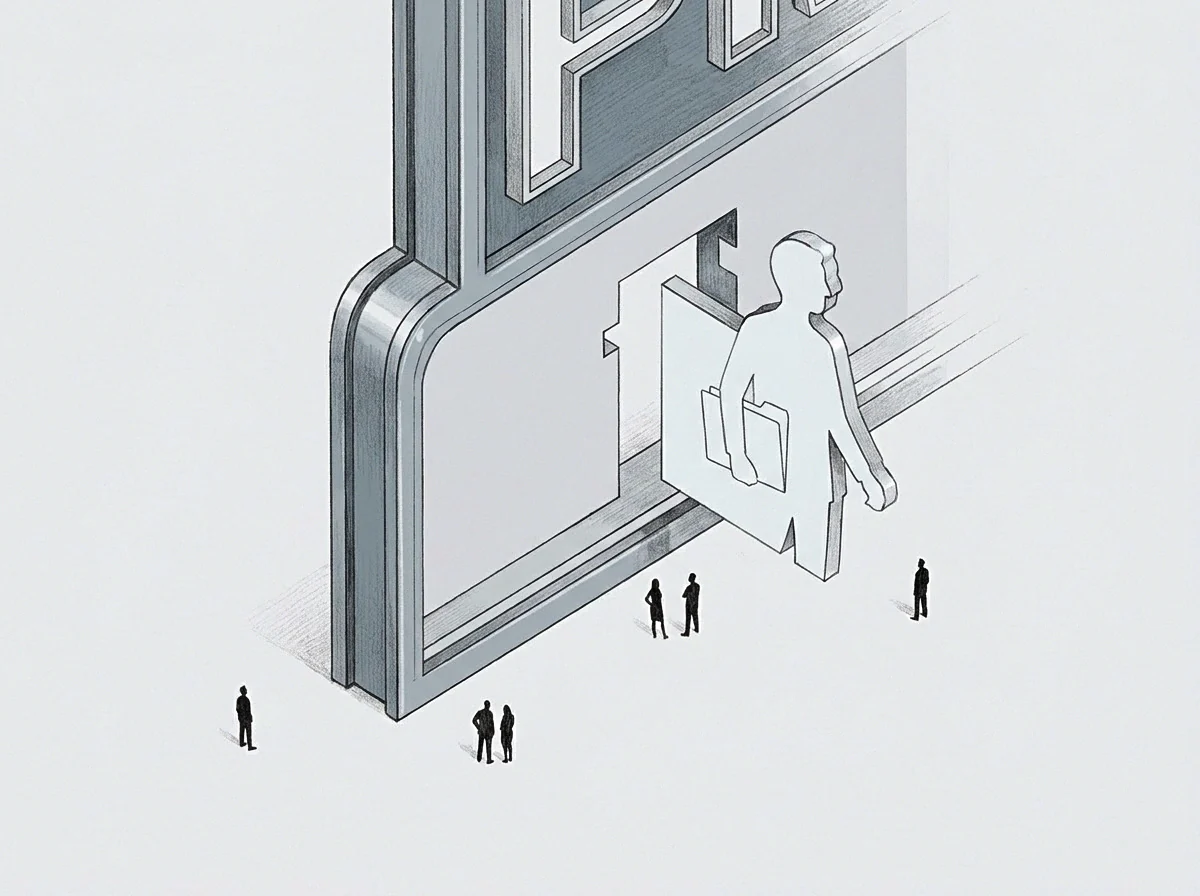
Clauses that permit a company to reclaim bonuses or incentives if certain financial targets were not actually met or if professional misconduct is discovered later act as a post-payment risk management tool. Operation of a performance clawback happens years after the initial payment if an audit reveals that the original data was inaccurate. The provision applies to cash bonuses, stock options and other forms of variable compensation given to high-level executives.
It stops being enforceable after a set period, often three to five years, known as the look-back window.
Economic Reversal
Recovering funds from a former executive requires a clear link between the mistake in the financial records and the amount of the bonus paid. This process often involves a forensic audit and a formal demand for the return of the specific assets. If the person has already spent the money, the company may seek a lien against other assets or a deduction from future payments.
Asset Retrieval
Managing the risk of a clawback costs the person a portion of their mental energy even after they have left the firm. This load is the inability to fully commit the funds to new investments or personal expenses until the look-back period has expired. The person must maintain records of how the original performance targets were met to defend against future claims.
Recovery Ceiling
Limits on the total amount that can be reclaimed protect the individual from financial ruin due to an honest error in accounting. These boundaries are set during the initial contract negotiation and often exclude payments that were not tied to the specific metric being corrected. Once the ceiling is reached, the company cannot pursue additional funds for that specific incident.