Meaning
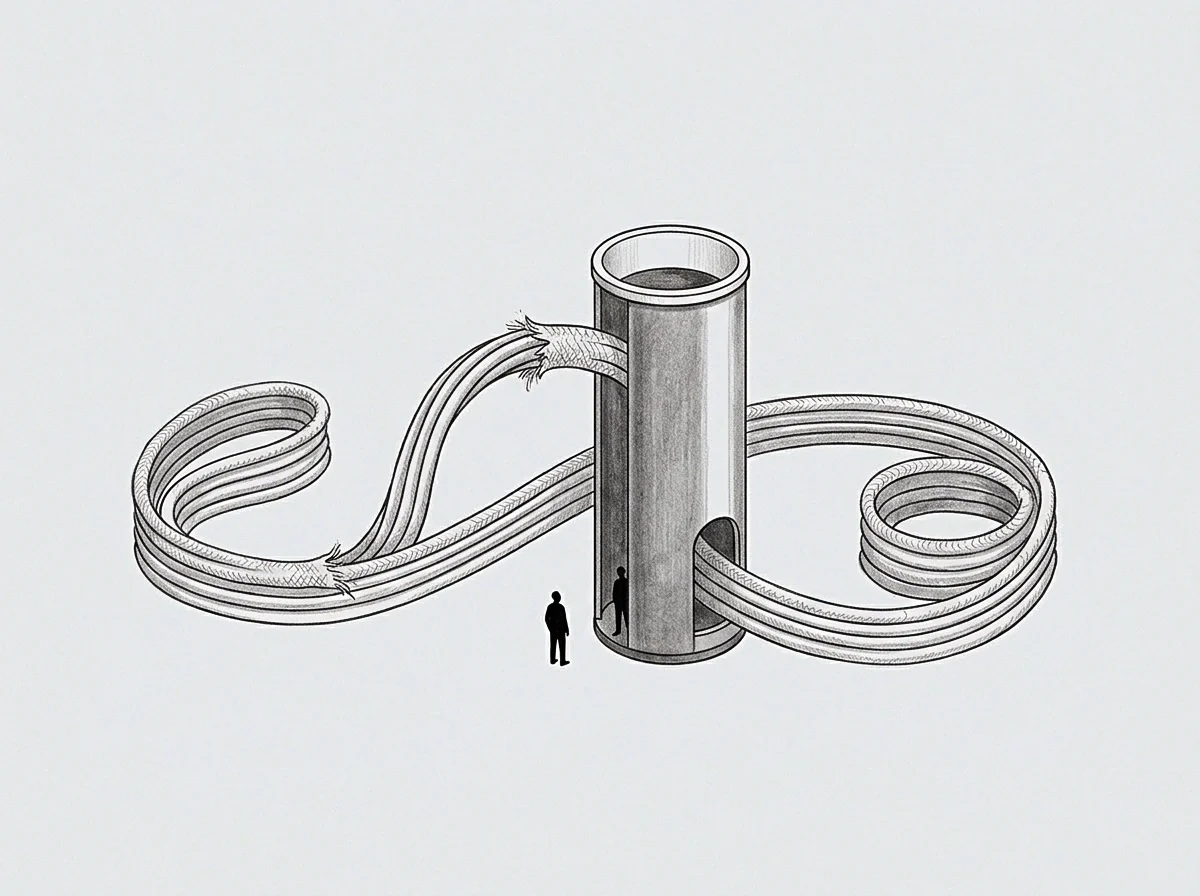
A protective mechanism functions as an automatic pause in trading or operations when specific risk thresholds are exceeded to prevent a systemic collapse. The circuit breaker halts activity for a predetermined duration to allow participants to process information and recalibrate their positions. It acts as a safety valve in complex systems where feedback loops can lead to rapid, irrational escalation or depletion.
This standard is applied in financial markets and automated technical systems to maintain order during periods of extreme stress.
Systemic Stabilization
Halting the flow of transactions provides a necessary window for human intervention. A circuit breaker prevents a technical glitch or a panic sell off from cascading through the entire structure. The pause allows the system to return to a state where information can be accurately priced again.
Operational Latency
Delaying activity introduces a temporary loss of liquidity and access. This cost in time and opportunity is the price paid for ensuring the long term survival of the infrastructure. Practitioners accept this friction as a trade off for stability.
Threshold Boundary
Triggers are typically set at fixed percentages of decline or specific rates of resource depletion. If the volatility remains within these bounds, the mechanism remains dormant. The limit ensures that the intervention only occurs during genuine emergencies.