Meaning
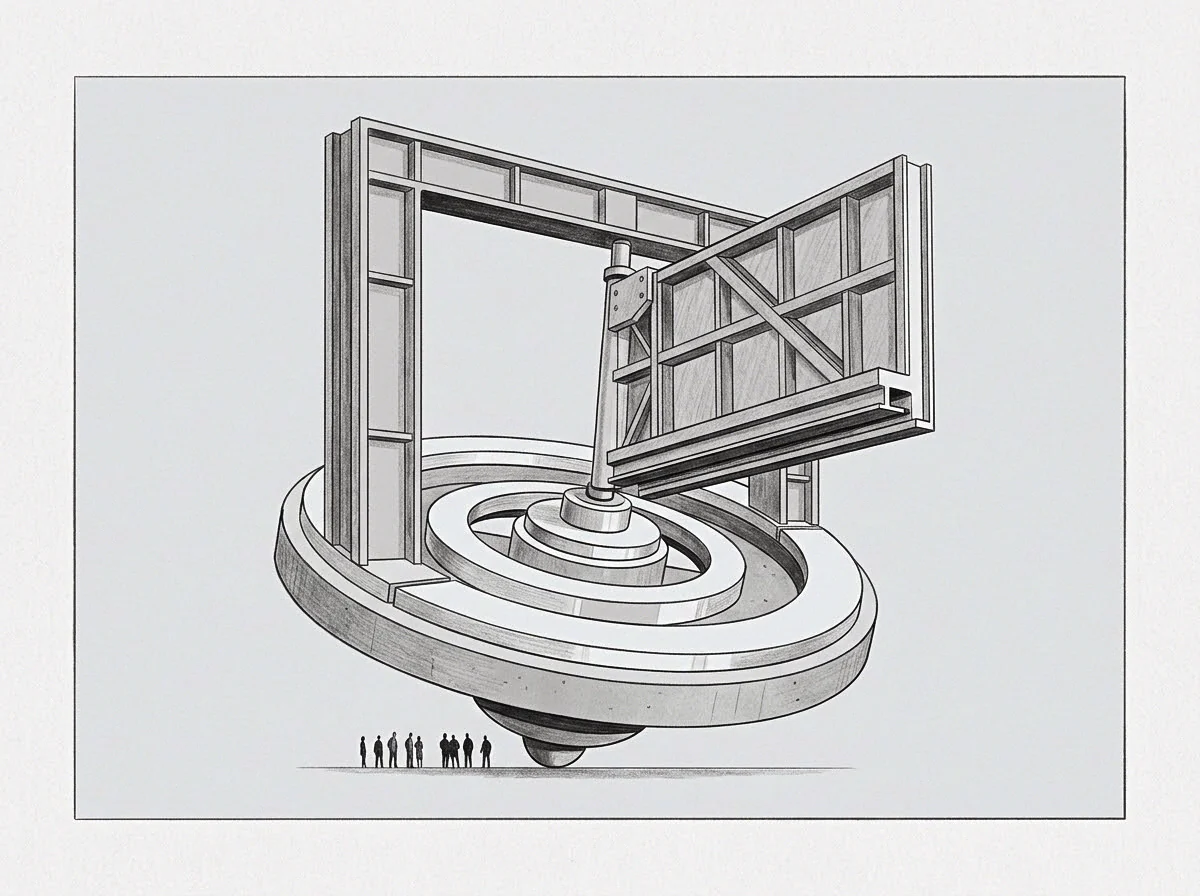
Available neural capacity in the executive centers of the brain determines the ability to process complex information while under stress. Maintaining prefrontal headroom is necessary for a founder who must make high stakes decisions without the clouding effect of emotional reactivity. It is the gap between the current mental load and the total capacity of the system.
Executive Space
Executive space allows for the consideration of multiple variables and the prediction of future outcomes. When the headroom is consumed by fatigue or fear, the person reverts to habitual responses and simplistic thinking. Keeping this space open requires the intentional management of stress and the delegation of routine decisions.
Cognitive Reserve
A large reserve acts as a buffer against the unexpected. If a crisis hits when the headroom is already at zero, the result is a total collapse of effective leadership. Building this reserve involves regular periods of disconnection and the practice of focus-enhancing activities.
Decision Quality
The quality of a decision is directly linked to the amount of headroom available at the time it was made. A brain with ample space can spot contradictions and synthesize new ideas. Strategic work yields better results when the founder is fresh rather than at the end of a long day.