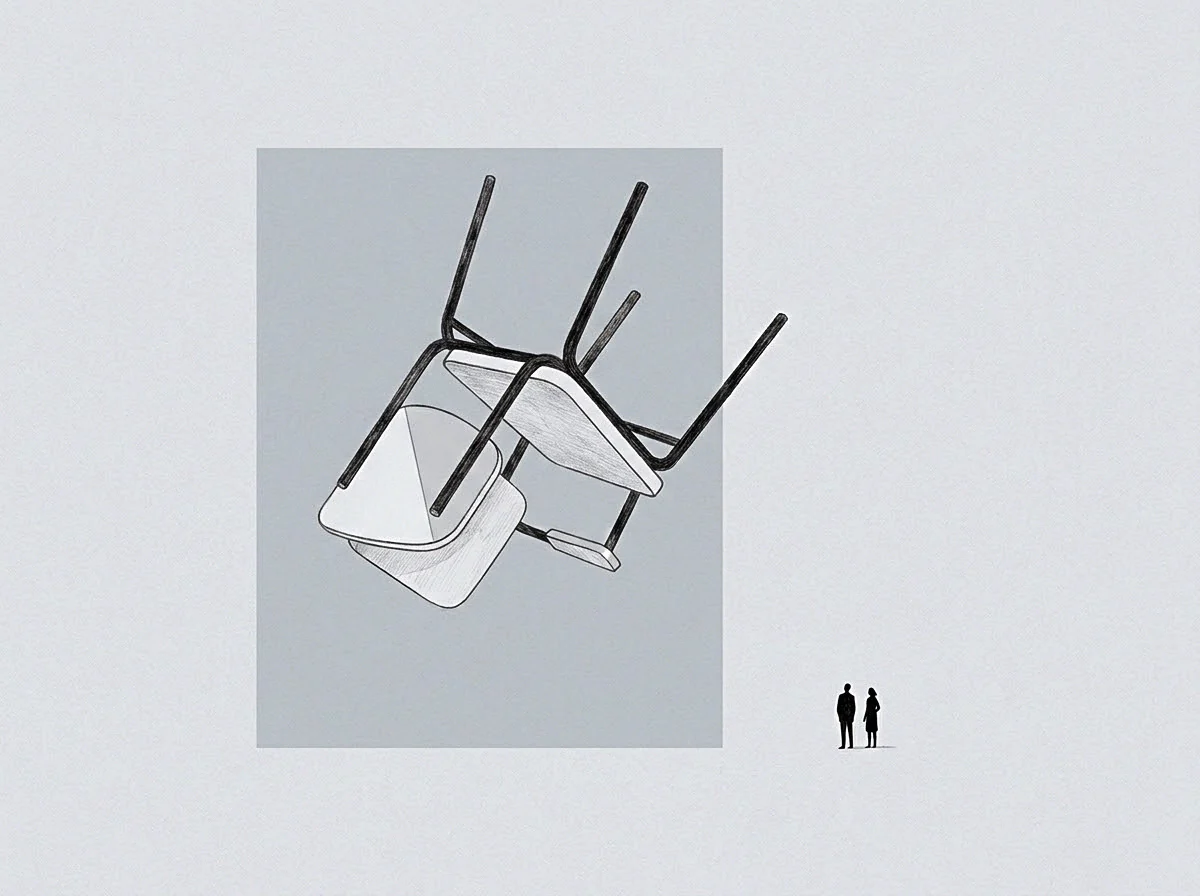
Meaning
Targeted actions intended to restore a process to its baseline performance levels provide a way to manage systemic drift. A service intervention occurs when a founder steps back into a delegated process to address a specific failure or bottleneck. It represents a temporary suspension of the normal operating mode to prevent a total collapse of the service level.
Correction Mechanism
Identifying the gap between the stated limit and actual performance triggers the need for a manual override. During a service intervention, resources are redirected from growth toward stabilization to ensure the foundation remains secure. This move prioritizes the health of the system over its expansion.
Capacity Drain
Stepping into a process disrupts the flow of existing work and consumes the limited hours of the person providing the fix. The frequency of service intervention is an indicator of how much the current system relies on manual effort rather than automated rules. It subtracts from the founder’s ability to focus on high level strategy.
Each event requires a reset of the priority list for that day.
Recovery State
Reverting to the standard protocol occurs once the metrics return to the acceptable range. Success in service intervention is defined by how quickly the founder can return to a passive oversight role. The goal is to repair the mechanism so the intervention does not become a permanent requirement.