
How Social Baseline Theory Explains Leadership Load Distribution in Teams
Social baseline theory shows human brains treat proximate reliable state as energy savings, concentrating operational strain onto whoever remains regulated.
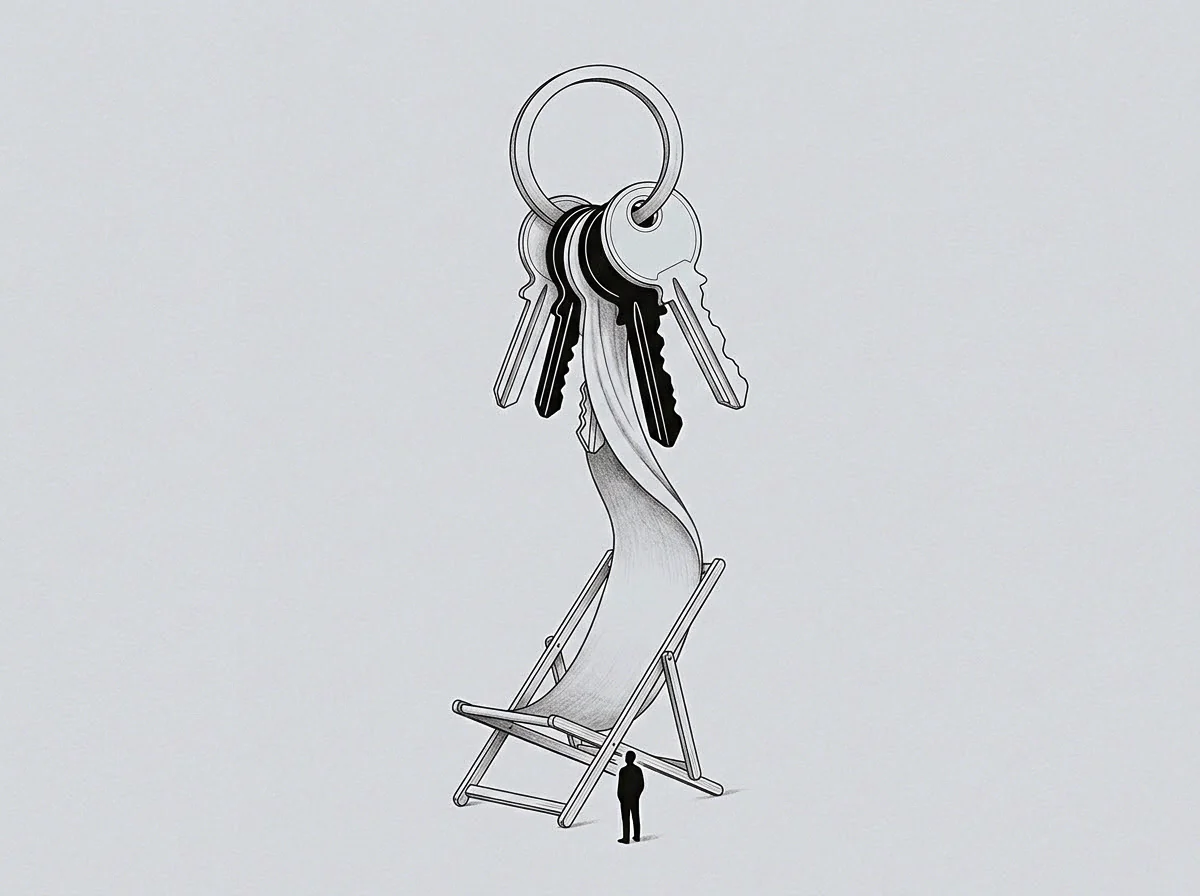
Calm
Four escalation messages arrive in parallel on a Tuesday night while the founder reviews financial projections. The head of engineering reports an unhandled database outage, the sales director flags renegotiation risk on a primary customer contract, and two product leads dispute feature priorities for the next release cycle. None of these issues originate in the executive office, but every thread sits in the same inbox waiting for a call.
Meanwhile, the executive team works through weekly tasks with steady composure. The group looks calm because the central seat absorbs the metabolic expense of keeping them there.
Social baseline theory indicates that the human brain does not treat self-regulation as a default solitary state. Research in affective neuroscience shows that mammalian nervous systems budget energy on the assumption that reliable peers are nearby to distribute environmental loads. When an operator perceives stable human presence, the brain scales down its vigilance and metabolic spend.
Predictable behaviour becomes an external regulatory asset. In an operational context, an executive who maintains emotional consistency functions as an environmental baseline for the organization, allowing team members to conserve regulatory resources by anchoring to that presence.
Solo regulation is an expensive operating mode. Maintaining physiological stability through corporate ambiguity requires continuous glucose uptake, heavy prefrontal cortical activity, and sustained autonomic suppression. When a leader provides a steady reference point, staff borrow that stability to damp their own threat responses.
Individual operators spend less physiological capacity tracking organizational hazards because the leader’s composure signals manageable terrain. This borrowed stability registers internally as personal calm, hiding the direction of the energy transfer and leaving the cost to the central regulator unpriced.
Energy conservation shapes neural architecture across operating environments. The brain routinely looks to offload threat calculations to trusted external structures. In early human groups, physical proximity to peers reduced individual perimeter scanning.
In modern enterprise settings, direct access to a calm authority performs identical neural work. The organizational hierarchy becomes an efficiency network where stability flows upward and regulatory load gathers at the center.
When executive seats maintain consistent physiological stability under operational strain, surrounding team members reduce their own vigilance expenditure by offloading threat monitoring onto the central office.
This dynamic shifts the distribution of organizational strain. Work rarely divides along formal org charts or job descriptions; it follows the path of lowest regulatory resistance, pooling wherever emotional stability remains predictable under pressure. An executive who absorbs operational volatility attracts escalating decisions because contact with that seat lowers the sender’s acute stress.
Routing decisions upward lets the subordinate return to a low-cost baseline while the central seat assumes both the administrative and biological load.
When a leadership team treats one person’s steadiness as an inexhaustible resource, the central seat accumulates allostatic strain until capacity fails and operations halt.
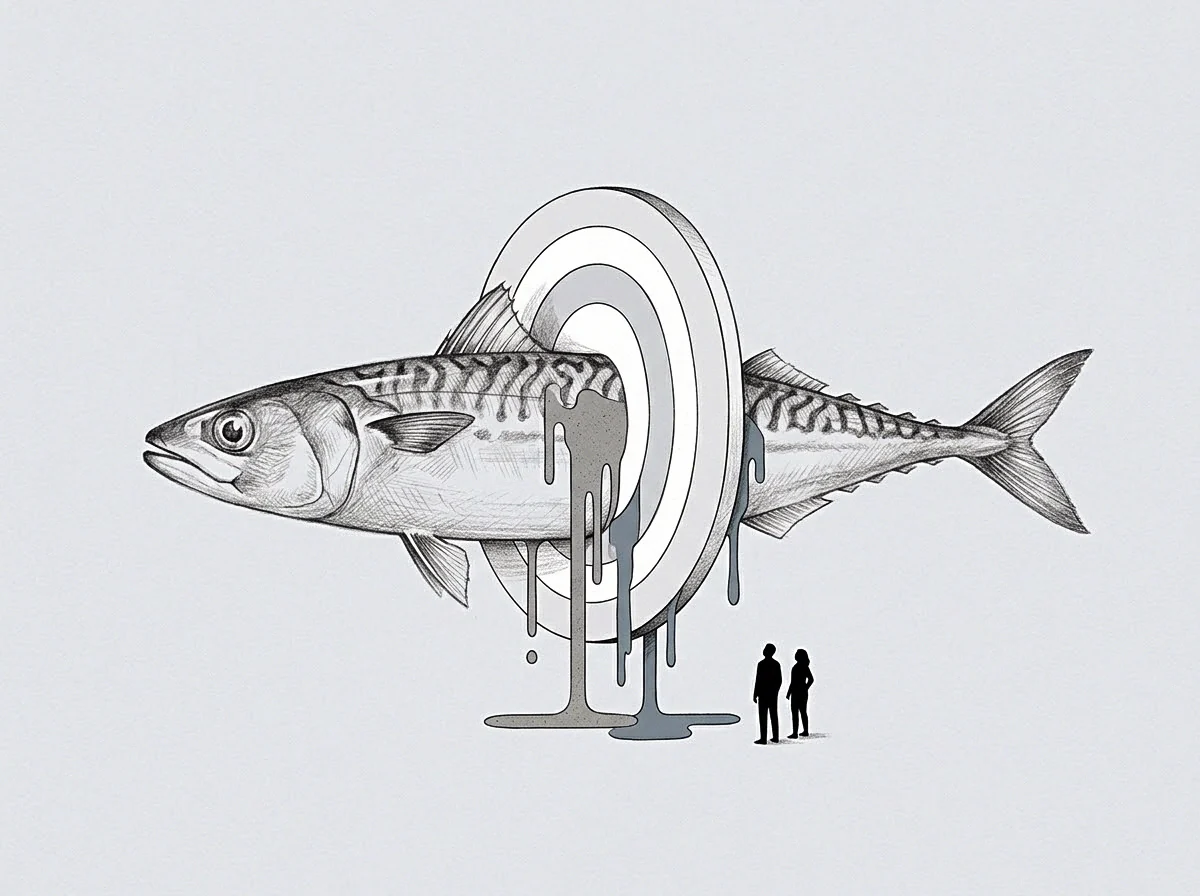
Beam
Structural support in organizations has definite load limits. In a business operating across three product lines where two senior vice presidents hold equal operational authority, one leader reacts to budget variances with visible autonomic arousal: higher vocal pitch, urgent off-hours messages, and demands for immediate pivots. The second leader handles identical variances with an even tone, deliberate cadence, and systematic inquiry.
Over six months, middle managers alter their routing without formal instruction. High-variance operational risks move to the desk of the second leader, while routine, low-risk administrative updates go to the first. The team reorganizes its decision paths around the physiological capacity of individual seats.
Regulatory capacity acts as a structural magnet for operational load. An operator experiencing internal threat signals seeks proximity to a lower-variance nervous system to calm internal alarm responses. The physical or digital presence of an unruffled authority lowers baseline cortisol production and stabilizes heart rate variability across staff.
As a result, the leader who stays steady under pressure sees incoming message volume expand. Team members reach out not just for technical direction, but to regain autonomic balance through co-regulation.
The metabolic cost per decision depends directly on system architecture. In a centralized baseline model, the core regulator absorbs all external disturbance to keep surrounding nodes stable. In a distributed model, regulatory capacity exists across multiple peer nodes, letting local units handle operational variance without pushing the strain inward.
| System Parameter | Centralized Baseline Architecture | Distributed Baseline Architecture |
|---|---|---|
| Individual Metabolic Expenditure | Concentrated in single leadership seat during crisis events | Shared across executive peers through horizontal co-regulation |
| Escalation Latency | Low latency as teams immediately pass unstructured strain upward | Moderate latency while local units process operational variance |
| Structural Point of Failure | Single point of failure at the central regulator slot | Redundant regulatory capacity across multiple executive seats |
| Signal Amplitude under Threat | High volatility when the central regulator reaches saturation | Damped volatility through peer attenuation circuits |
Load concentration creates systemic vulnerability. When a single seat carries the full co-regulatory burden for an executive team, company capacity couples tightly to that person’s immediate allostatic state. Allostatic load measures the cumulative physical wear resulting from ongoing adaptation to chronic stress.
As the central regulator nears saturation, minor additions in operational complexity cause disproportionate disruption. The organization stalls when the central seat runs out of regulatory reserve, because surrounding staff have fallen out of practice with managing baseline operational threat locally.
An operational escalation routes toward whichever person demonstrates the lowest physiological variance during crisis.
Changes in proximity alter the rate of load transfer. Physical distance, delayed communication protocols, and structured escalation gates introduce regulatory friction, requiring local teams to process threat signals independently. When direct access to the central baseline is restricted, local operators must spend their own metabolic energy to steady themselves.
This increases local energy expenditure but preserves central system capacity for broader operational demands.
The executive team operated with steady confidence throughout the expansion because the central office intercepted every shock before it reached the board.
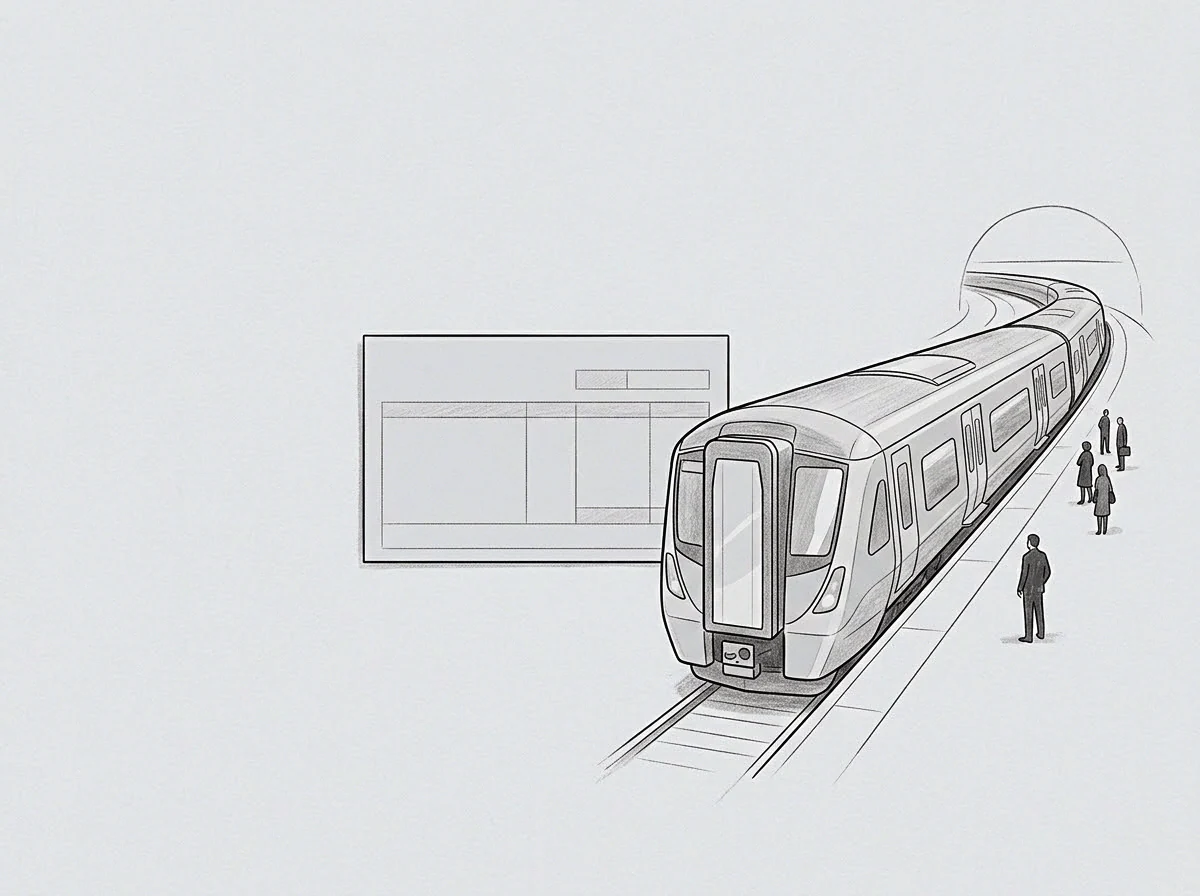
Relay
Signal transfer within leadership teams follows clear mechanical steps. When volatility rises, message frequency accelerates across chat platforms and email threads. Each message represents an unresolved operational variance seeking a stable resolution node.
Proximity to a reliable baseline quickens this transmission, encouraging operators to hand off unfinished issues early rather than spending local effort to work through them.
Unmanaged load consolidation follows a distinct sequence within high-growth organizations.
- An operational disturbance introduces metabolic strain across executive channels.
- Individual operators evaluate internal energy reserves against immediate threat demands.
- Uncertainty triggers an automated search for a proximate, regulated counterparty.
- The central leader absorbs decision friction to maintain external operational cadence.
- Surrounding team members register lowered threat levels and resume baseline tasks.
Capacity looks like unlimited availability when boundaries are left unstated. An executive who routinely accepts incoming strain without friction signals that regulatory capacity has no ceiling. The organization acts on that signal, widening the scope of problems passed upward.
Operational noise fills the open space until it hits a hard physical or procedural limit.
Is Borrowed Stability Sustainable Across Scale?
Scale breaks centralized co-regulation arrangements. As an organization grows from twenty to two hundred personnel, the volume of threat signals scales exponentially while individual brain capacity remains fixed. A central regulator cannot physically or biologically co-regulate dozens of distinct operational nodes at once.
Attempting it leads directly to operational bottlenecks, rising communication latency, and executive exhaustion.
A leader operating without a stated limit converts personal regulatory headroom into organizational debt.
Horizontal co-regulation provides the practical path to scale. Executive peers need working co-regulatory loops among themselves so regulation occurs laterally rather than solely through vertical escalation. When peers steady one another during routine friction, central leadership capacity remains free for structural strategy and existential risks.
A clear availability boundary alters system dynamics immediately, shifting routine strain back to local decision nodes and preserving central headroom for genuine systemic crises.

Deficit
The central regulator pays for organizational calm with biological reserves. Absorbing third-party operational strain without reciprocal support creates an acute internal deficit. Over time, the central seat develops elevated default autonomic tone, marked by higher resting heart rates, disrupted sleep, and suppressed immune function.
The biological system tries to conserve energy through withdrawal, which performance evaluations frequently misread as disinterest or detachment.
A distinct structural failure occurs when an individual internalizes an inverted regulatory pattern. During early professional development or founding conditions, some operators build working models where self-maintenance is tied entirely to supporting surrounding systems. They regulate others as their primary route to safety, leaving no internal capacity to accept support from peers.
When a colleague offers direct assistance or presence, the inverted pattern treats the offer as an anomaly or another task to manage, rejecting the incoming co-regulatory signal entirely.
Unmapped co-regulation dynamics introduce specific structural failure modes into executive teams.
- Vigilance hyper-accumulation occurs when an executive monitors team stability without cycling off active duty.
- Receptor slot atrophy leaves a leader unable to process incoming operational support from peers.
- Symptomatic misalignment occurs when baseline exhaustion mimics clinical affective disorders in performance evaluations.
Distinguishing baseline depletion from clinical depression requires precise physiological tracking. Burnout is a metabolic and autonomic depletion brought on by chronic unbuffered expenditure under stress. Clinical depression involves separate affective and cognitive shifts.
Treating structural regulatory depletion with standard motivational or clinical framing fails because the root cause is an unpriced transfer of physiological energy across the enterprise.
The person who regulates the room retains no internal slot to receive regulation from others.
A missing receptor slot distorts delegation. An executive who cannot take in peer support struggles to grant real operational autonomy. Delegation demands tolerating temporary environmental variance and heightened threat signals while local operators adapt to new responsibilities.
If the central leader cannot absorb that temporary variance due to depleted reserves, they step back into local operations, reclaiming delegated tasks and reinforcing the centralized load pattern.
It remains an open question how many operational cycles a senior leader can sustain without an operational receptor slot before physical exhaustion impairs decision quality.
Revision
Updating an internal regulatory template takes direct physical experience, not analytical insight. Intellectual understanding of social baseline dynamics does not change autonomic reactions under threat. The nervous system resets baseline expectations through repeated instances of shared strain where the central seat does not step in to absorb the outcome.
Security develops when a leader experiences operational uncertainty alongside peers who remain present, functional, and regulated without passing the load upward.
Structural interventions must replace implicit baseline borrowing with explicit operating terms. Setting hard availability windows, using asynchronous decision protocols, and defining clear local ownership inject useful friction into escalation pathways. These barriers push local teams to practice internal self-regulation and lateral peer support, building distributed regulatory capacity across the organization.
In-person contact resets threat calculations directly. Periodic, structured face-to-face working sessions among executive peers rebuild baseline co-regulatory trust and reduce digital message volume. Physical presence adjusts neural threat calculations faster than messaging threads, delivering efficient co-regulation that restores individual capacity across the senior layer.
Relational clarity restores individual capacity. When team members take full physiological responsibility for local operational strain, the central seat recovers metabolic reserves, rebuilding strategic clarity and long-term stability.
Repeated real experiences of shared responsibility build regulatory trust faster than formal agreements or analytical discussions.