Meaning
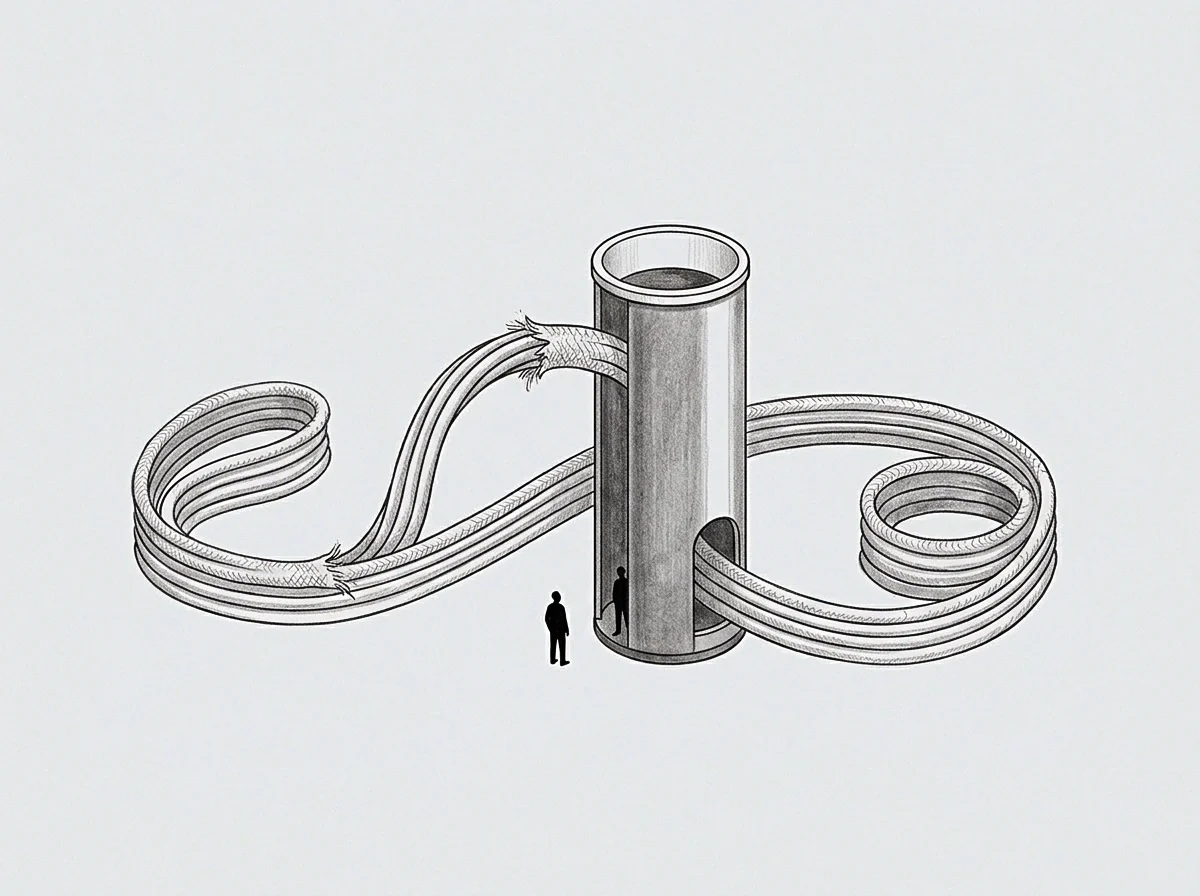
A vulnerability within a technical or organizational system exists when a specific component, process, or individual carries the full weight of a critical function without redundancy. Such a single point failure interrupts the entire operation if that specific element ceases to perform. This structural weakness creates an immediate stoppage because no alternate pathway allows the flow of output to continue once the primary channel closes.
Systemic Risk
Reliance on a sole participant or unique tool creates a hidden cost in attention and available hours for the founder. Constant monitoring of this specific bottleneck consumes cognitive capacity that could otherwise go toward expansion or stability. Maintaining a stable state requires that the system distribute the load across multiple independent nodes to protect against sudden total loss of availability.
Operational Penalty
Redundancy remains the standard method for mitigating these gaps, though it requires an upfront investment of resources. Designing a circuitous path or a backup protocol increases the complexity of the internal architecture but reduces the probability of a catastrophic event. A configuration that lacks these defensive layers operates under a constant, heightened state of tension where one error triggers a wider collapse.
Regulation Limit
Allostatic load fluctuates based on the degree to which a founder manages these dependencies alone. Borrowed regulation occurs when the system depends on an external party that provides the only path for necessary resources. Each added layer of dependency beyond the immediate control of the founder narrows the margin for error and defines the boundary of the total operation.