Meaning
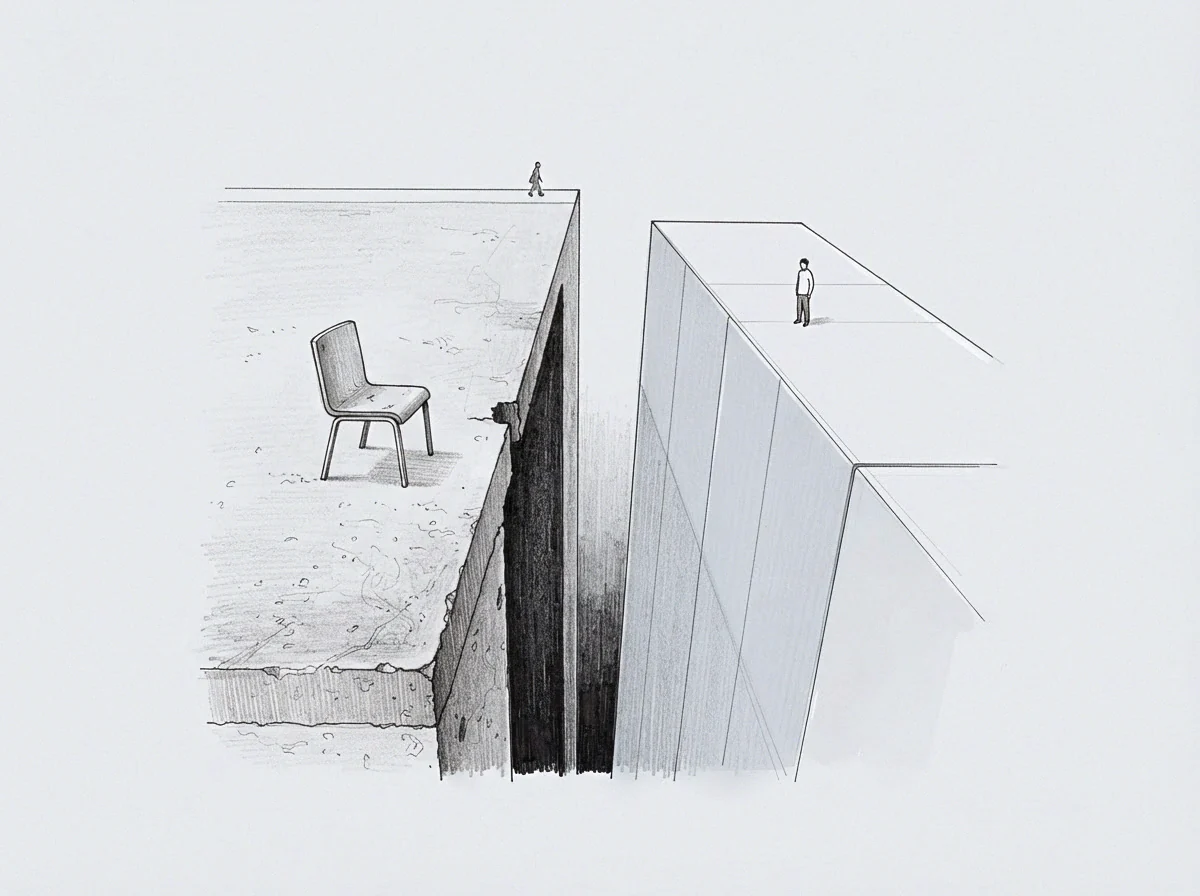
An internal capacity for stability describes the ability to maintain physiological and emotional coherence without relying on external support or distraction. This structural self-holding represents a significant level of self-regulation where the person provides their own sense of safety. It is the primary goal of metabolic and psychological recovery.
Internal Support
Developing this state requires a deep integration of past experiences and current capabilities. During periods of structural self-holding, the nervous system remains calm even in the absence of external validation or success. This independence allows for a more authentic engagement with the world.
Resilience Level
High capacity for self-regulation protects the individual from the volatility of external environments. When structural self-holding is strong, the founder can face setbacks without a total loss of internal equilibrium. This strength is built through consistent practice and the successful navigation of past challenges.
It functions as a stabilization mechanism that operates independently of current project outcomes.
Boundary Maintenance
Protecting one’s internal space from the demands of others is a key function of this state. Structural self-holding allows a person to say no to requests that would exceed their current capacity. It acts as a shield against the pressures of high-demand social and professional settings.